The Phoenix Vine: Cultivating Resilience in 2026's Reborn Wine Regions
In 2026, cultivating wine region resilience is paramount. Amidst global challenges and a changing climate, discover how the 'Phoenix Vine' symbolizes innovative viticulture and strategic adaptability. This article explores sustainable practices, economic strength, and the future of reborn wine regions worldwide.

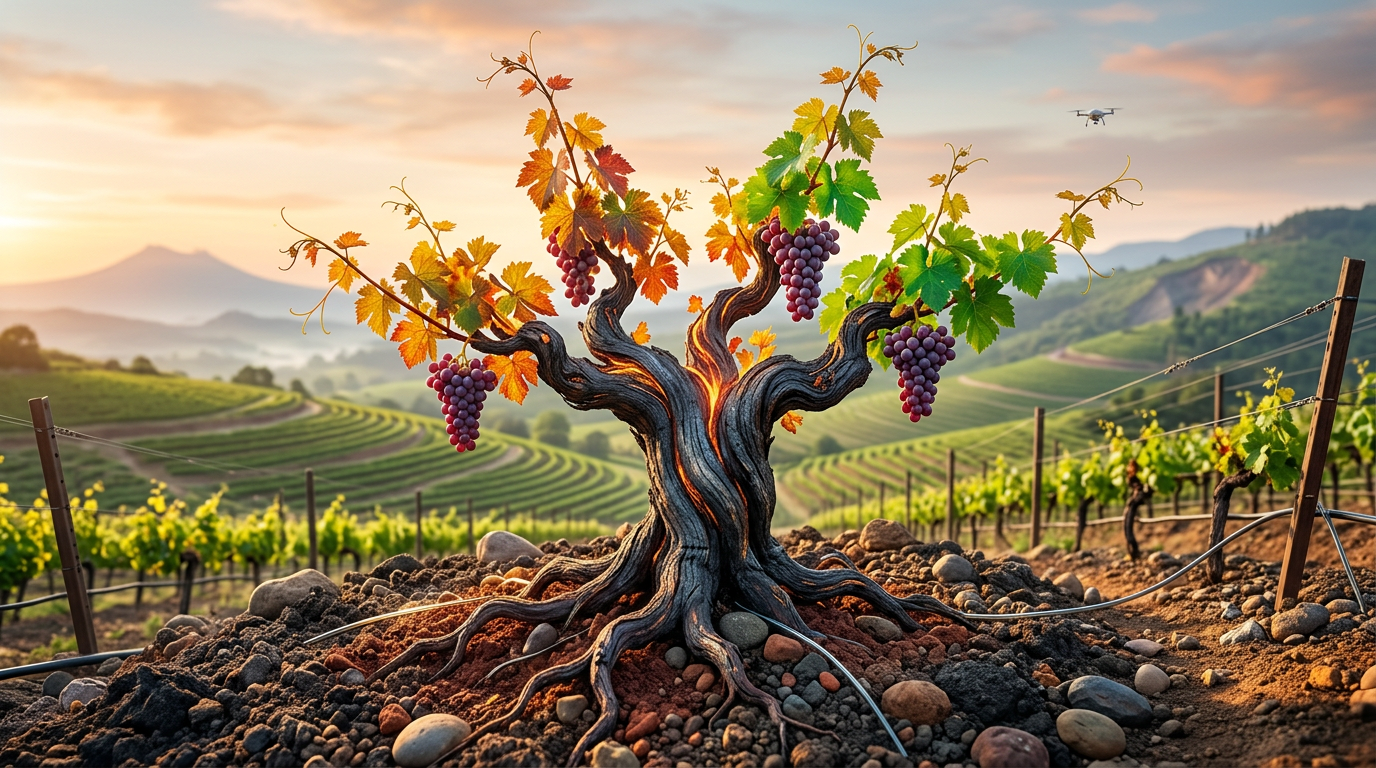
Cultivating Wine Region Resilience in 2026: The Phoenix Vine Takes Flight
In 2026, the concept of wine region resilience has never been more critical for the global viticulture industry. Winemakers and growers worldwide face an unprecedented confluence of challenges, from unpredictable climate shifts and water scarcity to evolving market demands and geopolitical shifts. As stewards of the land and craft, the ability to adapt and thrive in the face of adversity is paramount. This year, we see a renewed focus on strategies that foster robust and sustainable wine regions, ensuring the future of this ancient art.
Our platform, Greatest Wine, is dedicated to exploring the profound depths of wine, from its cultural significance to its intricate production. We delve into how understanding and implementing resilience strategies are becoming as vital as mastering the art of co-fermentation or perfecting food pairings. This commitment to long-term sustainability is not just good practice; it's essential for preserving the stories, techniques, and pleasures that define wine.
Addressing Climate Change: A Cornerstone of Wine Region Resilience
Climate change continues to be the most pressing long-term threat to viticulture in 2026. Rising temperatures, extreme weather events, and altered rainfall patterns are forcing wine regions to reconsider traditional grape varietals and farming methods. The focus now is on proactive adaptation and mitigation, building inherent wine region resilience into every aspect of vineyard management.
Many regions are actively investigating new grape clones that are more heat-tolerant or drought-resistant. Some are also exploring new terroirs at higher altitudes or latitudes, which previously were unsuitable for viticulture. The International Organisation of Vine and Wine (OIV) regularly publishes research and recommendations on sustainable viticulture practices, providing invaluable guidance for regions grappling with these changes. You can learn more about their initiatives on sustainable development here: OIV Sustainable Development.
Innovative Water Management and Soil Health
- Precision Irrigation: Advanced sensors and satellite imagery allow for hyper-localized irrigation, reducing water waste significantly. This tech helps vineyards deliver water only where and when it's needed most.
- Drought-Resistant Rootstocks: Selection of rootstocks that can better withstand prolonged dry spells is a key strategy, minimizing stress on the vines and maintaining grape quality.
- Cover Cropping and No-Till Farming: These practices enhance soil organic matter, improving water retention, reducing erosion, and fostering a healthier microbial ecosystem in the vineyard.

Technological Innovations Driving Adaptability and Wine Region Resilience
The year 2026 sees technology playing an increasingly pivotal role in strengthening wine region resilience. From artificial intelligence analyzing climate data to robotics assisting in vineyard tasks, these innovations are providing growers with the tools to respond swiftly and strategically to environmental pressures.
Drones equipped with multi-spectral cameras provide granular data on vine health, allowing for targeted treatments and optimized resource allocation. Machine learning algorithms predict disease outbreaks and pest infestations with greater accuracy, enabling preventative measures rather than reactive ones. This proactive approach not only saves resources but also minimizes the need for chemical interventions, aligning with sustainable goals.
Digital Tools for Proactive Management
- AI-Powered Forecasting: Predictive models that integrate weather data, historical trends, and vine physiology to anticipate yield, ripeness, and potential hazards.
- Robotics in the Vineyard: Automated machines performing tasks like pruning, leaf pulling, and harvesting, reducing labor costs and improving efficiency, especially critical during peak seasons.
- Blockchain for Traceability: Ensuring transparency from vine to bottle, allowing consumers to trace the origins and sustainable practices of their wine, enhancing market trust.
Economic Diversification and Community Support for Regional Stability
Beyond the vineyard itself, true wine region resilience encompasses the economic and social fabric of the surrounding communities. Regions that rely solely on wine tourism or bulk wine production can be vulnerable to market fluctuations or global crises. In 2026, diversification is key to creating a stable foundation.
Many wine regions are actively promoting agri-tourism beyond just cellar door sales, including culinary experiences, art installations, and nature trails. Collaborations with local artisans, chefs, and other agricultural producers create a broader appeal, attracting visitors who seek a rich, multifaceted cultural experience. This fosters a stronger local economy that can absorb shocks and ensure the long-term viability of the region.
Building Stronger Local Economies
Supporting local businesses and ensuring fair labor practices are integral to this diversification. When communities thrive, the wine industry within them benefits from a stable workforce and a supportive infrastructure. This symbiotic relationship is crucial for maintaining the heritage and expertise passed down through generations of winemakers.
For example, regions like Bordeaux are investing in research and development to create new value-added products from grape byproducts, such as grapeseed oil or pharmaceutical compounds. This innovative approach adds new revenue streams and reduces waste, contributing to both economic and environmental sustainability.
Biodiversity and Sustainable Practices for Long-Term Wine Region Resilience
The health of the vineyard ecosystem is foundational to long-term wine region resilience. Sustainable practices that prioritize biodiversity, soil health, and minimal intervention are no longer niche but are becoming industry standards. This holistic approach ensures that vineyards remain productive and vibrant for generations.
Implementing biodynamic or organic farming methods, while challenging, yields significant benefits in terms of soil vitality and natural pest control. Encouraging beneficial insects, planting hedgerows, and preserving natural habitats within and around vineyards helps create a balanced ecosystem. This reduces reliance on external inputs and fosters a natural harmony that contributes to the unique character of the wine.
A recent study published by the University of California, Davis, highlighted the positive correlation between vineyard biodiversity and improved pathogen resistance, underscoring the scientific basis for these practices. The insights gathered are proving invaluable for vineyards globally. For more information on sustainable viticulture research, you can often find resources from leading agricultural universities such as UC Davis: UC Davis Sustainable Viticulture.
Key Sustainable Strategies in 2026
- Carbon Sequestration: Practices like planting trees, cover cropping, and no-till farming actively draw carbon from the atmosphere, helping vineyards become carbon neutral or even carbon negative.
- Natural Pest Management: Utilizing pheromone traps, encouraging predatory insects, and planting specific flora to deter pests naturally, minimizing chemical use.
- Water Conservation: Beyond irrigation, rainwater harvesting and greywater recycling systems are being implemented to reduce the overall water footprint of wineries.

The Future of Wine: A Resilient Vintage Awaits
As we navigate through 2026, the global wine industry is demonstrating remarkable adaptability. The commitment to wine region resilience is not just a trend; it's a fundamental shift in how we approach viticulture and winemaking. From cutting-edge technology to ancient wisdom, every tool is being leveraged to ensure that the "Phoenix Vine" continues to rise, producing exceptional wines that tell stories of perseverance and passion.
At Greatest Wine, we believe that understanding these intricate layers of resilience adds a deeper appreciation to every glass. The challenges are significant, but the ingenuity and dedication of winemakers worldwide promise a future where wine regions not only survive but truly flourish, continuing to offer diverse and captivating experiences to enthusiasts globally.
Written by
Juniper Thorne is an experienced writer and educator with a deep passion for the world of wine. Bringing expertise in sensory analysis and wine culture to the Greatest Wine platform, Juniper helps readers explore and appreciate every nuance of wine.
Related Articles

The Vinous Verse: How Wine's Spirit Inspires 2026's Poetic and Literary Masterpieces
The intricate dance between the grape and the written word has enchanted humanity for millennia. Explore the profound connection between wine and literature, from ancient musings to 2026's contemporary narratives and poetic masterpieces. Discover how the world of wine continually inspires writers.
Juniper Thorne