The Art of the 'Vinous Micro-Biome': Crafting Terroir Through Engineered Yeast and Bacterial Cultures in 2026
In 2026, the evolving world of winemaking is increasingly focused on manipulating the vinous microbiome – the complex ecosystem of yeasts and bacteria that define a wine's character. Gone are the days of solely relying on traditional fermentation; engineered cultures are now paramount for crafting distinct terroir.

The Art of the 'Vinous Microbiome': Crafting Terroir Through Engineered Yeast and Bacterial Cultures in 2026
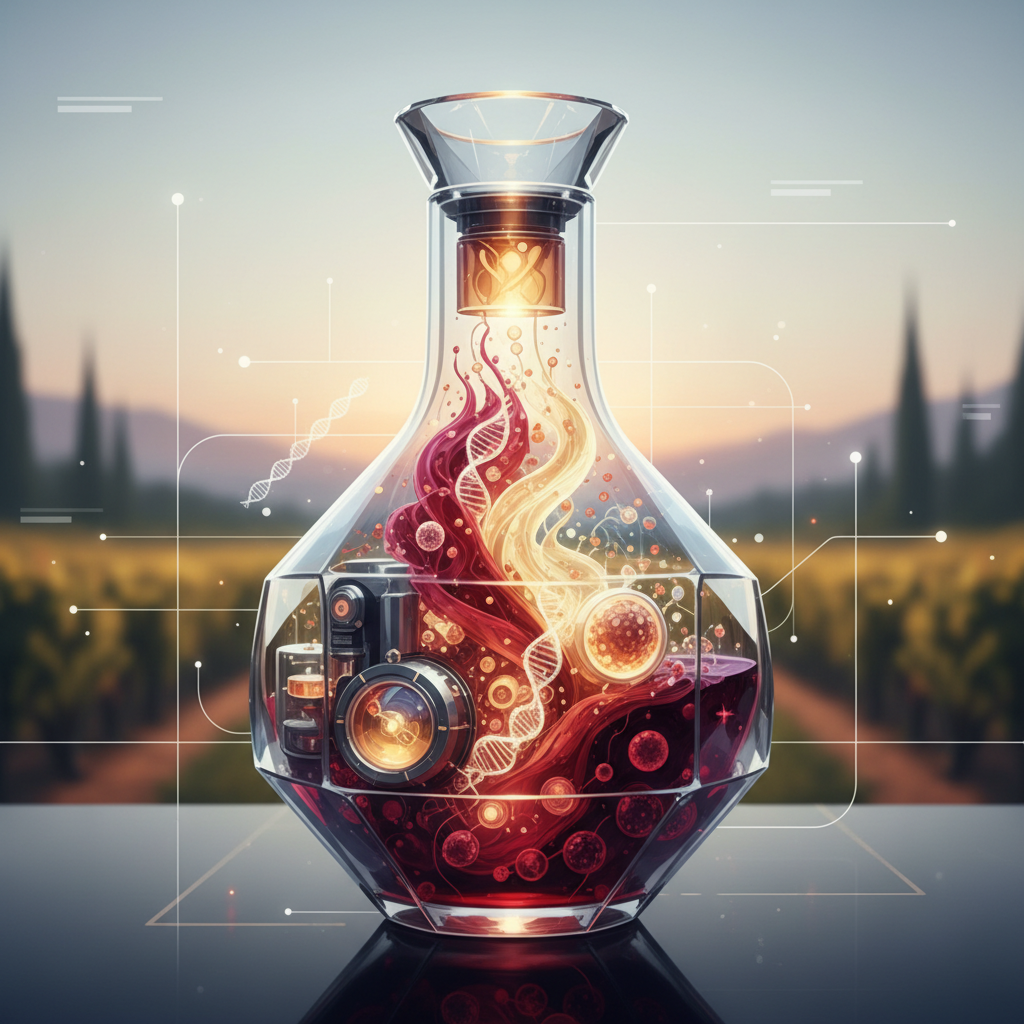
In the evolving world of winemaking, understanding and manipulating the vinous microbiome has become a true frontier, especially in 2026. This complex ecosystem of yeasts and bacteria, thriving within the grape must and throughout fermentation, plays a pivotal role in defining a wine's character, aroma, and mouthfeel. Moving beyond traditional fermentation, contemporary winemakers are now exploring how engineered microbial cultures can consciously shape terroir, offering an unprecedented level of control and expression in the bottle. This exploration delves into the intricate dance between science and art, revealing how the invisible world influences every sip we take.
Understanding the Vinous Microbiome: More Than Just Yeast
For centuries, winemakers largely understood fermentation as the conversion of sugar to alcohol by yeast, primarily Saccharomyces cerevisiae. However, modern scientific advancements have uncovered a much richer tapestry of microbial life at play. The vinous microbiome is a dynamic community, constantly shifting and interacting, impacting everything from initial aroma development to malolactic fermentation.
In 2026, research continues to highlight the significance of non-Saccharomyces yeasts and various bacterial species. These microorganisms contribute a vast array of enzymes and metabolic byproducts that significantly influence a wine's sensory profile, often in subtle yet profound ways. Their presence can enhance complexity, modify acidity, and even contribute to the wine's ageability. For a deeper dive into how microbes influence pre-fermentation grapes, see The Art of the 'Vinous Biopsy': Unveiling the Microscopic Narratives of Pre-Fermentation Grapes in 2026.
The Role of Non-Saccharomyces Yeasts
- Increased Aromatic Complexity: Species like Kloeckera, Metschnikowia, and Torulaspora delbrueckii can produce unique esters and varietal thiols, adding layers of fruity, floral, or spicy notes.
- Acidity Modulation: Some non-Saccharomyces yeasts consume malic acid, contributing to a softer mouthfeel without undergoing full malolactic fermentation.
- Bioprotection: Certain strains can inhibit the growth of spoilage microorganisms, reducing the need for sulfur dioxide additions.
Bacterial Contributions to Wine Character
Beyond yeast, various bacterial species are integral to the vinous microbiome. Lactic acid bacteria (LAB) are particularly well-known for their role in malolactic fermentation, converting tart malic acid into softer lactic acid. This process is crucial for many red wines and some white wines, impacting both taste and stability.
- Malolactic Fermentation (MLF): Primarily driven by species like Oenococcus oeni, MLF softens acidity and can impart buttery notes (diacetyl) and increased complexity.
- Flavor Precursors: Some bacteria can metabolize compounds to create new flavor compounds, contributing to the wine's unique character.
- Preventing Spoilage: Beneficial bacterial strains can outcompete undesirable microbes, contributing to the overall health of the wine.
Engineered Cultures and the Future of the Vinous Microbiome
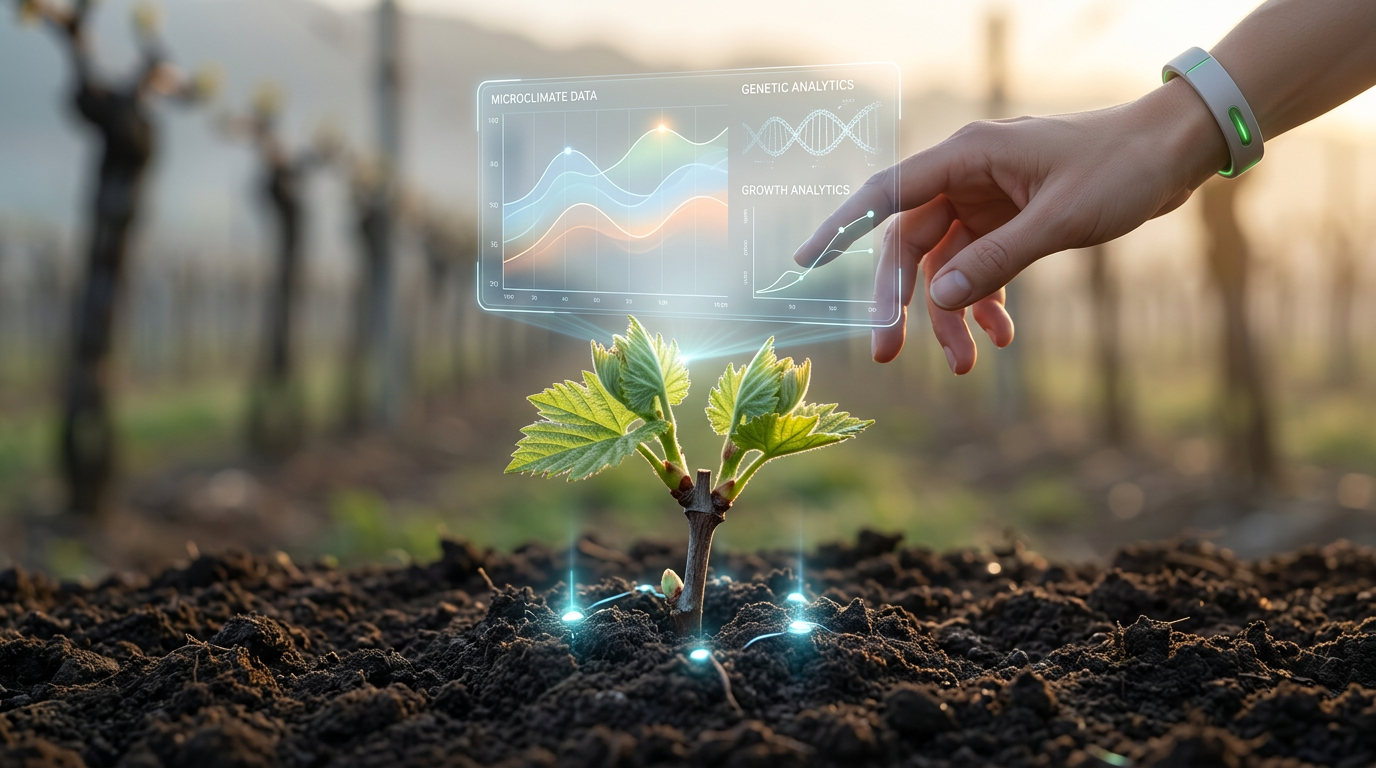
The concept of "engineered cultures" within the vinous microbiome is perhaps one of the most transformative advancements in winemaking today. This goes beyond simply selecting commercial yeast strains; it involves deliberate manipulation and introduction of specific, often modified, microbial populations to achieve precise outcomes. In 2026, genetic engineering and advanced microbial selection techniques are providing winemakers with unprecedented tools.
The goal is not to standardize wine, but to enhance expression, mitigate flaws, and unlock new dimensions of terroir. This could involve using yeasts genetically modified to produce specific enzymes, or bacterial cultures designed to manage pH or promote certain aromatic precursors more efficiently. The ethical considerations and consumer perceptions around genetically modified organisms (GMOs) are actively discussed within the industry, driving innovation towards non-GMO approaches such as CRISPR-edited yeasts or precision breeding. For more on the future of wine science, consider insights from Wine Business Monthly on winemaking innovations.
Precision Fermentation for Targeted Aromas
Imagine a winemaker desiring enhanced passionfruit notes in a Sauvignon Blanc or more pronounced spice in a Syrah. Through precision fermentation using engineered or highly selected starter cultures, this is increasingly becoming a reality. Microbes can be chosen or modified to:
- Boost specific aroma compounds: Increasing the production of thiols, terpenes, or esters.
- Reduce undesirable compounds: Minimizing Brettanomyces characteristics, volatile acidity, or off-flavors caused by spoilage yeasts.
- Optimize nutrient uptake: Ensuring a healthier, more consistent fermentation even in challenging grape musts.
The Ethical and Regulatory Landscape of Modified Microbes
While the potential benefits are immense, the use of engineered microbes in wine is subject to intense scrutiny. Regulators worldwide are grappling with how to classify and label wines produced with these advanced techniques. Transparency and consumer acceptance remain key challenges. However, the industry is witnessing a strong push towards "CRISPR-cleaned" or "non-GMO engineered" yeasts, where genetic modifications are minor and aimed at improving existing yeast strains without introducing foreign DNA.
Terroir Expression Through the Vinous Microbiome
Traditionally, terroir is understood as the unique combination of soil, climate, topography, and human practices that give a wine its distinct character. However, new research emphasizes that the microbial populations indigenous to a vineyard and winery are equally, if not more, crucial to this equation. The vinous microbiome acts as a biological filter, translating environmental cues into sensorial attributes.
In 2026, winemakers are increasingly focusing on nurturing these native microbial communities. This involves sustainable vineyard practices, minimal intervention winemaking, and even techniques like "pied de cuve" (spontaneous starter cultures) to harness the unique microbial fingerprint of their specific plot. By understanding the native microbial populations, winemakers can cultivate a more authentic and profound expression of their terroir. This scientific approach complements the artistic pursuit of mapping flavor landscapes and predictive terroir in 2026.
Cultivating Native Microbes for Distinct Terroir
The concept of "microbial terroir" suggests that the local microbial populations are as much a part of the vineyard's identity as its soil structure. Winemakers are employing several strategies to encourage these indigenous microbes:
- Organic and Biodynamic Practices: These farming methods promote healthier soils, which in turn support a more diverse and robust microbial population on the grapes.
- Spontaneous Fermentation: Allowing fermentation to begin with the wild yeasts present on the grapes and in the winery environment can lead to more complex and unique flavor profiles, reflecting the local microbial ecosystem.
- Reduced Sulfur Dioxide Use: Excessive SO2 can sterilize the must, killing beneficial native microbes. Minimal intervention allows these populations to thrive.
- Microbial Mapping: Advanced DNA sequencing allows winemakers to map the unique microbial signature of their vineyards, guiding their decisions about fermentation.
Challenges and Opportunities in Managing the Vinous Microbiome
While the potential of manipulating the vinous microbiome is vast, there are significant challenges. The sheer complexity of these microbial communities, their interactions, and the environmental factors that influence them, make precise control a difficult task. However, advancements in sequencing technology and bioinformatics are steadily improving our understanding. You can explore more about these complexities in current scientific literature, such as research published in the Frontiers in Microbiology - Food Microbiology section.
One of the main opportunities lies in greater consistency and quality control. By understanding the ideal microbial populations for a particular wine style or vineyard, winemakers can mitigate risks associated with sluggish ferments, off-flavors, or spoilage. This also opens avenues for producing wines with lower alcohol levels, reduced histamines, or enhanced health-benefiting compounds, aligning with consumer trends in 2026.
Overcoming Variability and Ensuring Consistency
The natural variability of the vinous microbiome can be a double-edged sword. While it contributes to uniqueness, it can also lead to unpredictable fermentation outcomes. Solutions include:
- Pre-screening Grape Must: Analyzing the microbial population of the must before fermentation to identify potential issues or beneficial strains.
- Sequential Inoculation: Using a non-Saccharomyces yeast sequentially followed by commercial Saccharomyces to combine the benefits of both.
- Data-Driven Winemaking: Utilizing real-time data from fermentation to adjust conditions and guide microbial activity.
The Economic Impact and Consumer Appeal
The ability to engineer specific wine characteristics through microbial management has significant economic implications. It allows for differentiation in a competitive market, addresses specific consumer demands (e.g., lower alcohol, vegan-friendly fining), and can reduce production risks. As consumers become more educated about the science of winemaking, wines that showcase intentional microbial management could garner increased appeal, offering a compelling narrative of innovation and craftsmanship. This sophisticated approach to winemaking also influences how experts deconstruct how we 'know' wine in an era of disinformation (2026).
In conclusion, the 'vinous microbiome' is no longer just a biological curiosity but a powerful tool in the winemaker's arsenal. In 2026, the art of crafting wine is increasingly intertwined with an intricate understanding and deliberate management of these microscopic workers. From enhancing terroir expression to ensuring quality and consistency, the future of winemaking lies in continuing to decode and respectfully interact with the dynamic microbial world within the bottle. For further exploration of how winemakers are embracing biological complexity, consider the article on The Art of the Vinous Symbiote: Cultivating Co-Fermentation for 2026's Complex Wine Expressions.
Written by
Juniper Thorne is an experienced writer and educator with a deep passion for the world of wine. Bringing expertise in sensory analysis and wine culture to the Greatest Wine platform, Juniper helps readers explore and appreciate every nuance of wine.
Related Articles

The Cellar Architects: Mastering Elite Wine Preservation and Evolution in 2026
For the true connoisseur, wine is more than just a beverage; it's a living entity, an investment, and a passion. Mastering its preservation and evolution is an art form, especially in 2026 with new technologies and insights. Learn how to protect and enhance your cherished collection.
Juniper Thorne