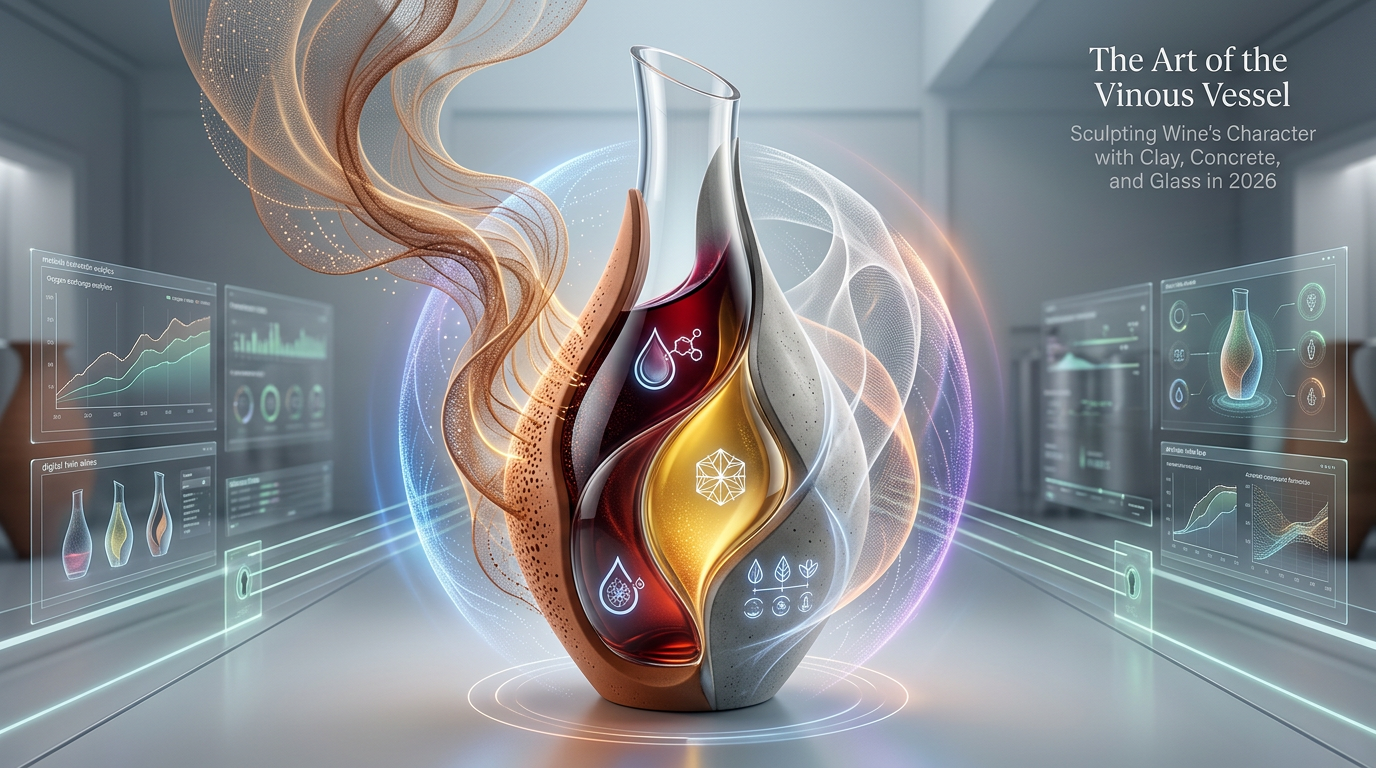
The Cellar Architects: Mastering Elite Wine Preservation and Evolution in 2026
For the true connoisseur, wine is more than just a beverage; it's a living entity, an investment, and a passion. Mastering its preservation and evolution is an art form, especially in 2026 with new technologies and insights. Learn how to protect and enhance your cherished collection.

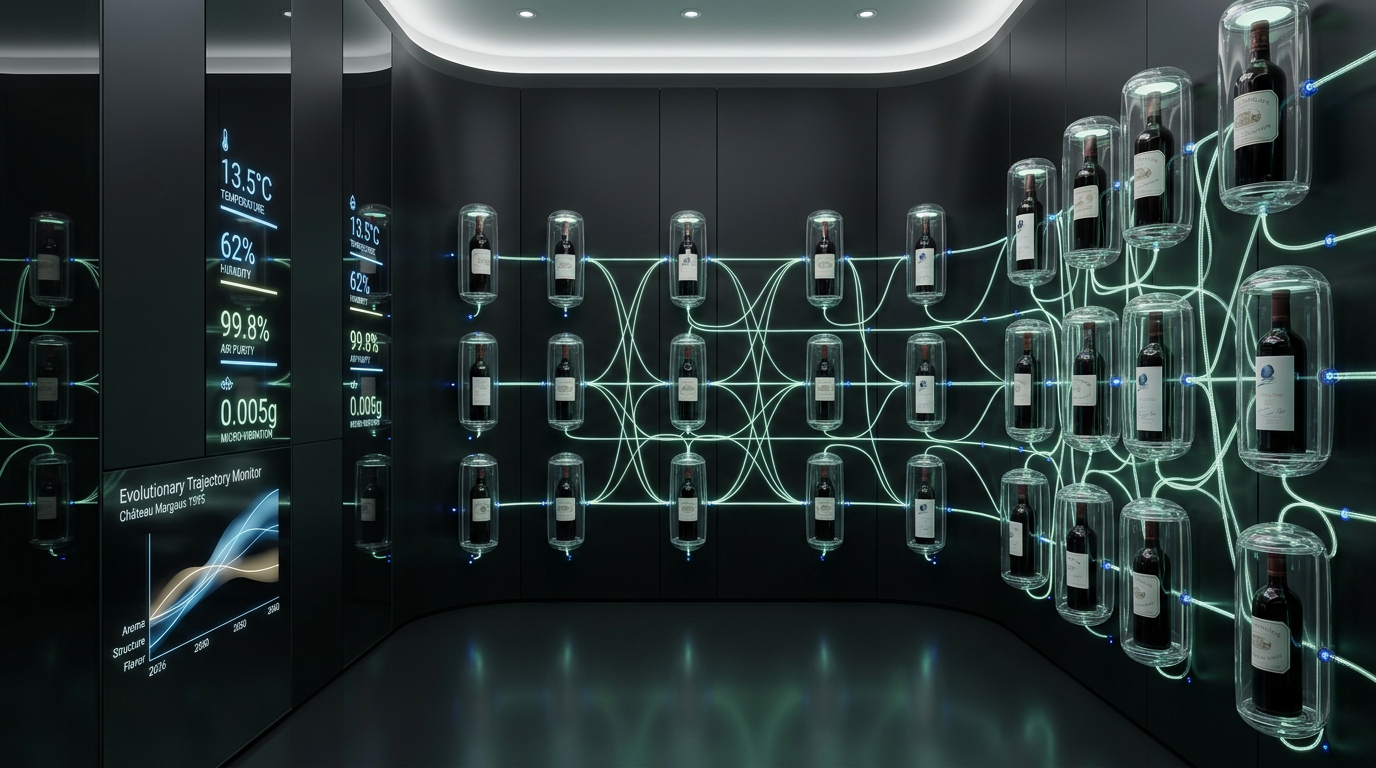
The Cellar Architects: Mastering Elite Wine Cellaring and Evolution in 2026
For the true connoisseur, wine is more than just a beverage; it's a living entity, an investment, and a testament to time and terroir. Ensuring its optimal evolution requires more than just a cool, dark place. It demands a meticulous approach, a dedication to precision, and an understanding of the delicate balance required for perfect aging. This is the realm of elite wine cellaring, a sophisticated practice essential for preserving and enhancing the value and enjoyment of your cherished bottles. In 2026, advancements in technology and a deeper understanding of oenology continue to refine what's possible in professional and home cellars alike.
The Foundations of Elite Wine Cellaring: Environmental Control
The core of any successful wine storage lies in unwavering environmental control. Even minor fluctuations can compromise a wine's delicate structure, leading to premature aging or, worse, spoilage. Mastering these elements is crucial for anyone serious about elite wine cellaring.
Temperature Stability: The Core Principle
Temperature is arguably the most critical factor. Wines age best at a consistent temperature, typically between 50-59°F (10-15°C). Fluctuation causes the wine to expand and contract, pushing the cork and allowing air ingress, which rapidly accelerates oxidation. A stable temperature ensures a slow, graceful maturation process.
Humidity Management: Preventing Cork Failure
Optimal humidity levels, usually between 60-75%, are vital to prevent corks from drying out and shrinking. A dry cork allows oxygen to penetrate the bottle, ruining the wine. Conversely, excessive humidity can lead to mold growth on labels, which, while not affecting the wine directly, can devalue a bottle.
- Consistent Temperature: Maintain 50-59°F (10-15°C) with minimal fluctuation.
- Ideal Humidity: Aim for 60-75% relative humidity to keep corks supple.
- Darkness: Protect bottles from all forms of light, especially UV.
- Vibration-Free: Minimize disturbances that can disrupt sediment and accelerate aging.
To truly master how these elements interact, consider the role of micro-environments in sculpting wine's evolution. For a deeper dive into the science behind ideal wine storage conditions, Wikipedia offers comprehensive insights into the principles of wine preservation.
Light and Vibration: Silent Destroyers
Ultraviolet (UV) light, even indirect, can cause a chemical reaction in wine, leading to "light strike" and creating off-flavors. Similarly, vibrations from heavy foot traffic, appliances, or even nearby roads can disturb the wine's delicate molecular structure, preventing sediment from settling and potentially disrupting the aging process. True elite wine cellaring considers these often-overlooked factors with paramount importance.

Designing Your Sanctuary: Advanced Cellar Architecture for Elite Wine Cellaring
Building or retrofitting a wine cellar involves more than just shelving; it’s about creating a dedicated environment that functions as a perfect aging chamber. The architectural choices underpin the success of your elite wine cellaring endeavor.
Passive vs. Active Cooling Systems
Traditional passive cellars rely on natural insulation, often underground, to maintain stable conditions. These traditional methods often echo ancient wine storage techniques, which are seeing a revival in 2026 for their inherent stability. While romantic and energy-efficient, they are location-dependent. Modern active cooling systems, featuring specialized refrigeration units, offer precise temperature and humidity control, making elite wine cellaring possible in almost any location. These systems are designed to minimize noise and vibration, crucial for the wines' tranquility.
Material Selection for Longevity
The materials used in cellar construction play a significant role. Proper insulation (e.g., vapor barriers, closed-cell foam) is non-negotiable. Walls, flooring, and ceiling should be constructed from materials that do not emit strong odors, as wines can absorb these over time. Cedar, while aromatic, is generally avoided for interior lining, with materials like redwood, mahogany, or metal often preferred for racking due to their stability and inert nature.
Racking Solutions and Organization
Beyond aesthetics, racking systems must be functional and durable. They should allow for easy access, prevent bottles from rolling, and accommodate various bottle sizes. From custom-built wooden racks to sleek metal and acrylic displays, the chosen system contributes to both the visual appeal and the operational efficiency of your cellar. Effective organization, often involving labeling or digital inventory, ensures you can locate and monitor your collection with ease.
Beyond Storage: The Art of Elite Wine Cellaring and Evolution
Elite wine cellaring extends beyond mere preservation; it's about facilitating the transformative journey of wine. Understanding this evolution is key to maximizing enjoyment and appreciation.
Inventory Management and Digital Tracking
For a serious collector, robust inventory management is indispensable. Digital cellar management apps (increasingly sophisticated in 2026) track bottle location, purchase date, vintage, tasting notes, and drinking windows. This allows for informed decisions on when to open a bottle, ensuring it's consumed at its peak. Some systems even integrate with professional tasting notes and market valuations.
Understanding Wine Evolution
Not all wines are made to age, but those that are undergo fascinating chemical changes. Tannins soften, fruit flavors evolve into more complex tertiary aromas (like leather, tobacco, forest floor), and the wine's texture can become smoother. This evolution is a delicate dance, and knowing a wine's aging potential is paramount for successful elite wine cellaring. To appreciate the full scope of this transformation, one must delve into unraveling a vintage's complete story, from its initial bud break to its eventual bottling.
Deciding When to Drink
Determining the perfect drinking window is an art informed by science and personal preference. Factors include the wine's varietal, vintage, producer, and storage conditions. While guidelines exist, the ultimate decision often comes from personal experience and occasional tasting of similar bottles. This decision also touches upon the psychology of wine expectation, where our anticipation can profoundly shape the tasting experience itself. The goal of elite wine cellaring is to ensure that when that perfect moment arrives, the wine is exactly as it should be.
Emerging Trends in Elite Wine Cellaring for 2026
The world of wine is constantly evolving, and so too are the techniques and technologies that support its preservation. In 2026, several trends are shaping the future of elite wine cellaring.
Smart Cellar Technology
The Internet of Things (IoT) has firmly entered the cellar. Smart cellar systems can monitor temperature, humidity, and even light levels in real-time, sending alerts to your smartphone if conditions deviate from optimal. Some advanced systems in 2026 can even automatically adjust cooling or humidification, offering unprecedented control and peace of mind for those practicing elite wine cellaring.

Sustainable Cellar Practices
With increasing environmental awareness, sustainable cellar design is gaining traction. This includes using energy-efficient cooling units, recycled or sustainably sourced building materials, and integrating passive cooling techniques where feasible. Eco-conscious collectors are looking for ways to minimize their carbon footprint without compromising the quality of their wine storage. For more on sustainability in the wine industry, sources like the Wine Institute often provide reports on industry trends.
Professional Cellar Management Services
For high-value collections or busy individuals, professional cellar management services are becoming more common. These services can include expert cellar design, ongoing environmental monitoring, inventory management, appraisal, and even physical relocation of collections. Outsourcing these tasks ensures that every aspect of elite wine cellaring is handled by experienced professionals.
Protecting Your Investment: Insurance and Valuation
A well-curated collection represents not only a passion but a significant financial asset. Protecting this investment is a critical component of responsible elite wine cellaring.
Insuring Your Prized Bottles
As your collection grows in value, standard home insurance may not offer adequate coverage against specific risks like temperature failure, breakage, or theft. Specialized wine insurance policies provide comprehensive protection, often covering individual bottles or the entire collection based on market value. It's crucial to discuss coverage options with an insurer who understands the unique risks associated with fine wine.
Valuation and Appraisal
Regular appraisals by certified wine appraisers are essential for accurately insuring your collection and for estate planning. Market values of fine wines can fluctuate, and an up-to-date valuation ensures you are properly covered and aware of your asset's true worth. Maintaining meticulous records of purchase, provenance, and storage conditions will greatly assist in the appraisal process. For further market insights, consult leading publications on fine wine investment.
Ultimately, elite wine cellaring is a commitment to the craft, an homage to the winemakers, and an investment in future enjoyment. By understanding and implementing these sophisticated preservation techniques, you ensure that each bottle reaches its full potential, ready to be uncorked and savored at its absolute peak.
Written by
Juniper Thorne is an experienced writer and educator with a deep passion for the world of wine. Bringing expertise in sensory analysis and wine culture to the Greatest Wine platform, Juniper helps readers explore and appreciate every nuance of wine.
Related Articles
The Vinous Chronicle: Unraveling a Vintage's Story from Bud Break to Bottle in 2026
Every bottle of wine holds a universe of narratives, encapsulating the essence of a particular vintage. From the delicate bud break in spring to the meticulous aging in cellars, a vintage wine story is a testament to nature's influence and human craftsmanship. In 2026, we explore the intricate journey that transforms grapes into liquid history.
Juniper Thorne