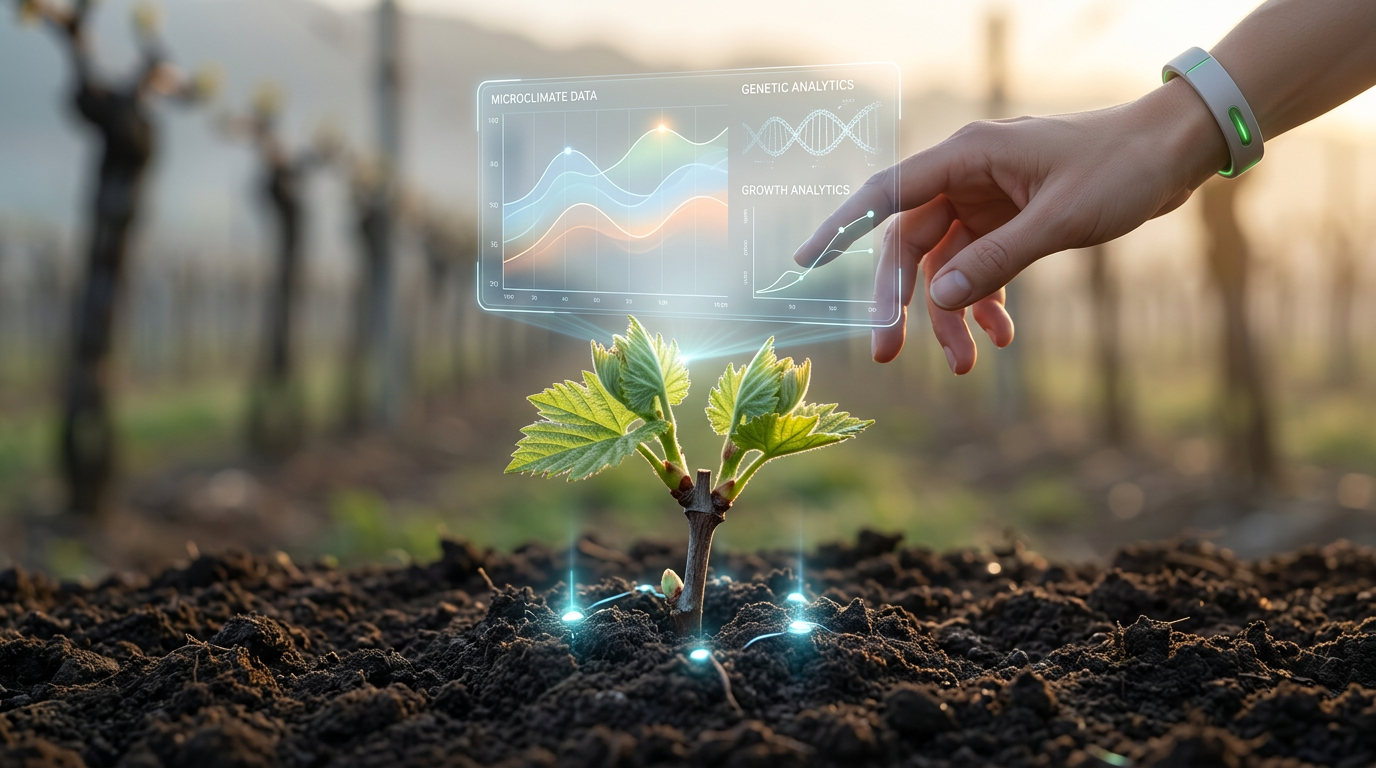
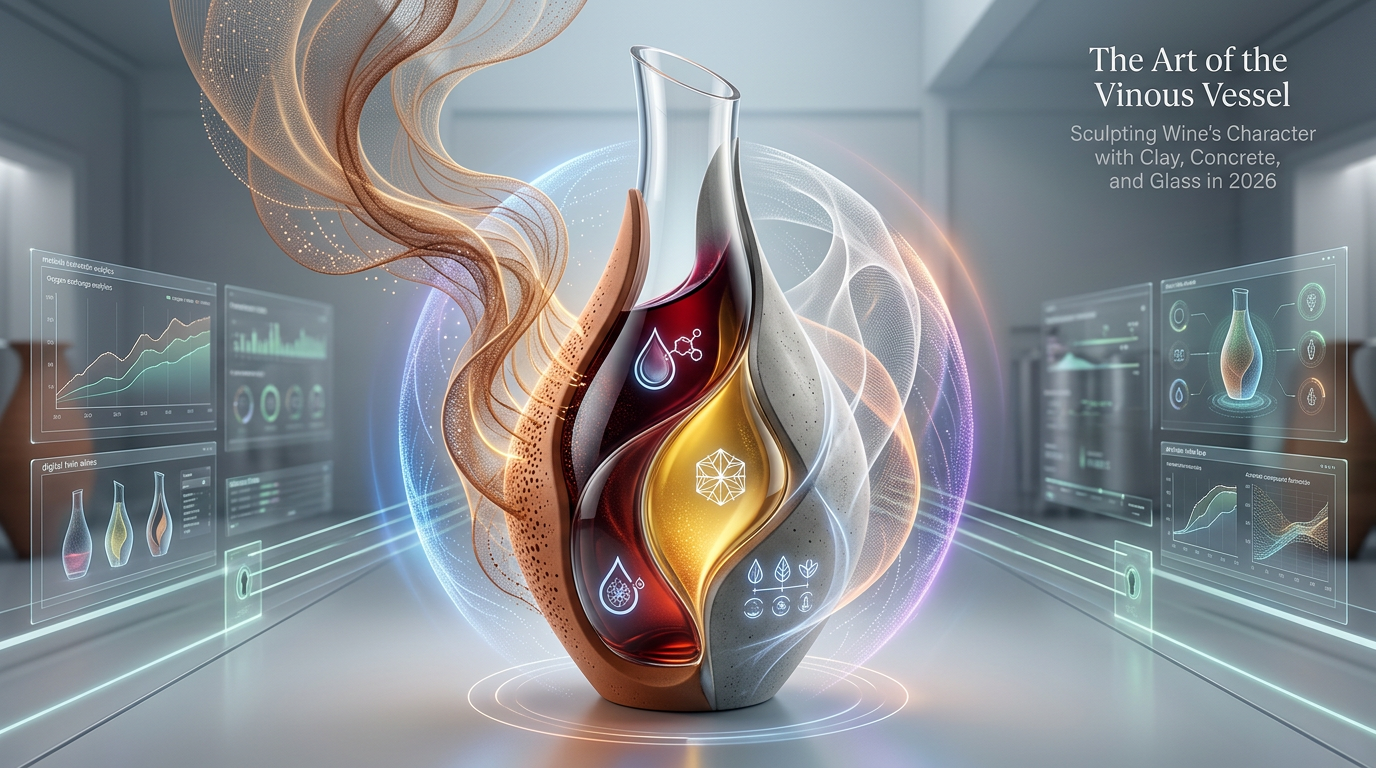
The Silent Architects: How Micro-Environments in Your Cellar Sculpt Wine's Evolution in 2026
For discerning wine enthusiasts and collectors, understanding the intricate role of micro-environments within your cellar is paramount. Explore how precise control over temperature, humidity, and light act as silent architects, meticulously sculpting your wine's evolution and enhancing its future in 2026. Discover advanced techniques for optimal aging.

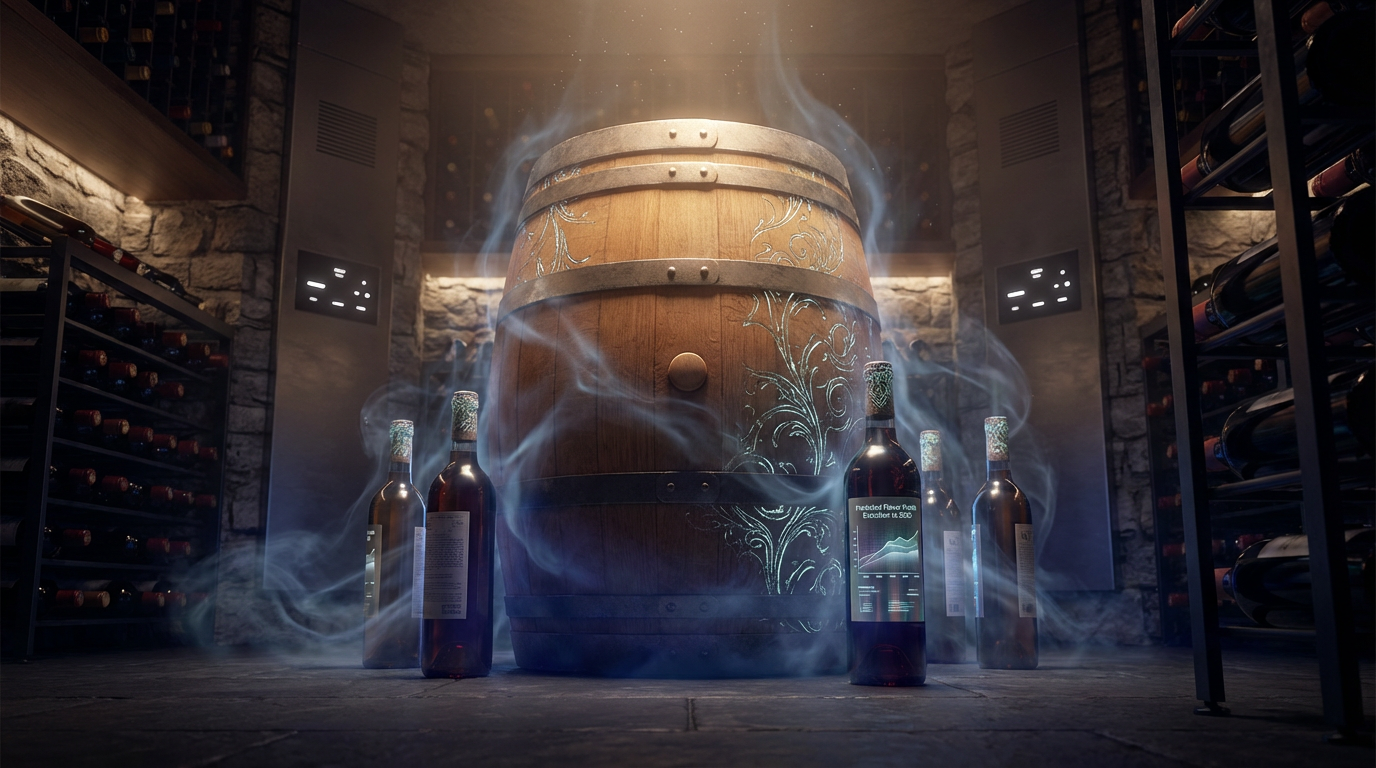
The Silent Architects: How Micro-Environments in Your Cellar Sculpt Wine's Evolution in 2026
For discerning wine enthusiasts and collectors, understanding the intricate dance of elements within a storage space is paramount. The concept of wine cellar evolution goes far beyond simply keeping bottles cool and dark; it delves into the precise micro-environments that silently sculpt a wine's character over months and years. In 2026, with increasing focus on sustainability and advanced technology, appreciating these environmental nuances is more critical than ever for optimal aging and preservation. This deep dive explores how temperature, humidity, light, and other subtle factors contribute to the remarkable transformation of wine in your cellar.
Every bottle holds a promise, and it's the environment in which it rests that determines whether that promise is fulfilled, exceeded, or tragically broken. The journey from vineyard to glass is long, and the cellar stage is perhaps the most delicate, influencing aroma, taste, and overall complexity.
The Foundational Pillars of Wine Cellar Evolution: Temperature and Humidity
At the heart of any successful long-term wine storage lies meticulous control over temperature and humidity. These two factors are the primary architects of wine cellar evolution, directly influencing the chemical reactions that occur within the bottle.
Precision Temperature Control for Long-Term Storage
Maintaining a consistent temperature, ideally between 50-59°F (10-15°C), is non-negotiable for proper wine aging. Fluctuations are far more damaging than a slightly higher or lower consistent temperature. Extreme heat can "cook" the wine, leading to premature oxidation and a flat, stewed flavor profile. Conversely, overly cold temperatures can halt the aging process, preventing the development of complex flavors and aromas.
In 2026, advanced cellar cooling systems offer unparalleled precision, often incorporating smart technology to maintain a stable environment regardless of external conditions. This stability ensures that the delicate chemical transformations within the wine proceed at an optimal, steady pace, allowing for true evolution.
The Critical Role of Relative Humidity
Humidity often gets overlooked but is equally vital. A relative humidity level of 60-75% is generally recommended. Too low, and corks can dry out, shrink, and allow air to seep into the bottle, causing oxidation. Too high, and mold can grow on labels and corks, potentially compromising the cork's integrity and aesthetic appeal, even if it doesn't directly affect the wine inside.
Modern cellars frequently employ humidification systems that monitor and adjust moisture levels automatically, safeguarding both the wine and the investment in your collection. This careful balance is a cornerstone of controlled wine cellar evolution.

Beyond the Basics: Light, Vibration, and Air Quality in Modern Wine Cellars
While temperature and humidity are the primary considerations, other environmental factors play significant, albeit subtler, roles in the delicate process of wine aging and overall wine cellar evolution.
Shielding Your Investment: Light Exposure
Light, especially ultraviolet (UV) light, is a known enemy of wine. It can cause a reaction known as "light strike," leading to off-flavors and aromas, particularly in delicate white wines and Champagnes. This is why many wine bottles are made of colored glass. Even so, prolonged exposure to artificial light, especially fluorescent bulbs, can be detrimental.
Wine cellars should ideally be kept dark, or lit with UV-filtered LED lighting that minimizes harmful wavelengths. Placing bottles away from windows or direct light sources is a simple yet effective protective measure.
Mitigating Vibrations for Tranquil Aging
Constant vibrations, even subtle ones, can disturb the delicate sediment in older wines and potentially accelerate undesirable chemical reactions. This can prevent the wine from settling properly and achieving its full potential. Sources of vibration include household appliances, heavy foot traffic, or nearby machinery. A quiet, stable environment is crucial for undisturbed aging.
For more information on the principles of proper wine storage, consider consulting Wikipedia's comprehensive guide on wine storage, which details many of these environmental factors.
The Subtle Influence of Air Quality
The air within your cellar can also impact your wine, particularly if corks are not perfectly sealed. Strong odors from paints, chemicals, or even strong-smelling foods can permeate the cork and taint the wine. Good ventilation, without excessive airflow that could dry out corks, is important to maintain a neutral and clean environment. Ensuring your cellar is free from unwanted airborne contaminants contributes to a pristine environment for wine cellar evolution.
Technological Advancements Driving Wine Cellar Evolution in 2026
The year 2026 has seen significant leaps in smart home technology, and wine cellars are no exception. These innovations are making precise micro-environment control more accessible and efficient than ever before.
Smart Cellar Monitoring Systems
Modern wine cellars can be equipped with sophisticated monitoring systems that track temperature, humidity, and even vibration in real-time. These systems often connect to smartphone apps, alerting collectors to any deviations from ideal conditions. This proactive approach ensures immediate intervention, safeguarding valuable collections and supporting optimal wine cellar evolution.
- Remote Alerts: Receive notifications if conditions fall outside preset parameters.
- Data Logging: Track historical data to identify trends and optimize performance.
- Predictive Maintenance: Some systems can even anticipate potential issues with cooling units or humidifiers.
Innovative Climate Control Solutions
Beyond basic cooling units, integrated climate control systems are becoming more common. These systems manage both temperature and humidity with extreme precision, often utilizing energy-efficient technologies. Specialized insulation materials and vapor barriers are also integral to creating a stable, energy-saving environment.
The goal is to create a hermetically sealed yet perfectly regulated space that acts as an ideal cocoon for every bottle, ensuring a controlled and predictable wine cellar evolution process.

Understanding Your Wine's Journey: The Science Behind Wine Cellar Evolution
To truly appreciate the importance of micro-environments, it helps to understand the scientific processes occurring within the bottle. Wine cellar evolution is a complex biochemical journey.
Chemical Transformations During Aging
As wine ages, a fascinating series of chemical reactions unfold. Tannins polymerize, reducing astringency and creating a softer mouthfeel. Aromatic compounds develop, replacing youthful fruit notes with more complex tertiary aromas like leather, tobacco, earth, and dried fruit. Acids and alcohols slowly integrate, contributing to a more harmonious balance.
These reactions are highly sensitive to environmental factors. An optimal, stable environment ensures these transformations occur gracefully, leading to wines with greater complexity and finesse.
Varietal Responses to Micro-Environments
Different grape varietals and wine styles respond uniquely to aging environments. Robust red wines like Cabernet Sauvignon or Syrah, with high tannins and acidity, often benefit from longer aging periods and can tolerate slightly more variability than delicate Pinot Noirs or aromatic white wines. Sparkling wines and certain whites are particularly susceptible to light strike.
Understanding the specific needs of your wines can help tailor your cellar's micro-environment, or at least inform your choice of wines for long-term cellaring. For further insights into the chemistry of wine aging, explore resources like Wine Folly's detailed article on how wine ages.
Crafting Your Ideal Micro-Environment for Optimal Wine Cellar Evolution
Whether you're building a new cellar or optimizing an existing space, thoughtful planning is crucial for fostering ideal wine cellar evolution.
DIY vs. Professional Cellar Design
For serious collectors, investing in professional cellar design can be invaluable. Experts can assess your space, recommend appropriate cooling and humidification systems, and ensure proper insulation and vapor barriers. They understand the intricacies of creating an environment that supports optimal aging.
However, even DIY solutions can be highly effective. Key considerations include:
- Selecting an interior room away from external walls and direct sunlight.
- Investing in a dedicated wine refrigerator for smaller collections.
- Using weatherstripping and insulation to minimize temperature and humidity fluctuations.
Maintenance and Best Practices
Regular maintenance of your cooling and humidification systems is essential. This includes cleaning filters, checking refrigerant levels, and calibrating sensors. Periodically inspect your bottles for any signs of leakage or cork degradation. Organization is also key; knowing what you have and its ideal drinking window prevents premature opening or over-aging.
By diligently managing these micro-environmental factors, you empower your wines to undergo their natural, beautiful wine cellar evolution, rewarding you with exquisite drinking experiences for years to come.

The world of wine is one of patience, precision, and profound pleasure. The silent architects of your cellar—temperature, humidity, light, and stillness—are diligently working to sculpt each bottle's destiny. By understanding and meticulously controlling these micro-environments, especially in this technologically advanced era of 2026, you are not just storing wine; you are actively participating in its magnificent wine cellar evolution. This dedication ensures that when you finally uncork a bottle, it will be at its peak, ready to tell its full, rich story.
Written by
Juniper Thorne is an experienced writer and educator with a deep passion for the world of wine. Bringing expertise in sensory analysis and wine culture to the Greatest Wine platform, Juniper helps readers explore and appreciate every nuance of wine.
Related Articles
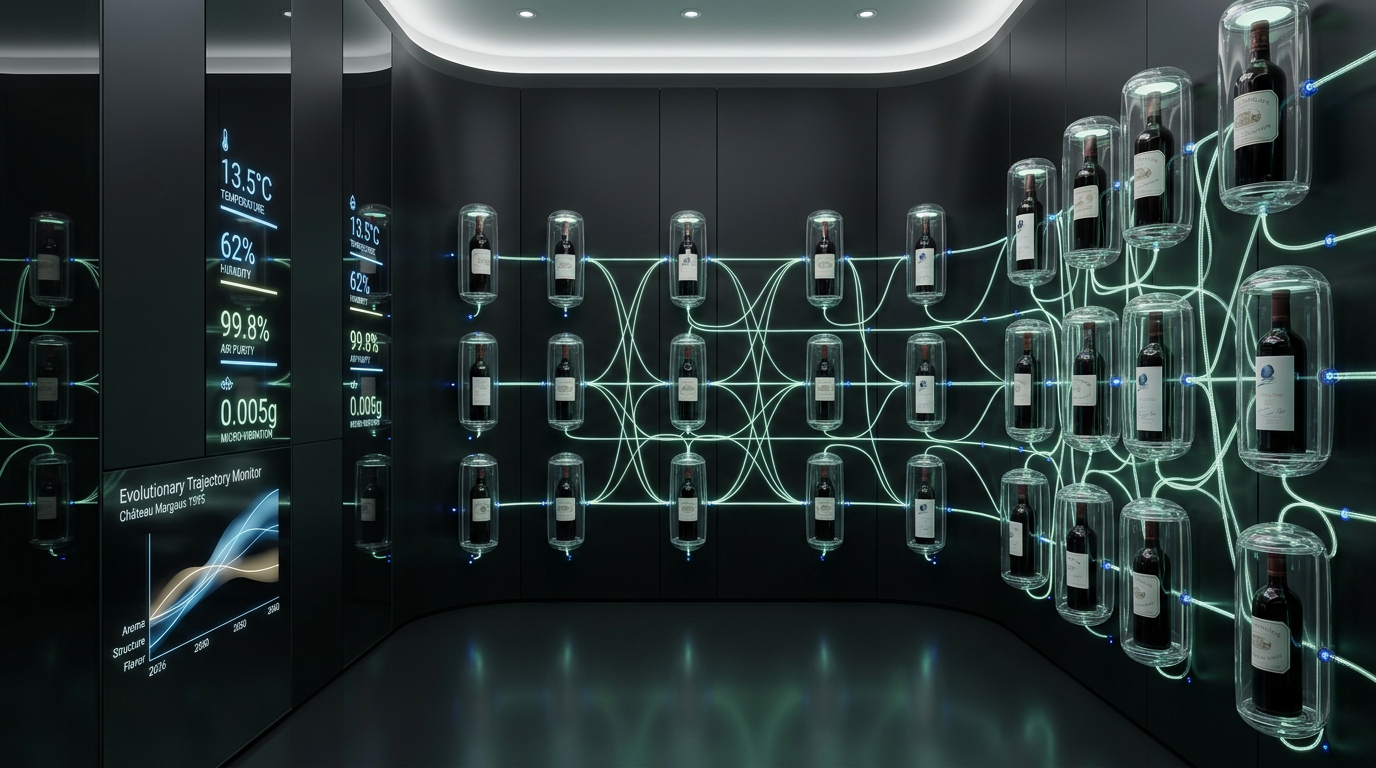
The Cellar Architects: Mastering Elite Wine Preservation and Evolution in 2026
For the true connoisseur, wine is more than just a beverage; it's a living entity, an investment, and a passion. Mastering its preservation and evolution is an art form, especially in 2026 with new technologies and insights. Learn how to protect and enhance your cherished collection.
Juniper Thorne