The Art of the 'Vinous Data Whisperer': Mastering AI for Personalized Wine Discovery in 2026
In 2026, AI wine discovery is transforming how enthusiasts and sommeliers navigate the vast world of wine. Artificial intelligence is no longer a futuristic concept but a powerful tool, acting as a 'Vinous Data Whisperer' to personalize recommendations and enhance the wine journey.

The Art of the 'Vinous Data Whisperer': Mastering AI for Personalized AI Wine Discovery in 2026
In the evolving landscape of viticulture and gastronomy, AI wine discovery is rapidly transforming how wine enthusiasts, from novices to seasoned sommeliers, navigate the vast and intricate world of wine. As we journey through 2026, artificial intelligence is no longer a futuristic concept but a powerful tool, acting as a sophisticated "Vinous Data Whisperer." It deciphers complex data points to unearth the perfect bottle tailored to individual preferences, occasions, and culinary pairings. This revolutionary approach promises to deepen our understanding and enjoyment of wine, moving beyond traditional recommendations to hyper-personalized insights.
The Evolution of AI Wine Discovery: From Algorithms to Aromas
The concept of using technology to enhance consumer experience isn't new, but its application in the nuanced world of wine has reached unprecedented levels in 2026. Early iterations focused on basic matching, such as red meat with red wine. Today, AI wine discovery systems leverage advanced machine learning models, natural language processing (NLP), and sensory data analysis to offer truly bespoke recommendations.
These sophisticated platforms analyze a myriad of factors, including your past ratings, preferred flavor profiles (e.g., earthy, fruity, spicy), geographical preferences, price range, and even occasion. The goal is to provide a predictive model that understands your palate better than you might understand it yourself. For a deeper dive into the technical side, explore The Art of the Vinous Algorithm: Personalizing Wine Selection with AI and Neuro-Sommelier Insights in 2026.
Machine Learning: The Brain Behind the Bottle
- Collaborative Filtering: AI identifies users with similar tastes and recommends wines enjoyed by those individuals. This is a foundational technique for many recommendation engines.
- Content-Based Filtering: The system learns your preferences based on the characteristics of wines you've enjoyed in the past (e.g., specific grape varietals, regions, or tasting notes).
- Hybrid Approaches: Combining both collaborative and content-based methods to mitigate limitations and provide more robust, accurate recommendations.
- Deep Learning for Sensory Analysis: Advanced neural networks are beginning to interpret complex sensory data from detailed tasting notes, translating qualitative human experiences into quantifiable data points for enhanced personalization. Find out more about how perception is influenced in The Art of the 'Vinous Symphony': Deconstructing How Music and Sound Influence Wine Perception in 2026.
Natural Language Processing (NLP) and Your Tasting Notes
One of the most impressive advancements in AI wine discovery is the ability of AI to understand and process unstructured text data. When you describe a wine as "velvety with hints of blackberry and a long, peppery finish," NLP algorithms interpret these nuances. They then cross-reference them with vast databases of wine descriptions, professional reviews, and even user-generated content, creating a rich profile of your preferences.
This allows AI to move beyond simple keyword matching, understanding the subtleties of your language and correlating them with specific chemical compositions and sensory attributes of different wines. This capability is crucial for truly intelligent AI wine discovery. You can delve into the evolution of wine language itself with The Art of the 'Vinous Philology': Deconstructing the Etymology and Evolution of Wine Language in 2026.
Unlocking Personalized Pairings: AI's Role in Culinary Harmony
Beyond simply finding a wine you might like, AI is revolutionizing the art of food and wine pairing. No longer reliant on simple rules, AI systems in 2026 can analyze the chemical compounds in food and wine, identifying synergistic matches that enhance both elements. This goes far beyond the traditional "red wine with red meat" adage.
Imagine inputting the ingredients of a complex dish, and the AI suggests not just one wine, but a series of options, explaining why each pairing works – perhaps highlighting how a wine's acidity cuts through richness or how its fruit notes complement a dish's sweetness. This creates an unparalleled culinary experience, elevating everyday meals and fine dining alike.
The Science of Flavor Matching
- Molecular Harmonization: AI analyzes flavor compounds in both food and wine to find complementary profiles, minimizing clashes and maximizing enjoyment. For example, a wine with high acidity can balance a fatty dish, while a tannic wine can complement protein-rich meats.
- Regional Pairings: Leveraging historical and geographical data, AI can suggest classic regional food and wine pairings, preserving cultural heritage while offering new discoveries.
- User-Generated Pairing Data: AI constantly learns from user feedback on successful and unsuccessful pairings, refining its recommendations over time to better understand individual taste preferences. Further insights into understanding wine as a whole can be found in The Art of the 'Vinous Gestalt': Understanding Wine as More Than the Sum of Its Parts in 2026.
Navigating the Global Wine Scene with AI Wine Discovery
The global wine market is vast and constantly evolving, with new regions, varietals, and vintages emerging regularly. AI acts as an invaluable guide through this intricate landscape. It can surface undiscovered gems from lesser-known regions, track emerging trends in wine production, and even predict future market values for collectors.
For enthusiasts attending international wine festivals or vineyard events, AI applications can provide real-time recommendations based on event schedules, available wines, and individual preferences, ensuring a truly tailored experience. This makes AI wine discovery a powerful tool for exploring the rich tapestry of global wine culture. For a broader look at global preferences, see The Art of the Vinous Palate: Deconstructing Global Flavor Preferences in 2026.
Predictive Analytics in Wine Trends
In 2026, AI algorithms are adept at identifying subtle shifts in consumer preferences, climate impacts on harvests, and regional production trends. This allows platforms to forecast which wines might gain popularity or which regions are producing exceptional vintages, providing foresight for both consumers and industry professionals. More information on global wine trends can be accessed via OIV Statistical Reports.
Such predictive capabilities mean that the 'Vinous Data Whisperer' can alert you to a fantastic, under-the-radar wine before it becomes widely known, or suggest alternative varietals from regions less affected by climate change, ensuring continued access to quality wines.
Ethical Considerations and the Future of Personalized Wine Experience
While the benefits of AI wine discovery are immense, it's crucial to address the ethical considerations associated with data privacy and algorithmic bias. Ensuring transparent data usage policies and developing AI systems that are fair and inclusive are paramount. Organizations like Wine Institute are actively involved in discussions around responsible data use in the wine sector.
The future of AI wine discovery looks incredibly promising. We anticipate even more immersive experiences, potentially integrating augmented reality (AR) for virtual vineyard tours and real-time tasting note overlays. Imagine holding your phone up to a wine bottle and instantly receiving an AI-generated personalized tasting note, pairing suggestions, and historical context tailored to your palate. The blending of physical and digital wine experiences is explored further in The Art of the 'Vinous Metaverse': Bridging Real and Virtual Wine Experiences in 2026.
Augmented Reality and Immersive Wine Exploration
- Virtual Vineyard Tours: AR allows users to "walk" through vineyards, learn about terroir, and see the winemaking process virtually, enhancing their connection to the wine.
- Real-time Tasting Guidance: AR apps could overlay information onto a wine glass, highlighting aroma profiles or suggesting food pairings as you explore a new wine.
- Personalized Storytelling: AI could generate unique narratives about each wine based on your preferences, making the experience more engaging and memorable. Further reading on AR's potential in consumer goods can be found on sites like Forrester's AI blog.
The 'Vinous Data Whisperer,' powered by sophisticated AI, is not just a trend; it's a fundamental shift in how we approach and appreciate wine. As we move further into 2026, these intelligent systems will continue to evolve, offering ever more profound and personalized insights, ensuring that every glass poured is a step into a richer, more enjoyable wine journey. The art of AI wine discovery is truly transforming our relationship with this ancient and beloved beverage.
Written by
Juniper Thorne is an experienced writer and educator with a deep passion for the world of wine. Bringing expertise in sensory analysis and wine culture to the Greatest Wine platform, Juniper helps readers explore and appreciate every nuance of wine.
Related Articles
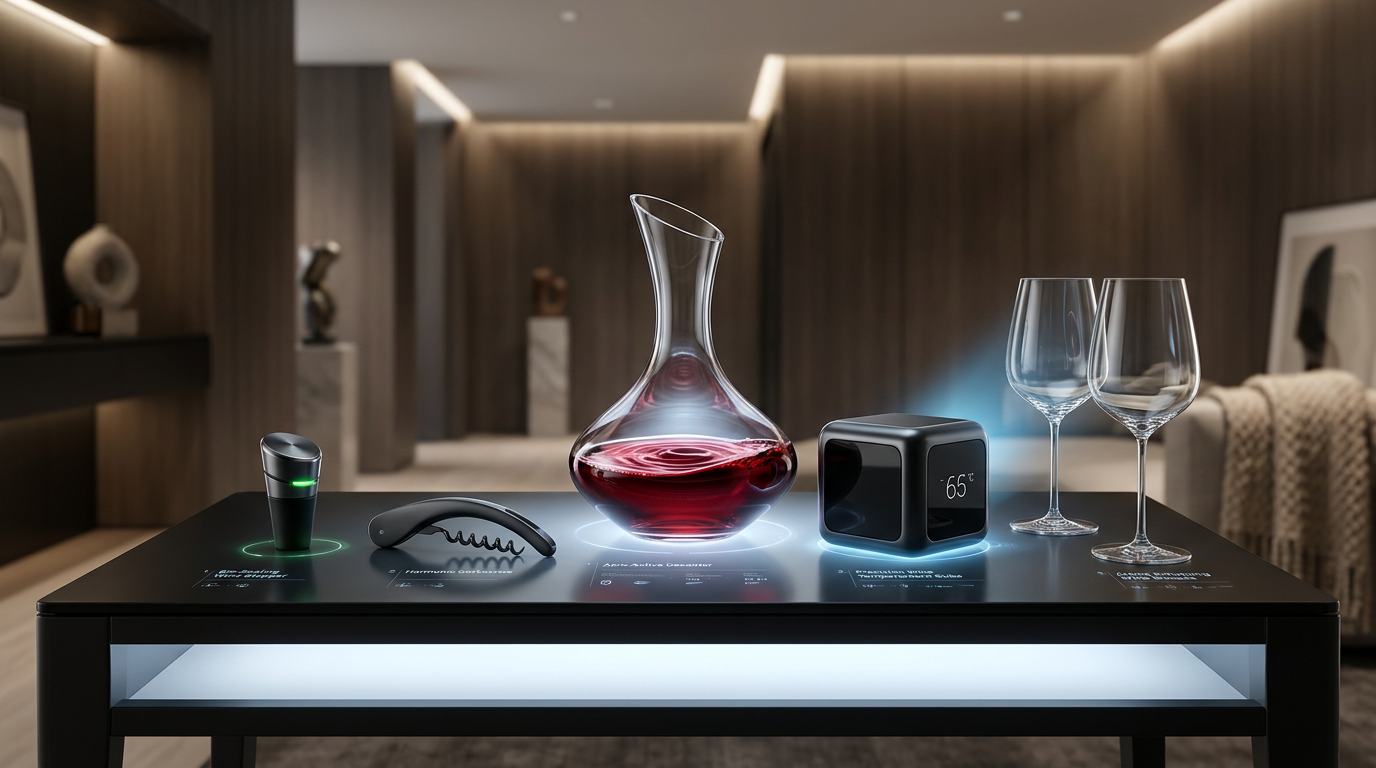
The Vinous Arsenal: Essential Tools for Elevating Your Wine Experience in 2026
As we navigate May 2026, the world of wine continues to evolve, offering enthusiasts unprecedented tools. Discover the essential wine accessories for 2026 that will elevate your enjoyment, from innovative aerators to smart preservation systems. Upgrade your vinous arsenal today with Greatest Wine.
Juniper Thorne