The Vinous Metamorphosis: Deconstructing Wine's Dynamic Evolution in the Glass (2026)
The journey of a fine wine doesn't end when it leaves the bottle; instead, a fascinating wine in-glass evolution unfolds. Discover how factors like aeration, appropriate glassware, and optimal temperature profoundly transform a wine's aromas, flavors, and textures over time. Deconstruct the vinous metamorphosis and master your tasting experience in 2026.

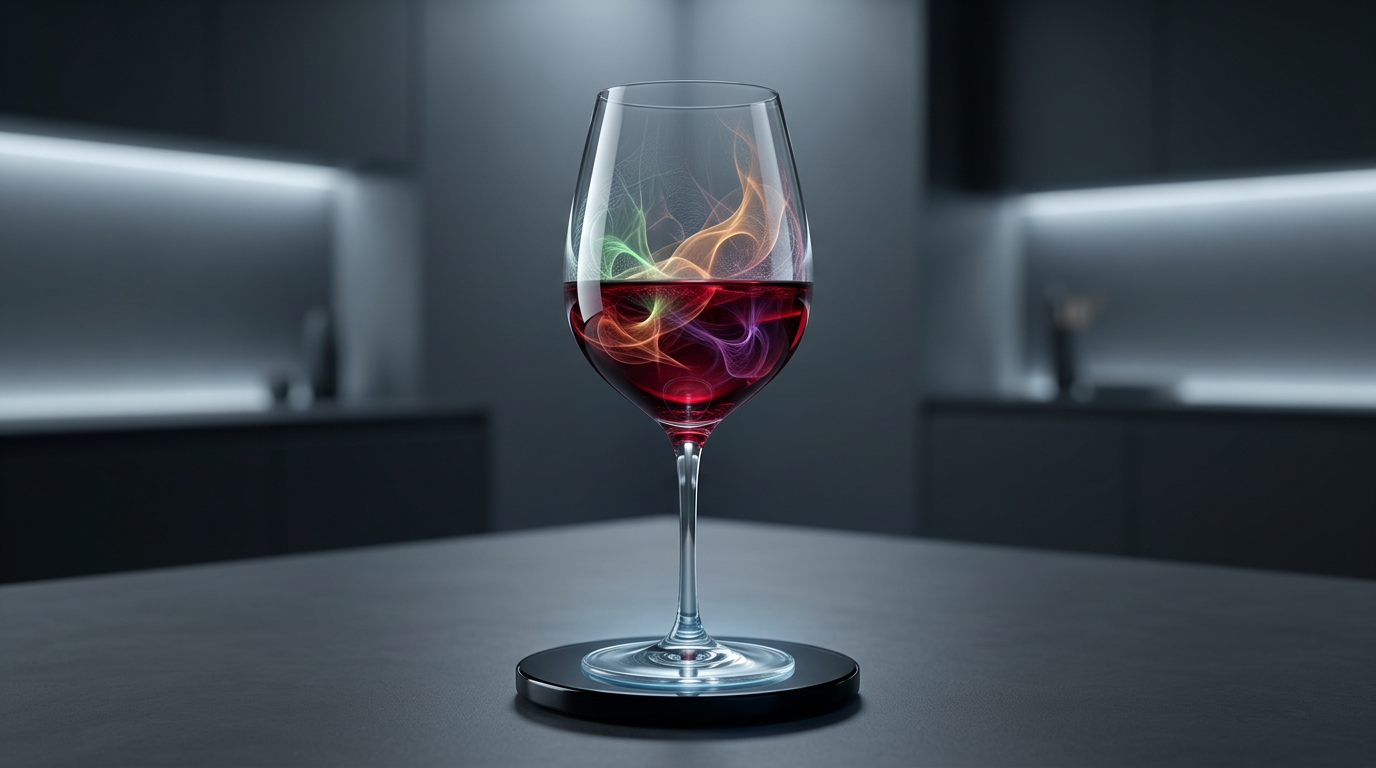
Wine In-Glass Evolution: Deconstructing The Vinous Metamorphosis (2026)
The journey of a fine wine doesn't end when it leaves the bottle; instead, a fascinating wine in-glass evolution begins. This dynamic process, often overlooked, profoundly impacts its aroma, flavor, and texture, transforming your tasting experience from the first pour to the last drop. In 2026, understanding this metamorphosis is key to unlocking the full potential of every bottle, guiding enthusiasts through a deeper appreciation of wine's complexities and ensuring the finest tasting experience possible.
The Science Behind Wine In-Glass Evolution
Once wine is exposed to air, a complex interplay of chemical reactions starts. Oxygen, the primary catalyst, interacts with various compounds within the wine, including phenols, esters, and alcohols. This interaction is not merely oxidation, but a controlled process of transformation that can enhance desirable characteristics or, if unchecked, lead to spoilage.
The surface area of wine exposed to air, the ambient temperature, and even the shape of the glass itself all play critical roles in dictating the pace and nature of this evolution. Understanding these fundamental scientific principles allows us to better predict and manage the changes we observe during the wine in-glass evolution process.

Oxygen's Role: Friend or Foe?
Oxygen's influence on wine is paradoxical. In small, controlled amounts, it acts as a 'friend,' softening tannins, releasing volatile aromatic compounds, and allowing the wine to 'open up.' This is particularly true for younger, more structured reds. Excessive exposure, however, can rapidly turn oxygen into a 'foe,' leading to acetaldehyde formation and the dreaded 'vinegar' notes.
Winemakers meticulously manage oxygen exposure during production, and the discerning drinker continues this careful management once the bottle is open. The precise balance is crucial for optimal wine expression.
Volatile Compounds and Aromatic Release
Wine contains thousands of volatile aromatic compounds responsible for its intricate bouquet. Upon contact with air, these compounds become more volatile, escaping the liquid phase and reaching our olfactory receptors. This is why a wine often smells different (and better) after a few minutes in the glass than immediately after pouring. Esters, terpenes, and pyrazines are among the key players in this aromatic release.
For more on the chemistry of wine, explore resources like Wikipedia's Wine Chemistry page, which details the fascinating chemical transformations that occur.
Optimizing Your Experience: Factors Influencing Wine's Transformation
While the wine in-glass evolution is inevitable, several factors within our control can significantly influence its trajectory. From the choice of glassware to the serving temperature, each detail contributes to how a wine develops and expresses itself. Mastering these elements is a hallmark of truly understanding and enjoying wine.
The Importance of Glassware
The shape and size of your wine glass are not merely aesthetic choices; they are fundamental to controlling aeration and concentrating aromas. A wider bowl allows for greater surface area exposure to air, encouraging faster evolution, while a narrower rim funnels aromatic compounds directly to the nose. Different varietals benefit from specific glass shapes designed to accentuate their unique characteristics, a trend widely recognized in 2026.
- Bordeaux Glass: Tall, broad bowl, ideal for full-bodied reds, allowing ample aeration to soften tannins.
- Burgundy Glass: Wider, balloon-shaped bowl, designed to capture delicate, complex aromas of Pinot Noir and Chardonnay.
- Universal Glass: A versatile option, offering a good balance for various wines, making it a staple for many enthusiasts.
Temperature and Its Impact
Temperature profoundly affects how quickly a wine evolves in the glass. Cooler temperatures slow down chemical reactions, preserving a wine's initial freshness and crispness, while warmer temperatures accelerate them. Serving wine at its optimal temperature ensures that its components are expressed harmoniously as it gradually warms and breathes.
A Cabernet Sauvignon served too cold will remain tight and tannic, masking its fruit; served too warm, it might quickly become flabby and alcohol-dominant. Finding the sweet spot allows for a graceful unfolding of character.
Sensory Changes: Tracking the Wine In-Glass Evolution
The most rewarding aspect of understanding wine in-glass evolution is observing the tangible sensory shifts. With each passing minute, a wine can reveal new layers of complexity, surprising even the most seasoned tasters. This journey from initial tightness to full expression is where much of the magic happens, transforming a simple drink into a profound experience.

Aroma Unfolding
Initially, many wines, especially younger ones, can present as 'closed' or 'tight,' offering subdued aromas. As oxygen interacts, primary fruit aromas often become more pronounced, followed by the emergence of secondary (yeast-derived) and tertiary (aging-derived) notes. Earthy undertones, savory spices, or delicate floral essences might bloom over time, creating a captivating aromatic profile that continuously evolves.
Flavor and Texture Transformation
On the palate, evolution often manifests as a softening of tannins in red wines, making them feel smoother and less astringent. Acidity might mellow slightly, leading to a more harmonious balance. Flavors that were initially muted can intensify and diversify, revealing hidden layers of fruit, spice, or mineral notes. The body of the wine can also become rounder and more integrated, contributing to a longer, more satisfying finish that lingers beautifully.
For expert guidance on sensory analysis, visit the Wine & Spirit Education Trust (WSET) website, a leading authority on wine education.
Decanting and Aeration: Accelerating Evolution
For wines that benefit from more aggressive aeration, decanting becomes an invaluable tool. While often associated with older wines to separate sediment, decanting's primary purpose for many wines is to rapidly introduce oxygen, thereby speeding up the wine in-glass evolution process. This technique is particularly useful for younger, bolder reds that require significant 'breathing time' to reveal their full character and potential.
Choosing When and How to Decant
Not all wines benefit from decanting. Delicate older wines, particularly those with complex tertiary aromas, might be overwhelmed by too much oxygen too quickly, causing them to dissipate. Younger, tannic reds (like many Cabernet Sauvignon, Syrah, or Nebbiolo from 2024-2025 vintages) are excellent candidates. The method of decanting—gently pouring or aggressively aerating—should also be tailored to the wine's specific needs and structure.
Aerators vs. Decanters
Modern wine tools offer alternatives to traditional decanters. Wine aerators, which rapidly introduce oxygen as the wine is poured through them, provide instant gratification. While effective for some wines, they don't offer the same gradual, controlled exposure that a decanter provides over a longer period. Both have their place in enhancing the drinking experience, depending on the wine and the desired speed of transformation.
Mastering the Art of Wine In-Glass Evolution
The true enjoyment of wine extends beyond simply uncorking a bottle; it lies in appreciating its dynamic journey. By understanding and embracing the wine in-glass evolution, enthusiasts can elevate their tasting experiences from casual sips to profound sensory explorations. This awareness transforms every pour into an opportunity for discovery and deeper connection with the craft, making each glass a unique event.
Practical Tips for Enthusiasts
- Taste Periodically: Don't just drink; taste the wine at 10-15 minute intervals to observe its changes in aroma, flavor, and texture.
- Experiment with Glassware: Notice how different glass shapes impact the same wine, enhancing or muting certain characteristics.
- Mind the Temperature: Serve wines at their optimal temperature and note how they evolve as they warm slightly in the glass.
- Don't Rush: Especially with structured reds, allow the wine ample time to open up in the glass and reveal its hidden depths.
- Take Notes: Document your observations of aroma, flavor, and texture over time to build your sensory memory and understand specific wines better.
The Future of Wine Appreciation in 2026
As the wine world continues to embrace scientific understanding and sensory exploration, the focus on wine in-glass evolution will only intensify. Advanced tools for micro-oxygenation, innovative glassware designs, and an ever-growing community of informed enthusiasts are shaping how we appreciate wine. This deeper dive into its character, from its origins to its final expression in the glass, ensures that the art of wine tasting remains vibrant and endlessly rewarding. The greatest wines are those that tell a story, and often, that story unfolds most beautifully right before our eyes, in the very vessel from which we drink.

Written by
Juniper Thorne is an experienced writer and educator with a deep passion for the world of wine. Bringing expertise in sensory analysis and wine culture to the Greatest Wine platform, Juniper helps readers explore and appreciate every nuance of wine.
Related Articles
The Vinous Arsenal: Essential Tools for Elevating Your Wine Experience in 2026
As we navigate May 2026, the world of wine continues to evolve, offering enthusiasts unprecedented tools. Discover the essential wine accessories for 2026 that will elevate your enjoyment, from innovative aerators to smart preservation systems. Upgrade your vinous arsenal today with Greatest Wine.
Juniper Thorne