The Art of the 'Vinous Gestalt': Understanding Wine as More Than the Sum of Its Parts in 2026
In 2026, understanding wine goes beyond simple tasting notes. The 'vinous gestalt' concept highlights that the true character and quality of wine are greater than its individual components. This holistic approach encourages enthusiasts to appreciate wine's full experience, rather than just its parts. Discover how this perspective elevates your wine journey.

The Art of the 'Vinous Gestalt': Understanding Wine as More Than the Sum of Its Parts in 2026
In the intricate world of wine, true appreciation transcends mere tasting notes. It delves into a holistic experience, often described as the vinous gestalt – a concept that posits the perceived quality and character of wine as greater than the sum of its individual components. This idea, more relevant than ever in 2026, encourages enthusiasts to consider not just the grape varietal or the vintage, but the entire narrative woven into each bottle: the terroir, the winemaker's philosophy, the cultural context, and even the sensory environment in which it's enjoyed. Understanding this profound interconnectedness is key to unlocking the true soul of wine.
For more insights into the intricate elements that create a wine's character, explore The Art of the 'Vinous Resonance': Exploring the Unseen Acoustic Terroir of Vineyards in 2026, which delves into the subtle influences of a vineyard's environment.
Deconstructing the Vinous Gestalt: Beyond the Basics
The term "gestalt" originates from psychology, meaning an organized whole that is perceived as more than the sum of its parts. Applied to wine, the vinous gestalt suggests that the acidity, tannins, fruit, alcohol, and aroma compounds, while individually crucial, combine to create an overarching, harmonious, and often elusive character. This character is what truly captivates and differentiates one wine from another.
Modern winemaking techniques and evolving consumer palates in 2026 constantly reshape our understanding of this concept. Winemakers are increasingly focusing on expressing terroir with minimal intervention, allowing the land's unique signature to shine through, contributing immensely to the wine's overall gestalt.
The Interplay of Terroir and Craftsmanship
- Terroir’s Influence: The soil, climate, topography, and surrounding biodiversity of a vineyard all contribute subtle nuances. These environmental factors impart specific characteristics that no amount of human intervention can fully replicate. For a deeper look into these cosmic connections, consider The Art of the 'Vinous Nebula': Deconstructing the Cosmic Influences on Terroir in 2026.
- Winemaker's Philosophy: From canopy management to fermentation temperatures and aging regimens, every decision made in the cellar profoundly shapes the final product. A skilled winemaker acts as a conductor, guiding these disparate elements towards a unified expression.
- Vintage Variation: Annual weather patterns dictate grape ripeness, acidity levels, and disease pressure. Each vintage offers a unique snapshot of a specific growing season, adding another layer to the wine's complex identity and its contribution to the vinous gestalt.
Sensory Analysis and the Vinous Gestalt in 2026
How do we perceive this holistic quality? Through meticulous sensory analysis. It's not just about identifying individual flavors like cherry or vanilla, but about how these flavors integrate and evolve on the palate. In 2026, advanced sensory science continues to refine our ability to break down and then reassemble these perceptions into a coherent whole.
Professional tasters often speak of "balance" and "harmony," concepts central to the vinous gestalt. A wine might possess exquisite fruit, but if its acidity is lacking, the gestalt breaks down. Similarly, an overly tannic wine without compensatory fruit will feel disjointed. The Cognitive Vintage of a wine is deeply tied to how we perceive its overall identity.
Techniques for Holistic Appreciation
- Structured Tasting Notes: Beyond simple descriptors, notes should capture the wine's evolution from attack to finish, noting how flavors blend and textures interact. This allows for a deeper comprehension of the wine's overall structure. Learn more about decoding complex flavor profiles in The Art of the Vinous Cipher: Decoding Hidden Messages in Wine Aromas for 2026.
- Comparative Tasting: Tasting wines side-by-side, especially those from the same grape but different regions or vintages, helps highlight the subtle differences that contribute to each wine's unique personality and gestalt.
- Mindful Drinking: Slowing down, focusing on each sip, and allowing thoughts and emotions to surface enhances the appreciation of the entire sensory experience. This conscious engagement fosters a stronger connection to the wine's inherent character.
Global Trends Shaping the Vinous Gestalt
The global wine landscape in 2026 is dynamic, with various trends impacting how we understand and appreciate the vinous gestalt. Sustainability, natural winemaking, and the rise of lesser-known varietals all contribute to new expressions of wine that challenge traditional perceptions.
Consumers are increasingly seeking authenticity and transparency, wanting to know the story behind the bottle. This desire for connection to the wine's origin and production methods inherently supports the gestalt concept, as it encourages a broader understanding beyond just what's in the glass.
Emerging Perspectives and their Impact
- Sustainability as a Core Value: Environmentally conscious practices often lead to healthier vineyards and more expressive fruit, directly influencing the wine's character and contributing to a more wholesome gestalt. For further reading, see this overview of sustainable winegrowing practices.
- Natural Wine Movement: While sometimes controversial, this movement emphasizes minimal intervention, allowing the raw expression of the grape and terroir to dominate, offering a vivid example of a distinct vinous gestalt.
- Focus on Indigenous Varietals: The rediscovery and promotion of unique regional grapes bring forth an astonishing array of new flavors and textures, expanding our appreciation for the diverse manifestations of wine's holistic character.
Elevating Your Experience: The Vinous Gestalt in Practice
For the everyday enthusiast, grasping the vinous gestalt transforms wine drinking from a simple beverage consumption into a profound cultural and sensory journey. It encourages a deeper engagement with every bottle, fostering a more informed and appreciative palate.
This understanding also plays a crucial role in effective wine and food pairing. It's not just about matching primary flavors; it's about finding that synergistic relationship where the wine and food together create a gestalt that elevates both components beyond their individual merits.
Practical Applications for Enthusiasts
- Thoughtful Pairing: Consider the entire profile of a wine – its acidity, body, fruit intensity, and tannins – when pairing with food. Aim for balance and synergy, allowing both elements to shine. This idea is further explored in The Art of the Vinous Synchronicity: Mastering Wine and Event Pairing for 2026's Unforgettable Moments.
- Exploring Regionality: Dive into wines from specific regions to understand how terroir dictates style. Compare a Chianti Classico to a California Sangiovese to appreciate the regional variations in the grape's expression.
- Cultivating Curiosity: Approach each bottle with an open mind, ready to uncover its unique story. Research the producer, the vineyard, and the vintage to enhance your understanding of the wine’s complete character. Check out Decanter's grape guides for more information on different varietals and their origins.
The Future of Wine Appreciation: Embracing the Vinous Gestalt
As we navigate 2026, the concept of the vinous gestalt remains a cornerstone for true wine appreciation. It reminds us that wine is a living, evolving entity, a complex tapestry woven from countless threads of nature, human ingenuity, and cultural heritage. Embracing this holistic perspective enriches the tasting experience, fosters a deeper connection to the agricultural origins of wine, and ultimately leads to a more profound and satisfying journey into the world of viticulture. The greatest wines are those that achieve a perfect gestalt, leaving an indelible impression that lingers long after the last sip.
Understanding these intricate relationships allows us to move beyond superficial judgments. It enables us to celebrate the nuanced stories each bottle tells, whether it's a centuries-old tradition being upheld or a contemporary innovation pushing boundaries. This pursuit of the authentic, integrated experience is what truly defines the art of wine in the modern era. For an example of how this holistic appreciation extends to a global scale, consider The Art of the 'Global Cellar': Curating a World-Class Wine Collection for the Modern Connoisseur in 2026.
For additional learning about wine aesthetics and experience, the Cornell University Food and Brand Lab offers valuable research.
Written by
Juniper Thorne is an experienced writer and educator with a deep passion for the world of wine. Bringing expertise in sensory analysis and wine culture to the Greatest Wine platform, Juniper helps readers explore and appreciate every nuance of wine.
Related Articles
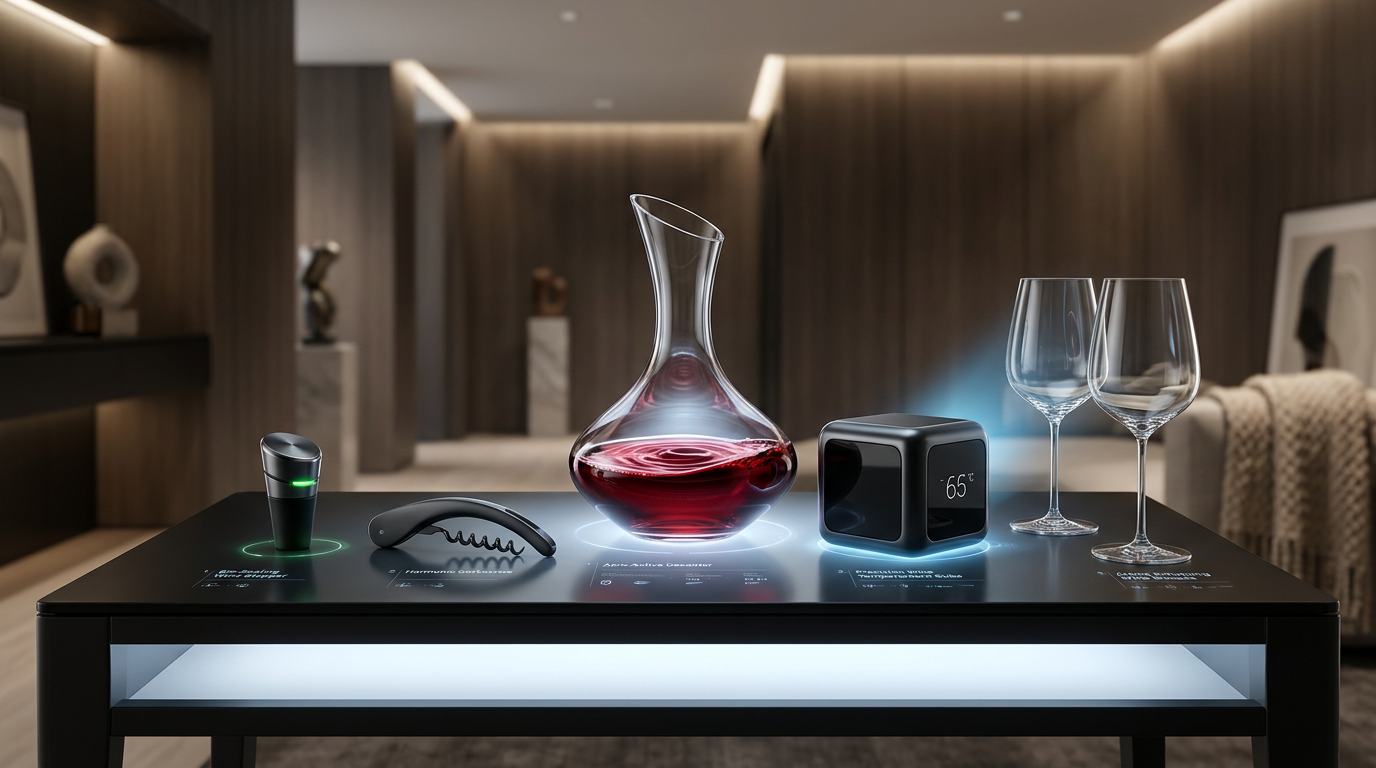
The Vinous Arsenal: Essential Tools for Elevating Your Wine Experience in 2026
As we navigate May 2026, the world of wine continues to evolve, offering enthusiasts unprecedented tools. Discover the essential wine accessories for 2026 that will elevate your enjoyment, from innovative aerators to smart preservation systems. Upgrade your vinous arsenal today with Greatest Wine.
Juniper Thorne