The Art of the 'Cognitive Vintage': Mastering the Psychology of Wine Expectation in 2026
Beyond objective chemical compounds, our minds profoundly influence how we taste and smell wine. This article delves into the intricate field of wine perception psychology, uncovering how expectations and cognitive biases shape our sensory experience, defining the 'cognitive vintage' in 2026.

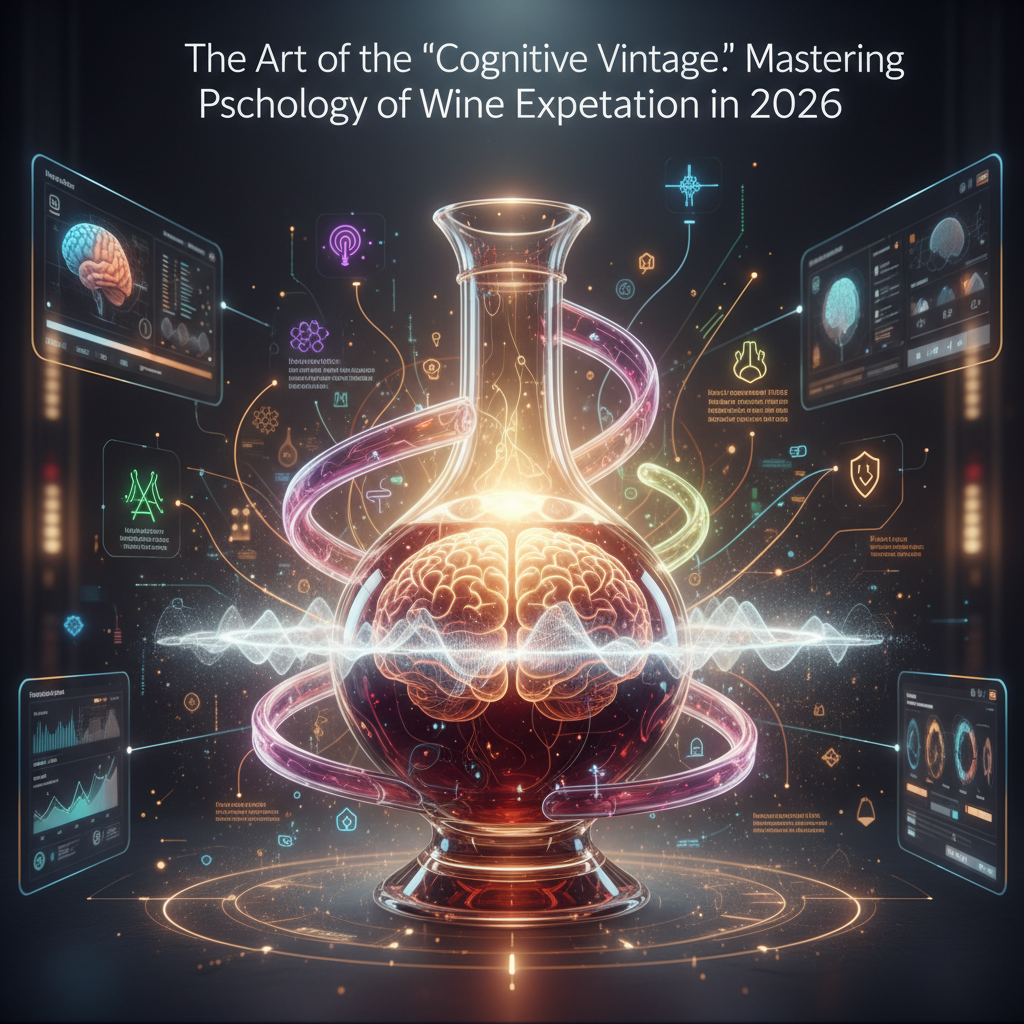
The Art of the 'Cognitive Vintage': Mastering the Wine Perception Psychology in 2026
The world of wine is replete with sensory experiences, from the vibrant hues in the glass to the complex aromas that tantalize the nose. However, beyond the objective chemical compounds, there's a fascinating layer of subjective experience at play – the wine perception psychology. This intricate field explores how our minds influence what we taste, smell, and even feel about a particular vintage. As we move through 2026, understanding these psychological underpinnings is more crucial than ever for both wine enthusiasts and industry professionals looking to truly master the art of wine appreciation and presentation.
Understanding the Foundations of Wine Perception Psychology
Our perception of wine is rarely a straightforward, objective assessment of its chemical composition. Instead, it's a dynamic interplay between our senses, expectations, memories, and even our social environment. This complex interaction shapes every sip and profoundly impacts our enjoyment and evaluation of wine.
The Role of Sensory Input and Cognition
While our taste buds detect sweet, sour, bitter, salty, and umami, and our olfactory receptors process thousands of aromatic compounds, it's our brain that integrates this information into a coherent perception. This integration is heavily influenced by cognitive processes. For example, the visual appearance of a wine can prime our expectations even before we smell or taste it.
Consider the color: a deep, rich red might suggest a full-bodied wine, while a paler hue could imply lightness. These pre-conceived notions demonstrably alter our actual sensory experience, a cornerstone of wine perception psychology.
Expectation Bias and Its Impact
One of the most powerful forces in wine perception psychology is expectation bias. What we expect to taste or experience often directly influences what we perceive. This can stem from a variety of sources, including bottle labels, price tags, reputation, or even the story behind the wine.
For instance, a wine presented as a "rare, aged Grand Cru" will likely elicit a different tasting experience than the exact same wine described as "an everyday table wine." This isn't just snobbery; it’s a measurable psychological effect where expectations literally reshape sensory input.
External Factors: How Presentation Shapes Our Sip
Beyond the liquid itself, numerous external factors contribute to the overall wine perception psychology. From the environment in which wine is consumed to the accessories used, every element plays a subtle yet significant role in how we judge its quality and enjoyability.
The Influence of Pricing and Branding
It's a well-documented phenomenon that a higher price tag often correlates with a more positive sensory experience, even for identical wines. This "price placebo effect" is a potent demonstration of how marketing and perceived value can override objective sensory data. Consumers often associate higher cost with higher quality, leading to a self-fulfilling prophecy of enjoyment. For further insights into consumer behavior, explore the Art of the 'Cognitive Corkscrew': Understanding Consumer Psychology in Wine Purchasing Decisions for 2026.
- Label Design: Elegant, minimalistic labels often suggest sophistication and quality. Understanding this aspect can be further explored in The Art of the 'Cognitive Cork': Navigating the Psychology of Wine Label Design in 2026.
- Brand Story: A compelling narrative about the vineyard or winemaker can enhance perceived value.
- Limited Editions: Rarity can increase perceived desirability and taste satisfaction.
Glassware, Temperature, and Decanting Effects
The choice of glassware, serving temperature, and whether a wine has been decanted are not merely aesthetic choices; they are critical elements impacting sensory perception. A thin-rimmed, varietal-specific glass designed to concentrate aromas will genuinely enhance the olfactory experience, making the wine *smell* better. Similarly, serving a red wine too warm or a white wine too cold can mute its flavors and aromas, leading to a less favorable perception.
Decanting, particularly for older wines or those with sediment, can soften tannins and allow complex aromas to develop, fundamentally altering the perceived character of the wine. These physical preparations are integral to optimizing the subjective experience, directly relating to wine perception psychology. Insights into the rituals surrounding presentation can be found in The Art of the 'Cognitive Corkscrew': Deconstructing the Psychological Rituals of Opening and Serving Wine in 2026.
The Social and Emotional Dimensions of Wine Enjoyment
Wine is often a social beverage, and the context in which it is consumed profoundly impacts our psychological response to it. Our emotions and social surroundings can literally change how a wine tastes.
The Impact of Mood and Environment
Think about a delightful glass of sparkling wine enjoyed at a lively celebration versus the same wine consumed alone on a somber day. The social setting, the company, and our own emotional state are powerful modulators of perception. A good mood can enhance the perceived sweetness and fruitiness of a wine, while stress or sadness might make it taste harsher or less enjoyable. This emotional overlay is a key component of wine perception psychology.
Environmental factors like lighting, music, and even the cleanliness of the tasting space can also subtly influence our overall assessment. A pleasant ambiance contributes to a positive emotional state, thus enhancing the entire wine experience.
Shared Experience and Group Influence
When tasting wine with others, our perceptions can be swayed by group dynamics. Opinions expressed by others, especially those perceived as experts or confident, can influence our own judgment. This social conformity effect is evident in professional tastings as well as casual gatherings.
- Expert Opinion: A sommelier's recommendation can elevate a wine's perceived quality.
- Peer Pressure: The desire to agree with friends can subtly alter individual perceptions.
- Shared Enjoyment: The collective positive experience enhances individual pleasure.
Mastering Your Wine Perception in 2026
For any wine enthusiast in 2026, understanding these psychological principles offers a unique pathway to deeper appreciation. It's not about tricking yourself, but rather about being aware of how your mind works and using that knowledge to enhance your wine journey.
Cultivating Mindful Tasting Habits
To truly appreciate wine, practice mindful tasting. This involves slowing down, engaging all your senses, and attempting to separate objective sensory input from subjective expectations. Ask yourself:
- What do I truly taste and smell, independent of the label or price?
- Am I being influenced by the setting or company?
- How does my mood affect this experience?
This self-awareness is fundamental to navigating the complexities of wine perception psychology and forming your own authentic opinions. Cultivating mindfulness through wine can be further explored in The Art of Vinous Contemplation: Cultivating Mindfulness Through Wine in 2026.
Leveraging Knowledge to Enhance Enjoyment
Knowledge is power, especially in the realm of wine. Learning about different varietals, regions, winemaking techniques, and proper serving protocols empowers you to set realistic expectations and make informed choices. When you understand why a particular wine tastes a certain way due to its terroir or production method, your appreciation deepens, and your subjective experience is enriched.
For instance, knowing that a Cabernet Sauvignon from Bordeaux is likely to be tannic and require aging helps you approach it with the right mindset, rather than being disappointed by its initial austere character. This informed expectation management is a sophisticated application of wine perception psychology.
The Future of Wine and Psychological Insights
As we advance deeper into the 21st century, the wine industry is increasingly recognizing the importance of psychological insights. From marketing strategies to tasting experiences, understanding the human mind's interaction with wine is paramount. Data analytics in 2026 is providing unprecedented insights into consumer preferences, further highlighting the subjective nature of enjoyment.
The integration of neuroscience and sensory science is continually revealing new dimensions of wine perception psychology, offering exciting possibilities for truly personalized wine experiences. The future will likely see even more bespoke recommendations and presentations tailored to individual psychological profiles, moving beyond simple taste preferences to encompass a holistic understanding of how each person perceives and enjoys wine. For academic perspectives on sensory perception and wine, consider resources like the Nature Portfolio's Sensory Perception in Wine Science. Additional research on the cognitive aspects of taste can be found at institutions like the Monell Chemical Senses Center.
Ultimately, a deep dive into the world of wine requires us to look beyond the bottle and into the mind. By understanding the intricate dance of senses, expectations, and emotions, we unlock a richer, more profound appreciation for every sip. The art of the 'cognitive vintage' is truly about mastering our own perception, a skill that elevates every wine experience. Exploring the broader scientific context of cognitive function might also offer valuable perspectives, as outlined by organizations like the Society for Neuroscience's BrainFacts.org.
Written by
Juniper Thorne is an experienced writer and educator with a deep passion for the world of wine. Bringing expertise in sensory analysis and wine culture to the Greatest Wine platform, Juniper helps readers explore and appreciate every nuance of wine.
Related Articles
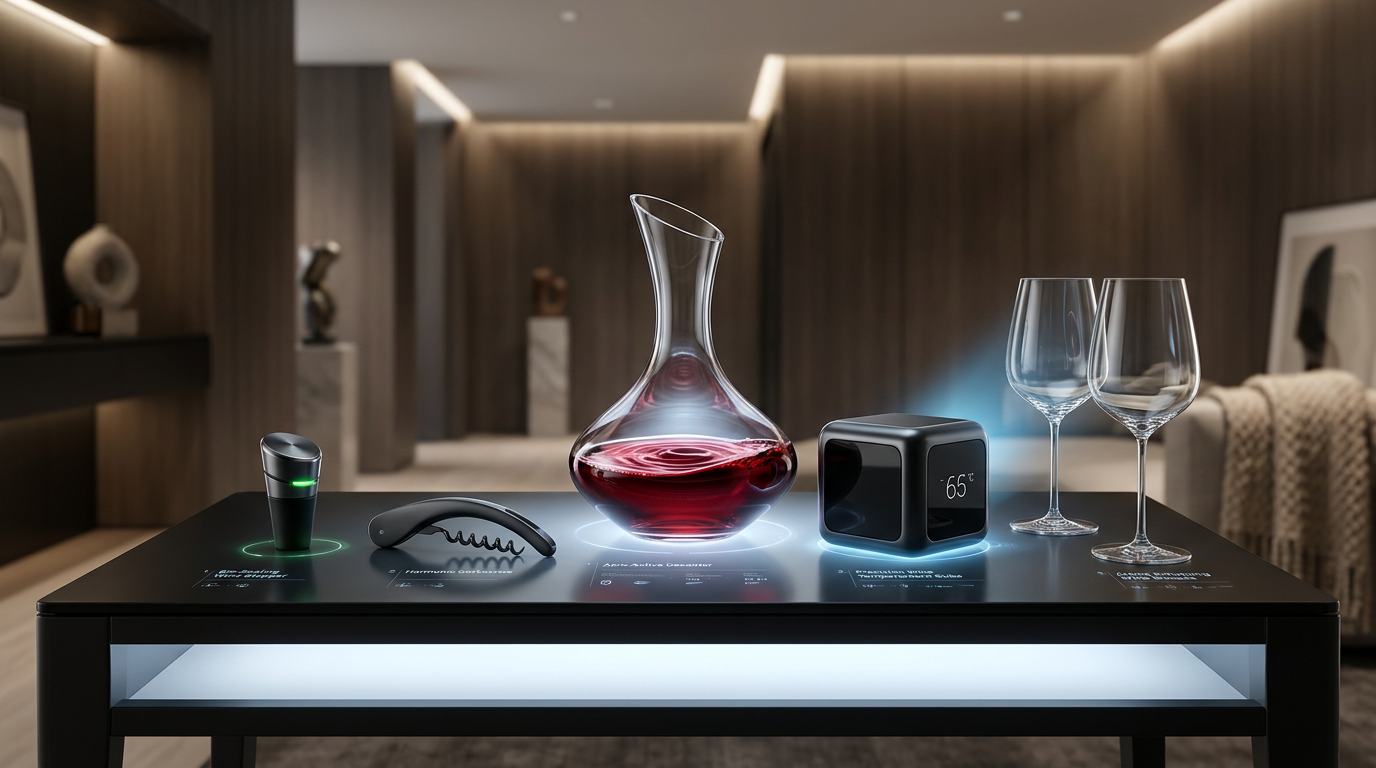
The Vinous Arsenal: Essential Tools for Elevating Your Wine Experience in 2026
As we navigate May 2026, the world of wine continues to evolve, offering enthusiasts unprecedented tools. Discover the essential wine accessories for 2026 that will elevate your enjoyment, from innovative aerators to smart preservation systems. Upgrade your vinous arsenal today with Greatest Wine.
Juniper Thorne