The Art of the 'Cognitive Blend': How Our Brains Harmonize Wine Flavors in 2026
The world of wine is evolving, with a new focus on how our brains process and interpret flavor. This journey into sensory neuroscience reveals the profound impact of the 'cognitive blend' wine experience. In 2026, understanding this cognitive blend is crucial for appreciating wine on a deeper level, as it encompasses more than just taste – it's about the intricate interplay of senses, memories, and expectations that shape our perception of each sip. Discover how your brain creates this unique harmony and elevate your wine journey.

The Art of the 'Cognitive Blend': How Our Brains Harmonize Wine Flavors in 2026
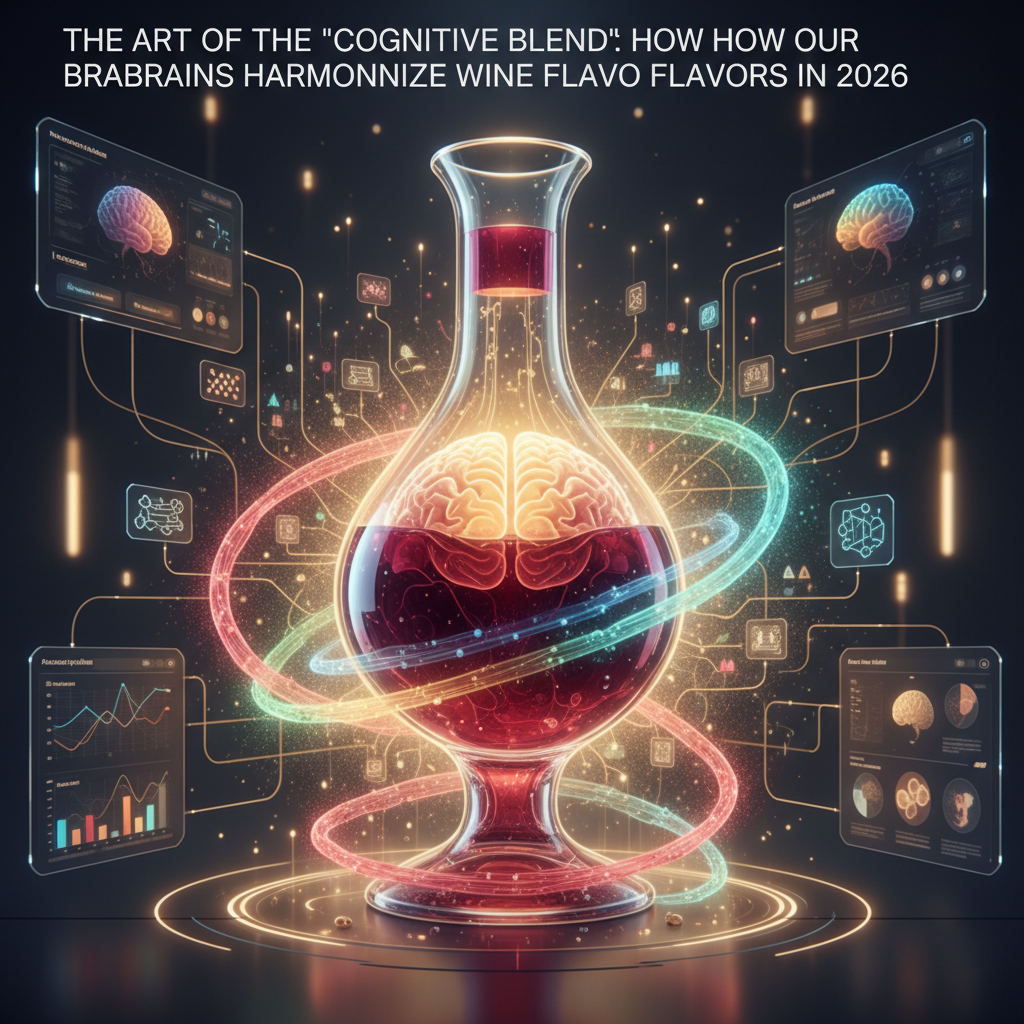
The world of wine is experiencing a fascinating evolution, moving beyond simple tasting notes to explore the intricate ways our brains process and interpret flavor. This journey into sensory neuroscience reveals the profound impact of what we call the cognitive blend wine experience. In 2026, understanding this cognitive blend is crucial for appreciating wine on a deeper level, as it encompasses all the sensory inputs, memories, and expectations that converge to create our unique perception of a wine's character. It's not just about what's in the glass, but what's in our minds when we taste it. For sommeliers, mastering this understanding is becoming increasingly vital to cultivate intuition and predictive palate for 2026's unseen vintages.
The Neuroscience Behind the Cognitive Blend Wine Experience
Our perception of wine is far more complex than just the taste buds on our tongue. It involves a symphony of senses orchestrated by the brain. When we engage with a glass of wine, our olfactory system, visual cues, tactile sensations, and even our auditory perception contribute to the overall experience. The brain rapidly integrates all these signals to form a coherent and often emotionally charged impression. This complex interplay is why we're seeing more exploration into topics such as decoding your unique genetic blueprint for wine appreciation in 2026.
Scientists in 2026 continue to uncover the neural pathways involved in flavor perception. Studies using fMRI and other brain imaging techniques show that distinct areas of the brain light up when we smell, see, and taste wine. These areas work in concert to create the rich tapestry of flavors we associate with a particular vintage or varietal. The concept of cognitive blend wine refers to this holistic, brain-driven integration process.
The Role of Olfaction in Flavor Perception
While often underestimated, smell is arguably the most critical component of flavor perception. Your nose can detect thousands of different aromatic compounds, many of which are present in wine. These volatile molecules travel through your nasal passages to your olfactory bulb, which then transmits signals to areas of the brain responsible for memory and emotion.
- Retronasal Olfaction: This occurs when aromas from the wine, once it's in your mouth, travel up the back of your throat to your nasal cavity. This is where most of our "flavor" perception actually happens, distinguishing it from basic tastes like sweet or sour.
- Anterograde Olfaction: The initial sniff of a wine before it touches your lips provides crucial information, setting expectations and priming your brain for the subsequent taste experience.
Visual Cues and Expectations
The appearance of wine, from its color and clarity to its viscosity, plays a significant role in shaping our expectations. A deep ruby red might suggest rich red fruit flavors, while a pale straw yellow could imply citrus notes. These visual inputs activate areas of the brain associated with expectation and reward, influencing our subsequent taste perception. Research clearly shows that even experienced tasters can be influenced by color, sometimes misidentifying a white wine dyed red as a red wine. This phenomenon underscores the importance of visual elements, as explored in discussions around the psychological impact of wine packaging on perception in 2026.
Beyond Flavor: The Wider Cognitive Blend Wine Ecosystem
The cognitive blend extends beyond the immediate sensory input. It encompasses our memories, cultural background, and even the social context in which we enjoy wine. In 2026, the rise of personalized wine recommendations and AI-driven tasting experiences highlights the growing understanding that wine appreciation is a deeply personal and subjective journey, heavily influenced by individual cognitive blends. This also ties into how modern winemaking is weaving indigenous traditions with modern techniques to create unique sensory experiences.
Memory and Experience
Every wine you taste adds to your internal library of sensory experiences. When you encounter a new wine, your brain unconsciously references these memories, making associations and comparisons. A particular aroma might transport you back to a specific moment or a cherished memory, enriching the drinking experience. This interplay of memory and present sensation is a core component of the cognitive blend wine phenomenon.
For example, the smell of oak in a Chardonnay might remind you of a cozy evening by a fireplace, adding a layer of warmth and comfort to the wine's profile. These associative memories are powerful drivers of our overall enjoyment and preference.
The Impact of Context and Environment
Where and with whom you drink wine significantly influences its perceived quality and flavor. A wine tasted in a romantic setting with loved ones often tastes better than the same wine consumed alone in a sterile environment. The emotional state, the company, the food served alongside, and even the music playing can all contribute to the overarching cognitive blend.
- Social Influence: Sharing wine with others can amplify positive emotions and perceptions, as social bonding enhances pleasure centers in the brain.
- Atmosphere: Lighting, music, and general ambiance can set the mood, impacting how open we are to appreciating complex flavors and aromas. Research into how music and sound influence wine perception is gaining significant traction in 2026.
Cultivating Your Cognitive Blend for Enhanced Appreciation
Understanding the cognitive blend isn't merely academic; it's a practical tool for deepening your wine appreciation. By consciously engaging with all your senses and reflecting on your experiences, you can refine your palate and unlock new dimensions of flavor. In 2026, many wine education programs are incorporating principles of cognitive science to help enthusiasts become more discerning tasters. This approach mirrors the growing interest in understanding how sensory expectation shapes wine appreciation.
Mindful Tasting for a Richer Experience
Mindfulness is key to truly engaging with the cognitive blend wine. Instead of rushing through a tasting, take your time. Observe the wine's appearance, swirl it gently to release aromas, inhale deeply, and then take a small sip, allowing it to coat your palate. Pay attention to the subtle shifts in flavor and texture as the wine evolves in your mouth.
Ask yourself questions:
- What colors do you see?
- What aromas do you detect before and after swirling?
- What sensations do you feel on your palate (acidity, tannins, sweetness, body)?
- What flavors emerge, and do they change over time?
- What memories or emotions does the wine evoke?
Expanding Your Sensory Vocabulary
The more specific your vocabulary, the better you can articulate and thus refine your cognitive blend. Instead of just "fruity," try to identify specific fruits (cherry, blackberry, citrus). Learn to distinguish between different types of oak aging (vanilla, toast, cedar) or earthy notes (mushroom, forest floor). Tools like wine aroma kits can be invaluable in training your nose to recognize a wider range of scents. For further exploration, resources like the Wine Folly's guide on how to taste wine properly offer excellent practical advice.
The Future of Cognitive Blend Wine Research
As we look to the mid-2020s and beyond, research into the cognitive blend of wine promises even more exciting discoveries. Advances in neurogastronomy are shedding light on how individual genetic differences affect our perception of taste and smell. This could lead to hyper-personalized wine recommendations tailored to an individual's unique sensory profile, ushering in an era of hyper-personalized wine experiences with AI in 2026.
Furthermore, the integration of artificial intelligence and machine learning is poised to revolutionize how we understand flavor. AI models are being developed to analyze vast datasets of consumer preferences and sensory evaluations, potentially predicting desirable flavor combinations and even designing new wine styles optimized for specific cognitive blends. For a deeper dive into the science, the academic journal Flavour often publishes cutting-edge research in this area. The journey into the depths of wine exploration is truly just beginning, with the human mind as its most fascinating frontier.
Written by
Juniper Thorne is an experienced writer and educator with a deep passion for the world of wine. Bringing expertise in sensory analysis and wine culture to the Greatest Wine platform, Juniper helps readers explore and appreciate every nuance of wine.
Related Articles
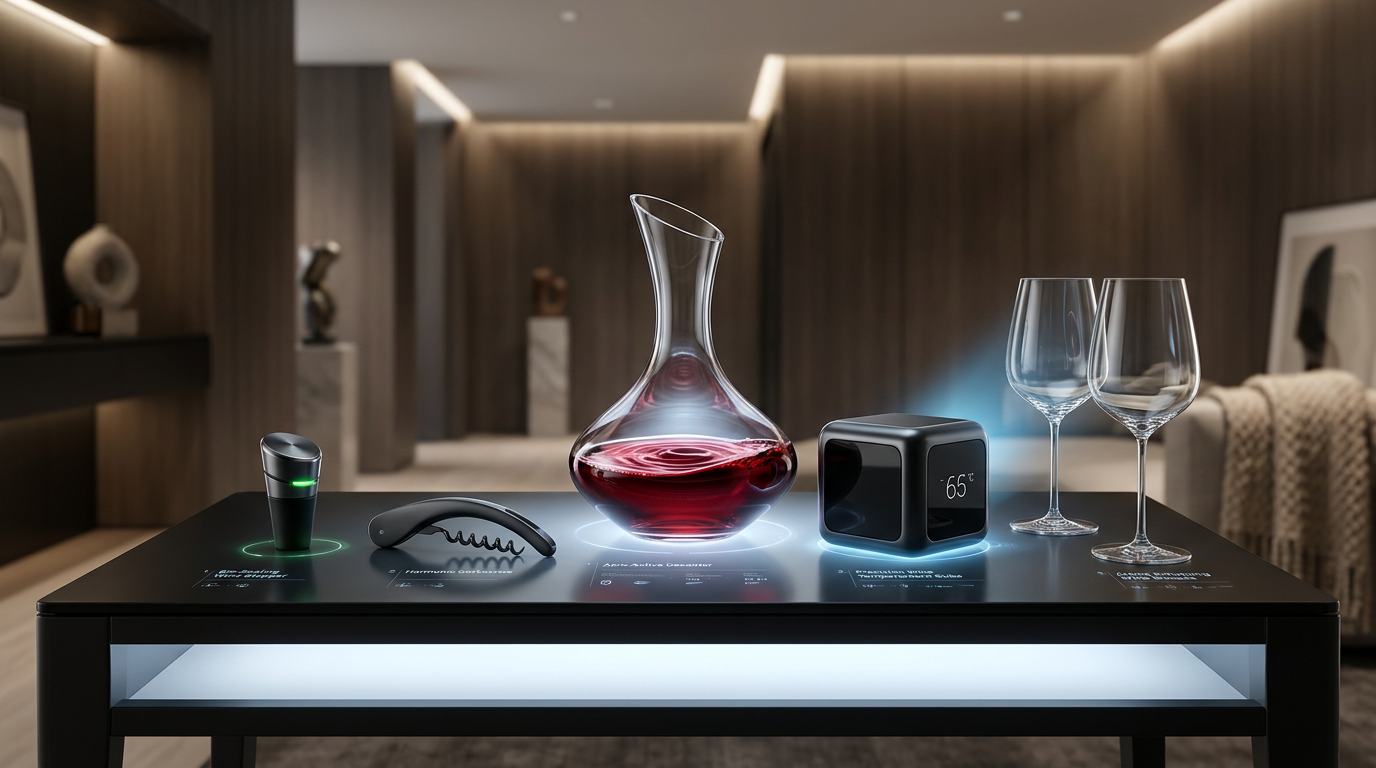
The Vinous Arsenal: Essential Tools for Elevating Your Wine Experience in 2026
As we navigate May 2026, the world of wine continues to evolve, offering enthusiasts unprecedented tools. Discover the essential wine accessories for 2026 that will elevate your enjoyment, from innovative aerators to smart preservation systems. Upgrade your vinous arsenal today with Greatest Wine.
Juniper Thorne