The Art of the Sommelier's Sixth Sense: Cultivating Intuition and Predictive Palate for 2026's Unseen Vintages
In the intricate world of wine, where tradition meets innovation, the concept of sommelier intuition stands as a testament to the profound connection between human expertise and the liquid artistry of the vine. It’s more than just memorizing tasting notes or identifying grape varietals; it’s an almost mystical ability to anticipate the nuances of a wine before it's even bottled. For 2026, cultivating this 'sixth sense' is crucial for staying ahead in the ever-evolving wine landscape, allowing sommeliers to expertly guide patrons through future releases and discover hidden gems. This article explores how to hone this invaluable skill.

Sommelier Intuition: Predicting Vintages in 2026
In the intricate world of wine, where tradition meets innovation, the concept of sommelier intuition stands as a testament to the profound connection between human expertise and the liquid artistry of the vine. It’s more than just memorizing tasting notes or identifying grape varietals; it’s an almost mystical ability to anticipate, understand, and even predict the nuances of a wine. For 2026, as new vintages emerge, cultivating this sixth sense is more crucial than ever for both professional sommeliers and discerning enthusiasts. This article delves into how this invaluable skill is honed and applied in the ever-evolving landscape of global wine.
Understanding the Genesis of Sommelier Intuition
What exactly is this elusive quality we call sommelier intuition? Essentially, it's a confluence of experience, deep knowledge, sensory memory, and subconscious pattern recognition. This allows a sommelier to make insightful deductions about a wine with remarkable accuracy. Indeed, this isn't guesswork; it's an informed, instinctual response built on years of dedicated study and palate training. For a deeper dive into how our brains process these decisions, explore The Art of the 'Cognitive Blend': How Our Brains Harmonize Wine Flavors in 2026.
The journey to developing such intuition begins long before one steps onto the restaurant floor. It requires a relentless pursuit of knowledge, a willingness to explore diverse wines from every corner of the globe, and an unwavering commitment to sensory exploration. Developing strong sommelier intuition is key to success.
The Role of Sensory Memory in Developing Intuition
A cornerstone of sommelier intuition is a highly developed sensory memory. Every aroma, flavor profile, and textural sensation encountered is meticulously cataloged and stored. Over time, this mental library expands, allowing the sommelier to draw parallels, identify common threads, and recognize subtle anomalies in wines, even those tasted for the first time. Understanding individual sensory strengths can be further enhanced by exploring The Art of the Vinous Palate Print: Decoding Your Unique Genetic Blueprint for Wine Appreciation in 2026.
- Aroma Recall: The ability to instantly identify specific scents like cassis, cedar, violet, or petrichor.
- Flavor Association: Linking taste components (sweetness, acidity, bitterness, umami) with specific grape characteristics.
- Textural Recognition: Understanding how tannins, alcohol, and residual sugar contribute to a wine's mouthfeel.
Experience and Exposure: The Building Blocks
There is truly no shortcut to building expertise. Extensive exposure to a wide array of wines—from everyday table wines to rare and iconic bottles—is paramount. This includes tasting wines at various stages of their life cycle, from youthful vibrancy to mature complexity, which further hones sommelier intuition. To hone this skill, particularly regarding short-term aging, consider delving into The Art of the 'Vinous Micro-Moment': Crafting and Appreciating Intentional Short-Term Aging in 2026.
Furthermore, participation in structured tastings, blind assessments, and wine-related events accelerates this learning process. Each experience adds another layer to the sommelier's understanding, strengthening their predictive capabilities and refining their sommelier intuition.
Techniques for Cultivating a Predictive Palate in 2026
In 2026, with the wine world constantly innovating and climate patterns influencing vintages in new ways, a predictive palate is an invaluable asset. It allows for discerning choices, intelligent cellaring recommendations, and superior customer service. Cultivating this skill is an ongoing process that involves structured practices and continuous learning, all contributing to enhanced sommelier intuition.
Blind Tasting as a Foundation
Blind tasting is arguably the most effective training tool for strengthening sommelier intuition. By removing preconceived notions based on labels or price points, the taster is forced to rely solely on their senses and accumulated knowledge. This practice sharpens observational skills and reinforces the links between sensory cues and wine characteristics.
- Structured Approach: Follow a systematic process covering sight, smell, and taste.
- Detailed Note-Taking: Document observations meticulously, even when unsure.
- Comparative Analysis: Taste similar varietals side-by-side to highlight differences.
Understanding Terroir and Winemaking Philosophy
A deep understanding of terroir—the unique combination of soil, climate, and topography—is crucial. Knowing how different terroirs express themselves in the glass allows a sommelier to anticipate specific characteristics. Moreover, familiarity with different winemaking philosophies and techniques (e.g., natural wine, organic, biodynamic, oaked vs. unoaked) adds another layer to their predictive capabilities, enhancing their sommelier intuition. For further exploration of terroir's intricacies, consider The Art of the 'Ephemeral Terroir': Deconstructing the Unseen Forces Shaping 2026's Vintage Uniqueness.
As the industry sees an uptick in sustainable practices, understanding how these impact the final product becomes increasingly important for future predictions. A comprehensive guide to sustainable viticulture can be found on this Wine Folly page on Sustainable Viticulture.
Continuous Education and Market Awareness
The wine world is dynamic. New regions emerge, traditional ones evolve, and consumer preferences shift. Staying abreast of current trends, new vintages, and emerging producers is vital. This includes reading industry publications, attending masterclasses, and engaging with fellow professionals to broaden one's perspective and refine their sommelier intuition. Keeping up with industry news from reputable sources like Decanter provides invaluable insights.
The Practical Application of Sommelier Intuition in the Modern Wine Scene
Beyond theoretical understanding, sommelier intuition finds its true value in practical application. Whether it's guiding a guest, curating a wine list, or making strategic purchasing decisions, this sixth sense is constantly at play, demonstrating the power of developed sommelier intuition.
Elevating the Dining Experience
For diners, a sommelier's intuition can truly transform a meal. It's the ability to quickly grasp a guest's preferences, understand the nuances of the menu, and recommend a wine that perfectly complements their choices. This often leads to delightful and unexpected pairings, moving beyond simple rules towards an intuitive understanding of flavor harmonies. This psychological connection is further explored in The Art of the 'Cognitive Corkscrew': Understanding Consumer Psychology in Wine Purchasing Decisions for 2026.
Curating Dynamic Wine Lists
When building a wine list, sommelier intuition allows for the selection of wines that not only represent quality and value but also tell a compelling story. It’s about foreseeing which new releases will gain popularity, identifying undervalued gems, and ensuring a diverse yet harmonious selection. This caters to a broad range of palates and budgets. In 2026, with greater emphasis on authenticity and unique expressions, this becomes even more critical. Insights into navigating exclusive selections can be found in The Art of the Sommelier's Secret Handshake: Navigating the Opaque World of Private Wine Allocations in 2026.
Predicting Vintage Potential and Cellaring Advice
One of the most impressive facets of sommelier intuition is the ability to assess the long-term potential of a young wine. By quickly evaluating its structure, acidity, and tannic profile, a sommelier can offer educated predictions on how a wine will evolve over time. This provides valuable cellaring advice to collectors and enthusiasts, showcasing the depth of their sommelier intuition.
Beyond the Palate: The Holistic Nature of Wine Expertise
True wine expertise, and by extension, profound sommelier intuition, extends beyond mere tasting. It encompasses an appreciation for the entire journey of wine, from the vineyard to the glass. This holistic understanding enhances the ability to connect with wine on a deeper, more empathetic level.
Understanding Viticulture and Oenology
A sommelier with strong intuition often has a foundational understanding of viticulture (grape growing) and oenology (winemaking). Knowledge of challenges in the vineyard, such as extreme weather patterns or pest control, and choices made in the cellar, like yeast selection or cooperage, provides crucial context. This helps explain what one encounters in the glass, and consequently, this underlying knowledge system feeds the intuitive process. The Wine & Spirit Education Trust (WSET) offers extensive programs for deepening this knowledge, further enhancing sommelier intuition.
The Human Element: Storytelling and Passion
Ultimately, wine is about people—the growers, the winemakers, and those who share it. A sommelier's intuition isn't just about technical skill; it's about the passion and ability to convey the story behind each bottle. Sharing this narrative enriches the experience for others, fostering appreciation and connection. This empathetic connection further refines sommelier intuition, as understanding the human intent behind a wine can unlock deeper insights into its character.
In 2026, as global markets become more interconnected, sharing these stories responsibly and authentically strengthens the bond between producer, sommelier, and consumer. This also contributes to the development of robust sommelier intuition.
Conclusion: The Ever-Evolving Art of Sommelier Intuition
The journey to cultivating sommelier intuition is a lifelong pursuit, paved with countless tastings, continuous learning, and an unwavering curiosity. It's not a static skill but an ever-evolving art, honed through dedication and passion. As the wine world continues to innovate and present new challenges and delights, the sommelier's sixth sense remains an indispensable tool for navigating its complexities and unlocking its profound pleasures. In 2026 and beyond, those who master this intuitive understanding will continue to stand out, bringing unparalleled insight and enjoyment to every glass, thanks to their refined sommelier intuition.
Written by
Juniper Thorne is an experienced writer and educator with a deep passion for the world of wine. Bringing expertise in sensory analysis and wine culture to the Greatest Wine platform, Juniper helps readers explore and appreciate every nuance of wine.
Related Articles
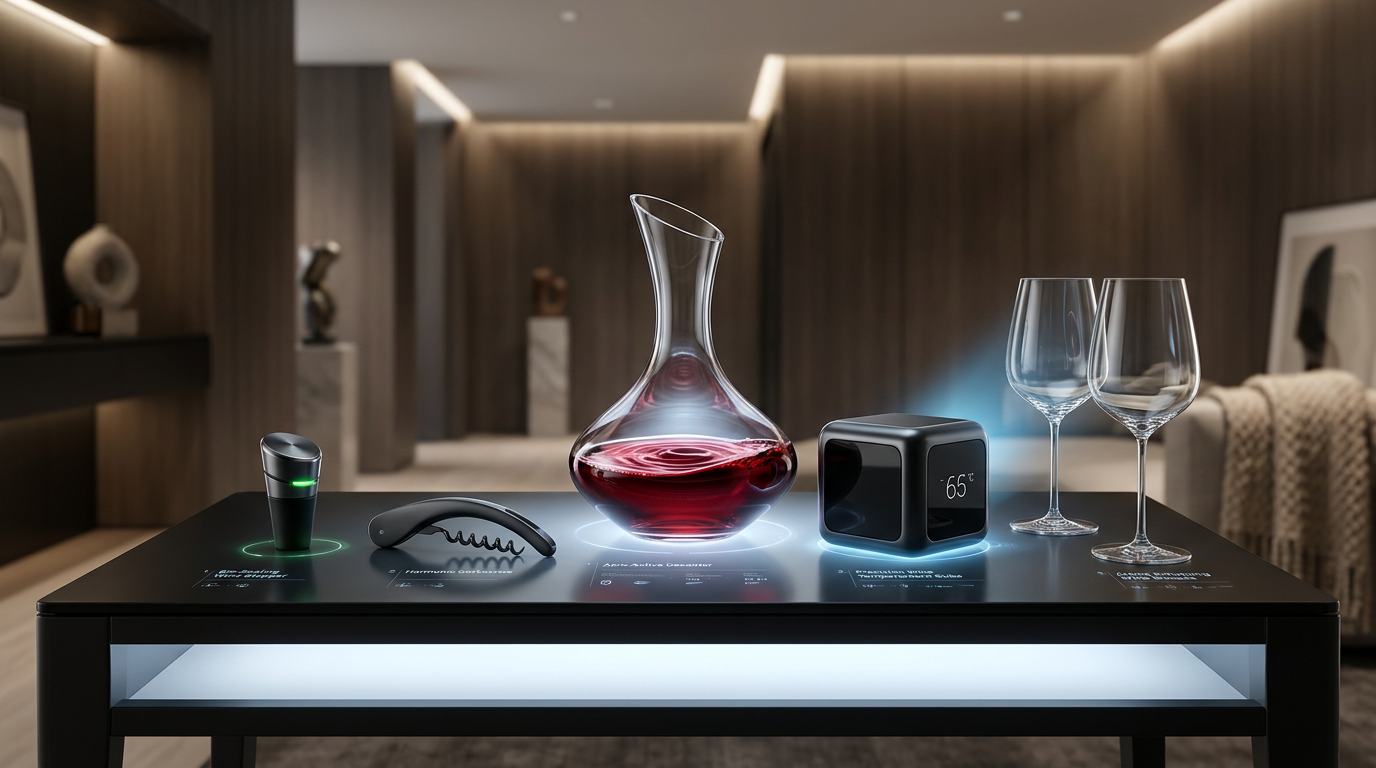
The Vinous Arsenal: Essential Tools for Elevating Your Wine Experience in 2026
As we navigate May 2026, the world of wine continues to evolve, offering enthusiasts unprecedented tools. Discover the essential wine accessories for 2026 that will elevate your enjoyment, from innovative aerators to smart preservation systems. Upgrade your vinous arsenal today with Greatest Wine.
Juniper Thorne