The Art of the 'Ephemeral Terroir': Deconstructing the Unseen Forces Shaping 2026's Vintage Uniqueness
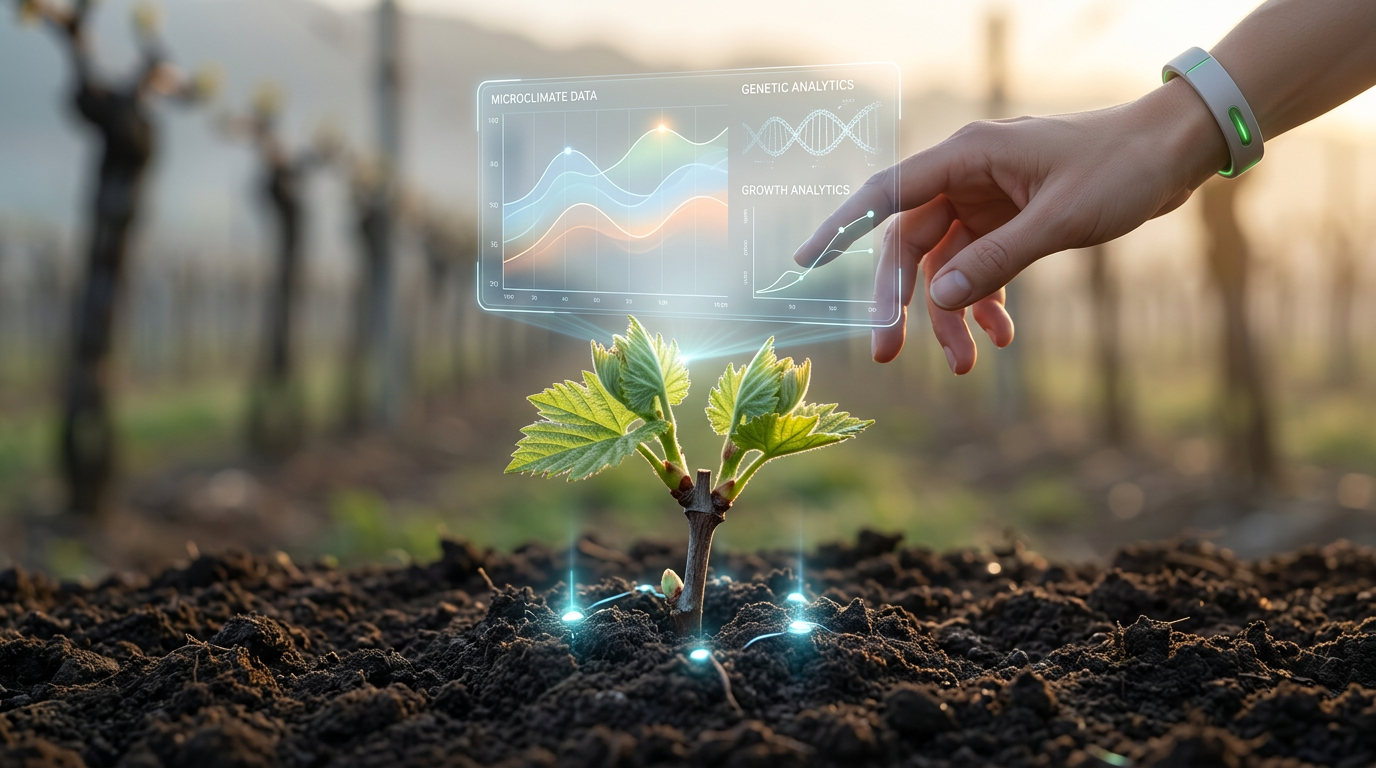
In 2026, the concept of 'ephemeral terroir' goes beyond traditional viticulture, impacting wine character. This article deconstructs the unseen, transient forces in soil, climate, and topography that define this year's vintage uniqueness. Understanding these fleeting elements is crucial for anticipating the intricate world of 2026's wines.

The Art of the 'Ephemeral Terroir': Deconstructing the Unseen Forces Shaping 2026's Vintage Uniqueness
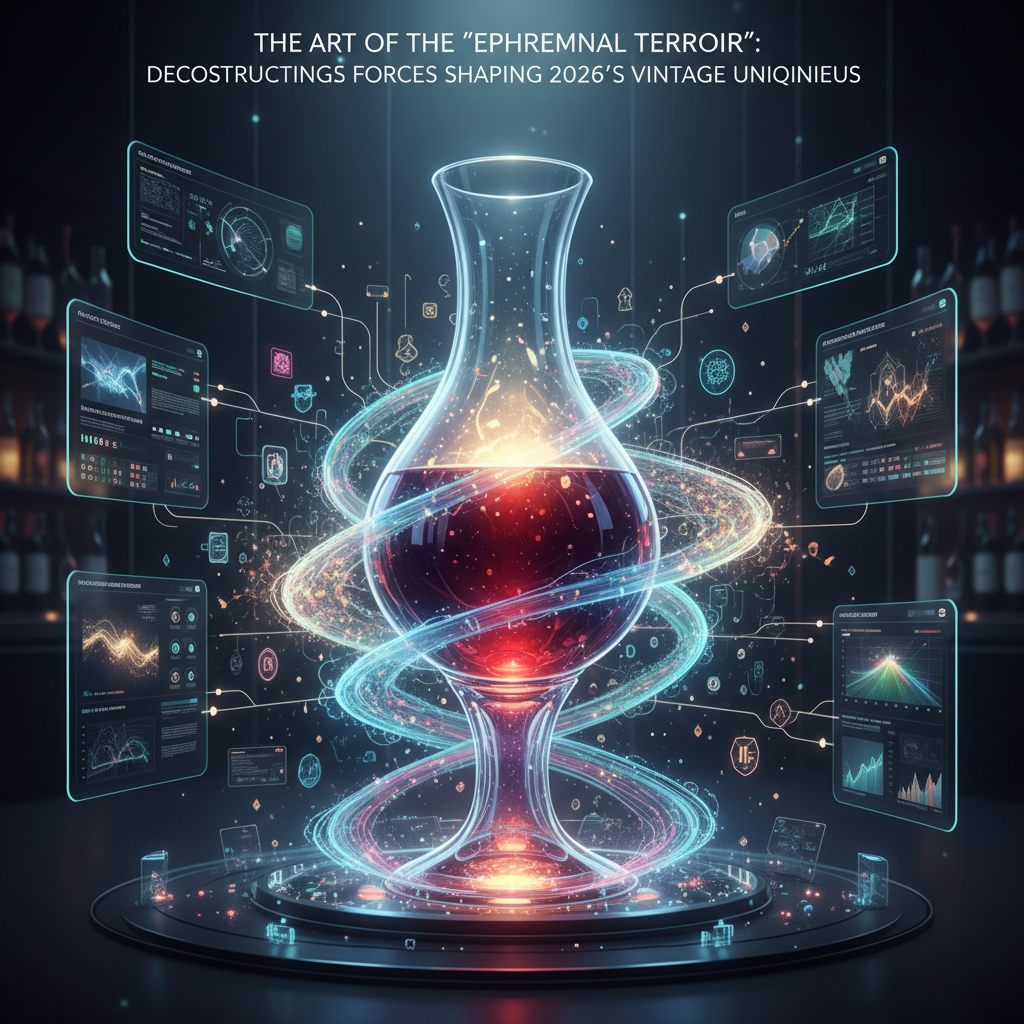
In the intricate world of viticulture, few concepts are as captivating and elusive as ephemeral terroir. This fascinating notion extends beyond the traditional understanding of soil, climate, and topography, delving into the fleeting, transient elements that profoundly influence a wine's character in a specific year. As we look at the 2026 vintage, understanding these subtle, often invisible forces becomes paramount for both winemakers and discerning enthusiasts. For instance, the whisper of the wind on a particular October afternoon, the unexpected burst of sunlight during veraison, or even the unique microbial symphony in the vineyard soil, all contribute to this profound uniqueness.
Understanding the Core Concept of Ephemeral Terroir
Traditionally, terroir refers to the sum of environmental factors affecting a crop's phenotype, including soil, climate, and topography. However, the concept of ephemeral terroir pushes this definition further. It emphasizes the short-lived, year-specific influences that contribute to a vintage's distinct personality. These are the aspects that cannot be bottled or replicated, thus making each year's harvest a unique expression of its time. For more on how environmental factors intertwine with deeper concepts, explore The Art of the 'Vinous Nebula': Deconstructing the Cosmic Influences on Terroir in 2026.
Winemakers around the globe are increasingly acknowledging these transient factors. Indeed, the very essence of a vintage's identity often lies in these yearly fluctuations. This makes the 2026 harvest a distinct narrative woven by temporary environmental threads. Essentially, it's about capturing the moment; a snapshot in time that defines the character of the wine, showcasing the true nature of ephemeral terroir.
Microclimates and Annual Variations Impacting Ephemeral Terroir
- Rainfall Patterns: Unpredictable shifts in precipitation during critical growth stages can dramatically alter grape development, affecting sugar concentration, acidity, and phenolic ripeness.
- Temperature Swings: Diel (day-night) temperature variations, especially during the ripening period, contribute to color development and the preservation of aromatic compounds.
- Hail and Frost Events: While disastrous, localized hail or frost can paradoxically lead to concentrated, intense fruit from surviving vines, adding a layer of complexity to the ephemeral terroir. For a deeper dive into historical weather impacts, review The Art of the 'Vinous Echo': Tracing the Enduring Influence of Historic Climate Shifts on 2026's Old Vine Wines.
These annual variations highlight how susceptible grapevines are to their immediate environment. Consequently, they create a singular flavor profile that connoisseurs seek to identify and understand year after year, a testament to the power of ephemeral terroir.
The Human Element: Crafting the Ephemeral Terroir
While often associated with natural phenomena, the human element plays a critical role in how ephemeral terroir is expressed in the final product. Winemakers are not merely passive recipients of nature's bounty; they are interpreters. They adapt their techniques to the unique challenges and opportunities presented by each vintage. This adaptive artistry is key to capturing the essence of the year 2026.
From vineyard management decisions to modern cellar techniques, every choice a winemaker makes in response to the specific conditions of a given year contributes to the wine's unique identity. Therefore, they act as custodians of the year's particular expression of ephemeral terroir.
Adaptive Viticulture in 2026
- Canopy Management: Winemakers adjust leaf cover to protect against excessive heat or maximize sun exposure based on the season's intensity.
- Harvest Timing: The crucial decision of when to pick the grapes, influenced by daily weather patterns and ripe phenolic development, is a hallmark of adapting to ephemeral terroir.
- Sustainable Practices: Growing trends in organic and biodynamic farming further emphasize a respectful interaction with the vineyard, allowing the natural fluctuations of the environment to shine through. Discover more about viticultural innovations in The Art of the Winemaker's 'Signature Soil': Cultivating Unique Terroir Through Advanced Soil Science in 2026.
These conscious decisions are what allow the transient characteristics of the vintage to be translated into the bottle. This showcases the delicate balance between nature and nurture, ultimately defining the ephemeral terroir.
Sensory Signatures of Ephemeral Terroir
For the wine enthusiast, identifying the sensory signatures of ephemeral terroir is a deeply rewarding experience. Because it’s about tasting the year itself, noting the distinct nuances that separate a 2026 from a 2025, even from the same vineyard. These subtle differences often form the basis of a vintage's reputation and collectibility.
Professional tasters and sommeliers possess a refined ability to discern these annual variations. Moreover, they often attribute specific characteristics to particular weather events or environmental conditions of that precise growing season. This appreciation for nuance elevates the wine-tasting experience, making each bottle a unique journey into ephemeral terroir.
Decoding Vintage-Specific Flavors
- Aromatic Profile: Was 2026 a year for brighter red fruit notes due to cooler nights, or did a warmer period encourage darker, jammy characteristics? Learn more about deciphering these complex notes in The Art of the Vinous Cipher: Decoding Hidden Messages in Wine Aromas for 2026.
- Texture and Tannins: The ripeness and structure of tannins can be heavily influenced by rainfall during veraison and harvest.
- Acidity and Freshness: The retention of acidity is often a direct result of cooler temperatures during the final ripening stages, contributing to a wine's vibrancy and aging potential.
- Mineral Nuances: While often attributed to soil, annual rainfall can affect nutrient uptake, subtly altering the perception of minerality.
These sensory fingerprints are what make each bottle a historical document. It's a taste of a specific moment in time and space, truly embodying the spirit of ephemeral terroir.
Collecting and Appreciating the Ephemeral Terroir of 2026
For collectors and enthusiasts, understanding and appreciating the ephemeral terroir of a vintage like 2026 adds immense depth to their passion. It transforms wine from a mere beverage into a historical artifact; a liquid memory of a particular growing season. This nuanced understanding fuels the excitement of wine futures and the anticipation of new releases.
Being able to identify and discuss the specific characteristics of a 2026 vintage, compared to its predecessors or successors, elevates the conversation and significantly enriches the tasting experience. It's about moving beyond simply 'liking' a wine to truly understanding its origins and development, a journey into the heart of ephemeral terroir.
Investment and Rarity Driven by Ephemeral Terroir
- Limited Availability: By its very definition, ephemeral terroir means that each vintage is a one-off. Extraordinary years, shaped by unique circumstances, often become highly sought-after.
- Aging Potential: Wines from outstanding vintages, particularly those with balanced acidity and structure influenced by favorable annual conditions, tend to age gracefully and command higher prices. Explore the science behind wine longevity at Wine Spectator: The Science of Wine Aging.
- Storytelling: Each bottle from a distinctive vintage tells a story of that particular year, often shared and cherished among fine wine collectors.
The pursuit of these unique vintage expressions highlights the beauty and complexity of wine. Indeed, every year presents a new chapter shaped by the invisible hand of transient environmental factors. The 2026 vintage is destined to write its own unique narrative in this ongoing saga of ephemeral terroir.
The Future of Ephemeral Terroir in a Changing Climate
As we move further into 2026 and beyond, the discussion around ephemeral terroir becomes even more critical in the face of ongoing climate shifts. Variable weather patterns, including more extreme events, are amplifying the year-to-year differences in vintages. Winemakers are constantly challenged to adapt, making their responses to these transient conditions increasingly central to the wine's identity.
The ability to mitigate the negative impacts of unpredictable weather while still allowing the positive aspects of the yearly environment to express themselves will define the success of future vintages. This adaptability is the new frontier of winemaking, central to mastering the inherent complexities of ephemeral terroir. For insights into global climate trends impacting agriculture, refer to the IPCC Sixth Assessment Report.
Challenges and Innovations for 2026 and Beyond
- Climate Resilience: Development of grape varieties more suited to fluctuating temperatures and water availability.
- Precision Viticulture: Using technology to monitor vineyard conditions in real-time, allowing for immediate and targeted interventions. For a look at the future of vineyard management, see The Art of the 'Vinous Heartbeat': Biometric Monitoring and Real-Time Insights for Optimal Vineyard Health in 2026.
- Experimental Winemaking: Exploring new techniques in the cellar to adapt to varied grape ripeness and composition caused by annual climatic shifts.
- Conservation: Focusing on soil health and biodiversity to build more resilient vineyards capable of expressing their unique yearly character amidst change.
Ultimately, the continuous engagement with and understanding of ephemeral terroir is essential for the wine industry. It encourages innovation, fosters appreciation for the delicate balance of nature, and ensures that each bottle we open continues to offer a truly unique and memorable experience, profoundly tied to the specific moment it was created.
Written by
Juniper Thorne is an experienced writer and educator with a deep passion for the world of wine. Bringing expertise in sensory analysis and wine culture to the Greatest Wine platform, Juniper helps readers explore and appreciate every nuance of wine.
Related Articles
The Cellar Architects: Mastering Elite Wine Preservation and Evolution in 2026
For the true connoisseur, wine is more than just a beverage; it's a living entity, an investment, and a passion. Mastering its preservation and evolution is an art form, especially in 2026 with new technologies and insights. Learn how to protect and enhance your cherished collection.
Juniper Thorne