The Art of the Vinous Cipher: Decoding Hidden Messages in Wine Aromas for 2026
Embarking on the journey of wine aroma decoding is akin to learning a secret language, unlocking hidden narratives woven into every sip. For dedicated wine enthusiasts and curious newcomers alike, understanding the intricate ballet of scents that dance from a glass is a pivotal step towards true appreciation. In 2026, with global palates becoming more refined and diverse, mastering this skill is more relevant than ever. This guide will help you decipher the vinous cipher, transforming your tasting experience from mere consumption to profound understanding.

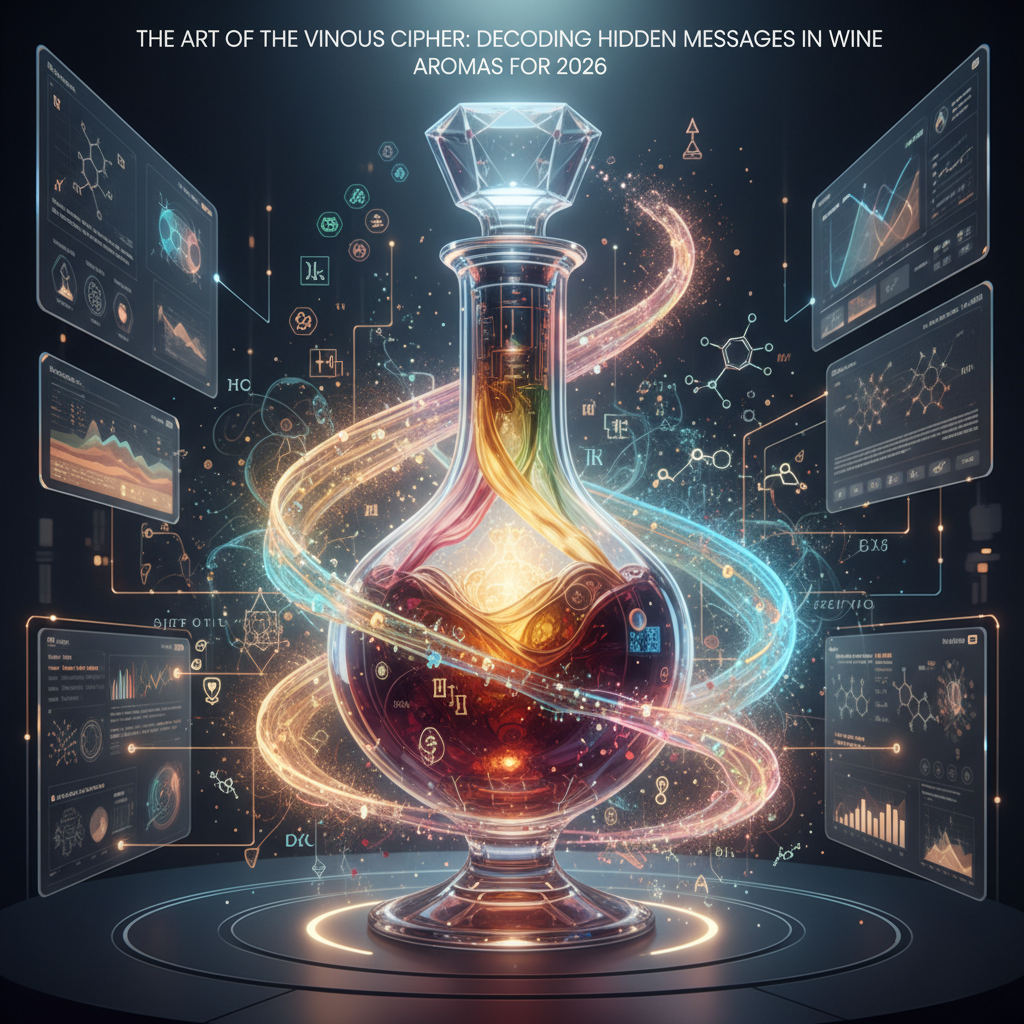
The Art of Wine Aroma Decoding: Mastering the Vinous Cipher for 2026
Embarking on the journey of wine aroma decoding is akin to learning a secret language, unlocking hidden narratives woven into every sip. For dedicated wine enthusiasts and curious newcomers alike, understanding the intricate ballet of scents that dance from a glass is a pivotal step towards true appreciation. In 2026, with global palates becoming more refined and diverse, the art of dissecting these aromatic compounds has never been more relevant or rewarding. This guide is designed to equip you with the knowledge and techniques to identify, interpret, and ultimately, savor the full spectrum of aromas that make each wine unique. For more insights into the psychological aspects of wine tasting, explore The Art of the 'Cognitive Vintage': Mastering the Psychology of Wine Expectation in 2026.
The Science Behind Wine Aroma Decoding
Before we delve into specific scents, it's crucial to grasp the scientific underpinning of wine aromas. These aren't just random smells; they are complex chemical compounds, primarily volatile organic compounds (VOCs), that interact with our olfactory receptors. The hundreds, sometimes thousands, of these compounds contribute to the wine's overall aromatic profile.
The science of wine aroma decoding involves understanding several key factors:
- Grape Varietal: Each grape naturally possesses a unique set of primary aromatic precursors.
- Terroir: The soil, climate, and topography influence the development of aromatic compounds in the grapes. Understanding The Art of the Winemaker's 'Signature Soil': Cultivating Unique Terroir Through Advanced Soil Science in 2026 can further enhance this appreciation.
- Fermentation: Yeast activity during fermentation creates secondary aromas, often described as yeasty, bready, or nutty.
- Aging: Whether in oak barrels or bottles, aging processes introduce tertiary aromas, such as vanilla, toast, leather, or earthy notes.
The interplay of these elements creates the rich tapestry of scents we encounter. Mastering wine aroma decoding means recognizing these influences.
Unlocking Primary, Secondary, and Tertiary Aromas
Primary Aromas: Grapes' Gift
Primary aromas originate directly from the grape varietal itself. These are often fruit, floral, or herbal notes. Think of the intense blackcurrant in Cabernet Sauvignon, the lychee in Gewürztraminer, or the green pepper in Sauvignon Blanc. These tell-tale signs are fundamental to wine aroma decoding.
- Examples include:
- Citrus (lemon, lime, grapefruit)
- Tree fruits (apple, pear, peach, apricot)
- Berries (strawberry, raspberry, blackberry)
- Floral (rose, violet, honeysuckle)
- Herbal (mint, eucalyptus, grass)
Secondary Aromas: Fermentation's Footprint
These aromas develop during the fermentation process, often due to yeast interaction. Common examples include notes of butter (diacetyl), yogurt, bread, or beer. Malolactic fermentation, for instance, can soften acidity and impart creamy, buttery notes, particularly in Chardonnay, which is a crucial aspect of wine aroma decoding.
Tertiary Aromas: The Influence of Age and Maturation
Tertiary aromas emerge as wine ages, either in oak barrels or in the bottle. These are often complex and savory. Barrel aging can impart notes of vanilla, toast, smoke, and spice (cinnamon, clove). Bottle aging can lead to aromas of dried fruit, leather, tobacco, mushroom, or forest floor. These complex layers are what truly elevate the experience of wine aroma decoding in aged wines. Learn more about this transformation in The Art of the 'Vinous Metamorphosis': Witnessing Wine's Transformation in the Cellar (2026 Edition).
Tools and Techniques for Effective Wine Aroma Decoding
To truly master wine aroma decoding, a structured approach is essential. It's not just about sniffing; it's about observation, recognition, and memory. Here's how to sharpen your olfactory senses.
- The Right Glassware: A proper wine glass (e.g., a standard ISO tasting glass or a varietal-specific glass) is crucial. Its shape concentrates aromas towards the nose, making them easier to detect.
- Swirl Gently: Swirling the wine in the glass introduces oxygen, helping volatile aromatic compounds evaporate and become more accessible to your nose.
- Short, Deliberate Sniffs: Take several short sniffs rather than one long inhale. This prevents olfactory fatigue and allows your brain to register individual scents.
- Develop Your Aroma Memory: Actively smell common items around you – fruits, spices, flowers, earth. Build a mental library of smells to reference when wine aroma decoding.
- Wine Aroma Wheel: This invaluable tool categorizes common wine aromas from general to specific, helping you pinpoint scents even when they're subtle.
Consistency and practice are key to improving your wine aroma decoding skills. The more you taste and consciously analyze, the stronger your olfactory memory becomes.
Common Aromatic Descriptors in Wine
Understanding the vocabulary of wine aromas is as important as detecting the smells themselves. Here’s a breakdown of common categories you'll encounter during wine aroma decoding.
- Fruit:
- Red fruits (cherry, raspberry, strawberry, cranberry)
- Black fruits (blackberry, blackcurrant, plum)
- Citrus fruits (lemon, lime, grapefruit, orange zest)
- Stone fruits (peach, apricot, nectarine)
- Tropical fruits (pineapple, mango, passionfruit, lychee)
- Dried fruits (fig, raisin, prune, date)
- Floral:
- Rose, violet, honeysuckle, jasmine, orange blossom, elderflower
- Vegetal/Herbal:
- Green bell pepper, asparagus, cut grass, mint, eucalyptus, thyme, rosemary
- Spice:
- Vanilla, cinnamon, clove, nutmeg, black pepper, star anise, ginger
- Earthy/Mineral:
- Wet stone, slate, flint, mushroom, forest floor, damp earth, truffle
- Oaky:
- Toast, smoke, cedar, coconut, coffee, chocolate
- Other:
- Leather, tobacco, petrol, honey, butter, yeast, almond, caramel
This list is far from exhaustive, but it provides a solid foundation for your wine aroma decoding endeavors. Remember that many aromas are nuanced and can fall into multiple categories.
The Evolving Landscape of Wine Aroma Decoding in 2026
As we progress through 2026, the world of wine continues its dynamic evolution, directly impacting our approach to wine aroma decoding. New winemaking techniques, climate change adaptations, and the resurgence of ancient or less common grape varietals are all contributing to an even broader spectrum of aromas.
One significant trend is the increasing focus on sustainable and biodynamic viticulture. These practices often lead to wines that express their terroir with greater purity and complexity, sometimes exhibiting more pronounced earthy or mineral notes. Furthermore, the rise of "natural wines" can introduce distinct aromatic profiles, such as those associated with wild yeasts or minimal intervention winemaking. To delve deeper into this, consider exploring resources from reputable organizations like the Wine Institute, which often covers industry trends and advancements.
Technological advancements are also playing a role. Sophisticated sensory analysis tools are becoming more accessible, allowing winemakers and researchers to identify even minute aromatic compounds, pushing the boundaries of what's possible in analytical wine aroma decoding. Consumer interest in these detailed analyses is also growing, driving demand for more in-depth educational resources.
Regional Variations and Climate Change
Climate change is prompting shifts in viticulture globally. Regions traditionally known for certain wine styles are adapting, leading to earlier harvests or new expressions of classic varietals. This can alter fruit ripeness and aromatic development, offering exciting new challenges and discoveries in wine aroma decoding for vintages produced under these evolving conditions. Further reading on this topic can be found through publications like Decanter, which regularly reports on global wine trends and climate impact.
The Rise of Lesser-Known Varietals
Beyond the classic international grapes, 2026 sees a growing appreciation for indigenous and often overlooked varietals. These grapes bring with them a whole new lexicon of aromas, challenging even experienced tasters to expand their olfactory library. Exploring these unique profiles is a delightful aspect of advanced wine aroma decoding.
Beyond the Sniff: Integrating Aroma with Taste and Texture for Complete Wine Aroma Decoding
Wine aroma decoding is just one piece of the puzzle. The true magic happens when you integrate these olfactory perceptions with what you experience on your palate. The synergy between aroma, taste (sweet, sour, bitter, salty, umami), and texture (tannin, acidity, body) creates the complete wine experience. Consider refining your palate further by understanding how sensory inputs beyond smell contribute, as discussed in The Art of the 'Cognitive Cellar': How Sensory Deprivation Enhances Wine Appreciation in 2026.
For example, a vivid aroma of lemon in a Sauvignon Blanc becomes even more impactful when paired with a zesty, high-acid palate. Similarly, the rich blackberry aroma in a Cabernet Sauvignon is beautifully complemented by firm tannins and a full body. This holistic approach to appreciation elevates tasting from simple identification to a profound sensory immersion.
Practice associating the aromas you detect with the flavors and sensations in your mouth. How does the perceived sweetness or acidity influence your perception of fruit aromas? Does the tannin soften or amplify certain spicy notes? This integrated approach is the ultimate goal of comprehensive wine aroma decoding and appreciation. It transforms a simple drink into a complex narrative, waiting for you to decipher its every intriguing chapter.
Written by
Juniper Thorne is an experienced writer and educator with a deep passion for the world of wine. Bringing expertise in sensory analysis and wine culture to the Greatest Wine platform, Juniper helps readers explore and appreciate every nuance of wine.
Related Articles
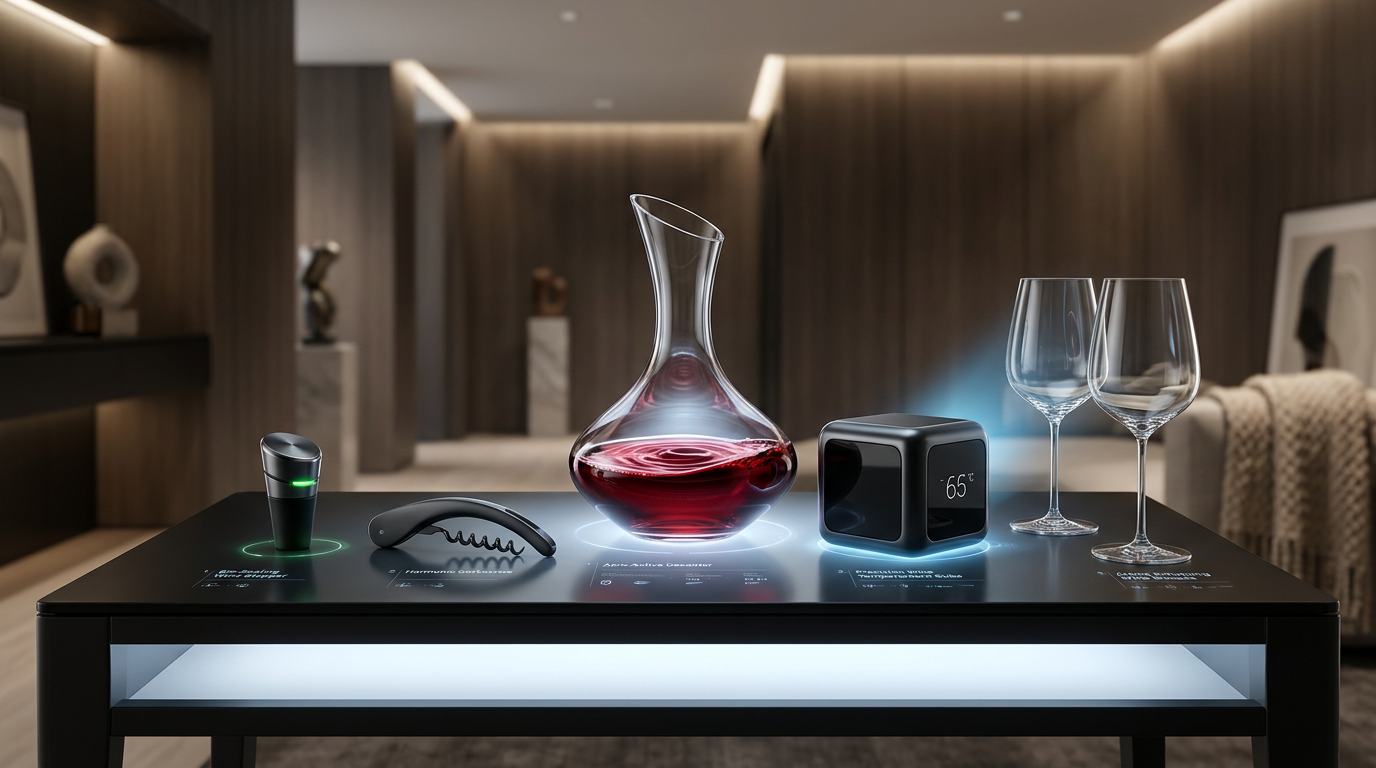
The Vinous Arsenal: Essential Tools for Elevating Your Wine Experience in 2026
As we navigate May 2026, the world of wine continues to evolve, offering enthusiasts unprecedented tools. Discover the essential wine accessories for 2026 that will elevate your enjoyment, from innovative aerators to smart preservation systems. Upgrade your vinous arsenal today with Greatest Wine.
Juniper Thorne