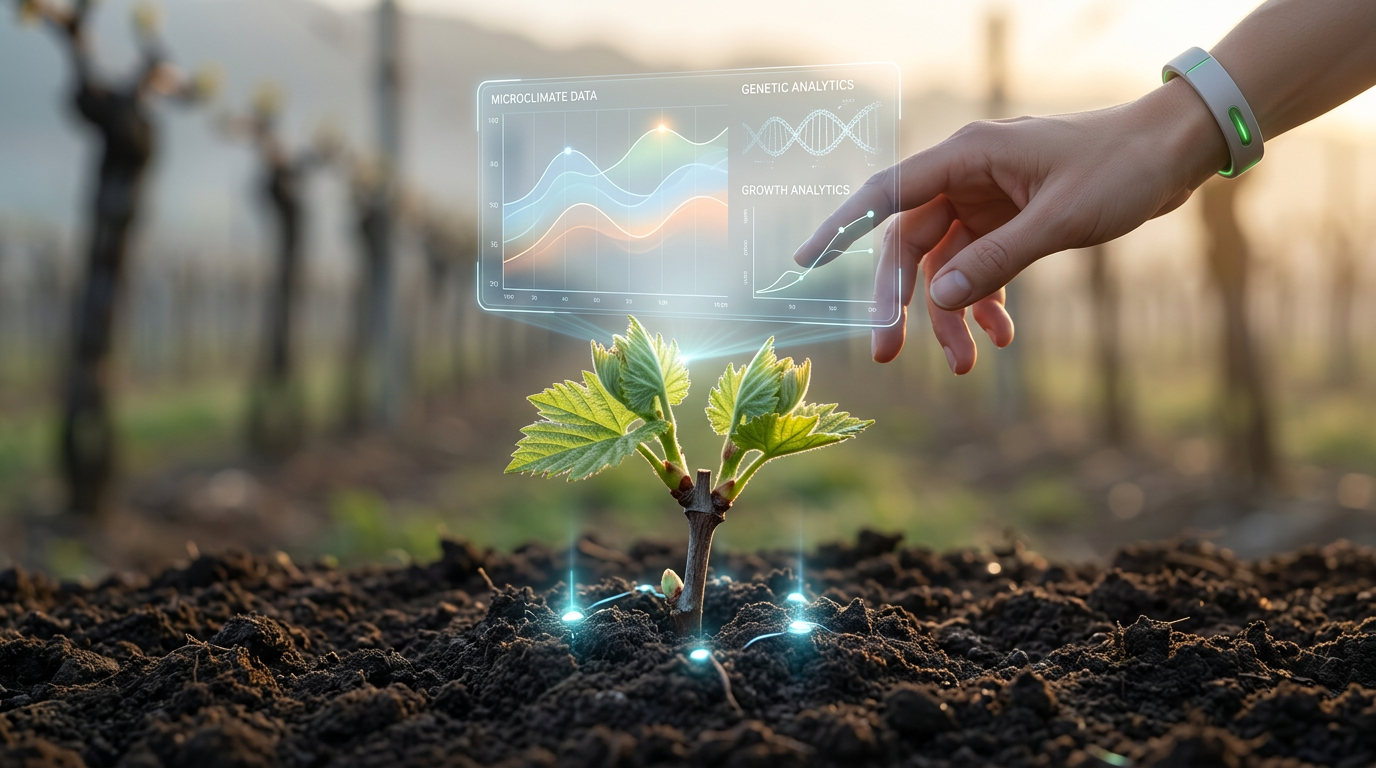
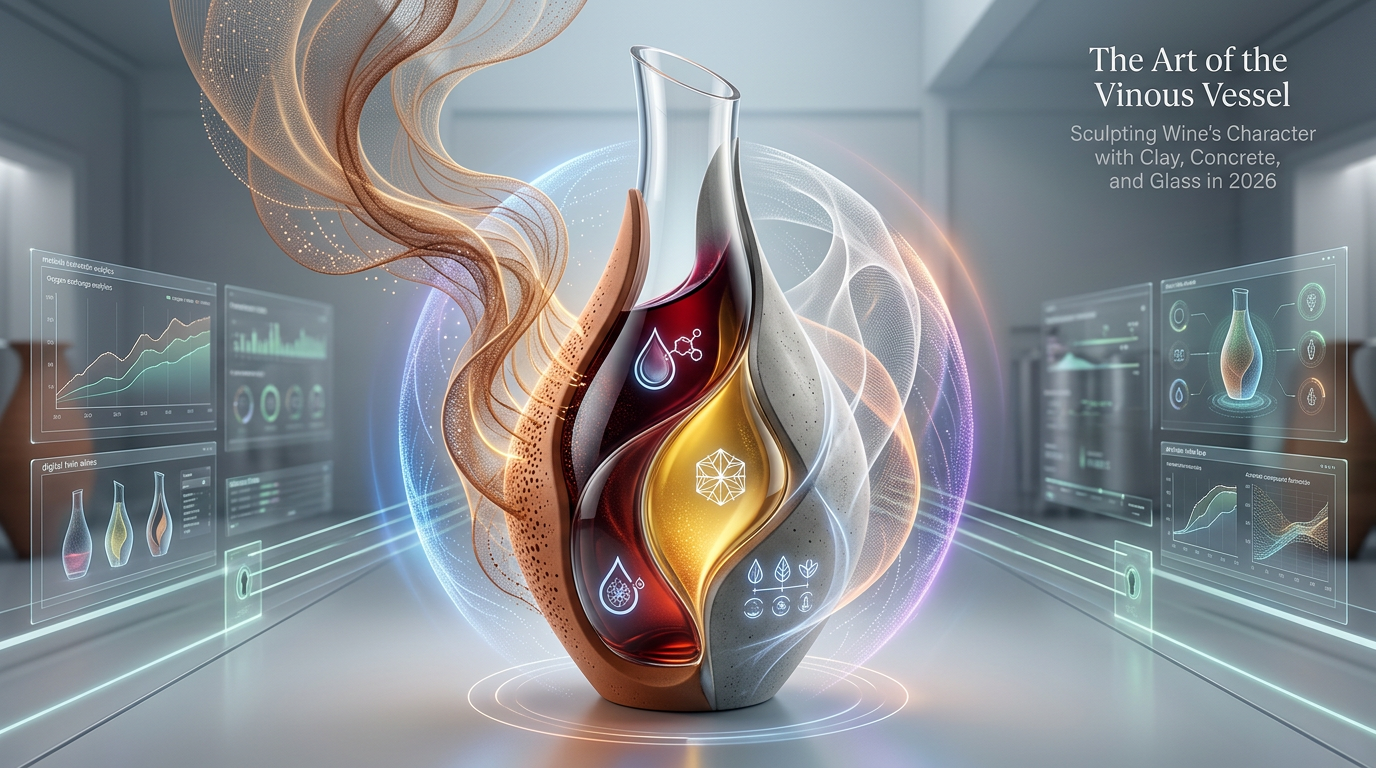
The Art of the 'Vinous Metamorphosis': Witnessing Wine's Transformation in the Cellar (2026 Edition)
The journey of a fine wine from grape to glass is a complex and fascinating one, culminating in what many call the 'vinous metamorphosis.' Central to this transformation is the wine aging process, a period where myriad chemical reactions occur, shaping the wine's character, aroma, and texture. Understanding this intricate process is key to appreciating the depth and evolution of aged wines. This 2026 edition delves into the science and art behind how wines develop their unique characteristics over time in the cellar.

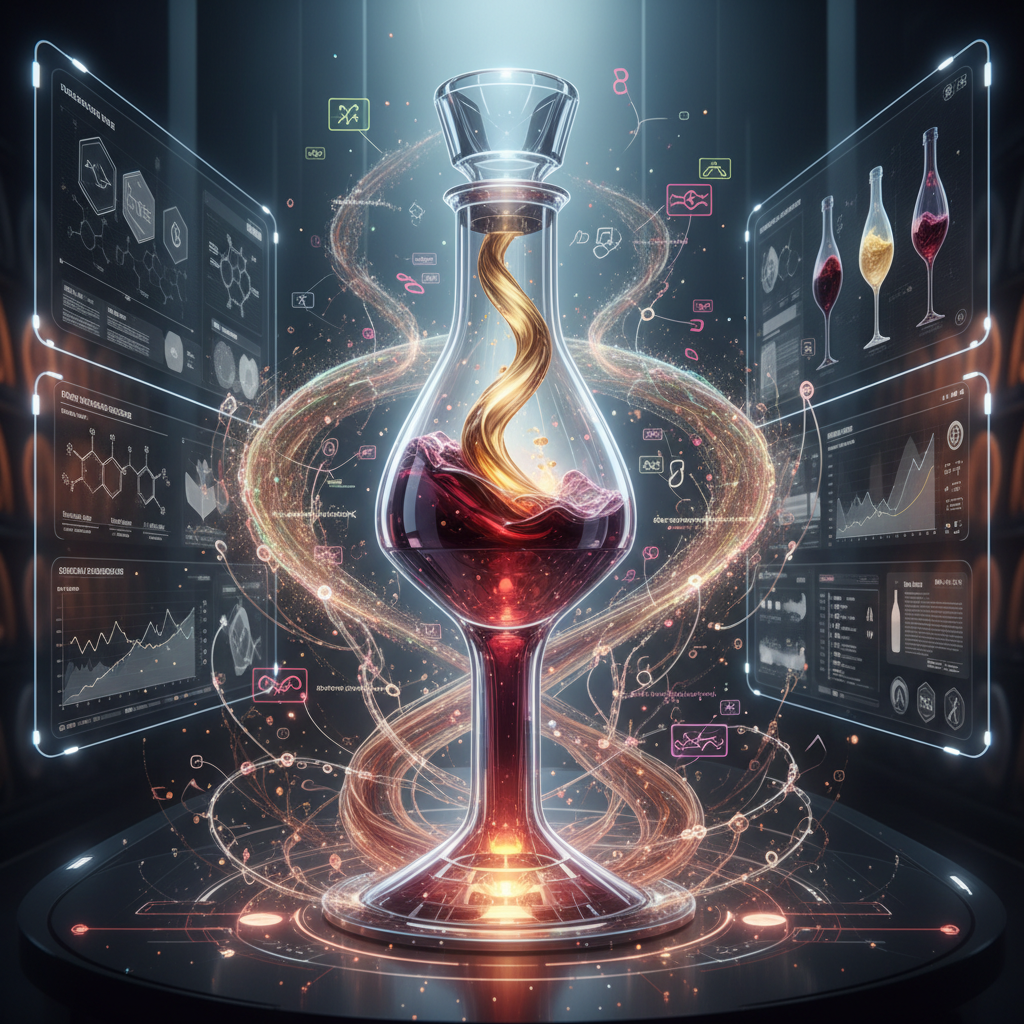
The Art of the 'Vinous Metamorphosis': Witnessing Wine's Transformation in the Cellar (2026 Edition) and the Wine Aging Process
The journey of a fine wine from grape to glass is a complex and fascinating one, culminating in what many call the 'vinous metamorphosis.' Central to this transformation is the wine aging process, a period where myriad chemical reactions occur, shaping the wine's character, aroma, and texture. Understanding this intricate process is key to appreciating why some wines improve dramatically with time, developing layers of complexity unattainable in their youth. As we delve into 2026, the principles governing this aging remain as fundamental as ever, guiding vintners and collectors alike.
Understanding the Fundamentals of the Wine Aging Process
The wine aging process is not a simple linear progression but a delicate balance of chemical reactions within the bottle. These reactions are influenced by several critical factors, each playing a vital role in how a wine evolves over months, years, or even decades. It's a testament to nature's complexity and human craftsmanship. For a deeper dive into the building blocks of wine, consider exploring The Art of the Soil Microbiome: Unseen Architects of Terroir and Wine Complexity in 2026.
While many wines are made for immediate consumption, a select few are crafted with longevity in mind. These age-worthy wines possess specific characteristics that allow them to not just survive, but thrive under controlled storage conditions, developing truly extraordinary profiles.
Key Components Influencing Wine Aging
- Tannins: Found primarily in red wines (from grape skins, seeds, and stems, and oak barrels), tannins polymerize over time, softening and integrating, which reduces astringency and adds complexity.
- Acidity: High acidity acts as a natural preservative, protecting the wine from spoilage and maintaining its freshness. Wines with good acidity tend to age gracefully.
- Sugar: Residual sugar, particularly in dessert wines, can also act as a preservative, contributing to the wine's longevity and allowing for a slow, nuanced evolution.
- Alcohol: Alcohol content also plays a role in preservation, though excessively high alcohol can sometimes hinder delicate aromatic development.
- Extract: The concentration of non-sugar solids (extract) contributes to a wine's structure and body, providing the "backbone" necessary for sustained aging.
The Role of Oxygen in the Aging Process
Oxygen's role in the wine aging process is a double-edged sword. While too much oxygen can lead to oxidation and spoilage, a minute, controlled exposure is essential for positive development. This controlled exposure typically occurs through the bottle closure, such as a cork, allowing for micro-oxygenation. For more on how subtle interactions shape wine, refer to The Art of the 'Vinous Breath': Exploring Micro-Oxygenation's Role in Sculpting Wine Identity for 2026.
These tiny amounts of oxygen facilitate the polymerization of tannins and the development of new aromatic compounds. Without this subtle interaction, many of the desirable aging characteristics would simply not emerge. It's a delicate dance between preservation and transformation.
Chemical Transformations During the Wine Aging Process
Beyond the simple softening of tannins, the wine aging process involves a complex cascade of chemical reactions. These transformations lead to the creation of new compounds and the alteration of existing ones, fundamentally changing the wine's sensory profile.
Understanding these chemical shifts helps demystify the magic of aged wine, revealing the scientific basis behind its allure. It’s a field of ongoing research, with new insights emerging regularly, even in 2026. For those fascinated by the intricate science of wine, exploring resources like the Wine & Spirit Education Trust (WSET) can offer further learning opportunities.
Evolution of Color and Aroma
As red wines age, their vibrant ruby hues often shift towards brick red or even amber. This color change is due to the polymerization and precipitation of anthocyanins (color pigments). White wines, conversely, tend to darken from pale yellow to golden or even brown.
Perhaps the most captivating changes occur in the wine's aroma profile. Initial primary fruit and floral notes often recede, replaced by complex secondary and tertiary aromas. These can include:
- Earth notes: Forest floor, truffle, mushroom
- Savory notes: Leather, tobacco, cedar, spice
- Nutty notes: Almond, hazelnut (especially in aged whites like Chardonnay)
- Dried fruit notes: Fig, raisin, prune
Changes in Texture and Palate
The palate of an aged wine also undergoes significant evolution. The astringent, sometimes harsh tannins of young red wines soften and become more integrated, leading to a smoother, silkier mouthfeel. Acidity, while remaining a crucial component, can also mellow, contributing to a more harmonious balance.
The overall impression is often one of greater complexity, depth, and length on the finish. The individual components of the wine that might have seemed disparate in youth become seamlessly interwoven, creating a truly complete and profound sensory experience. Our perception of these changes is fascinating; learn more about The Art of the 'Cognitive Terroir': How Our Brains Sculpt Wine Perception in 2026.
Optimal Storage Conditions for Successful Wine Aging
For the wine aging process to unfold successfully, maintaining precise storage conditions is paramount. Fluctuations in temperature, light exposure, and humidity can prematurely age or even spoil a wine, undoing years of careful craftsmanship.
Whether you're a casual collector or a seasoned connoisseur, understanding and implementing these conditions will significantly improve the longevity and quality of your wine collection. Investing in proper storage is an investment in future enjoyment.
Temperature and Humidity Control
The ideal temperature for wine storage is a consistent 50-59°F (10-15°C). While a few degrees outside this range won't immediately ruin a wine, large or frequent fluctuations are detrimental. Heat accelerates chemical reactions, leading to prematurely aged and "cooked" flavors, while extreme cold can cause the cork to dry out.
Humidity is also critical, ideally maintained between 60-75%. Low humidity can dry out corks, allowing air to penetrate the bottle and causing oxidation. High humidity, conversely, can promote mold growth on bottles and labels, though it typically poses less of a threat to the wine itself.
Light and Vibration Avoidance
UV light, especially from direct sunlight or fluorescent bulbs, can damage wine, causing what's known as "light strike" and developing unpleasant aromas. Dark bottles offer some protection, but complete darkness is always preferred for long-term storage.
Vibrations, whether from heavy foot traffic, nearby machinery, or even household appliances, can agitate the wine and disrupt the delicate chemical processes of aging. Storing wine in a stable, undisturbed environment is therefore essential for optimal development. Organizations like the Wine Institute provide guidance on best practices for wine preservation.
Factors Determining a Wine's Age-Worthiness
Not all wines are created equal when it comes to their aging potential. While most wines are best enjoyed within a year or two of release, certain characteristics signal a wine's ability to benefit from the wine aging process.
Recognizing these indicators can help enthusiasts choose wines for their cellars wisely, ensuring that their investment of time and storage space will be rewarded with a truly magnificent tasting experience years down the line.
Grape Varietals and Regional Styles
Certain grape varietals inherently possess greater aging potential due to their natural composition of tannins, acidity, and extract. Examples include:
- Red Wines: Cabernet Sauvignon, Nebbiolo, Sangiovese, Syrah/Shiraz, Pinot Noir (some styles)
- White Wines: Riesling, Chenin Blanc, Chardonnay (oaked, high-acid styles), Sauternes and other noble rot dessert wines
Region also plays a significant role. Terroirs known for producing wines with high acidity, robust tannins, or concentrated fruit often yield age-worthy examples. Think of Bordeaux, Burgundy, Piedmont, and the Mosel. The influence of micro-climates, for instance, can be profound, as discussed in The Art of the Sommelier's Sixth Sense: Anticipating the Unseen Impact of Micro-Climates on 2026 Vintages.
Vintage and Winemaking Techniques
An exceptional vintage year, characterized by favorable weather conditions, often produces grapes with optimal balance and concentration, lending itself to wines with greater aging capacity. While a good winemaker can navigate challenging vintages, the best results often come from strong raw material.
Winemaking techniques also critically influence age-worthiness. Extended maceration (skin contact), judicious use of new oak, and careful fermentation management can all contribute to a wine's structure and complexity, preparing it for a long and graceful evolution through the wine aging process. Discover more about how these techniques shape individual wines in The Art of the Winemaker's Signature: Decoding Personal Style and Innovation in 2026's Finest Vintages.
The Future of the Wine Aging Process in 2026 and Beyond
As we navigate 2026, the discussion around the wine aging process continues to evolve with advancements in technology and a deeper understanding of wine chemistry. While traditional methods remain foundational, research is pushing the boundaries.
From smart cellar technology to innovative closure solutions, the future promises even greater precision in predicting and optimizing a wine's aging trajectory, ensuring that every bottle reaches its peak potential.
Technological Innovations in Cellar Management
The smart cellar is no longer a futuristic concept but a growing reality. Advanced sensors can monitor temperature, humidity, and even air quality in real-time, providing alerts and allowing for proactive adjustments. This level of environmental control minimizes risks and optimizes conditions for the wine aging process. The integration of blockchain technology is also revolutionizing traceability and authenticity, as explored in The Art of the 'Vinous Blockchain': Revolutionizing Wine Provenance and Authenticity in 2026.
Furthermore, QR codes and blockchain technology are increasingly being used to track a wine's provenance and storage history, offering consumers greater transparency and assurance regarding the conditions under which their aged wines have been preserved. For a broad perspective on the wine industry's future, the International Organisation of Vine and Wine (OIV) offers valuable insights and statistics.
The Evolving Appeal of Aged Wines
As the global wine market continues to expand and diversify, the appreciation for aged wines remains strong, even for younger generations of connoisseurs. There is a growing understanding that some of wine's most profound expressions are only revealed through time.
The experience of opening a perfectly aged bottle, whether it's a 20-year-old classified growth Bordeaux or a 10-year-old German Riesling, is unparalleled. It speaks to history, patience, and the incredible, complex artistry of the wine aging process. The quest for these transcendent moments continues to drive interest and investment in age-worthy wines, reinforcing their timeless appeal.
Written by
Juniper Thorne is an experienced writer and educator with a deep passion for the world of wine. Bringing expertise in sensory analysis and wine culture to the Greatest Wine platform, Juniper helps readers explore and appreciate every nuance of wine.
Related Articles
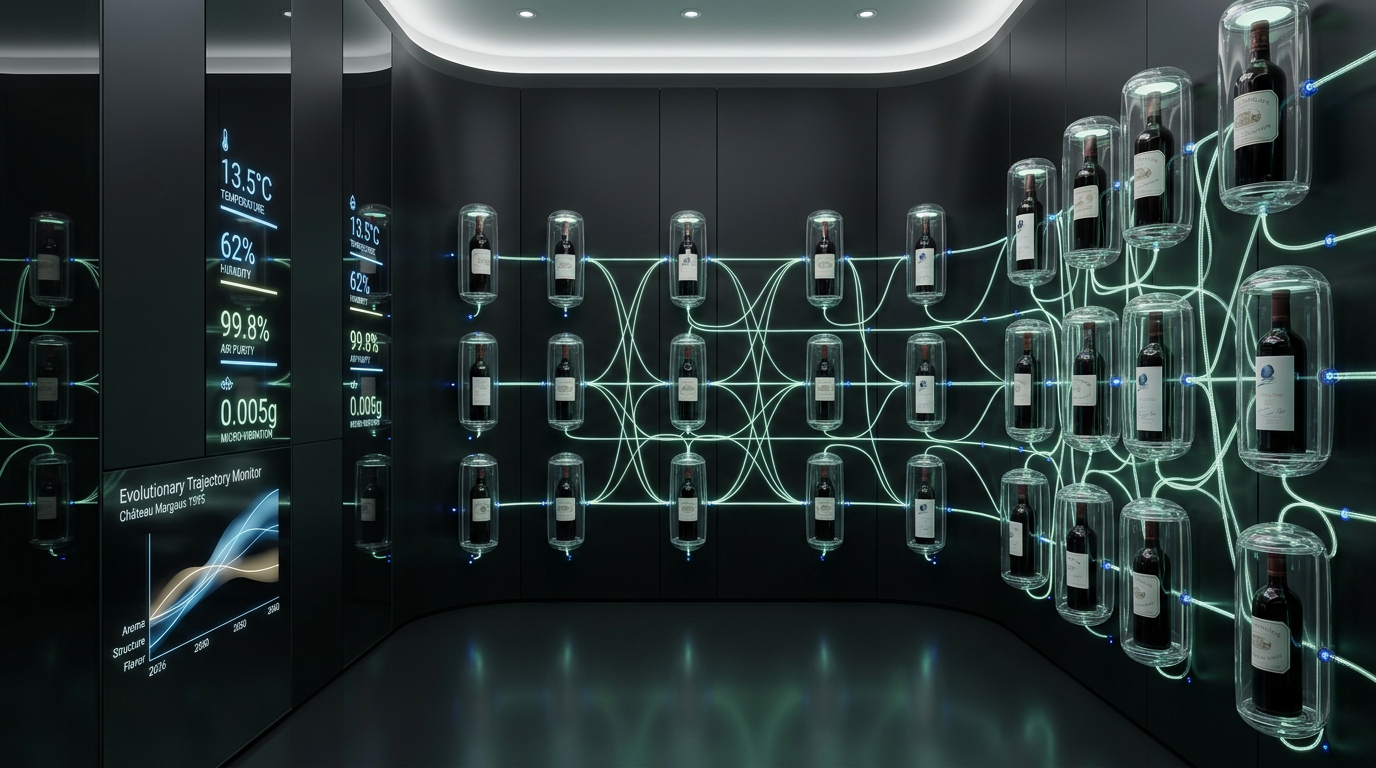
The Cellar Architects: Mastering Elite Wine Preservation and Evolution in 2026
For the true connoisseur, wine is more than just a beverage; it's a living entity, an investment, and a passion. Mastering its preservation and evolution is an art form, especially in 2026 with new technologies and insights. Learn how to protect and enhance your cherished collection.
Juniper Thorne