The Art of the 'Cognitive Terroir': How Our Brains Sculpt Wine Perception in 2026
In 2026, the concept of 'cognitive terroir' is revolutionizing wine appreciation. This phenomenon describes how individual experiences, memories, and sensory biases profoundly shape our perception of wine, extending far beyond traditional elements like soil or climate. Understanding this complex interplay between internal cognitive processes and external wine characteristics is crucial for both vintners and connoisseurs alike, offering a fresh perspective on how we taste and evaluate wine. Discover the science behind how your brain sculpts every sip.

The Art of the 'Cognitive Terroir': How Our Brains Sculpt Wine Perception in 2026
In the evolving world of wine appreciation, understanding how our individual experiences, memories, and sensory biases shape our perception is more crucial than ever. This complex interplay between our internal cognitive processes and the external characteristics of a wine gives rise to what we call the cognitive terroir. Far beyond the soil, climate, and viticultural practices that define traditional terroir, cognitive terroir refers to the unique mental landscape through which each person filters and interprets the sensory information received from a glass of wine. In 2026, as technology advances and our understanding of neuroscience deepens, this subjective dimension of wine tasting is gaining significant traction among enthusiasts and professionals alike.
For more insights into the human element in wine, explore The Art of the 'Invisible' Hand: The Unseen Influence of Human Factors on Terroir and 2026's Wine Identity.
Deconstructing the Concept of Cognitive Terroir
The term "terroir" traditionally refers to the environmental factors that affect a crop's phenotype, including unique environment contexts, farming practices, and a crop's specific growth habitat. When we append "cognitive" to it, we shift the focus from the external environment to the internal, mental environment of the taster. This internal environment is a dynamic system, constantly being shaped by a multitude of factors.
At its core, cognitive terroir acknowledges that taste is not merely a physiological response but a deeply psychological one. Two people can taste the exact same wine and have vastly different experiences, not because the wine itself changes, but because their internal processing mechanisms differ. This is a fascinating area of study, shedding light on the highly personal nature of enjoyment and preference.
Delve deeper into how individual palates develop with The Art of the Sommelier's Journal: Chronicling the Evolution of Taste and Industry in 2026.
The Influence of Expectation Bias
Our expectations play a powerful role in shaping our wine perception. If we are told a wine is expensive or from a prestigious region, our brains often prime themselves to find it more enjoyable, regardless of its actual quality. Conversely, a wine presented as cheap or unknown might be judged more harshly. This expectation bias is a prime example of our cognitive terroir at work.
- Price Tag Effect: Studies consistently show that wines presented with higher price tags are rated more favorably. This phenomenon is often explored in consumer psychology research such as that published by the Journal of Marketing.
- Label Aesthetics: An appealing label can unconsciously elevate our perception of the wine inside the bottle. Read more on this in The Art of the Wine Label: Deconstructing Narrative, Design, and Collectibility in 2026.
- Reputation: Brand recognition or critical acclaim can pre-dispose us to a positive experience.
The Role of Semantic Priming
The language used to describe a wine can significantly alter its perception. Suggestive terms like "oaky," "fruity," or "earthy" can guide our senses to identify those characteristics, sometimes even exaggerating them. This semantic priming forms another layer of our individual cognitive terroir.
Wine reviews and tasting notes, while helpful, can also inadvertently steer our perception. Understanding this phenomenon allows us to appreciate wine more authentically, distinguishing between personal experience and external suggestion.
Sensory Adaptation and Your Cognitive Terroir
Our senses are not static; they adapt to stimuli over time. This principle of sensory adaptation significantly impacts how we perceive wine. For instance, after smelling a very pungent aroma, our sensitivity to other, more subtle scents might temporarily decrease. This forms a crucial part of our dynamic cognitive terroir.
Consider drinking several wines in a row; the first few might overwhelm your palate, affecting how you taste subsequent ones. This is why professional tasters often take breaks or use neutral palate cleansers. Recognizing these physiological limits helps us understand why our perception shifts from one moment to the next.
Order of Tasting
The sequence in which wines are tasted dramatically influences perception. Lighter wines before heavier, dry before sweet, and younger before older are common guidelines to mitigate sensory adaptation affecting accuracy.
Ignoring these guidelines can create a "palate fatigue" where discerning subtle nuances becomes increasingly difficult. This fatigue is a temporary modification of our personal cognitive terroir.
Memory, Emotion, and the Personal Cognitive Terroir
Perhaps the most profound elements shaping our cognitive terroir are memory and emotion. A wine tasted during a celebratory occasion, a romantic dinner, or a significant life event will be imbued with those associated feelings and memories, making it taste inherently different than if it were consumed in isolation or under less joyous circumstances.
This emotional resonance is entirely personal and contributes immensely to our wine preferences. It explains why a wine that might not analytically be considered "great" can hold immense personal value and deliver profound enjoyment simply because of the context in which it was first experienced.
The Madeleines of Wine
Just as Marcel Proust's madeleine conjured a flood of memories, certain wines can serve as powerful triggers for personal recollections. The aroma of a particular grape variety or the taste profile of a wine from a specific region can transport us back in time, eliciting strong emotional responses. This deep connection between wine, memory, and emotion is fundamental to our individual cognitive terroir.
- Nostalgia: Wines associated with childhood, home, or significant life events often evoke strong nostalgic feelings.
- Comfort: Certain wines can provide a sense of comfort or familiarity, much like comfort food.
- Shared Experiences: Wine enjoyed with loved ones strengthens bonds and enhances shared memories.
The Future of Understanding Cognitive Terroir in 2026
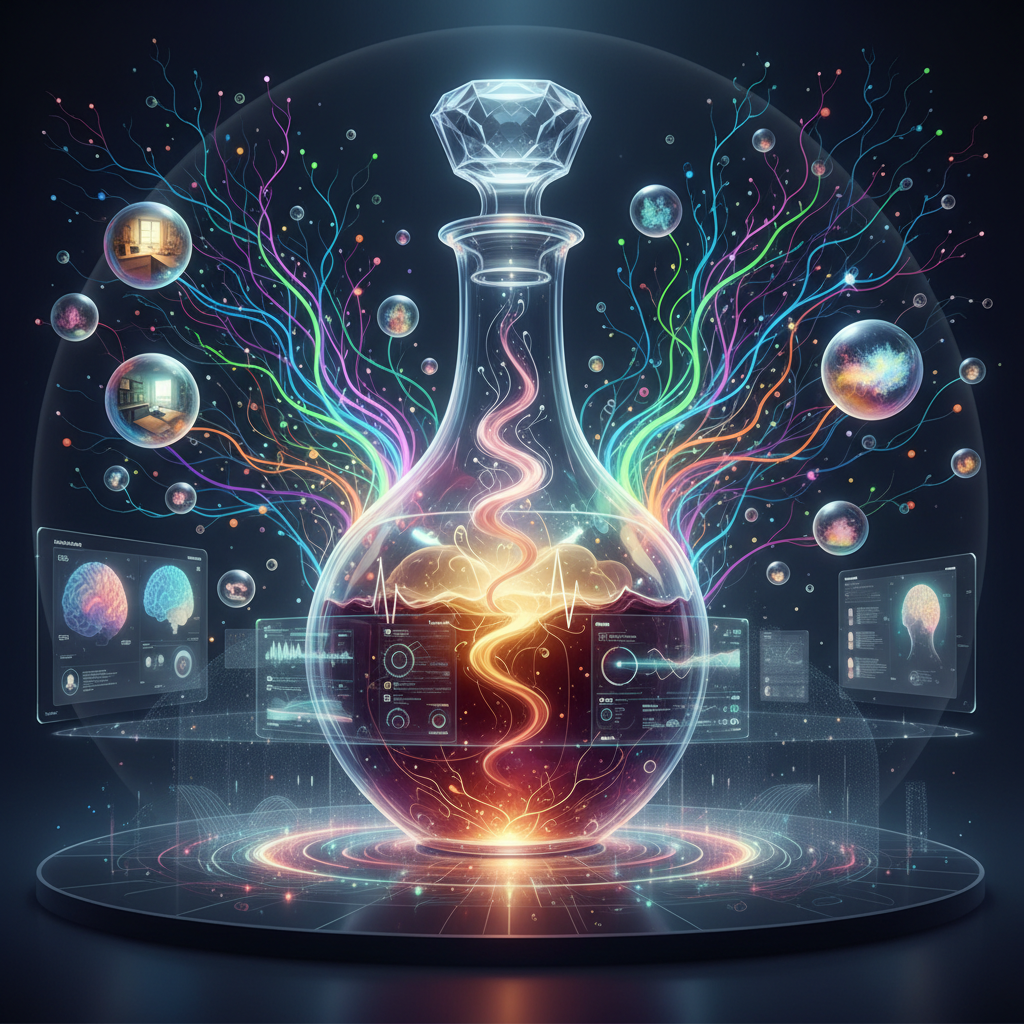
As we move further into 2026, the study of cognitive terroir is becoming increasingly sophisticated. Advances in neuro-imaging and AI are allowing researchers to map the brain activity associated with taste perception, providing deeper insights into how individual brains process wine. This could lead to more personalized wine recommendations and even novel approaches to wine education.
The future might see AI-powered tools that learn a user's specific cognitive terroir, offering tailored suggestions based not just on objective tasting notes, but on their unique sensory biases, emotional associations, and cultural background. This blend of neuroscience and artificial intelligence promises to revolutionize how we interact with and understand wine. The Human Brain Project is one such initiative exploring the intricacies of the human brain.
Personalized Wine Experiences
Imagine a smart sommelier app that understands your individual taste preferences, not just based on what wines you've rated highly, but on the underlying cognitive processes that drive those ratings. This level of personalization, driven by insights into cognitive terroir, is rapidly becoming a reality.
From curated wine club selections to bespoke vineyard tours designed around individual sensory profiles, the wine industry is poised for a significant transformation fueled by a deeper appreciation of the human element in tasting. AI is also reshaping other aspects of the industry, as discussed in The Art of Wine Marketing in the Age of AI: Personalization, Predictive Analytics, and Storytelling for 2026.
Ethical Considerations
However, with great power comes great responsibility. Understanding and potentially influencing a person's cognitive terroir raises ethical questions. How much should technology guide our natural inclinations? Will a deeper understanding of cognitive biases lead to manipulative marketing practices, or will it empower consumers to make more informed choices?
These are questions the wine industry and consumers alike will need to grapple with as our knowledge of the human mind and its interaction with wine continues to grow throughout 2026 and beyond.
Cultivating Your Own Cognitive Terroir
While much of our cognitive terroir is unconsciously formed, we can actively cultivate it to enhance our wine-tasting experience. By being mindful of our biases, engaging our senses consciously, and reflecting on our emotional responses, we can develop a more nuanced and appreciative palate.
To truly understand a wine, we must first understand ourselves as tasters. This journey of self-discovery through wine is arguably one of the most rewarding aspects of wine appreciation. Embrace the subjectivity, enjoy the personal journey, and celebrate your unique cognitive terroir.
- Mindful Tasting: Pay close attention to sensory input without judgment. For deeper understanding, explore The Art of the Sommelier's Journal: Chronicling the Evolution of Taste and Industry in 2026.
- Blind Tasting: Periodically removing external cues like labels or price can help mitigate expectation bias. This can also help in mastering specific sensory nuances, similar to those discussed in The Art of the Silent Sensoryist: Mastering the Nuances of Wine Temperature in 2026.
- Journaling: Documenting your tasting experiences, including emotional responses and context, can reveal patterns in your personal cognitive terroir.
- Experimentation: Continuously trying new wines, styles, and regions broadens your sensory horizon and refines your palate.
Written by
Juniper Thorne is an experienced writer and educator with a deep passion for the world of wine. Bringing expertise in sensory analysis and wine culture to the Greatest Wine platform, Juniper helps readers explore and appreciate every nuance of wine.
Related Articles
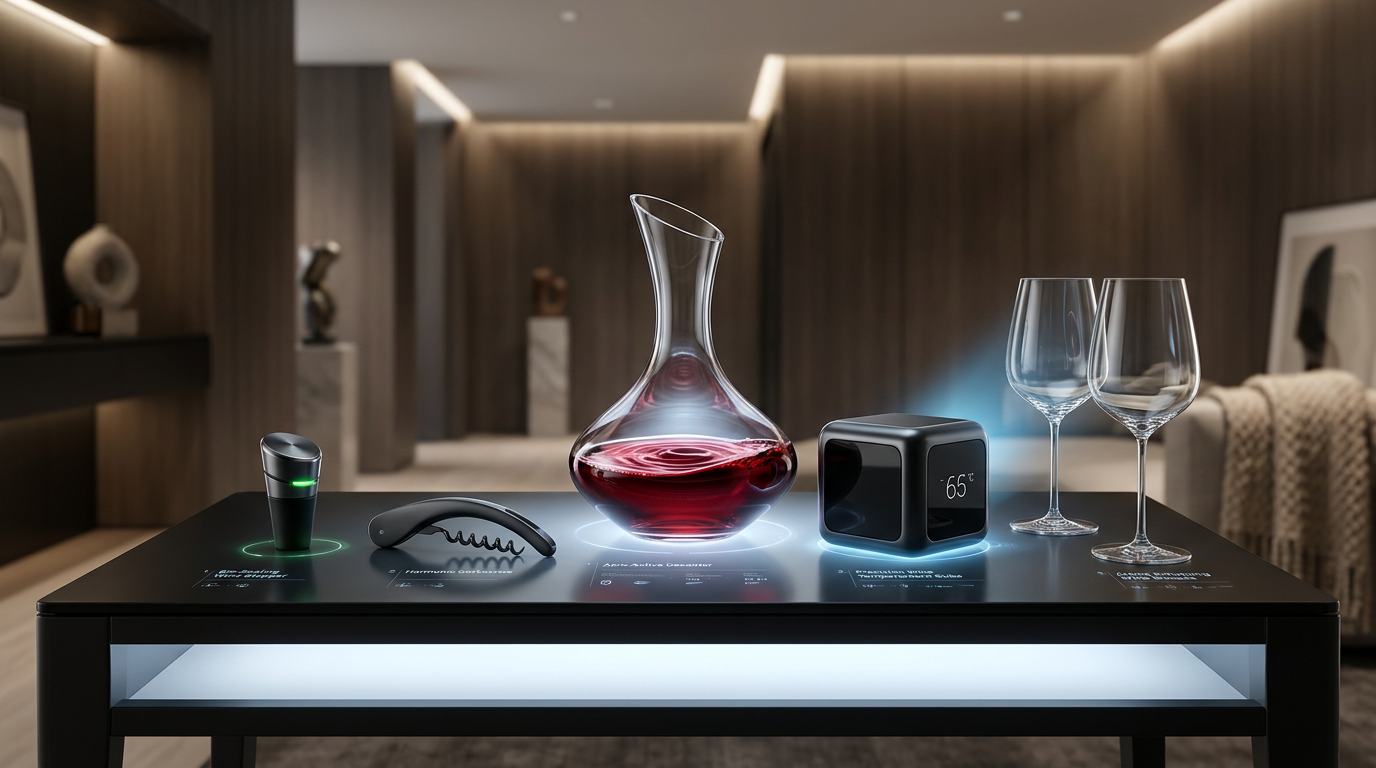
The Vinous Arsenal: Essential Tools for Elevating Your Wine Experience in 2026
As we navigate May 2026, the world of wine continues to evolve, offering enthusiasts unprecedented tools. Discover the essential wine accessories for 2026 that will elevate your enjoyment, from innovative aerators to smart preservation systems. Upgrade your vinous arsenal today with Greatest Wine.
Juniper Thorne