The Art of the Silent Sensoryist: Mastering the Nuances of Wine Temperature in 2026
In the intricate world of wine appreciation, few factors influence the tasting experience as profoundly as wine serving temperature. It acts as an invisible key, unlocking or obscuring the complex aromatics and delicate flavors that a winemaker meticulously crafted. As we navigate the refined palates and evolving trends of 2026, understanding and perfecting this often-overlooked detail is paramount for any true 'Silent Sensoryist.' This guide delves into the science and art behind ideal wine temperatures, ensuring your next glass is nothing short of perfection.


The Art of the Silent Sensoryist: Mastering the Nuances of Wine Serving Temperature in 2026
In the intricate world of wine appreciation, few factors influence the tasting experience as profoundly as wine serving temperature. It acts as an invisible key, unlocking or obscuring the complex aromatics and delicate flavors that a winemaker meticulously crafted. As we navigate the refined palates and evolving trends of 2026, understanding and perfecting the ideal temperature for each varietal is not just a recommendation, it's a sensory imperative for true enjoyment.
For further insights into optimizing your wine experience, explore The Art of the Sommelier's Brain: Unraveling Cognitive Biases in Wine Appreciation for 2026, which delves into the psychological aspects that shape our perception of wine.
Why Wine Serving Temperature Matters: Unlocking Sensory Potential
The temperature at which wine is served dramatically affects its volatility, tannin structure, acidity, and overall perception. Too warm, and whites can taste flabby and alcoholic, while reds become overly tannic and muddled. Too cold, and both can be stripped of their nuanced aromatics and complex flavors, leaving them tight and unexpressive.
Think of it as a subtle adjustment that either harmonizes or distorts the orchestra of flavors within your glass. Achieving the perfect balance ensures that every note, from the brightest fruit to the earthiest undertone, sings in unison.
The Science Behind the Chill
Temperature directly influences the chemical reactions and physical properties of wine. Cooler temperatures reduce the volatility of alcohol, allowing delicate aromatics to emerge. They also enhance acidity, making whites crisp and refreshing. Conversely, warmer temperatures suppress acidity and emphasize alcohol and tannins, which can be desirable for some robust reds but detrimental to others.
The molecular structure of wine is finely tuned to specific temperature ranges. Deviating too far from these optimal zones can fundamentally alter how the wine interacts with our palate, significantly impacting enjoyment. To dive deeper into the scientific underpinnings of taste, consider reading The Quantum Palate: Deconstructing the Science of Flavor Perception in Wine for 2026.
Common Temperature Mistakes to Avoid
Many wine enthusiasts, even seasoned ones, often fall prey to common temperature pitfalls. Serving white wine ice-cold straight from the fridge or red wine at "room temperature" (which, in a modern, heated home, can be far too warm) are prevalent errors that diminish the wine's potential.
- Overchilling Whites: Kills aromas, makes wines taste thin and acidic.
- Overwarming Reds: Accentuates alcohol burn, makes wines taste heavy and unbalanced.
- Rapid Temperature Changes: Can shock the wine, negatively affecting delicate structures.
Optimal Wine Serving Temperature Ranges for Key Varietals in 2026
While personal preference certainly plays a role, there are widely accepted guidelines for wine serving temperature that act as an excellent starting point. These ranges are designed to showcase the best characteristics of each wine style, from crisp Sauvignon Blancs to powerful Cabernet Sauvignons.
Sparkling Wines: Crisp and Effervescent
For sparkling wines, including Champagne, Prosecco, and Cava, a cool temperature is crucial to preserve their effervescence and accentuate their crisp acidity. Serve them between 6-10°C (43-50°F). Anything warmer will cause the bubbles to dissipate too quickly and the wine to taste flabby.
- Champagne, Cava, Prosecco: 6-10°C (43-50°F)
- Vintage Sparkling Wines: Slightly warmer, 8-12°C (46-54°F) for better aromatic expression.
White Wines: A Spectrum of Chill
The ideal temperature for white wines varies significantly depending on their body and aromatic intensity. Lighter-bodied, aromatic whites benefit from a cooler chill, while richer, oaked whites prefer a slightly warmer embrace.
- Light-Bodied & Aromatic Whites: Sauvignon Blanc, Pinot Grigio, Grüner Veltliner – 8-12°C (46-54°F). This range highlights their vibrant acidity and fresh fruit notes.
- Medium-Bodied Dry Whites: Unoaked Chardonnay, Chenin Blanc, Riesling (dry) – 10-13°C (50-55°F). Allows for more aromatic development without losing freshness.
- Full-Bodied & Oaked Whites: Oaked Chardonnay, White Burgundy, Viognier – 12-14°C (54-57°F). This temperature balances their richness and creaminess without making them feel heavy or alcoholic.
Rosé Wines: Fresh and Fruity
Rosé wines are best enjoyed cool to highlight their delicate fruit flavors and refreshing acidity. An ideal range is 8-12°C (46-54°F), similar to many lighter white wines. Avoid serving them too cold, as this can mute their subtle red fruit characteristics.
Red Wines: Not as Warm as You Think
Perhaps the most misunderstood category when it comes to temperature, red wines are frequently served too warm. The old adage of "room temperature" dates back to times when "room temperature" was closer to 18°C (65°F), not the 21-24°C (70-75°F) of modern homes. Serving reds slightly cooler brings out their fruit, softens tannins, and enhances complexity.
- Light-Bodied Reds (Chilled): Beaujolais, some Pinot Noirs, Lambrusco – 12-16°C (54-61°F). A slight chill makes these incredibly refreshing and vibrant.
- Medium-Bodied Reds: Pinot Noir, Merlot, Sangiovese, Chianti – 14-18°C (57-65°F). This range allows their fruit, earth, and savory notes to shine without being overwhelmed by alcohol or tannins.
- Full-Bodied Reds: Cabernet Sauvignon, Syrah/Shiraz, Zinfandel, Malbec – 16-18°C (61-65°F). These wines can handle a slightly warmer temperature to express their power and structure, but going above 18°C will make them hot and flabby.
Dessert & Fortified Wines: A Range of Sweetness
These wines have a wide range depending on their style, but generally benefit from being served cool, not cold.
- Sweet Whites (Sauternes, Ice Wine): 8-12°C (46-54°F)
- Port (Ruby, Tawny): 14-17°C (57-63°F)
- Sherry (Fino, Manzanilla): 7-10°C (45-50°F)
- Sherry (Oloroso, Amontillado): 12-14°C (54-57°F)
Practical Tips for Achieving the Perfect Wine Serving Temperature
While dedicated wine fridges offer precise control, there are many accessible ways to bring your wines to their ideal temperature. Mastering these techniques will elevate your wine experience in 2026 and beyond.
To further enhance your understanding of wine preparation, consider our article on The Art of the Winemaker's Time Capsule: Accelerating Aging and Preserving Youth in 2026.
Chilling Your Wines Effectively
- Refrigerator: A standard refrigerator runs around 4-5°C (39-41°F). For whites and rosé, remove them 15-30 minutes before serving. For reds, a quick 20-30 minute chill can do wonders for an overpoweringly warm bottle.
- Ice Bucket: The fastest method. A mix of ice and water (water is crucial for efficient heat transfer) can chill a bottle in 10-20 minutes. Keep a bottle of white wine in an ice bucket for continued enjoyment, or chill a red down before serving.
- Wine Cooler/Fridge: The most precise method for long-term storage and serving. Multi-zone coolers allow you to store different wines at their optimal temperatures.
- Freezer (with caution): For a very rapid chill, 10-15 minutes in the freezer is enough. Set a timer – forgetting a bottle can lead to freezing and potential cork expulsion!
Warming Up Your Wines Gently
If a red wine is too cold, simply let it sit at room temperature for 20-30 minutes. You can also gently cup the glass in your hands to slightly raise its temperature. Avoid methods like microwaving or placing the bottle near a radiator, as rapid and uneven heating can damage the wine.
Advanced Techniques and Tools for the Dedicated Sensoryist in 2026
For those truly committed to perfecting their wine experience, 2026 offers an array of tools and techniques to ensure immaculate wine serving temperature.
Temperature Control Devices
- Smart Wine Thermometers: Many modern thermometers can be inserted into the bottle or used on the glass to get an instant, accurate reading. Some even connect to apps for varietal-specific recommendations, drawing on vast databases of AI-powered personalization.
- Rapid Bottle Chillers: Devices that use air or liquid circulation to quickly bring wines to target temperatures without over-chilling.
- Temperature-Controlled Decanters: Though less common, these innovative decanters maintain a stable temperature after the wine is poured.
The Impact of Glassware
While not directly affecting the initial wine serving temperature, the shape and material of your glassware can influence how quickly the wine reaches room temperature and how aromas are presented. Thinner glass allows for better temperature retention or transfer, depending on the environment. Understanding this interplay is key for a holistic appreciation. For more on this, check out an expert resource on how to choose the right wine glass.
Conclusion: The Pursuit of Perfection in Wine Serving Temperature
Mastering wine serving temperature is a fundamental aspect of truly appreciating wine. It transforms a simple drink into a complex sensory journey, revealing layers of flavor and aroma that would otherwise remain hidden. In 2026, with an increasing global appreciation for the nuances of wine, paying attention to this critical detail is more important than ever.
By understanding the optimal ranges for different varietals and utilizing practical techniques to achieve them, you elevate every bottle you open. So, next time you pour a glass, take a moment to consider its temperature – it's the silent sensoryist, guiding you to a more profound and enjoyable wine experience. For additional professional insights into wine service, consider exploring the Sommelier Journal for current industry best practices.
Written by
Juniper Thorne is an experienced writer and educator with a deep passion for the world of wine. Bringing expertise in sensory analysis and wine culture to the Greatest Wine platform, Juniper helps readers explore and appreciate every nuance of wine.
Related Articles
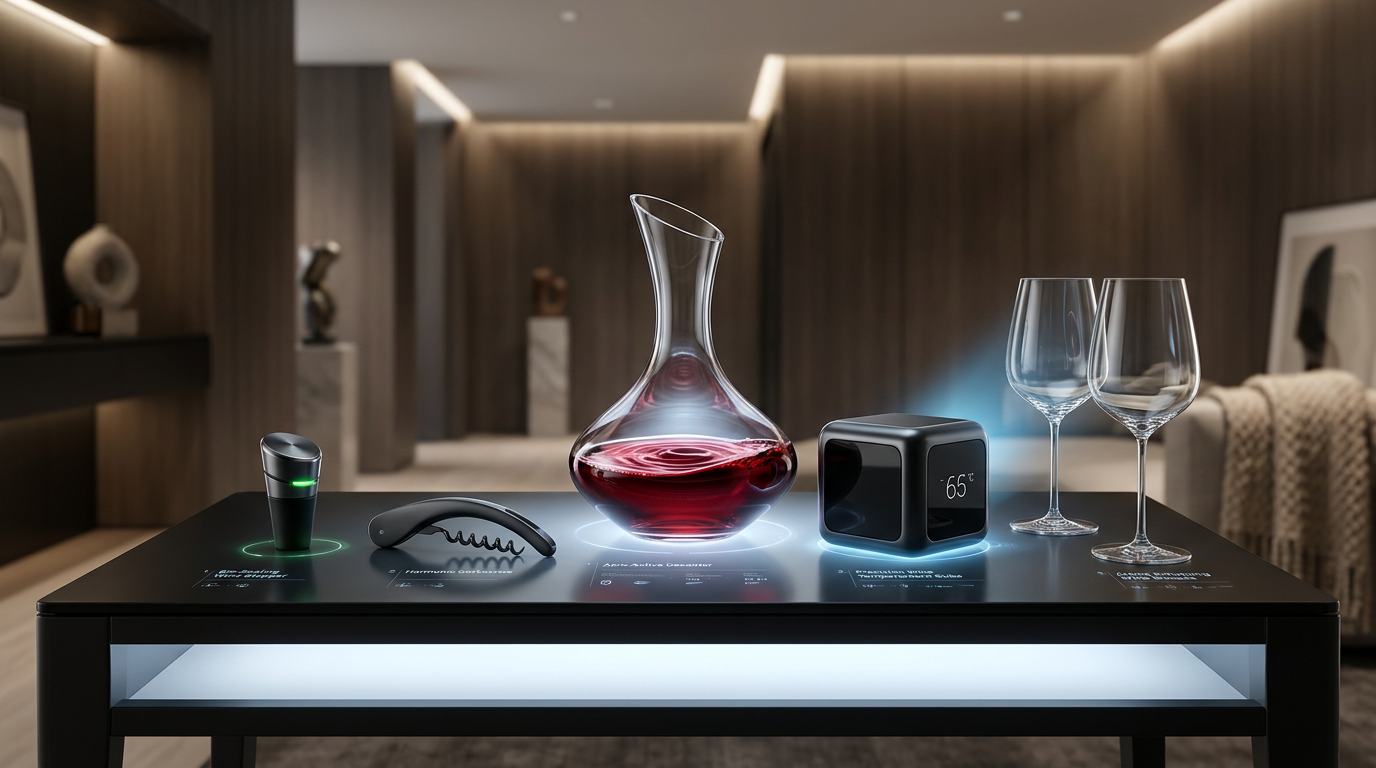
The Vinous Arsenal: Essential Tools for Elevating Your Wine Experience in 2026
As we navigate May 2026, the world of wine continues to evolve, offering enthusiasts unprecedented tools. Discover the essential wine accessories for 2026 that will elevate your enjoyment, from innovative aerators to smart preservation systems. Upgrade your vinous arsenal today with Greatest Wine.
Juniper Thorne