The Quantum Palate: Deconstructing the Science of Flavor Perception in Wine for 2026
Understanding wine's intricate world involves decoding wine flavor perception science. As of 2026, advancements in neuroscience and analytical chemistry continue to reveal how our senses interact with wine's chemical compounds, creating a rich tapestry of flavors. This article deconstructs the quantum palate, offering insights into this fascinating domain.

The Quantum Palate: Deconstructing the Wine Flavor Perception Science for 2026
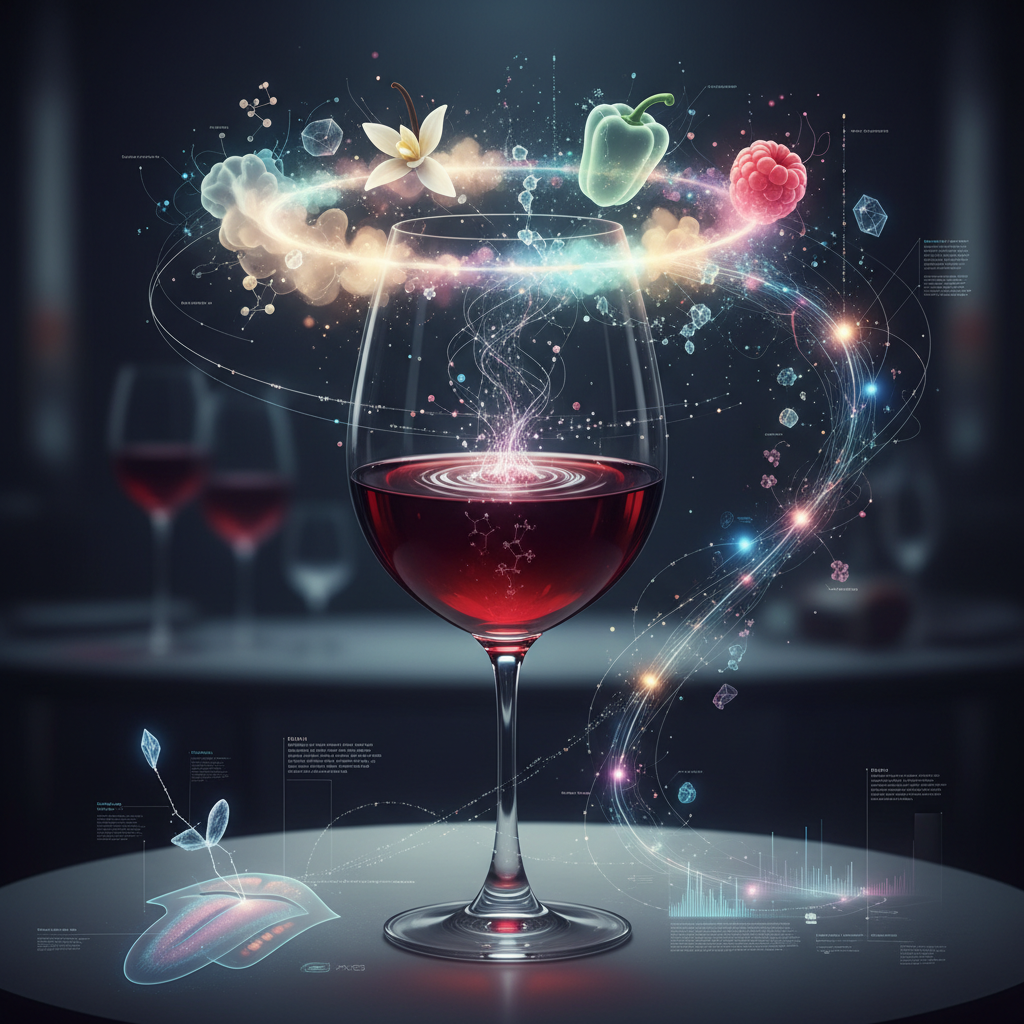
Understanding the intricate world of wine is akin to unlocking a complex sensory puzzle. Central to this journey is the fascinating domain of wine flavor perception science – the study of how our senses interact with the chemical compounds in wine to create the rich tapestry of flavors we experience. As we delve into 2026, advancements in neuroscience and analytical chemistry continue to shed new light on the mechanisms behind our enjoyment of a fine vintage. This exploration goes beyond mere taste, encompassing aroma, texture, and even psychological factors that contribute to our overall wine appreciation.
For additional insights into enhancing your appreciation, consider delving into The Art of Blind Tasting: Unlocking Your Palate's Full Potential in 2026.
The Neuroscience Behind Wine Flavor Perception Science
The human brain plays a pivotal role in constructing our perception of wine flavor. It’s not simply about what our taste buds detect, but how our brain integrates signals from various sensory organs. This complex interplay results in a holistic experience far greater than the sum of its parts.
Recent research in 2026 highlights the increasing understanding of neural pathways involved in flavor processing. Functional MRI studies are pinpointing specific brain regions activated during wine tasting, revealing the dynamic and distributed nature of flavor perception.
From Tongue to Brain: The Taste Pathway
Our tongue is equipped with taste buds, each containing specialized receptor cells that detect five primary tastes: sweet, sour, salty, bitter, and umami. These receptors bind with specific chemical compounds in wine, triggering electrical signals.
- Sweetness: Primarily from residual sugars (glucose, fructose).
- Sourness (Acidity): Due to organic acids like tartaric, malic, and citric acid.
- Bitterness: Often associated with tannins, especially in red wines.
- Salty: Rarely a dominant flavor in wine, but trace minerals can contribute.
- Umami: An emerging area of study, potentially influenced by yeasts and aging.
These initial signals travel via cranial nerves to the brainstem, then to the thalamus, and finally to the gustatory cortex, where taste is consciously perceived. This is just one facet of wine flavor perception science.
The Olfactory System: Aromatic Contributions
Aromas are arguably the most significant contributor to our perception of wine flavor. Without our sense of smell, wine would be a much duller experience. Volatile compounds, released from the wine, enter our nasal cavity via two routes:
- Orthonasal Olfaction: Sniffing aromas directly from the glass.
- Retronasal Olfaction: Aromas entering the nasal cavity from the back of the mouth when wine is in the mouth. This is where "flavor" truly originates.
The olfactory bulb processes these aromatic signals, sending them to the olfactory cortex and other brain regions, including the hippocampus and amygdala, which are involved in memory and emotion. This explains why certain wine aromas can evoke powerful memories. For a deeper dive into how our senses interpret wine, exploring The Sonic Sommelier: Exploring the Uncharted Connection Between Sound, Music, and Wine Perception in 2026 offers an intriguing perspective.
The Chemistry of Wine Flavor Perception
At the heart of wine flavor perception science lies an astounding array of chemical compounds. These compounds originate from the grape, fermentation, and aging processes, each contributing unique aromatic and taste profiles.
Understanding these chemical fingerprints allows winemakers to influence flavor development and enables consumers to identify specific characteristics. The ongoing advancements in analytical techniques in 2026 provide unprecedented insights into the phenolic and volatile composition of wines. Learn more about the crucial role of unseen elements in determining wine quality by reading about The Art of the Soil Microbe: Unseen Architects of Terroir and Wine Complexity in 2026.
Key Compounds and Their Flavor Contributions
Thousands of chemical compounds have been identified in wine, but a select few are primarily responsible for its distinctive flavors and aromas.
- Esters: Often contribute fruity aromas like apple, pear, pineapple (e.g., ethyl acetate, isoamyl acetate). They are largely products of fermentation.
- Terpenes: Found naturally in grape skins, they impart floral and citrus notes (e.g., linalool, geraniol in Gewürztraminer).
- Pyrazines: Contribute herbaceous or vegetal notes like bell pepper or grass (e.g., methoxypyrazines in Sauvignon Blanc, Cabernet Sauvignon).
- Norisoprenoids: Responsible for smoky, earthy, or fruity notes depending on their structure (e.g., TDN in aged Riesling giving petrol notes).
- Phenolics (Tannins and Anthocyanins): Provide bitterness, astringency, and color, along with some savory notes.
The concentration and interaction of these compounds create the complex bouquet and palate of a wine. It is a meticulous balance that dictates the quality and character of the vintage.
Influence of Terroir and Winemaking on Flavor
The concept of terroir – the complete natural environment in which a wine is produced, including soil, topography, and climate – profoundly influences the chemical composition of grapes and ultimately, the wine's flavor. Different terroirs lead to variations in acidity, sugar content, and phenolic development. For comprehensive insights into how regional characteristics and winemaker decisions shape the final product, delve into The Art of Terroir Translation: Unpacking Winemaker Philosophy and Regional Expression in 2026.
Winemaking techniques also play a crucial role. Fermentation temperature, yeast strains, malolactic fermentation, oak aging, and bottle aging all contribute to the final flavor profile. Each decision a winemaker makes impacts the chemical matrix that defines the wine flavor perception science. Sometimes, even happy accidents can lead to exceptional wines, as explored in The Art of the Winemaker's 'Happy Accident': Serendipity and Innovation in Crafting 2026's Exceptional Wines.
Beyond Taste and Smell: The Role of Texture and Mouthfeel
While taste and smell dominate the discussion, the tactile sensations of wine – collectively known as mouthfeel – are indispensable to our overall perception. These sensations are detected by nerve endings in the mouth and contribute significantly to our enjoyment and assessment of a wine's quality.
Mouthfeel attributes include astringency, viscosity (body), creaminess, warmth (from alcohol), and effervescence (in sparkling wines). These physical sensations provide a crucial third dimension to wine flavor perception science. Understanding these elements can even lead to The Art of the 'Negative Space' Pairing: Unveiling Unconventional Wine & Texture Harmony in 2026.
Understanding Astringency and Body
Astringency is a drying, puckering sensation, often associated with tannins. It's a tactile sensation, not a taste. The interaction of tannins with salivary proteins creates this feeling, and its intensity can vary greatly depending on the tannin structure and concentration.
Body refers to the perceived weight or viscosity of the wine in the mouth. It’s influenced by alcohol content, residual sugar, glycerin, and colloidal particles. A full-bodied wine feels rich and substantial, while a light-bodied wine feels delicate and refreshing.
These textural elements are integrated by the brain with taste and aroma signals, forming a complete and coherent flavor experience. Without them, wine would lack its characteristic richness and complexity.
The Psychology and Context of Wine Flavor Perception Science
The experience of wine is not purely objective; psychological factors and external context significantly influence how we perceive flavors. Our expectations, prior knowledge, mood, and even the social setting can alter our sensory interpretations.
This subjective aspect is a key part of wine flavor perception science, highlighting that flavor is a construct of both the wine's chemistry and our individual minds.
Influence of Expectations and Labels
Our expectations have a powerful impact on perception. If we anticipate a wine to be excellent (due to its price, reputation, or label), we are more likely to perceive it as such. Conversely, negative expectations can diminish our enjoyment.
Studies have shown that labeling a wine as "expensive" can even alter neural activity in brain regions associated with pleasure, independent of the wine's actual quality. This cognitive bias demonstrates the power of the mind in shaping our sensory world.
The Role of Memory and Learning
As we taste more wines, our "flavor vocabulary" expands, and our ability to identify specific aromas and tastes improves. This learning process builds a library of sensory memories that we draw upon during subsequent tastings. This continual refinement of the palate contributes to The Evolution of the Wine Palate: How Global Trends and Sensory Science are Reshaping 'Good Taste' in 2026.
Professional tasters develop highly refined sensory systems through extensive training and repeated exposure, allowing them to deconstruct the complex layers of wine flavor with remarkable precision. This continuous learning is fundamental to deepening one's understanding of wine flavor perception science.
Advances and Future Directions in Wine Flavor Research for 2026
The year 2026 sees continued innovation in methods for studying wine flavor perception science. New technologies are enhancing our ability to precisely measure chemical compounds and map neurological responses, bringing us closer to a complete understanding of why we perceive wine the way we do.
Key areas of focus include:
- Advanced Metabolomics: Using spectrographic data to identify and quantify thousands of compounds in a wine, far beyond what was previously possible.
- Neuroimaging Techniques: More sophisticated fMRI and EEG studies that provide real-time insights into brain activity during wine tasting, particularly in distinguishing between trained and untrained palates.
- Artificial Intelligence and Machine Learning: Developing algorithms to predict flavor profiles based on chemical data, and even to simulate sensory experiences. These technologies are set to revolutionize how we understand and control wine production.
- Genomics and Viticulture: Research into grape varietal genetics to understand how specific genes influence the development of key flavor precursors in the vine. More on this can be found in The Art of the Grapevine Genome: Unlocking Genetic Secrets for 2026's Next-Generation Wines.
- Sensory Science Methodologies: Refining panels and statistical analyses to capture more nuanced aspects of human perception, moving beyond simple 'liking' scales.
These ongoing developments promise to deepen our appreciation and technical understanding of wine, empowering winemakers to craft even more expressive and delightful wines, and enthusiasts to savor their complexity with greater insight. The European Committee of the Regions provides valuable insights into the broader context of scientific advancements in viticulture, which directly impact flavor perception studies, available through their news and events pages. Furthermore, for a global perspective on consumer preferences and trends driven by advanced flavor science, Wine Intelligence offers comprehensive reports, accessible via their industry reporting.
In conclusion, the journey into the wine flavor perception science is a fascinating intersection of chemistry, biology, psychology, and art. It highlights the incredible complexity of our sensory systems and the profound connection between a glass of wine and the human mind. As we move through 2026, the quest to unravel these delicious mysteries continues, inviting us all to explore the quantum palate.
Written by
Juniper Thorne is an experienced writer and educator with a deep passion for the world of wine. Bringing expertise in sensory analysis and wine culture to the Greatest Wine platform, Juniper helps readers explore and appreciate every nuance of wine.
Related Articles
The Vinous Arsenal: Essential Tools for Elevating Your Wine Experience in 2026
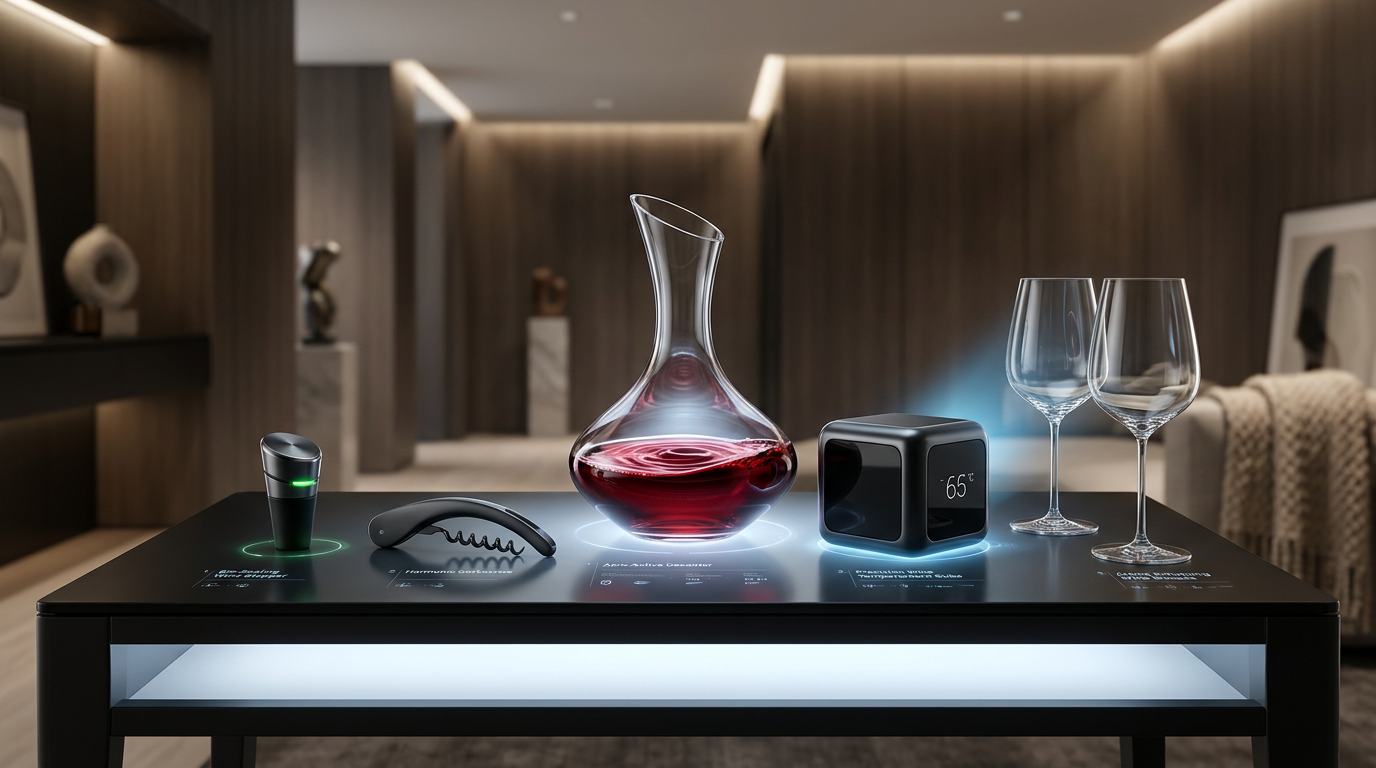
As we navigate May 2026, the world of wine continues to evolve, offering enthusiasts unprecedented tools. Discover the essential wine accessories for 2026 that will elevate your enjoyment, from innovative aerators to smart preservation systems. Upgrade your vinous arsenal today with Greatest Wine.
Juniper Thorne