The Evolution of the Wine Palate: How Global Trends and Sensory Science are Reshaping 'Good Taste' in 2026
The concept of "good taste" in wine is far from static. Indeed, the wine palate evolution is an ongoing journey, influenced by a dynamic interplay of global trends, scientific advancements in sensory analysis, and shifting consumer preferences. As we navigate 2026, understanding these profound changes is crucial for both seasoned connoisseurs and budding enthusiasts alike. This article delves into the forces driving the transformation of wine appreciation.

Wine Palate Evolution: Trends & Sensory Science
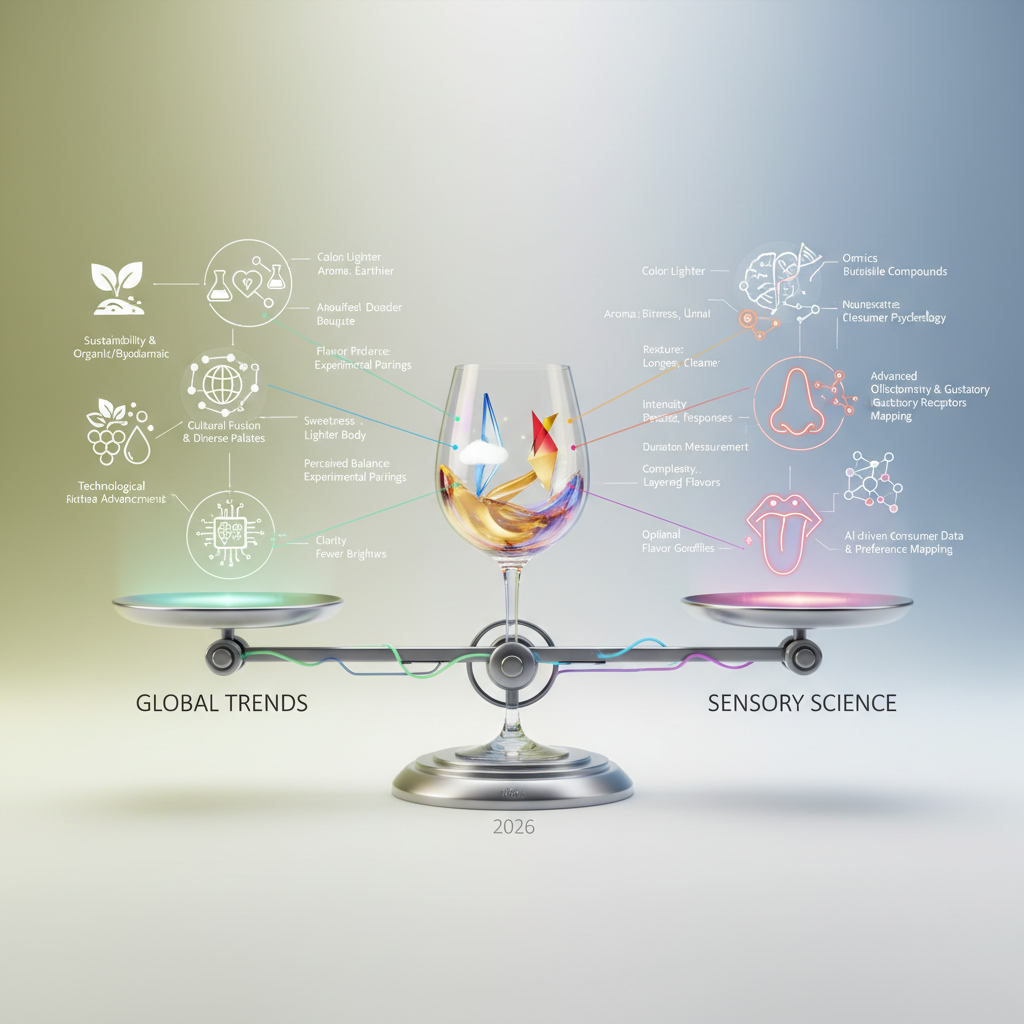
The concept of "good taste" in wine is far from static. Indeed, the wine palate evolution is an ongoing journey, influenced by a dynamic interplay of global trends, scientific advancements in sensory analysis, and shifting consumer preferences. As we navigate 2026, understanding these profound changes is crucial for both seasoned connoisseurs and budding enthusiasts eager to deepen their appreciation. This article delves into how our collective perception of wine is being refined, moving beyond traditional benchmarks to embrace a more diverse and informed understanding of what makes a wine truly exceptional.
Understanding the Mechanics of Wine Palate Evolution
Before we explore current trends, it's essential to grasp the fundamentals of how our palates develop. Tasting wine is a complex sensory experience involving sight, smell, and taste, all interpreted by our brains. Furthermore, our individual palates are not fixed; they are adaptable and can be trained. This adaptability is key to understanding wine palate evolution.
The journey from novice to expert taster involves conscious effort and consistent exposure. It's about building a sensory vocabulary and learning to identify specific characteristics effectively.
The Role of Sensory Science in Palate Development
Sensory science plays a pivotal role in demystifying wine tasting. Researchers are continually uncovering new insights into how taste receptors work and how environmental factors influence our perception. This scientific approach accelerates wine palate evolution.
- Neuroscience of Taste: Studies in 2026 continue to explore how the brain processes complex flavor profiles, shedding light on why certain wines evoke specific emotions or memories.
- Chemical Analysis: Advanced analytical techniques help identify the precise compounds responsible for aromas and and flavors, linking chemistry directly to sensory experience.
- Flavor Descriptors: Standardized descriptors and tasting grids provide a common language, consequently facilitating communication and learning among wine professionals and enthusiasts alike.
Training Your Palate: Practical Steps for Evolution
Developing a sophisticated palate is a skill that can be honed. Consistent practice and a structured approach are key to accelerating your wine palate evolution. Therefore, consider these practical steps:
- Systematic Tasting: Approach every glass with intention. Use a tasting grid to guide your observations on appearance, aroma, palate, and finish.
- Expand Your Exposure: Taste wines from diverse regions, varietals, and vintages. This broadens your sensory memory and helps you identify typical characteristics more accurately.
- Focus on Individual Components: Isolate acidity, tannin, sweetness, and alcohol. Learn to identify and describe each element independently before integrating them into a holistic impression.
Global Trends Driving the Wine Palate Evolution in 2026
Several significant global trends are actively shaping what consumers seek and appreciate in wine today. These trends reflect broader societal shifts towards sustainability, authenticity, and a more adventurous approach to food and drink. Consequently, the traditional dominance of certain regions and styles is being challenged by a surge in interest for new and often unconventional wines. This dynamic environment is a major factor in wine palate evolution.
The Rise of Organic and Biodynamic Wines
Sustainability is no longer a niche concern; it's a mainstream expectation. Consumers are increasingly discerning about how their wine is produced, leading to a boom in demand for organic, biodynamic, and natural wines. This trend significantly impacts wine palate evolution.
- Environmental Consciousness: Greater awareness of climate change and ecological impact drives consumer choices towards eco-friendly wines. For more on global wine trade impacts, see Beyond the Bottle: Unveiling the Economic and Societal Impact of the Global Wine Trade in 2026.
- Perceived Purity: Many believe these wines offer a more "authentic" expression of the terroir, with fewer interventions during production.
- Sensory Impact: Proponents often report that these wines possess a unique vibrancy and clarity not found in conventionally produced alternatives.
Exploration of Lesser-Known Varietals and Regions
Experimentation is a hallmark of the modern wine enthusiast. There's a growing appetite for discovery, moving beyond the familiar Cabernet Sauvignons and Chardonnays. Winemakers in emerging regions are gaining recognition, offering unique expressions that challenge established norms. This has a direct impact on our collective wine palate evolution, encouraging a broader appreciation. Explore more about Forgotten Grapes, Rediscovered Flavors: Exploring the Revival of Ancient Wine Varieties in 2026.
The Influence of "Low-Intervention" Winemaking
Natural wine, a segment of low-intervention winemaking, continues its upward trajectory in 2026. This philosophy emphasizes minimal human interference from vineyard to bottle, often resulting in wines with distinctive, sometimes edgy, characteristics that contribute to a diverse wine palate evolution.
- Cloudy & Unfiltered: Many natural wines appear unfined and unfiltered, contributing to their unique textural and visual profiles.
- Wild Fermentation: Reliance on ambient yeasts can introduce complex and sometimes unpredictable flavors.
- Slight Volatility: A touch of volatile acidity or 'funk' once considered a fault, is now often embraced by enthusiasts of this style as a sign of authenticity.
The Impact of Technology on Wine Appreciation
Technology is not only changing how wine is made but also how we learn about it, taste it, and share our experiences. From virtual reality vineyard tours to AI-powered pairing apps, innovation is everywhere. These advancements are making wine more accessible and helping individuals refine their wine palate evolution at an accelerated pace.
Digital Learning Platforms and AI Sommeliers
Online courses, comprehensive databases, and AI-driven recommendations are democratizing wine education. Enthusiasts can now access expert knowledge from anywhere in the world, actively influencing their wine palate evolution.
- Personalized Recommendations: AI algorithms analyze user preferences and suggest wines tailored to their evolving palate. Discover more about The AI Sommelier: Integrating Artificial Intelligence for Predictive Pairing and Personalized Wine Discovery in 2026.
- Virtual Tastings: Interactive online tastings with winemakers and experts provide immersive learning opportunities.
- Data-Driven Insights: Large datasets on wine characteristics and reviews help identify emerging taste patterns and preferences.
Advanced Preservation and Serving Technologies
Innovations in wine preservation systems and smart decanters are enhancing the tasting experience, allowing for greater exploration without waste. These tools encourage experimentation, which is vital for sustained wine palate evolution, as individuals can confidently open and sample a wider array of bottles. For an in-depth look at optimal preservation, visit The Art of the Home Cellar: Creating an Optimal Aging Environment for Your Collection in 2026.
The Sensory Science Behind Pairing: Elevating the Experience
Beyond individual tasting, the art and science of wine and food pairing are experiencing their own evolution. Understanding how flavors interact on a molecular level is crucial for creating truly harmonious combinations in 2026. This deeper understanding of sensory interplay significantly contributes to a more refined wine palate evolution for enthusiasts.
Synergy vs. Complementary Pairings
No longer is pairing just about matching red meat with red wine. Modern sensory science explores both synergistic pairings (where elements combine to create a new, enhanced flavor) and complementary pairings (where elements balance each other). For example, the umami in mushrooms can be amplified by certain earthy pinot noirs, creating a synergistic effect. For general pairing guidance, refer to Wine & Food Pairing: A Guide to Perfect Matches.
Exploring Unconventional Food & Wine Marriages
As palates broaden, so do adventurous food and wine pairings. Chefs and sommeliers are experimenting with combinations that challenge traditional rules, with surprisingly delightful results, thus stimulating further wine palate evolution.
- Asian Cuisine & Aromatic Whites: The spiciness and complexity of many Asian dishes find a perfect foil in aromatic white wines like Gewürztraminer or Riesling.
- Dessert Wines & Savory Dishes: The contrast of a rich Sauternes with foie gras is a classic, but experiments with other sweet wines and savory elements are gaining traction.
- Orange Wines & Fermented Foods: The unique texture and often oxidative notes of orange wines prove to be surprisingly versatile with fermented and pickled vegetables. You can learn more about The Art of the Unconventional Pairing: Beyond Chardonnay & Chicken in 2026.
The Future of "Good Taste": A Continuous Wine Palate Evolution
As we look ahead, the definition of "good taste" in wine will continue to broaden and diversify. The era of a singular, universally accepted ideal taste profile is fading, replaced by an appreciation for complexity, authenticity, and personal preference. The ongoing wine palate evolution reflects a deeper cultural shift towards individuality and informed enjoyment.
Embracing Diversity and Personal Preference
The most sophisticated palate in 2026 is one that is open-minded, knowledgeable, and capable of appreciating a vast spectrum of wine styles. It's about understanding why you like what you like, rather than simply conforming to external judgments. This includes wines made from forgotten grape varieties, those from emerging wine regions, and experimental winemaking techniques. Each offers a unique contribution to the global tapestry of wine, fostering continued wine palate evolution. For another perspective on taste perception, explore the unexpected connection between sound and wine via The Sonic Sommelier: Exploring the Uncharted Connection Between Sound, Music, and Wine Perception in 2026.
The Role of Experience and Education
Ultimately, the journey of wine palate evolution is one of continuous learning and experience. Engaging with wine through tasting groups, educational courses, and travel to wine regions enriches understanding and refines perception. The Greatest Wine platform aims to be a leading resource in this journey, providing the insights and tools necessary to navigate the exciting and ever-changing world of wine. Cheers to a future of limitless discovery and refined taste! Discover more about the journey of wine from its origins at Wines of Chile, a prime example of global terroir. To understand the scientific depth of taste, consider the information offered by The Monell Chemical Senses Center, a leading independent nonprofit research institute. For a broader overview of the world's wine scene, consult resources like Wine Folly, which provides accessible and comprehensive wine education.
Written by
Juniper Thorne is an experienced writer and educator with a deep passion for the world of wine. Bringing expertise in sensory analysis and wine culture to the Greatest Wine platform, Juniper helps readers explore and appreciate every nuance of wine.
Related Articles
The Vinous Verse: How Wine's Spirit Inspires 2026's Poetic and Literary Masterpieces
The intricate dance between the grape and the written word has enchanted humanity for millennia. Explore the profound connection between wine and literature, from ancient musings to 2026's contemporary narratives and poetic masterpieces. Discover how the world of wine continually inspires writers.
Juniper Thorne