The AI Sommelier: Integrating Artificial Intelligence for Predictive Pairing and Personalized Wine Discovery in 2026
The culinary world is evolving rapidly, and in 2026, AI wine pairing is at the forefront of enhancing gastronomic experiences. Imagine a personal sommelier, always accurate and capable of learning your preferences to suggest the perfect bottle for any dish or occasion. This transformative technology is redefining how we discover and enjoy wine.

AI Wine Pairing: Your Smart Sommelier for Perfect Pairings in 2026
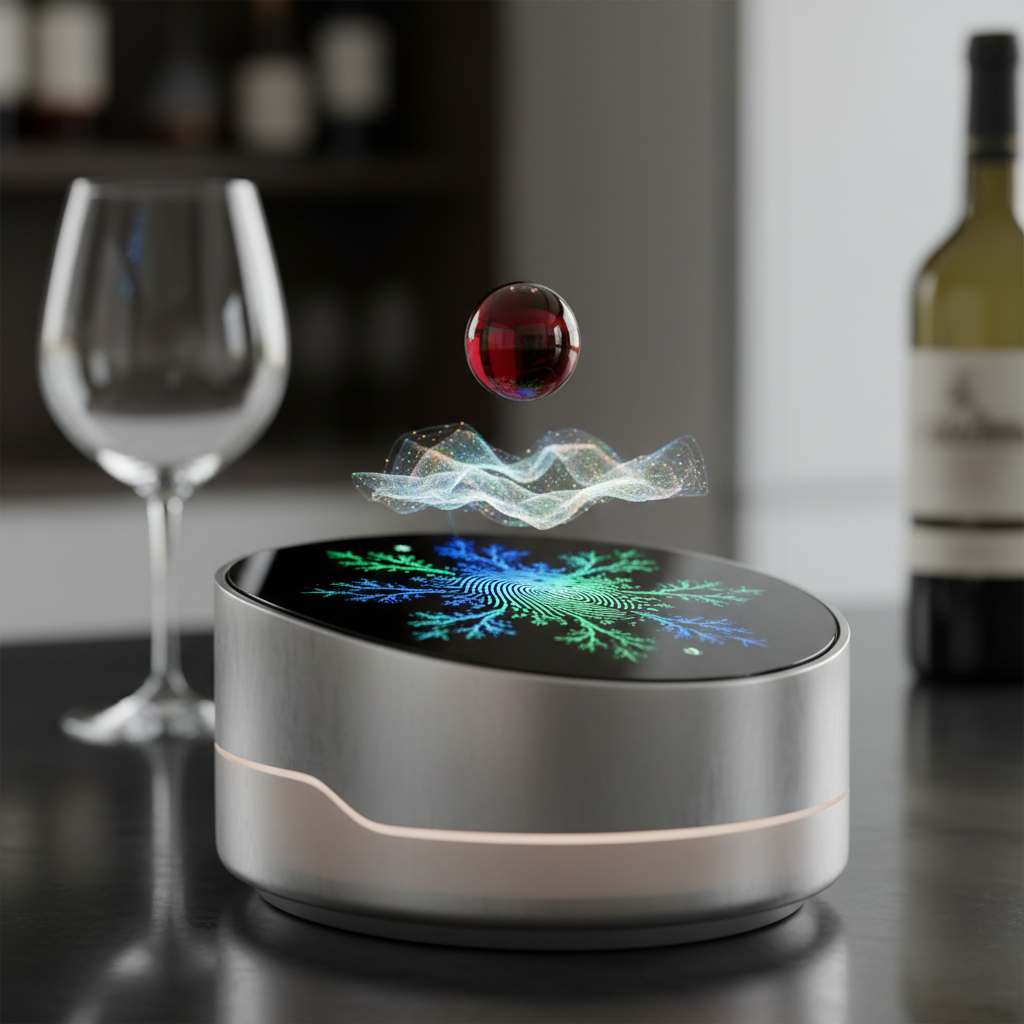
The culinary world is continuously evolving, and in 2026, technology is at the forefront of enhancing our gastronomic experiences. One of the most exciting innovations revolutionizing how we select and enjoy wine is AI wine pairing. Imagine a personal sommelier, always accurate and capable of learning your preferences to suggest the perfect bottle for any dish. This transformative technology is moving beyond novelty, becoming an indispensable tool for both casual enthusiasts and seasoned connoisseurs alike, offering predictive insights and personalized recommendations that elevate every sip and bite. For a deeper understanding of wine characteristics, you might find this guide on how to taste wine like a professional helpful.
The Evolution of AI Wine Pairing Technology
For centuries, wine pairing has been an art, relying on the expertise of sommeliers, traditional knowledge, and sometimes, trial and error. But with the rapid advancements in artificial intelligence and machine learning, this art is rapidly becoming a science. Modern AI systems analyze vast datasets, far exceeding human capacity, to identify patterns and make highly accurate recommendations.
In 2026, AI algorithms leverage millions of data points. For example, they consider:
- Chemical Composition of Wines: Detailed analysis of tannins, acidity, sweetness, and aroma compounds.
- Ingredient Profiles: Breakdown of flavors, textures, and cooking methods of specific dishes.
- User Preferences: Learning from past ratings, styles, and regional likes/dislikes.
- Professional Tasting Notes: Incorporating decades of sommelier expertise and critical reviews.
This comprehensive approach allows for an unprecedented level of precision. Indeed, it suggests the ideal wine, moving beyond general rules to highly specific recommendations tailored to individual palates and complex dishes. The goal is to maximize flavor harmony and create a truly memorable dining experience through intelligent AI wine pairing. Discover more about classic food and wine combinations in our comprehensive Wine & Food Pairing Guide.
How AI Algorithms Learn and Recommend Perfect Pairings
At the core of an effective AI wine pairing system is sophisticated machine learning. These algorithms are trained on extensive datasets that link specific wines to an array of food components. For instance, an AI might analyze how the high acidity of a Sauvignon Blanc interacts with the tartness of a goat cheese salad, or how the bold tannins of a Cabernet Sauvignon complement the richness of a grilled steak. The process involves:
- Data Ingestion: Collecting information on thousands of wines (grape variety, vintage, region, tasting notes) and countless food ingredients (flavor profiles, cooking methods).
- Pattern Recognition: Identifying correlations between wine characteristics and food elements that historically result in successful pairings.
- Preference Learning: Continuously refining recommendations based on user feedback, creating a personalized taste profile over time.
The more data the AI processes, and the more user interactions it records, the smarter and more accurate its recommendations become. Ultimately, this truly personalizes the wine discovery journey.
Personalized Wine Discovery with AI Wine Pairing
One of the most significant benefits of AI wine pairing is its ability to offer truly personalized recommendations. Gone are the days of choosing a wine based solely on broad categories. AI can delve into the nuances of your taste profile, even if you’re unsure how to articulate your preferences.
Consider a scenario where you've consistently rated full-bodied reds highly and often select dishes with rich, savory elements. An AI system will not only remember these patterns but will also anticipate your preferences when presented with a new menu or a new bottle. This level of personalization extends to suggesting wines you might not have considered, based on subtle similarities to your favorite profiles. It's about expanding your palate while staying within the boundaries of what you genuinely enjoy. For example, AI might seamlessly integrate knowledge about micro-appellation wines of 2026 to find a unique, personalized match.
Beyond Basic Recommendations: The Nuance Factor in AI Wine Pairing
Traditional wine pairing often adheres to general rules: white wine with fish, red wine with red meat. While these are good starting points, they often overlook the rich complexity that exists within each category. Modern AI wine pairing systems go much deeper. They consider:
- Regional Pairings: Suggesting wines traditionally consumed with local cuisine from a specific region.
- Cooking Methods: Differentiating between baked fish, grilled fish, or fried fish, each requiring a different wine approach.
- Sauce Complexity: Analyzing the ingredients of a sauce, which often dictates the appropriate wine better than the main protein.
- Spice Levels: Recommending wines that can stand up to heat or provide a refreshing contrast.
- Occasion and Mood: Adapting suggestions based on whether the user is looking for a celebratory sparkling wine or a comforting everyday red.
This nuanced approach ensures that the recommended wine perfectly complements every facet of the meal and the overall dining experience.
Integrating AI Wine Pairing in Everyday Life and Fine Dining
The applications for AI wine pairing are incredibly diverse, from empowering home cooks to assisting professional sommeliers. In 2026, we see this technology permeating various aspects of the wine and food industry.
For Home Enthusiasts
Mobile apps and smart kitchen devices now incorporate AI to suggest wines based on your planned dinner, ingredients you have on hand, or even a picture of a restaurant menu. This democratizes wine knowledge, making sophisticated pairings accessible to everyone without needing extensive wine education.
In Restaurants and Hotels
Fine dining establishments are utilizing AI to enhance their wine programs. AI can help sommeliers manage inventory, identify gaps in their wine list, and provide instant, data-driven recommendations to guests. This doesn't replace the human touch but augments it, allowing sommeliers to focus on the storytelling and guest interaction aspects of their role, while the AI handles complex data analysis for optimal AI wine pairing.
For Wineries and Retailers
AI helps in predicting consumer trends, optimizing product placement, and creating highly targeted marketing campaigns. By understanding what wines pair best with popular local dishes, retailers can better stock their shelves and offer relevant suggestions to customers, improving sales and customer satisfaction. A deeper understanding of consumer preferences can also be gleaned from industry reports, such as those from Wine Institute, detailing market trends and consumer behavior in 2026.
The Future of the AI Sommelier in 2026 and Beyond
Looking ahead, the capabilities of AI wine pairing are only set to expand. We can expect even more sophisticated integration with smart home technology, augmented reality (AR) experiences that overlay wine recommendations onto restaurant menus, and even predictive analytics that anticipate future taste trends.
Voice-activated assistants are becoming more adept at understanding complex queries, making it easier than ever to ask, "What wine pairs best with this spicy shrimp pasta I'm making tonight?" The AI will not only provide suggestions but also explain why those pairings work, thereby educating the user and deepening their appreciation for wine. This seamless blend of technology and tradition promises to make wine enjoyment more precise, personal, and pleasurable than ever before. Insights into leading AI developments can often be found through technology news outlets like TechCrunch, which covers broader AI applications.
Challenges and Ethical Considerations in AI Wine Pairing
While the advent of AI wine pairing presents numerous advantages, it also brings forth a set of challenges and ethical considerations that must be addressed. Relying solely on algorithms, no matter how advanced, risks overlooking the subjective nature of taste and the cultural significance of wine.
One primary concern is the potential for algorithmic bias. If the training data primarily reflects pairings from specific regions or culinary traditions, the AI might inadvertently marginalize or undervalue valid pairings from other cultures. Ensuring a diverse and inclusive dataset is crucial for the AI to provide globally relevant and equitable recommendations. Another challenge is maintaining the 'romance' of wine. Part of the appeal of wine lies in discovery, personal preference, and the human element of recommendation. Therefore, over-reliance on AI could diminish this experiential aspect for some enthusiasts. The balance lies in leveraging AI as a powerful tool to enhance, not replace, human judgment and intuition. For more detailed information on ethical AI development, resources like the IEEE Global Initiative on Ethics of Autonomous and Intelligent Systems provide valuable frameworks.
Data privacy is also paramount. Personalized recommendations rely on user input and preferences, necessitating robust data protection measures to ensure that sensitive taste profiles and consumption habits remain secure. As we move further into 2026, developers of AI wine pairing systems must prioritize these ethical guidelines. This will foster trust and ensure the technology serves as a beneficial partner in exploration rather than an authoritative, unyielding voice.
Written by
Juniper Thorne is an experienced writer and educator with a deep passion for the world of wine. Bringing expertise in sensory analysis and wine culture to the Greatest Wine platform, Juniper helps readers explore and appreciate every nuance of wine.
Related Articles
The Art of the Vinous Synchronicity: Mastering Wine and Event Pairing for 2026's Unforgettable Moments
In 2026, creating truly memorable experiences hinges on mastering the art of sensory harmony. The intricate dance of flavors, aromas, and ambiance culminates in the perfect wine and event pairing, transforming any gathering into an extraordinary affair. This guide explores strategies to achieve vinous synchronicity.
Juniper Thorne