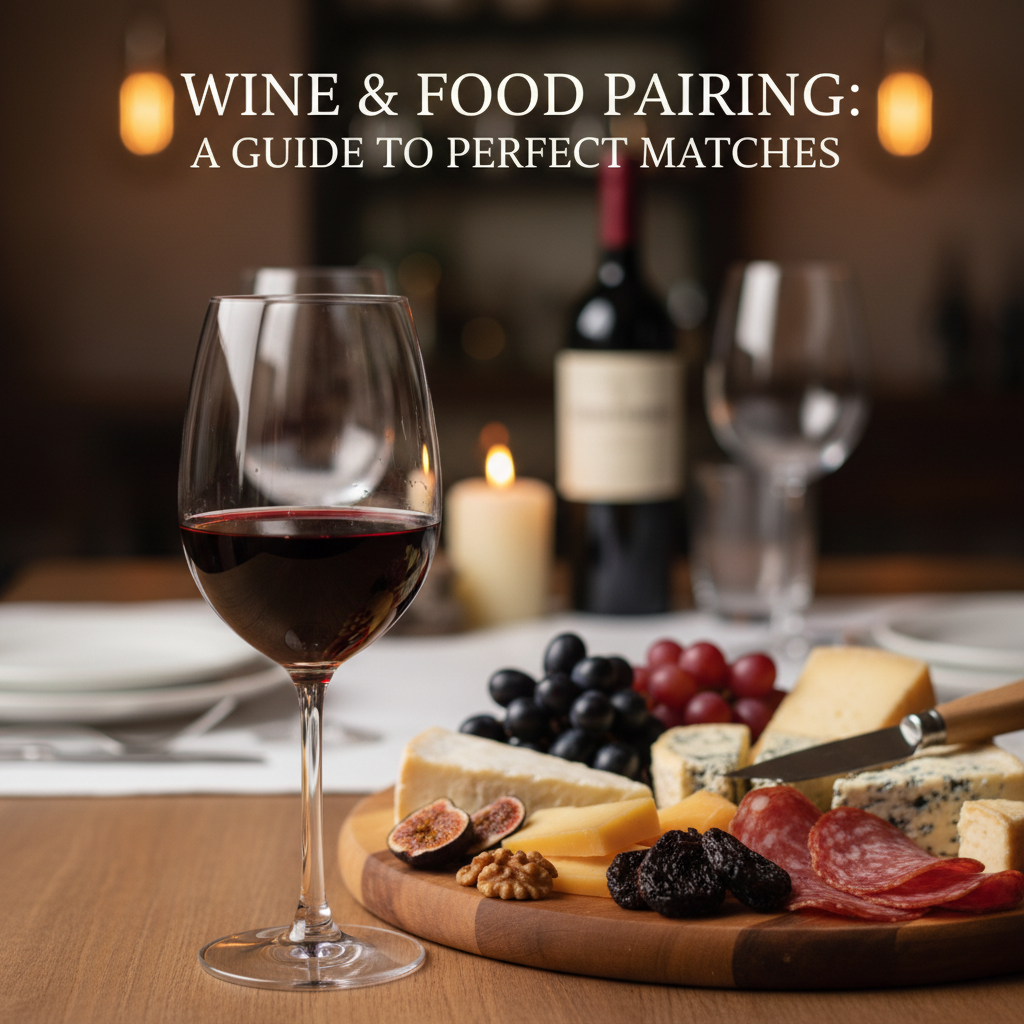
Wine & Food Pairing: A Guide to Perfect Matches
This comprehensive guide unlocks the secrets of wine and food pairing, transforming simple meals into extraordinary culinary experiences. Learn principles, classic combinations, and master harmonious dining.

Wine Food Pairing: A Comprehensive Guide to Perfect Matches
Meta Description: Unlock the secrets of wine and food pairing with our comprehensive guide. Discover how to elevate your culinary experiences by matching the perfect wine to every dish, from everyday meals to gourmet creations. Learn the principles, explore classic combinations, and master the art of harmonious dining.
Wine food pairing is an art form that transforms a simple meal into an extraordinary culinary experience. This guide will delve into the core principles of wine food pairing, providing practical advice and inspiring ideas for both novice enthusiasts and seasoned connoisseurs. It's about more than just personal preference; it involves understanding the fundamental characteristics of both wine and food and how they interact on the palate. A well-chosen wine food pairing can enhance flavors, balance textures, and create a synergistic effect that elevates both components.
The goal of wine food pairing is to achieve balance and harmony. You want the wine and food to complement each other, with neither overpowering the other. When done correctly, the combined experience is greater than the sum of its parts. This journey into the world of perfect matches will equip you with the knowledge to confidently select wines that will elevate any meal, from a casual weeknight dinner to a celebratory feast. Mastering the art of wine food pairing can truly transform your dining experiences.
The Fundamental Principles of Successful Wine Food Pairing
Successful wine food pairing relies on a few key principles. Understanding these foundational concepts will empower you to make informed decisions and experiment with confidence. These principles act as a roadmap, guiding you towards combinations that delight the senses and create memorable wine food pairing experiences.
Matching Intensity and Weight in Wine Food Pairing
One of the most crucial principles in wine food pairing is to match the intensity and weight of the wine with the intensity and weight of the food. A delicate white wine would be overwhelmed by a rich, heavy stew, just as a full-bodied red wine would overshadow a light salad. The goal is for both to have a similar "presence" on the palate, ensuring a balanced wine food pairing.
Consider the richness, fat content, and overall robustness of the dish. Similarly, evaluate the wine's body, alcohol content, and flavor concentration. Lighter wines pair well with lighter dishes, while bolder wines require dishes that can stand up to their character. This thoughtful approach is central to effective wine food pairing.
Complementing or Contrasting Flavors for Optimal Wine Food Pairing
Pairings can work in two primary ways: by complementing flavors or by contrasting them. Complementary pairings involve matching similar flavor profiles, creating a harmonious blend. For example, an earthy mushroom dish often pairs beautifully with a Pinot Noir, which can have earthy undertones, showcasing a perfect wine food pairing.
Contrasting pairings, on the other hand, rely on opposing characteristics to create balance. A classic example is a crisp, high-acidity Sauvignon Blanc with rich, fatty goat cheese. The acidity of the wine cuts through the richness of the cheese, cleansing the palate and preparing it for the next bite. Understanding when to complement and when to contrast is key to mastering the art of wine food pairing.
Acidity, Tannins, Sweetness, and Alcohol in Wine Food Pairing
These four components are critical considerations in both wine and food, directly impacting the success of your wine food pairing.
- Acidity: High-acid wines (like Sauvignon Blanc, Riesling, or sparkling wines) are excellent with rich, fatty foods as they cut through the richness and cleanse the palate. They also pair well with acidic dishes, such as those with tomato sauces or citrus, making for a refreshing wine food pairing.
- Tannins: Found primarily in red wines (e.g., Cabernet Sauvignon, Syrah), tannins create a drying sensation in the mouth. They bind with proteins and fats, making tannic wines ideal companions for rich, fatty meats like steak or lamb. Avoid high-tannin wines with delicate fish, as they can make the fish taste metallic, which would be a poor wine food pairing.
- Sweetness: Sweet wines (like Port, Sauternes, or Moscato d'Asti) should always be sweeter than the dessert they accompany. If the wine is less sweet, it will taste sour. Sweet wines also offer a delightful contrast to salty or spicy dishes, creating an intriguing wine food pairing.
- Alcohol: High-alcohol wines can intensify spicy foods, so be mindful when pairing them. They also contribute to the "weight" of the wine, influencing intensity matching for your wine food pairing.
Classic Wine Food Pairing Combinations You Must Try
Certain wine food pairing combinations have stood the test of time, becoming beloved classics for good reason. These combinations offer a reliable starting point for anyone exploring the world of wine and food. They demonstrate the principles in action and provide a foundation for further experimentation in wine food pairing.
Red Meat and Red Wine Food Pairing
This is perhaps the most iconic wine food pairing. Rich, fatty cuts of red meat, such as steak, lamb, or beef roasts, demand a robust red wine.
- Cabernet Sauvignon: Its firm tannins and notes of blackcurrant and cedar are a perfect match for grilled steaks and prime rib. The tannins interact with the proteins in the meat, softening the wine and enhancing the meat's flavor, making it an ideal wine food pairing.
- Merlot: Softer tannins and notes of plum and cherry make it a versatile choice for leaner cuts of beef, roasted chicken, or even hearty pasta dishes with meat sauces, offering another excellent wine food pairing.
- Pinot Noir: With its lighter body, higher acidity, and earthy, fruity notes, Pinot Noir is excellent with duck, salmon, mushrooms, and lighter red meats. Its versatility makes it a go-to for many wine food pairing scenarios.
Poultry and White or Lighter Red Wine Food Pairing
The type of poultry and its preparation dictate the best wine choice for a successful wine food pairing.
- Chardonnay (unoaked or lightly oaked): A crisp, unoaked Chardonnay pairs beautifully with roasted chicken or turkey, especially with creamy sauces. A lightly oaked version can stand up to richer preparations, ensuring a delightful wine food pairing.
- Sauvignon Blanc: Its vibrant acidity and herbal notes are fantastic with grilled chicken, turkey, or chicken salads, particularly those with citrus or herb components, proving to be a refreshing wine food pairing.
- Pinot Noir: As mentioned, Pinot Noir's lighter body and red fruit character make it a superb match for roasted chicken, duck, and even Thanksgiving turkey, offering a versatile wine food pairing.
Fish and Seafood Wine Food Pairing
Generally, white wines are the preferred choice for fish and seafood, though some preparations can call for a light-bodied red for a unique wine food pairing.
- Sauvignon Blanc: Its crispness and citrus notes are ideal with delicate white fish, oysters, and shellfish, making for a classic wine food pairing.
- Pinot Grigio/Gris: Light, dry, and refreshing, it's a versatile choice for most seafood, especially grilled shrimp or pan-fried white fish, a reliable wine food pairing.
- Chardonnay (unoaked): Pairs well with richer fish like halibut or cod, particularly when prepared with butter or cream sauces, a satisfying wine food pairing.
- Sparkling Wine (Champagne, Cava, Prosecco): The effervescence and acidity of sparkling wines make them excellent with fried fish, oysters, and virtually any light seafood appetizer, offering a celebratory wine food pairing.
Cheese Wine Food Pairing
Cheese and wine are a match made in heaven, but the variety of cheeses means there’s no one-size-fits-all answer for wine food pairing.
- Soft, creamy cheeses (Brie, Camembert): Often pair well with sparkling wines, unoaked Chardonnay, or even a light, fruity Pinot Noir. The acidity cuts through the richness, creating a balanced wine food pairing.
- Hard, aged cheeses (Parmesan, Cheddar): These bold cheeses can stand up to robust reds like Cabernet Sauvignon or Syrah, or even a rich, full-bodied Chardonnay, making for a powerful wine food pairing.
- Goat cheese: Its tangy, earthy notes are famously complemented by the crisp, herbaceous acidity of Sauvignon Blanc, a quintessential wine food pairing.
- Blue cheeses (Roquefort, Gorgonzola): The pungent, salty flavors of blue cheese find their perfect partner in sweet wines like Sauternes or Port, creating a delightful contrast in this wine food pairing.
Beyond the Basics: Advanced Wine Food Pairing Strategies
Once you've mastered the fundamental principles and classic combinations, you can begin to explore more nuanced and adventurous wine food pairing techniques. This involves considering specific flavor components and regional affinities.
Regional Pairings: What Grows Together, Goes Together for Wine Food Pairing
A time-honored adage in wine food pairing is "what grows together, goes together." This principle suggests that wines and cuisines from the same region often share a natural affinity. This is due to centuries of culinary evolution alongside local viticulture, leading to inherent wine food pairing success.
For example, Italian Sangiovese (Chianti, Brunello) pairs exquisitely with Italian pasta dishes, tomato-based sauces, and cured meats. Spanish Albariño from Galicia is a natural match for the region's abundant seafood. Exploring regional pairings is a fantastic way to discover authentic and harmonious combinations for wine food pairing. Consider wines from Bordeaux with classic French beef dishes, or Greek Assyrtiko with grilled seafood and feta.
Wine Food Pairing with Challenging Dishes
Some foods are notoriously challenging to pair with wine due to their intense or complex flavor profiles. However, with careful consideration, successful wine food pairing is still possible.
- Asparagus: Its high levels of asparagusic acid can make wine taste metallic. Try a crisp, herbaceous Sauvignon Blanc or a dry Riesling for a better wine food pairing.
- Artichokes: Contain cynarin, which makes other foods and drinks taste sweet. Avoid tannic reds. Dry, unoaked white wines like Pinot Grigio or Sauvignon Blanc are safer bets for wine food pairing.
- Spicy Food: High alcohol can intensify heat. Opt for low-alcohol, aromatic, and often slightly sweet wines like Riesling, Gewürztraminer, or Moscato d'Asti. The sweetness and fruitiness balance the spice in this wine food pairing.
- Vinegar-based dressings: The acidity in vinegar can clash with many wines. Try wines with high acidity themselves, such as Sauvignon Blanc or sparkling wines, or avoid wine altogether with very strong vinaigrettes for a more harmonious wine food pairing.
Wine Food Pairing for Desserts
Pairing wine with dessert requires particular attention to sweetness levels for a successful wine food pairing.
- Sweetness Rule: The wine must always be sweeter than the dessert. If the dessert is sweeter, the wine will taste sour and thin, resulting in a poor wine food pairing.
- Fruit-based desserts: Often pair well with Moscato d'Asti, Prosecco, or a late-harvest Riesling, making for a refreshing wine food pairing.
- Chocolate desserts: Dark chocolate can be challenging. Try a rich, fortified wine like Port or a Banyuls. Milk chocolate might pair with a slightly less intense sweet red, offering a delightful wine food pairing.
- Creamy desserts (Crème brûlée, Panna Cotta): Sauternes, Tokaji, or a rich late-harvest white wine can be wonderful for this type of wine food pairing.
Practical Tips for Successful Wine Food Pairing
Beyond the theoretical knowledge, a few practical tips can enhance your wine food pairing experience. These small adjustments can make a big difference in how you perceive the wine and food together.
Consider the Sauce and Preparation for Wine Food Pairing
The primary ingredient of a dish is important, but the sauce and method of preparation often play an even bigger role in determining the best wine food pairing. A plain grilled chicken breast will call for a different wine than a chicken dish prepared with a rich mushroom cream sauce or a spicy Asian glaze. Always consider the dominant flavors and textures introduced by the cooking method and accompanying sauces for optimal wine food pairing.
Trust Your Palate in Wine Food Pairing
While principles and classic pairings provide an excellent starting point, ultimately, your personal preference matters most for wine food pairing. Don't be afraid to experiment and discover what you enjoy. The "rules" are guidelines, not unbreakable laws. If you love a particular wine with a certain dish, that's the perfect wine food pairing for you!
Keep an Open Mind for New Wine Food Pairing Discoveries
The world of wine and food is vast and constantly evolving. Be open to trying new combinations and challenging conventional wisdom. Some of the most delightful wine food pairing experiences are discovered through adventurous exploration. Attend wine tastings, try new restaurants, and don't hesitate to ask for recommendations from sommeliers or wine shop staff to expand your wine food pairing horizons.
Serve Wine at the Correct Temperature for Better Wine Food Pairing
Serving wine at its optimal temperature significantly impacts its flavor profile and how it interacts with food, directly affecting your wine food pairing experience. Too warm, and whites can seem flabby; too cold, and reds can taste harsh and tannic.
- Red Wines: Generally served slightly below room temperature, around 16-18°C (60-65°F), for optimal wine food pairing.
- White and Rosé Wines: Best served chilled, around 8-12°C (45-55°F), for refreshing wine food pairing.
- Sparkling Wines: Served well-chilled, around 6-8°C (43-47°F), ideal for celebratory wine food pairing.
For more detailed information on serving temperatures and other aspects of wine enjoyment, explore our articles on Wine Serving Etiquette and Understanding Wine Aromas to enhance your wine food pairing knowledge.
Conclusion: Elevating Your Culinary Journey with Wine Food Pairing
The journey of wine food pairing is a continuous exploration of flavors, aromas, and textures. By understanding the fundamental principles of matching intensity, complementing or contrasting flavors, and considering key wine components, you can unlock a world of harmonious culinary experiences. From classic combinations to adventurous new discoveries, the perfect wine food pairing is waiting to elevate your next meal.
Remember to consider the sauce, preparation, and ultimately, your own palate. With practice and an open mind, you'll soon be confidently selecting wines that not only enhance your food but also tell a story about the rich culture and craftsmanship behind each bottle. Cheers to many delicious wine food pairing discoveries! Explore our other guides on Wine Tasting Techniques and Global Wine Regions to further deepen your wine knowledge and improve your wine food pairing skills.
Written by
Kaito brings together deep wine knowledge and Japan’s refined aesthetic, offering Greatest Wine readers a unique perspective on wine tasting, culture, and the art of pairing. With global connections and mastery in sensory analysis, he conveys the subtleties of wine to both newcomers and seasoned experts alike.
Related Articles

The Art of the Vinous Synchronicity: Mastering Wine and Event Pairing for 2026's Unforgettable Moments
In 2026, creating truly memorable experiences hinges on mastering the art of sensory harmony. The intricate dance of flavors, aromas, and ambiance culminates in the perfect wine and event pairing, transforming any gathering into an extraordinary affair. This guide explores strategies to achieve vinous synchronicity.
 Juniper Thorne