The Art of the 'Fifth Element': Deconstructing Umami's Role in Wine Pairing and Flavor Perception for 2026
In the evolving world of gastronomy and oenology, understanding the nuances of flavor is paramount. One key element that has captivated chefs and sommeliers alike is umami, often referred to as the fifth basic taste. Its savory, brothy, and mouth-filling qualities can elevate a dish from good to exceptional, and its interaction with wine is a critical aspect of modern culinary arts. This article delves into umami's role in wine pairing and flavor perception, offering insights for 2026.

The Art of the 'Fifth Element': Deconstructing Umami's Role in Umami Wine Pairing and Flavor Perception for 2026
In the evolving world of gastronomy and oenology, understanding the nuances of flavor is paramount. One key element that has captivated chefs and sommeliers alike is umami, often referred to as the fifth basic taste. Its savory, brothy, and mouth-filling qualities can elevate a dish from good to exceptional, and its interaction with wine is a complex but rewarding area of study. This comprehensive guide delves into the fascinating world of umami wine pairing, exploring how this elusive taste impacts our perception of wine and how to achieve harmonious culinary experiences in 2026 and beyond.
Understanding Umami: The Elusive Fifth Taste and Its Impact on Umami Wine Pairing
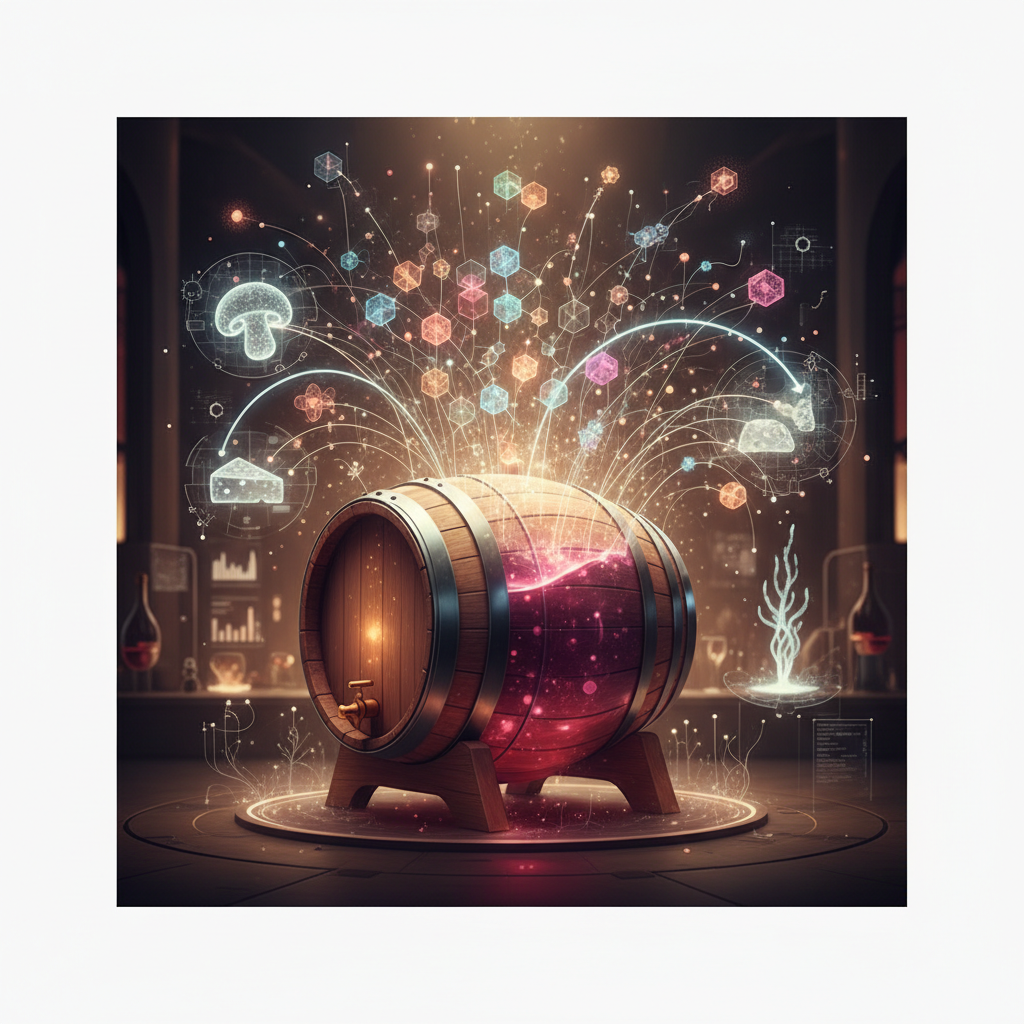
Before we can master umami wine pairing, it's crucial to grasp what umami truly is. Discovered by Japanese scientist Kikunae Ikeda in the early 20th century, umami is derived from the Japanese word for "savory" or "delicious essence." It is primarily detected through the presence of glutamate, an amino acid, and ribonucleotides such as inosinate and guanylate.
These compounds are naturally found in a wide variety of foods, often those with a rich, complex flavor profile that develops through aging, fermentation, or cooking. Recognizing these sources is the first step towards successful pairings.
Key Characteristics of Umami-Rich Foods
- Savory Depth: Umami contributes a profound, lingering savoriness that isn't easily defined as merely salty, sweet, sour, or bitter.
- Mouthfeel Enhancement: It often creates a pleasant coating or fullness in the mouth, enhancing the overall textural experience.
- Salivation Stimulation: Umami stimulates saliva production, which can cleanse the palate and prepare it for the next bite or sip.
- Flavor Amplification: It has a unique ability to enhance and balance other flavors, making dishes taste richer and more satisfying.
Common Sources of Umami
The culinary landscape is rich with umami. Identifying these ingredients is fundamental to navigating umami wine pairing successfully.
- Mushrooms: Especially dried shiitake, porcini, and cremini.
- Cheeses: Aged Parmesan, Gruyère, and Emmental are particularly high in glutamate.
- Cured Meats: Prosciutto, bacon, and salami.
- Tomatoes: Sun-dried and ripe, cooked tomatoes (like in tomato paste or sauces).
- Soy Sauce and Miso Paste: Fermented soy products are umami powerhouses.
- Seaweed: Kombu and nori, staples in many Asian cuisines.
- Fish Sauce and Anchovies: Provide intense savory notes.
- Green Tea: Especially matcha, which has a distinct umami undertone.
The Paradox of Umami: Why It Can Challenge Wine Pairings
While umami is a desirable trait in food, it presents a unique challenge when it comes to wine. Unlike salt, fat, or acidity, which generally make wines taste better or more balanced, umami can have the opposite effect. This phenomenon is often referred to as "umami clash."
When paired incorrectly, umami can make wines taste:
- More Astringent: Heightening the perception of tannins, making the wine feel rougher.
- More Bitter: Intensifying any underlying bitterness in the wine.
- Metallic or Tart: Altering the fruit profile and making the wine seem less pleasant.
- Thinner or Less Fruity: Dulling the wine's inherent flavors and body.
This challenge is precisely why thoughtful umami wine pairing is so crucial. The goal is to mitigate these negative effects and find wines that complement or even amplify the best qualities of both the food and the wine.
Strategies for Successful Umami Wine Pairing in 2026
Despite the challenges, mastering umami wine pairing is entirely achievable with the right approach. The key lies in understanding how to balance and counteract umami's potentially negative impact on wine.
Strategy 1: Counteracting Umami with Other Tastes
The most effective way to manage umami in a dish is to introduce elements that balance it. These elements often come from the other basic tastes:
- Acidity: High-acid wines or dishes with added acidity (lemon juice, vinegar) can cut through umami's richness and refresh the palate. Think of how a squeeze of lemon brightens a mushroom dish.
- Salt: A touch of salt in the food can help bridge the gap between umami and wine, making the wine taste less bitter or astringent.
- Fat: Fatty components in food can soften the impact of umami and provide a pleasant textural counterpoint, making wines seem less harsh. Consider creamy sauces or rich meats.
- Sweetness: While less common, a hint of sweetness can sometimes balance intense savory notes, especially in Asian-inspired dishes.
When cooking with umami-rich ingredients, consciously adding these balancing elements will greatly improve your wine pairing options, aligning with principles of crafting sensory landscapes.
Strategy 2: Choosing Wines That Complement or Withstand Umami
Certain wine styles are inherently better suited for dishes high in umami. These wines often share specific characteristics that help them stand up to or harmonize with the savory notes.
Low Tannin, High Acidity Whites and Reds
Wines with considerable tannin levels tend to clash most with umami, as umami exaggerates tannic bitterness. Therefore, opting for wines with lower tannins is a smart move for umami wine pairing.
- White Wines:
- Champagne/Sparkling Wine: The acidity and effervescence cleanse the palate beautifully.
- Albariño: Crisp acidity and minerality work well.
- Sauvignon Blanc: Its herbaceous notes can complement certain umami-rich vegetables.
- Dry Riesling: High acidity and aromatic profile make it versatile.
- Red Wines:
- Pinot Noir: Low tannins, high acidity, and earthy notes often make it an ideal choice.
- Gamay (Beaujolais): Light, fruity, and low in tannin.
- Valpolicella Classico: Often bright with good acidity and soft tannins.
Aromatic and Earthy Wines
Wines with earthy or savory secondary characteristics can often find common ground with umami-rich foods, creating a synergistic effect.
- Aged Nebbiolo (with caution): While tannic when young, aged Nebbiolo can develop earthy, truffled notes that, particularly with some highly aged umami foods, can be a revelation. This requires careful consideration of the specific dish.
- Mushroom-friendly whites/reds: Wines with notes that echo those of mushrooms (e.g., some mature Burgundy Chardonnays or aged Pinot Noirs) can be excellent. This speaks to the unseen architects of terroir.
Fortified and Oxidative Wines
These unique wine styles often possess their own umami-like qualities or the structure to handle intense savory dishes.
- Dry Sherry (Fino, Manzanilla, Amontillado): Exceptionally food-friendly due to their saline, nutty, and sometimes mushroomy notes. They have a natural affinity for many umami sources, from cured meats to aged cheeses.
- Dry Madeira: Its oxidative notes and high acidity make it robust enough for intensely flavored foods.
Examples of Winning Umami Wine Pairing Combinations in 2026
Let's put theory into practice with some concrete examples of successful umami wine pairing.
- Grilled Portobello Mushroom Burger with Gruyère:
- Wine: Pinot Noir (e.g., from Burgundy or Oregon). The wine's earthy notes will echo the mushrooms, its acidity will cut through the cheese, and its low tannins won't clash.
- Why it works: Earthiness meeting earthiness, acidity cleansing the palate.
- Parmesan Risotto with Truffle Oil:
- Wine: Barolo (aged) or a robust Chardonnay (with balanced oak, not overly buttery).
- Why it works: The earthy, sometimes truffled notes of aged Barolo or the creamy texture and nutty hints of Chardonnay find synergy with the rich, umami-laden risotto.
- Miso-Glazed Salmon:
- Wine: Dry Riesling or Gewürztraminer.
- Why it works: The aromatic intensity and acidity of these white wines stand up to the bold, savory-sweet miso, while complementing the richness of the salmon.
- Prosciutto and Melon:
- Wine: Fino Sherry or a crisp, dry sparkling wine.
- Why it works: The saltiness and umami of the prosciutto are beautifully balanced by the fruitiness of the melon and the salinity/acidity of the wine, creating a refreshing contrast.
- Tomato-Based Pasta with Mushrooms and Anchovies:
- Wine: Chianti Classico or Barbera d'Asti.
- Why it works: These Italian reds offer high acidity to match the tomato, and their savory, sometimes herbaceous characteristics complement the umami from the mushrooms and anchovies without being overly tannic.
The Future of Umami in Wine Culture as of 2026
As we navigate the culinary landscape of 2026, the appreciation and understanding of umami continue to grow. Chefs are increasingly harnessing its power, and sommeliers are refining their approach to umami wine pairing. With global palates becoming more adventurous and diverse, the demand for nuanced pairing advice is higher than ever, a topic often discussed in sommelier journals chronicling the evolution of taste.
The wine industry is also taking note. There's an ongoing conversation about how winemaker decisions – from grape choice to fermentation techniques – can influence a wine's inherent ability to pair with umami. Research into winemaking practices that naturally reduce perceived bitterness or highlight savory notes in wine is advancing, promising even more exciting pairing possibilities in the years to come. For instance, explorations into sculpting flavor with indigenous yeast play a role.
Ultimately, the journey of umami wine pairing is one of continuous exploration and enjoyment. By recognizing umami, understanding its effects, and applying thoughtful pairing strategies, you can unlock a new dimension of flavor and elevate your meals to truly extraordinary experiences. For more insights into how flavor perception is evolving, consider exploring the broader concepts of umami in the context of wine.
Written by
Juniper Thorne is an experienced writer and educator with a deep passion for the world of wine. Bringing expertise in sensory analysis and wine culture to the Greatest Wine platform, Juniper helps readers explore and appreciate every nuance of wine.
Related Articles

The Art of the Vinous Synchronicity: Mastering Wine and Event Pairing for 2026's Unforgettable Moments
In 2026, creating truly memorable experiences hinges on mastering the art of sensory harmony. The intricate dance of flavors, aromas, and ambiance culminates in the perfect wine and event pairing, transforming any gathering into an extraordinary affair. This guide explores strategies to achieve vinous synchronicity.
Juniper Thorne