The Art of the Winemaker's Palette: Sculpting Flavor with Indigenous Yeast and Minimal Intervention in 2026
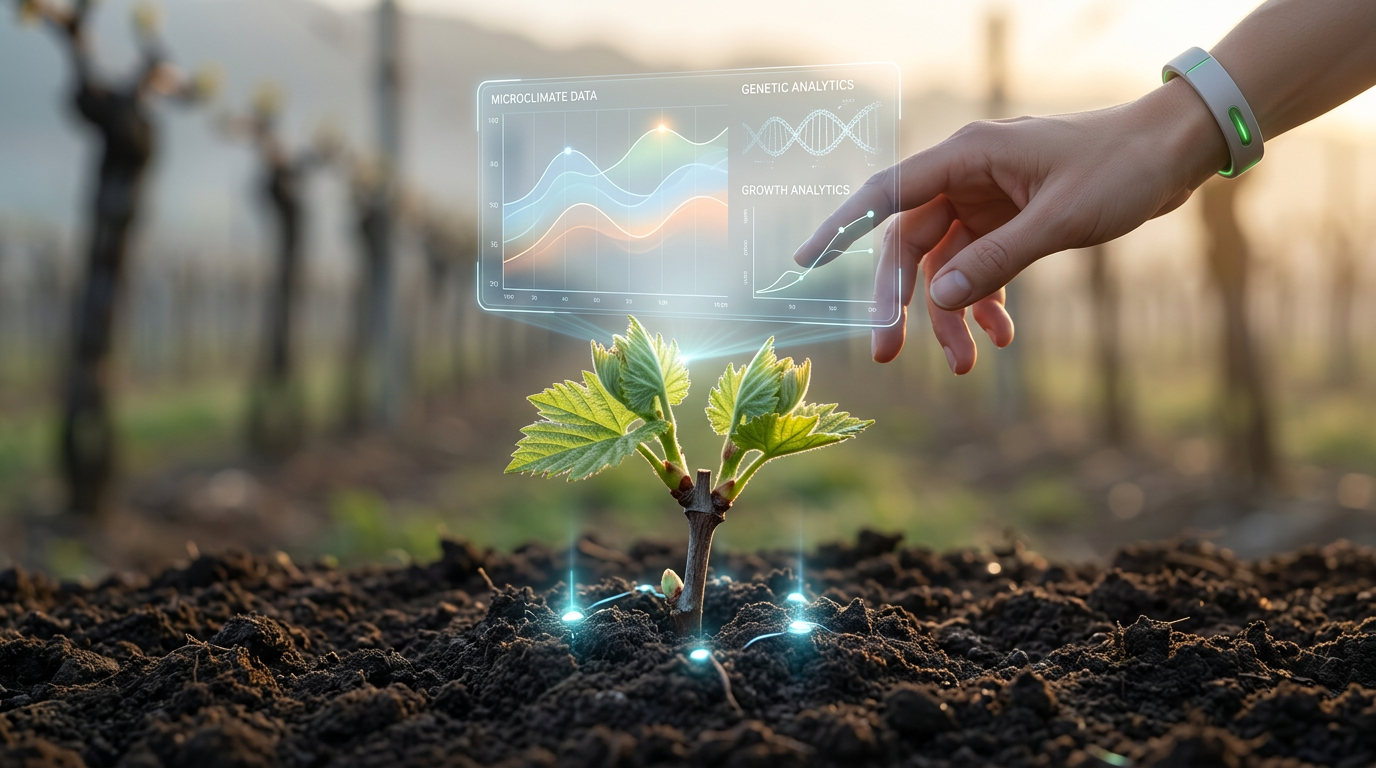
In 2026, indigenous yeast winemaking is experiencing a significant resurgence, allowing wild, naturally occurring yeasts to conduct fermentation. This age-old practice, combined with minimal intervention, enables winemakers to sculpt unique and authentic flavors, revealing the true terroir of their vineyards. It's a return to traditional methods with a modern understanding of natural processes, captivating both producers and enthusiasts.

The Art of the Winemaker's Palette: Sculpting Flavor with Indigenous Yeast Winemaking and Minimal Intervention in 2026
In the evolving landscape of viticulture and oenology, indigenous yeast winemaking continues to captivate producers and enthusiasts alike. This age-old practice, experiencing a significant resurgence in 2026, involves allowing the wild, naturally occurring yeasts present on grape skins and in the winery environment to conduct fermentation, rather than relying on commercial, cultured strains. It’s a philosophy deeply intertwined with minimal intervention, seeking to express the purest essence of the terroir and grape varietal without excessive manipulation. For winemakers, embracing indigenous yeasts is often seen as a courageous step, yielding wines of unparalleled complexity, character, and a true sense of place.
Discover how this approach stands in contrast to the use of inoculated yeasts, which are selected for their predictable fermentation kinetics and flavor profiles, but can sometimes homogenize wines, by exploring The Art of the 'Invisible' Hand: The Unseen Influence of Human Factors on Terroir and 2026's Wine Identity.
The Philosophy Behind Indigenous Yeast Winemaking
The decision to pursue indigenous yeast winemaking is fundamentally a philosophical one. It represents a commitment to showcasing the unique attributes of a vineyard site, allowing the natural microbial ecosystem to shape the final wine. This approach stands in contrast to the use of inoculated yeasts, which are selected for their predictable fermentation kinetics and flavor profiles, but can sometimes homogenize wines.
Winemakers who champion indigenous yeasts believe that these native microbes are an intrinsic part of the terroir – the sum of environmental factors including soil, climate, and topography. They argue that wild yeasts contribute nuances and layers of flavor that simply cannot be replicated by commercial strains, fostering greater aromatic complexity and textural depth in the finished product. To delve deeper into the intricate science of how these flavors are perceived, read The Quantum Palate: Deconstructing the Science of Flavor Perception in Wine for 2026.
What are Indigenous Yeasts?
Indigenous yeasts, also known as wild or native yeasts, are microorganisms naturally residing on the outer skins of grapes, within the vineyard environment, and even within the winery itself (on equipment, walls, etc.). The most common species are Saccharomyces cerevisiae, but many other non-Saccharomyces species exist and play crucial roles, especially in the early stages of fermentation.
- They are diverse and vary greatly from one vineyard to another, and even from vintage to vintage.
- These yeasts are not laboratory-selected for specific traits but are rather a reflection of their immediate environment.
- Their populations can be influenced by vineyard health, organic farming practices, and surrounding flora and fauna.
The Terroir Connection in Indigenous Yeast Winemaking
The concept of terroir is paramount to understanding the appeal of indigenous yeast winemaking. Just as soil and climate influence the grape's composition, the microbial ecosystem of a specific vineyard is believed to impart its unique signature. When winemakers choose indigenous fermentation, they are, in essence, letting the vineyard's invisible inhabitants contribute to the wine's identity.
This connection means that a wine fermented with indigenous yeasts from a particular plot might taste discernibly different from a wine made from the same grapes harvested just a few miles away, even if all other winemaking parameters are kept constant. It's a true expression of hyper-local identity. Explore this fascinating link further in The Art of the Soil Microbe: Unseen Architects of Terroir and Wine Complexity in 2026.
Challenges and Rewards of Indigenous Yeast Fermentation
While the allure of unique, terroir-driven wines is strong, indigenous yeast winemaking is not without its challenges. It demands a heightened level of attentiveness, patience, and often, a touch of courage from the winemaker.
One primary concern is the unpredictable nature of wild yeasts. Fermentation can be slower, start later, or even stick, leading to potential issues like volatile acidity or undesirable off-flavors. However, for those who master the art, the rewards are often wines of exceptional complexity and depth.
Navigating Fermentation Risks
Winemakers employing indigenous yeasts must be vigilant. They meticulously monitor temperature, sugar levels, and sensory changes to ensure a healthy fermentation. A stuck fermentation, where yeast activity ceases before all sugars are converted, is a constant risk. This can necessitate intervention, sometimes requiring the addition of cultured yeast, which can defeat the original purpose of natural fermentation.
- Close monitoring of Brix levels and temperature is essential.
- Maintaining very high levels of vineyard and winery hygiene is critical to avoid spoilage organisms.
- Some winemakers might choose to do a "pied de cuve" (starter culture) using indigenous yeasts from their own grapes to kickstart fermentation more predictably.
The Taste Profile: Uniqueness and Complexity
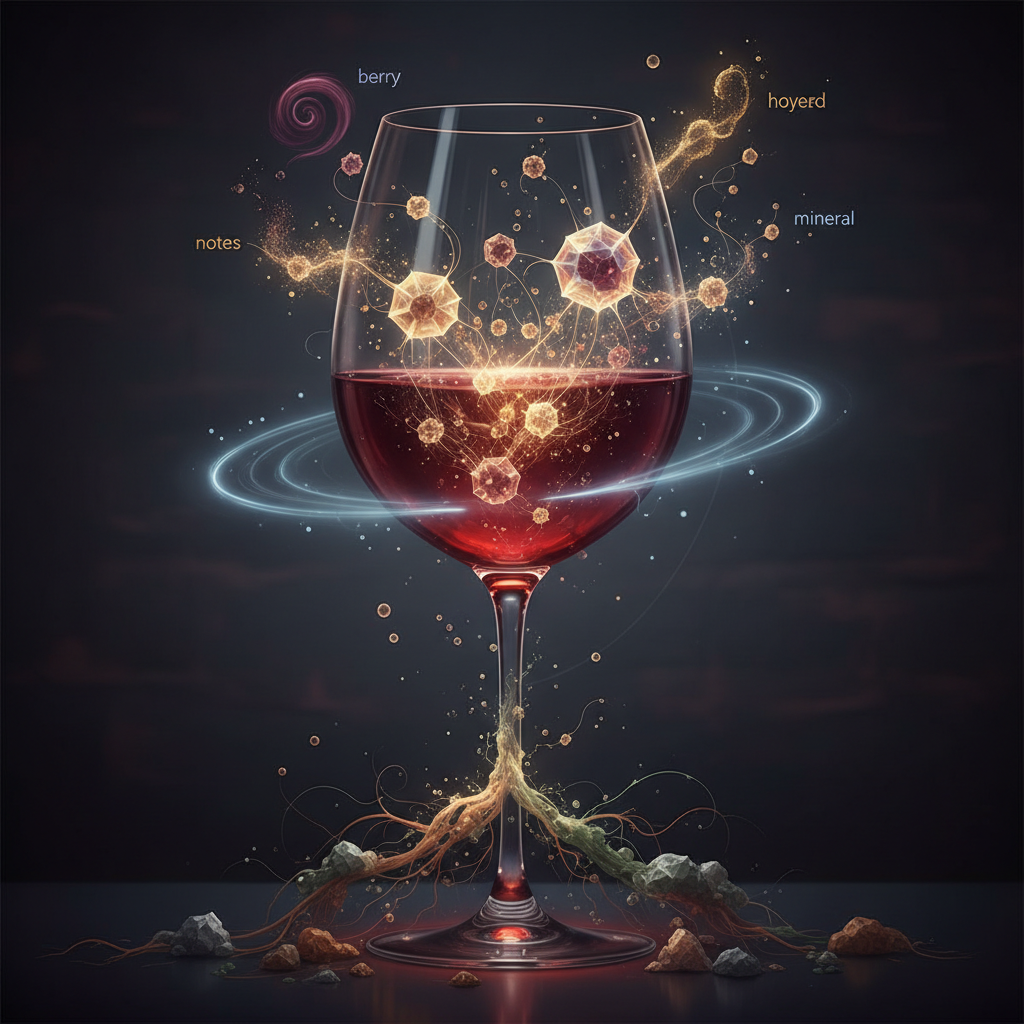
The hallmark of well-executed indigenous yeast winemaking is the resulting wine's unique organoleptic profile. These wines often exhibit a broader spectrum of aromas and flavors, with less overt fruit character and more savory, earthy, or mineral notes. They can possess a distinct textural quality, often described as more integrated or "natural" on the palate.
The slower, more nuanced fermentation process allowed by indigenous yeasts is thought to facilitate the extraction of complex precursors from the grape must, contributing to a more layered and contemplative drinking experience. These wines stand out in a world where many commercial wines tend to converge towards common fruity profiles. For a deeper understanding of how these nuances develop, consider exploring resources on malolactic fermentation, a process that can further enhance complexity in traditionally made wines.
Minimal Intervention and Indigenous Yeast Winemaking
The philosophy of indigenous yeast winemaking is intrinsically linked to broader minimal intervention winemaking practices. This approach seeks to allow the grapes to express themselves with as little human interference as possible, from vineyard to bottle. In 2026, this trend towards authenticity and low-input winemaking is more prevalent than ever.
Beyond wild fermentation, minimal intervention often includes avoiding chaptalization (adding sugar), acidification, excessive fining or filtration, and minimal use of sulfur dioxide (SO2). The goal is to produce a wine that is a true reflection of its origin and vintage.
Synergies with Organic and Biodynamic Farming
It's no coincidence that many producers embracing indigenous yeast winemaking also practice organic or biodynamic farming. These farming methods foster a healthier, more vibrant vineyard ecosystem, which in turn supports a more diverse and robust population of indigenous yeasts. A vineyard rich in microbial life is more likely to provide the necessary yeast strains for a successful natural fermentation.
Organic and biodynamic practices avoid synthetic pesticides and herbicides, which can harm yeast populations. They also focus on soil health, creating a living system where beneficial microorganisms thrive, extending their influence from the soil to the grape skins. To learn more about the broader ecological impact within vineyards, see Beyond the Grape: Exploring the Unseen Ecosystem of Biodiversity in Vineyards by 2026.
The Future of Indigenous Yeast Winemaking in 2026
As we navigate 2026, the trajectory for indigenous yeast winemaking looks promising. Consumers are increasingly seeking authenticity, transparency, and wines that tell a story. The narrative of natural fermentation, deeply rooted in the concept of terroir, resonates strongly with this demand for artisanal, expressive products.
Advancements in microbial research are also shedding new light on the various strains of indigenous yeasts and their specific contributions to wine flavor. This growing understanding may empower winemakers to better manage and even enhance indigenous fermentations, reducing risks while maximizing unique characteristics. For further insight into the scientific advancements influencing viticulture now, explore The Art of the Grapevine Genome: Unlocking Genetic Secrets for 2026's Next-Generation Wines.
Consumer Demand for Authenticity
The market for natural wines, a category often featuring indigenous yeast fermentation, continues its upward trend in 2026. Consumers are more educated and discerning, valuing wines that are perceived as "clean," "pure," and "true to their origins." This demand is driving more wineries to experiment with or fully adopt indigenous yeast winemaking.
Transparency in winemaking processes, including the choice of yeast, is becoming a significant selling point. Storytelling around the vineyard's unique microbial fingerprint can deeply connect consumers to the wine and its maker. This narrative power is further amplified by effective communication, as discussed in The Art of Wine Marketing in the Age of AI: Personalization, Predictive Analytics, and Storytelling for 2026.
Technological Advances and Research
While indigenous fermentation is an ancient practice, modern science is now providing tools to understand it better. DNA sequencing allows for the identification of specific yeast strains prevalent in a vineyard or winery. This research can help winemakers anticipate fermentation behavior and even cultivate specific native strains for future use, creating a 'house' yeast without resorting to commercial lab varieties.
Innovations in fermentation vessel design and temperature control systems also provide greater precision, making the unpredictable nature of wild fermentation slightly more manageable. These technologies, combined with a deep respect for tradition, are shaping the next generation of indigenous yeast winemaking. Learn more about the cutting-edge research in this field from institutions like the UC Davis Department of Viticulture and Enology.
The continued refinement of these processes, balanced with a deep understanding of traditional methods, promises an exciting future for wines crafted with indigenous yeasts. For a broader perspective on current trends, the International Organisation of Vine and Wine (OIV) offers valuable insights into global wine production and research.
Written by
Juniper Thorne is an experienced writer and educator with a deep passion for the world of wine. Bringing expertise in sensory analysis and wine culture to the Greatest Wine platform, Juniper helps readers explore and appreciate every nuance of wine.
Related Articles

The Cellar Architects: Mastering Elite Wine Preservation and Evolution in 2026
For the true connoisseur, wine is more than just a beverage; it's a living entity, an investment, and a passion. Mastering its preservation and evolution is an art form, especially in 2026 with new technologies and insights. Learn how to protect and enhance your cherished collection.
Juniper Thorne