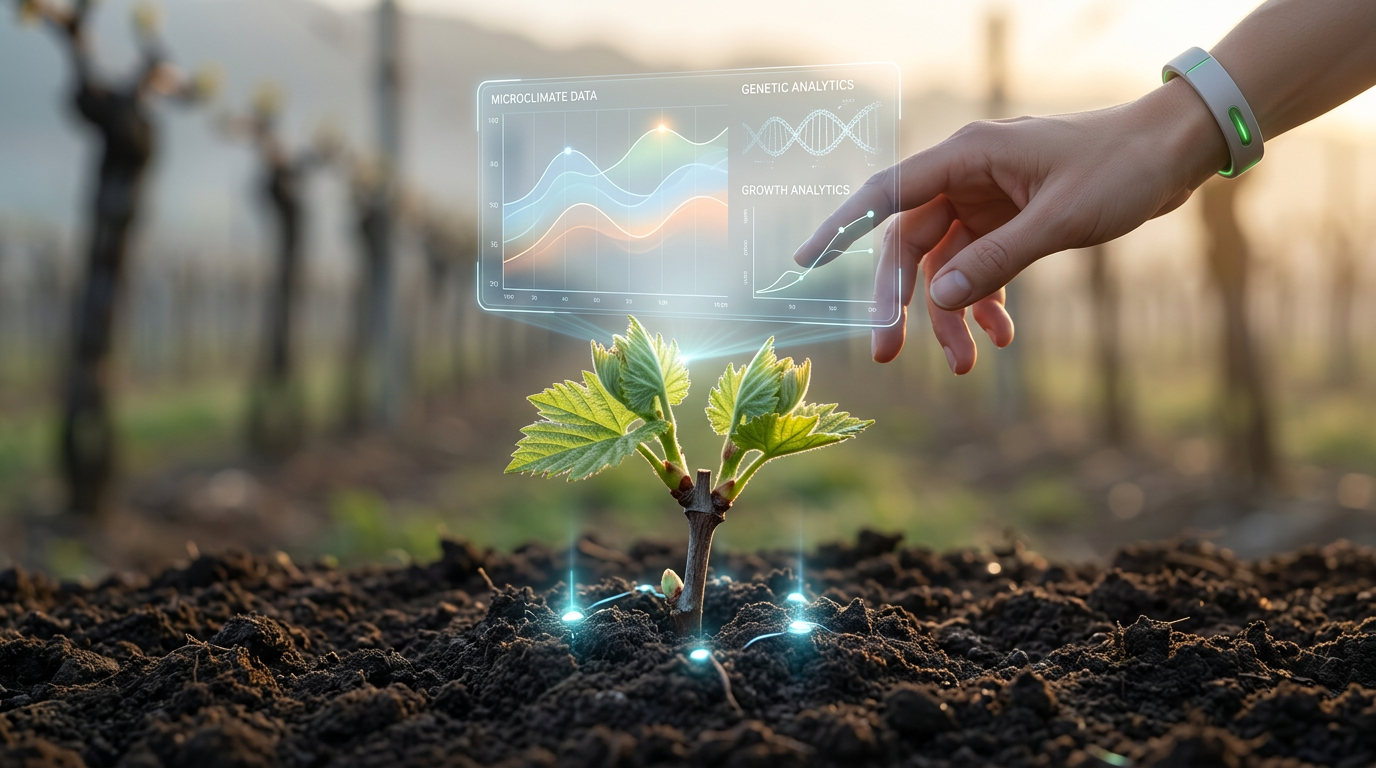
The Art of the Grapevine Genome: Unlocking Genetic Secrets for 2026's Next-Generation Wines
The world of wine is increasingly embracing cutting-edge science. Grapevine genomics, a revolutionary field, delves into the genetic makeup of grapevines to understand, predict, and ultimately enhance winemaking. As we move into 2026, the insights gleaned from studying the grapevine genome are profoundly shaping the future of viticulture and oenology.


Grapevine Genomics: Unlocking Genetic Secrets for Next-Generation Wines
The world of wine, rich in tradition and terroir, is increasingly embracing cutting-edge science. At the forefront of this evolution is grapevine genomics, a revolutionary field that delves into the genetic makeup of grapevines to understand, predict, and ultimately enhance winemaking. As we move into 2026, the insights gleaned from studying the grapevine genome are profoundly shaping viticulture and enology, promising a future of more resilient vines, exceptional wines, and sustainable practices. This intricate DNA blueprint holds the key to developing new grape varieties, combating diseases, and adapting to a changing climate, ensuring the longevity and continued excellence of our favorite vintages.
Understanding Grapevine Genomics: A Deep Dive into the DNA
Grapevine genomics involves the systematic study of the entire set of genes, or the genome, of grapevines (Vitis vinifera). This includes identifying genes responsible for specific traits, understanding their functions, and exploring the genetic diversity within and among grape varieties. The sequencing of the grapevine genome in 2007 was a landmark achievement, opening up unprecedented avenues for research and practical applications in viticulture.
Since then, advancements in sequencing technologies and bioinformatics have accelerated our understanding. Researchers are now able to pinpoint the genetic basis for crucial characteristics such as berry size, sugar accumulation, acid balance, aromatic profiles, and resistance to pests and diseases. This detailed genetic map provides a powerful tool for breeders and viticulturists alike. For more on the diversity being explored, see our article on Unearthing the World's Most Overlooked Indigenous Grape Varieties in 2026.
The Genetic Code of Aroma and Flavor in Grapevine Genomics
One of the most exciting aspects of grapevine genomics is its potential to unravel the genetic pathways that contribute to the complex aroma and flavor profiles of wine. Specific genes control the production of volatile compounds, polyphenols, and other metabolites that define a wine's unique character. By identifying these genes, scientists can understand how different grape varieties develop their distinctive sensory attributes.
- Terpene Biosynthesis: Genes involved in terpene production are vital for floral notes in varieties like Gewürztraminer and Muscat.
- Phenolic Compounds: Genetic loci influence the synthesis of tannins and anthocyanins, impacting a wine's color, structure, and aging potential.
- Pyrazine Production: Genes contributing to pyrazine levels are responsible for the characteristic green bell pepper notes in Cabernet Franc and Sauvignon Blanc.
Unveiling Disease Resistance Mechanisms through Grapevine Genomics
Diseases like powdery mildew, downy mildew, and Pierce's disease pose significant threats to vineyards worldwide, often necessitating intensive pesticide use. Through grapevine genomics, scientists are discovering genes that confer natural resistance to these pathogens. This knowledge is crucial for developing disease-resistant grape varieties through marker-assisted breeding or genetic modification, reducing the environmental footprint of viticulture. This focus on sustainability also ties into broader discussions about Beyond the Grape: Exploring the Unseen Ecosystem of Biodiversity in Vineyards by 2026.
Grapevine Genomics and Climate Change Adaptation in 2026
Climate change is arguably the biggest challenge facing the wine industry in 2026. Rising temperatures, altered rainfall patterns, and increased frequency of extreme weather events are forcing viticulturists to reconsider traditional practices and grape varieties. Grapevine genomics offers a beacon of hope, providing the tools to develop vines better adapted to these new environmental realities.
Researchers are studying the genetic basis of traits like drought tolerance, heat resistance, and altered ripening dynamics. This allows for the selection and breeding of grape varieties that can thrive in warmer climates, maintain optimal acidity levels, and ripen without accumulating excessive sugar, ensuring balance and freshness in the resulting wines. For a deeper look into how climate affects wine, consider our piece on The Art of the Micro-Vintage: How Hyper-Local Climate Shifts Define 2026's Most Unique Wines.
For example, studies have identified specific genes associated with water use efficiency. By leveraging this information, breeders can develop new rootstocks and cultivars that require less irrigation, a vital consideration in increasingly arid wine regions. The National Grape Research Alliance provides further insights into ongoing grapevine genomics research for climate resilience.
Precision Viticulture Enhanced by Grapevine Genomics
The integration of grapevine genomics with precision viticulture techniques is transforming vineyard management. Genetic markers can be used to identify individual vines with desirable traits, allowing for targeted interventions. This precision approach leads to more efficient resource utilization and optimized grape quality.
- Early Disease Detection: Genomic tools can identify susceptibility to diseases even before symptoms appear, enabling proactive treatment strategies.
- Optimized Nutrition: Genetic profiling can indicate a vine's specific nutrient requirements, leading to tailored fertilization programs.
- Yield Prediction: Certain genetic markers are linked to yield potential, assisting growers in managing crop loads for optimal quality.
This level of detail moves beyond broad vineyard management, allowing for management at the sub-block or even individual vine level, maximizing the potential of each plant.
The Future of Wine: Grapevine Genomics in Breeding and Cultivar Development
The ultimate promise of grapevine genomics lies in its ability to accelerate and refine grape breeding programs. Traditional breeding is a slow, arduous process, often taking decades to develop a new variety. Genomic insights can drastically reduce this timeline by enabling marker-assisted selection (MAS).
Accelerating New Cultivar Development with Grapevine Genomics
Through MAS, breeders can screen young seedlings for desirable traits by examining their DNA, rather than waiting years for the vines to mature and produce fruit. This means varieties with combined benefits, such as excellent flavor profiles, disease resistance, and climate resilience, can be developed much more efficiently.
In 2026, we are already seeing the emergence of new "PIWI" (fungus-resistant) varieties in Europe and beyond, which are a direct result of decades of breeding efforts, now highly optimized by genomic insights. These varieties are crucial for reducing fungicide use and promoting sustainable wine production. The European network, PIWI International, provides consistent updates on these innovative grape varieties.
Preserving Genetic Diversity: A Genomic Imperative for Grapevine Genomics
While developing new varieties, grapevine genomics also plays a critical role in preserving the vast genetic diversity of existing grapevines. Many ancient and rare varieties hold valuable genetic traits that could be essential for future adaptation. Genomic sequencing helps catalog and understand this heritage, ensuring its long-term survival.
Gene banks around the world are utilizing genomic data to manage their collections more effectively, identifying unique accessions and preventing redundancy. This bio-diversity acts as a crucial reservoir for future breeding programs.
Challenges and Ethical Considerations in Grapevine Genomics
Despite its immense promise, the field of grapevine genomics is not without its challenges. The sheer complexity of the grapevine genome, including its high heterozygosity, makes analysis difficult. Furthermore, translating genomic data into practical vineyard applications requires significant investment in research and infrastructure.
Ethical considerations surrounding genetically modified (GM) grapes also remain a topic of debate in some regions. While marker-assisted selection is generally accepted, direct genetic engineering faces stricter regulations and consumer skepticism in certain markets. Open communication and transparent research are essential to navigate these complexities as we continue to unlock the potential of grapevine genomics. For a broader perspective on the future of agriculture and genetic engineering, consider resources like the National Academies of Sciences, Engineering, and Medicine reports.
As Greatest Wine continues to explore the culture, craftsmanship, and experience behind wine, the role of grapevine genomics will undoubtedly grow in prominence. It's a testament to how science and tradition can converge to ensure a vibrant future for the world of wine.
Written by
Juniper Thorne is an experienced writer and educator with a deep passion for the world of wine. Bringing expertise in sensory analysis and wine culture to the Greatest Wine platform, Juniper helps readers explore and appreciate every nuance of wine.
Related Articles

The Cellar Architects: Mastering Elite Wine Preservation and Evolution in 2026
For the true connoisseur, wine is more than just a beverage; it's a living entity, an investment, and a passion. Mastering its preservation and evolution is an art form, especially in 2026 with new technologies and insights. Learn how to protect and enhance your cherished collection.
Juniper Thorne