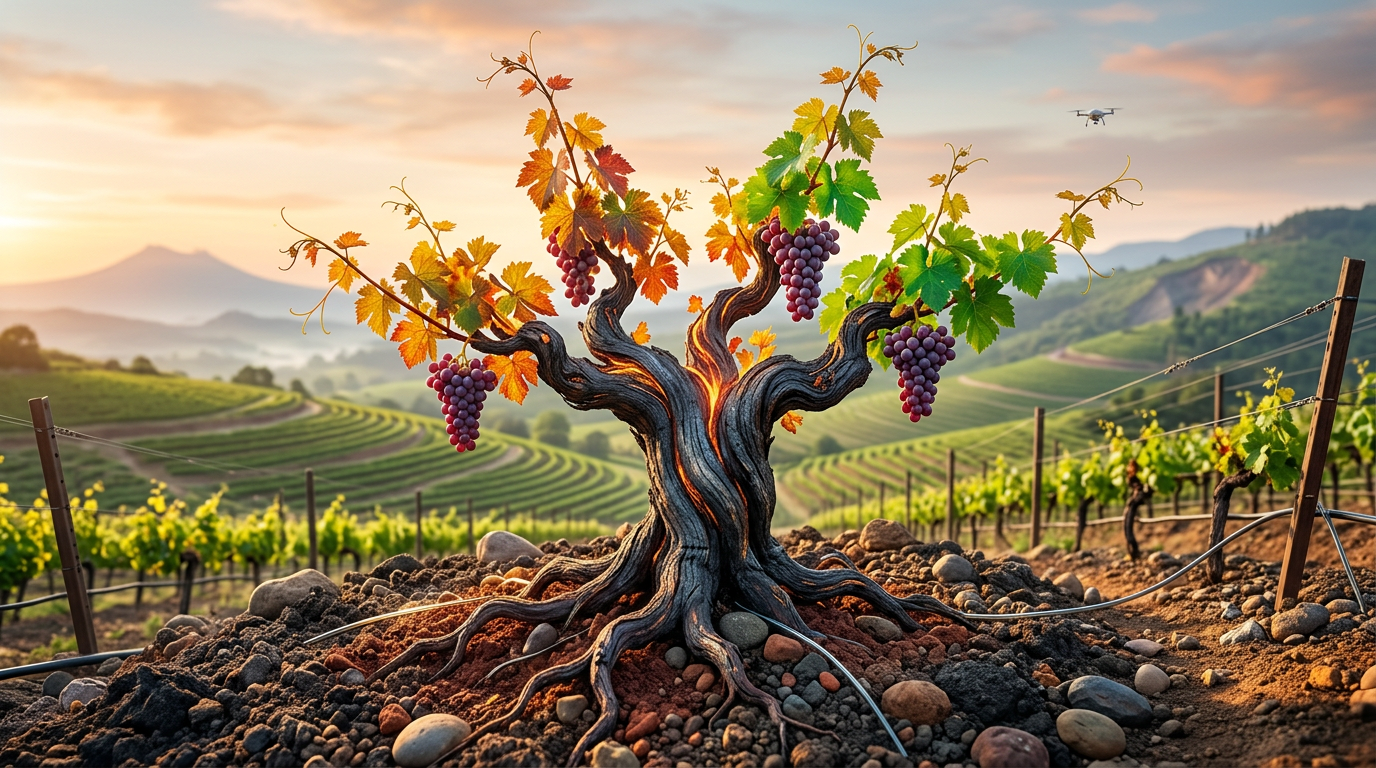
The Art of the Unsung Hero: Unearthing the World's Most Overlooked Indigenous Grape Varieties in 2026
Often overlooked in the vast world of wine, indigenous grape varieties offer an unparalleled glimpse into regional history and unique terroirs. While familiar names dominate, a treasure trove of lesser-known varietals, cultivated for centuries, awaits discovery by enthusiasts in 2026. This article delves into these unsung heroes of the vine.

The Art of the Unsung Hero: Unearthing the World's Most Overlooked Indigenous Grape Varieties in 2026
In the vast and enchanting world of wine, while familiar names like Cabernet Sauvignon and Chardonnay often steal the spotlight, a treasure trove of lesser-known indigenous grape varieties remains largely undiscovered by the mainstream. These unique varietals, often cultivated for centuries in specific terroirs, offer an unparalleled glimpse into regional history, viticultural adaptation, and an exciting spectrum of flavors and aromas. As we step into 2026, there's a growing movement among sommeliers, winemakers, and enthusiasts to champion these unsung heroes, recognizing their potential to diversify our palates and secure the future of viticulture against climate change and monoculture risks. This pursuit also aligns with the broader trend of exploring reviving pre-Phylloxera ancestral grapes.
The Undiscovered Potential of Indigenous Grape Varieties
The global wine market has long been dominated by a relatively small number of international grape varieties. However, for those seeking genuine novelty and an authentic expression of place, focusing on indigenous grape varieties presents an exciting frontier. These grapes are often perfectly suited to their native environments, having evolved over millennia to thrive in specific climatic conditions and soil types. This inherent resilience makes them increasingly vital in the face of unpredictable global weather patterns.
What Defines an Indigenous Grape Variety?
An indigenous grape variety is one that originated and is primarily cultivated in a specific geographical region, having a deep historical connection to that area. Unlike international varieties that have been transplanted globally, indigenous grapes are often intrinsically linked to local traditions, cuisine, and cultural heritage. They are living artifacts that tell a story of regional identity and evolution.
For example, some genetic studies tracing their origins suggest that many of today's dominant grapes are actually descendants of these ancient, often localized, varietals. Understanding their lineage helps us appreciate the genetic diversity they still offer, a concept further explored in Beyond the Grape: Exploring the Unseen Ecosystem of Biodiversity in Vineyards by 2026.
Facing Extinction: Why Preservation Matters Now in 2026
Tragically, many indigenous grape varieties teeter on the brink of extinction. Economic pressures, the allure of high-yielding international grapes, and a lack of market demand have led to their decline. However, in 2026, there is a renewed global effort to preserve this invaluable genetic biodiversity. Organizations, governments, and passionate winemakers are collaborating to catalog, cultivate, and promote these unique grapes, ensuring their survival for future generations. This vital work is closely tied to the broader movement of reviving ancient wine varieties.
- Genetic Diversity: Indigenous grapes offer a vast gene pool critical for adapting to climate change and resisting diseases.
- Cultural Heritage: They embody centuries of viticultural history and local tradition.
- Unique Flavor Profiles: They provide an exciting alternative to common palates, offering unparalleled tasting experiences.
Spotlight on Lesser-Known European Indigenous Grape Varieties
Europe, the cradle of viticulture, is home to thousands of indigenous grape varieties, many of which remain obscure outside their immediate regions. These grapes are not merely historical curiosities; they produce wines of exceptional quality, character, and food-pairing versatility.
Greece: Assyrtiko, Malagousia, and Xinomavro beyond Santorini
While Assyrtiko from Santorini has gained international acclaim for its mineral-driven, saline wines, Greece boasts a rich tapestry of other indigenous grapes. Malagousia, once nearly extinct, has been resurrected to produce aromatic white wines with notes of peach, jasmine, and mint. In the north, Xinomavro, often dubbed the "Barolo of Greece," yields tannic, acidic reds with complex aromas of tomato, olive, and dried herbs, ripening beautifully in cooler climates. These nuanced profiles are perfect for advanced blind tasting challenges.
Italy: Verdicchio, Fiano, and Nerello Mascalese
Italy’s viticultural landscape is a mosaic of uniqueness. While Sangiovese and Nebbiolo dominate, regions like Marche champion Verdicchio, a white grape producing age-worthy wines with high acidity and almond notes. In the south, Campania's Fiano offers textural richness and notes of hazelnut and honey. Sicily's volcanic slopes are home to Nerello Mascalese, an aromatic red grape that produces elegant wines often compared to Pinot Noir, with red fruit and floral characteristics. Understanding these regional expressions highlights the art of terroir translation.
Spain: Mencía, Godello, and Hondarrabi Zuri
Spain is a treasure trove of unique varietals. In Galicia, Godello has seen a massive resurgence, delivering full-bodied white wines with apple, pear, and mineral notes. Its red counterpart, Mencía from Bierzo, produces aromatic, savory reds with crunchy red fruit and herbal undertones. In the Basque Country, Hondarrabi Zuri is the star of Txakoli production, crafting crisp, slightly effervescent white wines with high acidity and citrus notes, perfect for seafood. These exceptional regional wines are often highlighted in sommelier's secret cellars.
Global Gems: Exploring Indigenous Grape Varieties Beyond Europe in 2026
The pursuit of exciting indigenous grape varieties extends far beyond Europe, with vibrant winemaking traditions across the globe offering their own unique expressions of terroir and culture.
North America: Norton and Catawba
In the United States, amidst the dominance of European Vitis vinifera, native American Vitis labrusca and Vitis aestivalis grapes offer a distinctly American flavor. Norton, a Vitis aestivalis grape primarily grown in Missouri and Virginia, produces full-bodied, dark-fruited red wines with earthy notes. Catawba, a Vitis labrusca hybrid, is known for its distinctly foxy aroma and is often used in off-dry sparkling wines and rosés, showcasing the diversity of American viticulture. Learn more about regional characteristics in our deep dive into micro-appellation wines of 2026.
South America: Criolla Grande and País
South America's winemaking history is often associated with Malbec and Carmenere, but ancient indigenous grape varieties like Criolla Grande and País (Listán Prieto) tell an older story. These grapes, introduced by Spanish missionaries centuries ago and now considered indigenous to their adopted homes, were once the most planted varieties. Today, they are experiencing a renaissance, producing light-bodied, fresh, and often rustic red wines that are gaining appreciation for their historical significance and approachable styles, particularly in Chile and Argentina. These historical narratives are key to understanding cultural narratives embedded in wine rituals.
Central & Eastern Europe: Furmint and Blaufränkisch
Beyond the traditional Western European regions, Central and Eastern Europe offer a wealth of characterful indigenous grape varieties. Hungary's Furmint is not just for sweet Tokaji; it produces profoundly complex, age-worthy dry white wines with high acidity, smoky minerality, and often botrytis-influenced notes. Austria's Blaufränkisch, alongside its growing presence in Germany as Lemberger, yields spicy, peppery red wines with dark fruit and vibrant acidity, often compared to cool-climate Syrah. These unique varietals provide excellent opportunities for wine and food pairing experiments.
The Future of Wine: Sustainability and Indigenous Grape Varieties
As we navigate the challenges of climate change and seek more sustainable agricultural practices in 2026, the unique attributes of indigenous grape varieties are more relevant than ever. Their inherent resilience and adaptation to local conditions make them ideal candidates for low-intervention viticulture. This aligns with a broader industry shift towards sustainable practices, as highlighted by resources like the Wine Institute's sustainability initiatives.
Many of these grapes require less irrigation, are more resistant to common pests and diseases, and thus contribute to healthier vineyard ecosystems. This not only benefits the environment but also leads to more authentic and terroir-driven wines. Winemakers are increasingly turning to these varietals as a proactive measure against a changing climate, recognizing that genetic diversity is a key factor in futureproofing the industry.
Embracing Biodiversity for a Resilient Industry
The focus on biodiversity extends beyond the vineyard. By promoting and consuming wines made from indigenous grape varieties, consumers play a direct role in supporting traditional agricultural practices, local economies, and the preservation of invaluable viticultural heritage. It's a movement that encourages a holistic approach to wine, celebrating not just the taste but also the story, the land, and the people behind every bottle.
This shift towards the unique and authentic also fosters a deeper appreciation for wine as a cultural product, rather than just a commodity. It challenges the palate and expands understanding, pushing the boundaries of what consumers expect from a glass of wine. This reflects an evolving wine palate among enthusiasts.
- Reduced Environmental Impact: Many indigenous grapes thrive without extensive chemical intervention.
- Climate Change Adaptation: Their natural resilience offers solutions for future viticulture.
- Economic Support: Encourages local viticultural heritage and unique regional products.
- Expanded Palates: Offers a diverse range of flavors and styles for adventurous drinkers.
How to Discover and Enjoy Wines from Indigenous Grape Varieties in 2026
Embarking on a journey to explore indigenous grape varieties is an incredibly rewarding experience for any wine enthusiast. In 2026, with the increasing availability and awareness, it's easier than ever to dive into this diverse world. Here are some tips to help you get started:
Seek Out Specialist Wine Merchants and Sommeliers
Your local independent wine shop is often the best place to find unique and esoteric bottles. Many passionate merchants specialize in smaller producers and less common varietals. Don't hesitate to ask for recommendations from sommeliers in restaurants; they are often eager to share their knowledge of these exciting wines, much like mastering the art of wine service.
Explore Regional Wine Lists and Festivals
When traveling or dining, look for wine lists that highlight regional specialties. Many wine regions dedicated to indigenous grape varieties host festivals and events that are perfect opportunities for tasting and learning directly from producers. Researching these events online can unveil fascinating experiences, often tying into the growing trend of gastronomic wine tourism. A good resource for international wine events is the International Organisation of Vine and Wine (OIV).
Join Online Communities and Tasting Groups
The digital age has made connecting with fellow wine enthusiasts easier than ever. Online forums, social media groups, and virtual tasting events dedicated to obscure or indigenous grape varieties can be excellent resources for discovering new wines and sharing experiences. Websites like Greatest Wine regularly highlight emerging trends and detailed tasting notes on these varietals, helping you enhance your wine tasting skills.
Ultimately, the world of wine is vast and perpetually evolving. By embracing the unsung heroes of the vineyard—the incredible indigenous grape varieties—we not only broaden our own appreciation but also contribute to the vital preservation of viticultural diversity for generations to come. Cheers to discovery in 2026!
Written by
Juniper Thorne is an experienced writer and educator with a deep passion for the world of wine. Bringing expertise in sensory analysis and wine culture to the Greatest Wine platform, Juniper helps readers explore and appreciate every nuance of wine.
Related Articles

The Vinous Verse: How Wine's Spirit Inspires 2026's Poetic and Literary Masterpieces
The intricate dance between the grape and the written word has enchanted humanity for millennia. Explore the profound connection between wine and literature, from ancient musings to 2026's contemporary narratives and poetic masterpieces. Discover how the world of wine continually inspires writers.
Juniper Thorne