Mastering the Art of Wine Service: From Cellar to Glass in 2026
In 2026, mastering effective wine service techniques is more crucial than ever. This comprehensive guide covers essential practices from bottle selection to the final pour, transforming a simple service into a memorable experience. Learn to enhance wine appreciation and enjoyment with updated strategies.

Mastering the Art of Wine Service: Essential Wine Service Techniques for 2026
In the sophisticated world of wine, mastering effective wine service techniques is paramount. From the moment a bottle is selected to the final sip, every detail contributes to the overall enjoyment and appreciation of the wine. This comprehensive guide, updated for 2026, delves into the essential practices that elevate a simple pour into a memorable experience, ensuring that both casual enthusiasts and seasoned sommeliers can deliver exceptional service. Understanding these techniques goes beyond mere presentation; it’s about respecting the craftsmanship of the winemakers and maximizing the sensory pleasure for the consumer. You can also explore Decoding Sommelier Secrets: Advanced Sensory Analysis for the Home Enthusiast in 2026 to further refine your palate.
The Foundation: Understanding Wine Service Techniques and Preparation
Before a bottle even reaches the table, proper preparation is key. This initial stage sets the tone for the entire service and ensures the wine can be enjoyed at its best. Adhering to meticulous wine service techniques from the outset prevents common pitfalls and enhances the guest's experience.
Correct Storage and Retrieval
Wine storage is crucial for maintaining its quality. Bottles should be kept in a cool, dark place with consistent temperature and humidity. For corked wines, horizontal storage is essential to keep the cork moist, preventing it from drying out and allowing oxygen to seep in.
- Temperature Control: Ensure your wine cellar or storage area maintains a steady temperature, ideally between 10-15°C (50-59°F).
- Humidity Levels: Aim for 70-80% humidity to keep corks in optimal condition.
- Vibration-Free Environment: Minimize any movement or vibrations that can disturb the wine's sediment and accelerate aging.
When retrieving a bottle, handle it carefully to avoid disturbing sediment, especially with older vintages. Allow the bottle to stand upright for a period before serving, permitting any sediment to settle at the bottom.
Essential Equipment for Professional Wine Service Techniques
Having the right tools is non-negotiable for professional wine service techniques. Each piece of equipment plays a specific role in ensuring a smooth and elegant presentation. For specific recommendations, check out this guide on Wine Folly's Wine Service Essentials.
- Corkscrew: A waiter's friend or a lever-style corkscrew are preferred for their efficiency and minimal risk of damaging the cork.
- Wine Key: Essential for opening bottles with screw caps and for cleanly removing foils.
- Decanter: Used for aerating young wines and separating sediment from older wines.
- Wine Glasses: Select appropriate glassware for the specific wine type to enhance its aroma and flavor profile.
- Service Napkins/Cloth: For wiping bottles, catching drips, and holding the bottle securely.
- Ice Bucket/Wine Cooler: To maintain optimal serving temperatures for white, rosé, and sparkling wines.
Investing in quality equipment not only streamlines the service process but also reflects professionalism and attention to detail. This focus on precision is integral to effective wine service techniques.
The Art of Presentation and Opening: Mastering Wine Service Techniques
The uncorking ritual is often the guest's first interaction with the wine service. Executing this gracefully and efficiently is a hallmark of excellent wine service techniques.
Presenting the Bottle and Confirming Selection
Before opening, present the bottle to the host or guest who ordered it. This confirms the vintage, producer, and type of wine, preventing any potential errors.
Hold the bottle with the label facing the guest, stating clearly the wine's name and vintage. This small act of transparency builds trust and professionalism in your wine service techniques. Understanding The Glass Ceiling: Deconstructing the Psychology Behind Wine Labels and Consumer Choice in 2026 can further enhance this interaction.
The Ritual of Opening a Corked Bottle
Opening a corked bottle requires finesse. Begin by cutting the foil cleanly below the lip of the bottle using the knife on your corkscrew. Remove the foil completely.
Insert the corkscrew worm into the center of the cork, rotating until only one curl remains visible. Gently leverage the cork out, avoiding any popping sounds. A silent extraction is often seen as a sign of refined wine service techniques.
After removing the cork, inspect it for any signs of mold or cork taint. You can optionally present the cork to the host as a tradition, though this practice is becoming less common in 2026.
Opening Screw Caps and Sparkling Wines
Screw caps are simpler: twist and remove. For sparkling wines, place a service napkin over the cork and cage, untwist the cage, and gently twist the bottle (not the cork) from the base. Control the cork's release to prevent a loud 'pop,' aiming instead for a gentle sigh. This controlled opening is a crucial aspect of professional wine service techniques for celebratory beverages.
Decanting and Aeration: Enhancing the Wine Experience with Specific Wine Service Techniques
Decanting serves two primary purposes: removing sediment from older wines and aerating younger wines to allow their aromas and flavors to open up. These wine service techniques can significantly impact the wine's taste profile.
When and How to Decant
Decanting for Sediment: For older red wines (typically 10+ years), decanting carefully separates the clear wine from the accumulated sediment. Hold the bottle against a light source (a candle or small flashlight) and slowly pour the wine into the decanter, stopping as soon as you see sediment approaching the bottle neck. For more on the aging potential of wines, consider reading about The Elusive Art of the Perfect Vintage: Deconstructing Ideal Climates and Vintner Decisions in 2026.
Decanting for Aeration: Younger, more robust red wines often benefit from aeration. Pouring them into a decanter exposes them to oxygen, softening tannins and allowing complex aromas to emerge. The amount of time necessary for aeration varies; some wines benefit from just 30 minutes, others from several hours. These deliberate wine service techniques can transform a tight, closed wine. For further insights into tasting, refer to this Wine Tasting: How to Taste Wine Like a Professional guide.
Aerators and Their Role
While decanting is traditional, various wine aerators are available that achieve similar results more quickly. These devices rapidly infuse wine with air as it's poured through them. For busy settings, they can be a practical alternative to full decantation.
Serving Temperatures and Pouring: Precise Wine Service Techniques
Serving wine at its optimal temperature is critical for maximizing its aromatic and flavor potential. Incorrect temperatures can mute or distort the wine's true character. This is one of the most fundamental yet often overlooked wine service techniques.
Optimal Serving Temperatures
- Sparkling Wines: 6-10°C (43-50°F) - Chilled, but not so cold that flavors are masked.
- Light-Bodied Dry White Wines & Rosé: 7-12°C (45-54°F) - Crisp and refreshing.
- Full-Bodied White Wines & Lighter-Bodied Red Wines: 10-15°C (50-59°F) - Allows for more complex aromatics to shine.
- Medium to Full-Bodied Red Wines: 15-18°C (59-64°F) - Often referred to as "room temperature," but a cooler room temperature than most modern homes.
- Dessert Wines: 6-12°C (43-54°F) - Similar to sparkling, depending on the intensity.
Using a wine thermometer can ensure precision, a mark of meticulous wine service techniques. The WSET Level 2 Award in Wines offers comprehensive training on these and many other professional service standards.
The Mechanics of Pouring
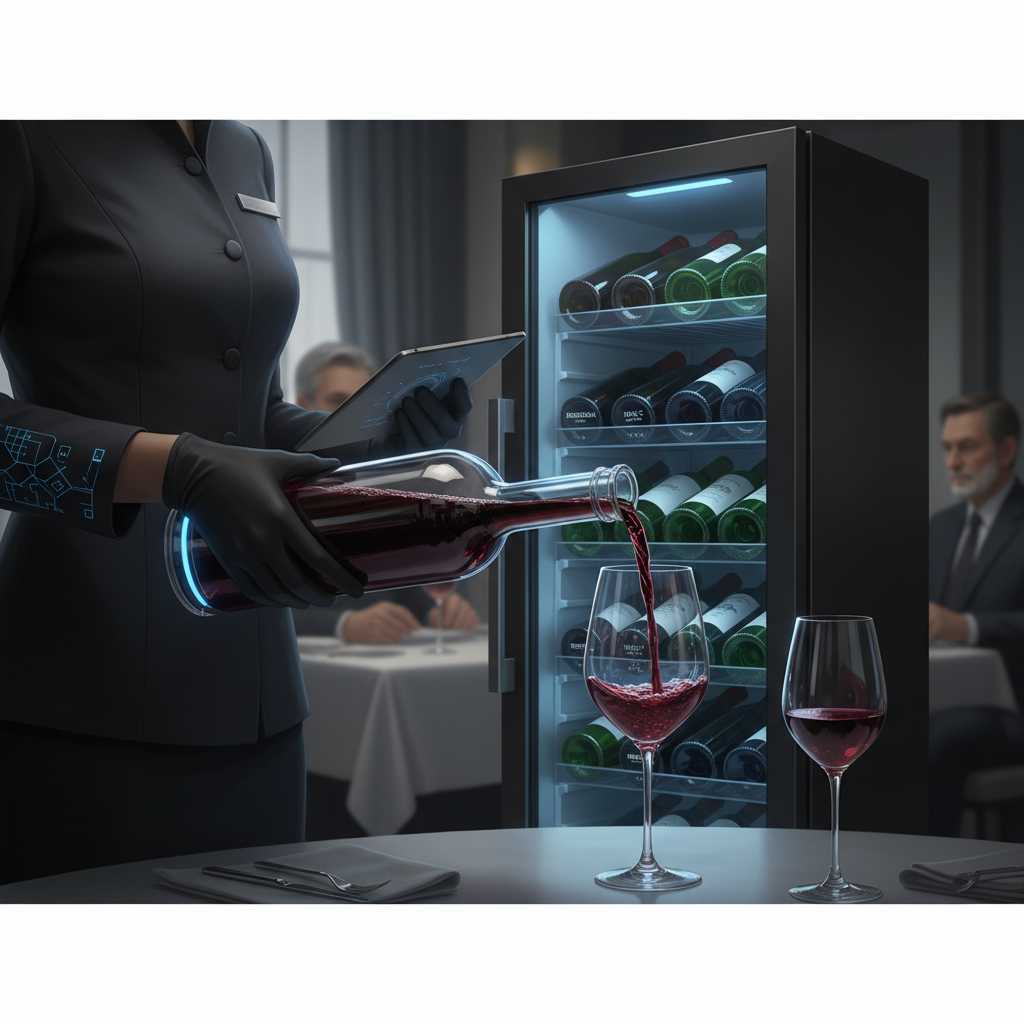
Pouring wine requires a steady hand and an understanding of appropriate fill levels. Pour for the host first, offering a small taste for approval. Once approved, proceed to serve guests, then the host last.
Hold the bottle steadily, avoiding contact with the glass. Pour evenly, filling still wine glasses to approximately one-third to one-half full, allowing room for swirling and aeration. For sparkling wines, fill glasses to two-thirds to allow for effervescence. Finish each pour with a slight twist of the bottle to prevent drips, using a service napkin to catch any errant drops. This attention to detail is a hallmark of refined wine service techniques.
Maintaining the Experience and Professionalism in Wine Service Techniques
The service doesn't end with the initial pour. Ongoing attention and professional conduct ensure a seamless and enjoyable experience throughout the meal or event. Consistent application of these wine service techniques distinguishes truly great service.
Monitoring and Refilling
Throughout the service, discreetly monitor guests' glasses. Offer refills when glasses are nearing empty, always asking permission before pouring more. For multiple bottles of the same wine, ensure consistency in preparation and pouring.
Handling Unfinished Bottles
If a bottle is not finished, offer to re-cork it for the guests to take home. For still wines, use a wine stopper or the original cork. For sparkling wines, use a sparkling wine stopper to preserve the bubbles. This thoughtful gesture demonstrates excellent customer care, reinforcing good wine service techniques.
Professional Demeanor and Knowledge
Maintain a professional and attentive demeanor. Be knowledgeable about the wines you are serving and be prepared to answer questions about their characteristics, pairings, and origins. Your expertise enhances the guest's appreciation of the wine. Staying current with wine trends and global wine culture, as we are in 2026, further elevates your professional image. For insights into wine and food combinations, explore our Wine & Food Pairing: A Guide to Perfect Matches. You can also track the latest trends in the wine industry via publications like Decanter Magazine.
Ultimately, the mastery of wine service techniques is an evolving art. It combines technical skill, a deep understanding of wine, and a commitment to providing an exceptional experience for every guest. By adhering to these principles, from cellar to glass, you can truly elevate the enjoyment of wine.
Written by
Juniper Thorne is an experienced writer and educator with a deep passion for the world of wine. Bringing expertise in sensory analysis and wine culture to the Greatest Wine platform, Juniper helps readers explore and appreciate every nuance of wine.
Related Articles
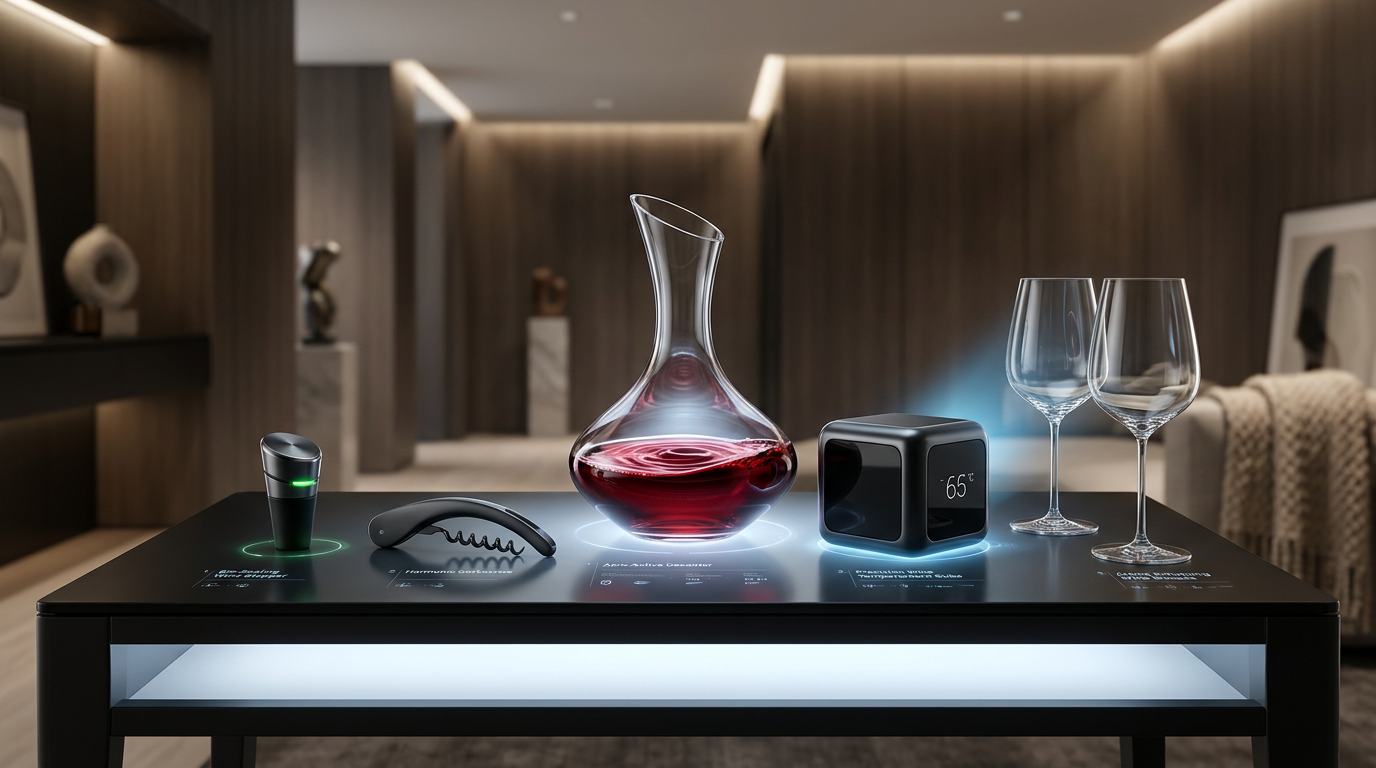
The Vinous Arsenal: Essential Tools for Elevating Your Wine Experience in 2026
As we navigate May 2026, the world of wine continues to evolve, offering enthusiasts unprecedented tools. Discover the essential wine accessories for 2026 that will elevate your enjoyment, from innovative aerators to smart preservation systems. Upgrade your vinous arsenal today with Greatest Wine.
Juniper Thorne