The Elusive Art of the Perfect Vintage: Deconstructing Ideal Climates and Vintner Decisions in 2026
For wine enthusiasts and producers, the quest for a perfect wine vintage is a perennial fascination. It's the confluence of ideal climatic conditions, meticulous vineyard management, and astute winemaking decisions that culminates in a truly exceptional harvest. As we navigate 2026, understanding these factors becomes crucial for appreciating the year's best wines.

The Elusive Art of the Perfect Vintage: Deconstructing Ideal Climates and Vintner Decisions in 2026 for a Perfect Wine Vintage
For wine enthusiasts and producers alike, the quest for a perfect wine vintage remains a perennial fascination. It's the confluence of ideal climatic conditions, meticulous vineyard management, and astute winemaking decisions that culminates in a year's harvest capable of producing truly exceptional wines. As we navigate 2026, the discussions around what constitutes a great vintage are more nuanced than ever, with climate change introducing new variables and challenges to traditional wine-growing regions across the globe. Understanding these elements is crucial to appreciating the complex tapestry woven into every bottle.
Defining the Perfect Wine Vintage: More Than Just a Good Year
What exactly makes a vintage 'perfect'? It's a question that sparks endless debate among sommeliers, critics, and collectors. While specific interpretations vary, a perfect wine vintage generally signifies a year where environmental conditions allowed grapes to reach optimal ripeness, balance, and concentration, leading to wines with remarkable depth, complexity, and longevity. It's not simply about high yields or intense flavors; it's about harmony.
In 2026, the concept of perfection is being re-evaluated. Winemakers are adapting to more extreme weather patterns, making resilience a key factor in achieving quality. The traditional markers of an excellent vintage—ample sunshine, moderate rainfall, and a long, stable growing season—are still highly valued, but the ability to mitigate adverse conditions is now just as important. To delve deeper into similar topics, explore our guide on Decoding Sommelier Secrets: Advanced Sensory Analysis for the Home Enthusiast in 2026.
The Role of Climate and Terroir in Achieving a Perfect Wine Vintage
Terroir, the complete natural environment in which a particular wine is produced, including factors such as the soil, topography, and climate, is undeniably the bedrock of any great wine. The microclimate of a specific vineyard can significantly influence grape development. For a perfect wine vintage, the confluence of these elements is critical.
- Sunshine: Adequate sunlight is essential for photosynthesis, sugar development, and the ripening of phenolic compounds (tannins, color).
- Rainfall: Balanced precipitation is crucial – too much can lead to dilution and disease; too little can cause hydric stress.
- Temperature Fluctuations: Significant diurnal temperature shifts (warm days, cool nights) are vital for preserving acidity and developing aromatic complexity.
- Soil Composition: The interaction between grapevines and various soil types (clay, limestone, sand, gravel) impacts water drainage, nutrient availability, and ultimately, the character of the fruit.
As we observe vintages in 2026, it's clear that regions traditionally known for consistency are experiencing greater variability. This forces winemakers to be more agile in their decision-making. Learn more about regional influences in our article on Uncorking the Terroir: A Deep Dive into Micro-Appellation Wines of 2026.
Challenges to the Perfect Vintage in the Modern Era
The wine world faces unprecedented challenges in 2026, primarily driven by climate change. These challenges directly impact the possibility of a perfect wine vintage.
- Extreme Weather Events: Heatwaves, late frosts, hailstorms, and torrential downpours are becoming more frequent, capable of decimating crops or severely compromising quality.
- Changing Ripening Cycles: Warmer temperatures can accelerate ripening, leading to grapes with higher sugar levels but potentially lower acidity and phenolic immaturity.
- Water Scarcity: Droughts in many regions put vineyards under immense stress, impacting grape development and yield.
- Pest and Disease Pressure: Changes in climate can also alter the prevalence and severity of vineyard pests and diseases, requiring increased vigilance and sustainable management practices.
Vintner Decisions: The Art and Science Behind the Perfect Wine Vintage
While nature provides the canvas, it's the vintner's expertise and decisions that paint the masterpiece. Even in a challenging year, skilled winemakers can often salvage or elevate the quality, proving that a 'good' vintage isn't solely defined by the weather report. The human element is paramount in creating a perfect wine vintage.
Vineyard Management Strategies
Before the harvest, countless decisions are made in the vineyard:
- Canopy Management: Pruning, shoot thinning, and leaf pulling influence light exposure, air circulation, and fruit development.
- Yield Control: Limiting the number of bunches per vine ensures that the vine's energy is concentrated into fewer, higher-quality grapes.
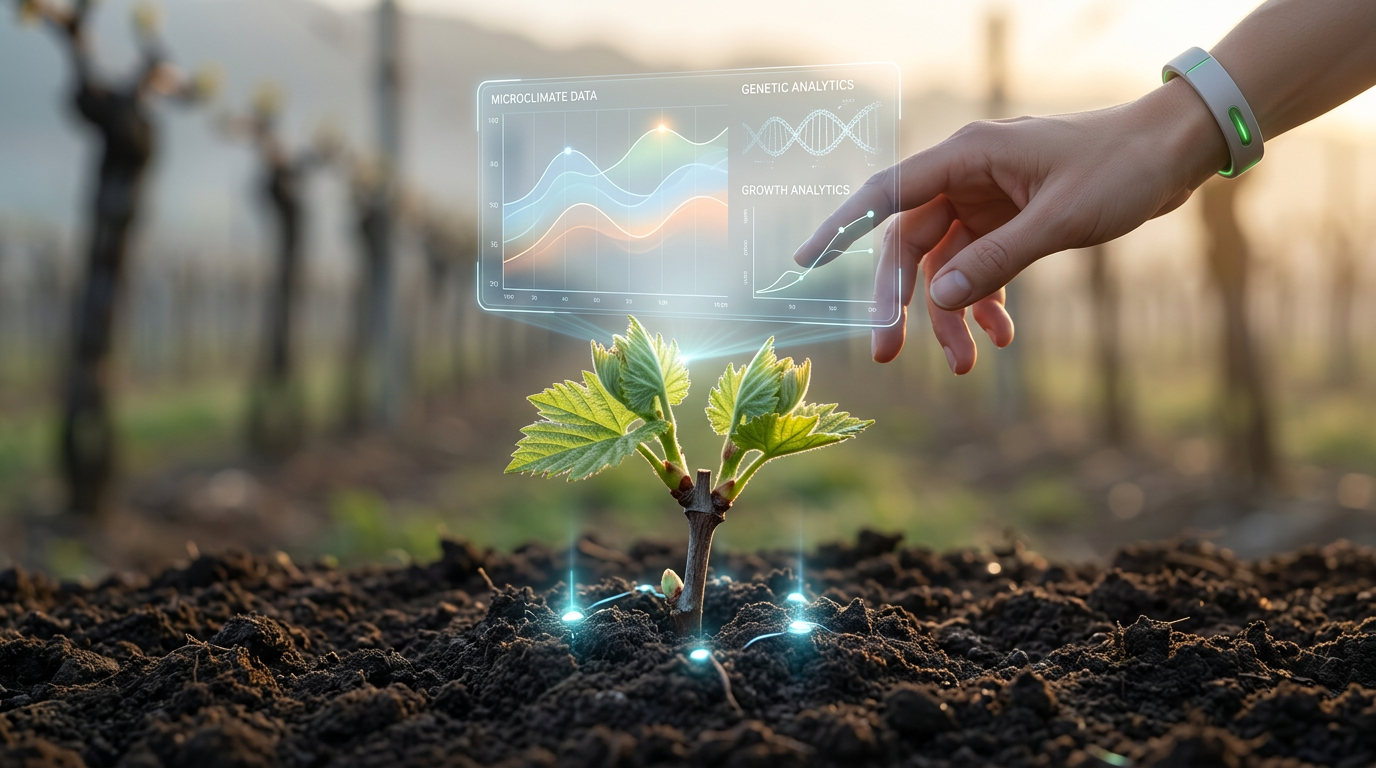
- Water Management: Precision irrigation (or lack thereof) is crucial, especially in drought-prone regions. Sensor technology in 2026 allows for highly targeted watering.
- Disease and Pest Control: Proactive, sustainable approaches minimize damage and ensure healthy fruit.
These practices often adapt year by year, responding to the specific conditions of each growing season. This adaptability is key to approaching a perfect wine vintage. For more insights into grape varieties and their evolution, see our article on Forgotten Grapes, Rediscovered Flavors: Exploring the Revival of Ancient Wine Varieties in 2026.
Harvesting at the Optimal Moment
Perhaps no decision is as critical as determining the precise moment to harvest. This choice directly impacts the wine's acidity, sugar levels, and phenolic ripeness. Harvesting too early results in green, unripe flavors and harsh tannins. Harvesting too late can lead to overripe, flabby wines lacking freshness.
Winemakers meticulously monitor grape samples, balancing scientific analysis with centuries of empirical knowledge. The "perfect" ripeness often means a harmonious balance between all these factors, not just high sugar.
Winemaking Techniques and Philosophy
Once the grapes are in the cellar, the vintner's philosophy truly comes to the fore. From fermentation temperatures to barrel aging, every step influences the final product:
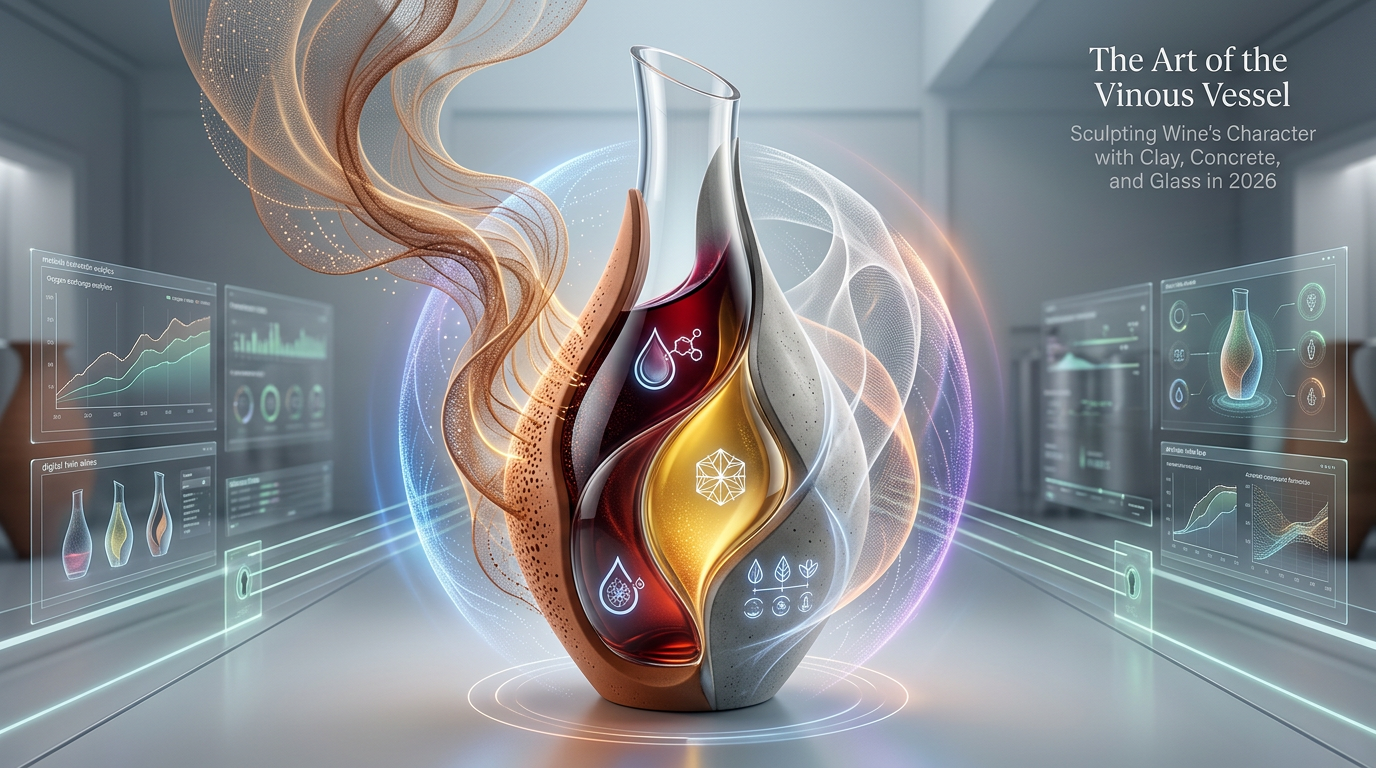
- Fermentation: Choice of yeast, fermentation vessel (stainless steel, oak, concrete), and temperature control all shape flavor and texture.
- Maceration: The contact time between grape skins and juice impacts color, tannin, and aromatic extraction.
- Aging: Decision on vessel (new vs. old oak, size of barrel), duration of aging, and batonnage (lees stirring) contribute significantly to complexity and mouthfeel.
- Blending: For many wines, especially Bordeaux and Champagne, blending different grape varieties or separate parcels is an art form.
A truly great winemaker understands how to coax the best out of the fruit, even when the vintage is less than ideal. Their ability to adapt and innovate is essential to creating wines that approach the ideal of a perfect wine vintage. You can find more about winemaking philosophies and practices here.
Case Studies: Notable Vintages and the Quest for Perfection in 2026
Looking back at historical vintages, we can see patterns emerge. While some years are universally lauded as exceptional (think Bordeaux 1982 or Burgundy 1990), many more are considered "grower's vintages" where the skill of the vintner truly shines. As we stand in 2026, recent harvests across the globe provide compelling examples of ongoing adaptation.
For instance, in certain parts of Europe during 2024 and 2025, unseasonably warm springs followed by late frosts presented significant challenges. Producers who employed effective frost protection methods and prudent canopy management were able to salvage quality, resulting in wines that, while perhaps not universally 'perfect,' still displayed remarkable character and region-specific typicity. These vintages underscored the importance of human intervention.
Conversely, some regions in the Southern Hemisphere experienced near-ideal conditions in 2025, showcasing consistent warmth and sufficient rainfall that led to highly anticipated releases in 2026. These examples highlight the ever-present variability and the exciting potential each year brings.
Impact of Regional Decisions on Wine Quality
Different regions adopt different strategies. In Champagne, for example, the concept of a vintage is often reserved for truly exceptional years, underscoring the high bar set for a perfect wine vintage. Non-vintage wines, on the other hand, rely on the masterful blending of wines from different years to maintain consistency. This blending art is a profound testament to the vintner's skill.
In contrast, regions like Burgundy often release vintage-specific wines annually, with quality varying significantly from year to year. Here, understanding the nuances of each vintage's characteristics is crucial for collectors. The 2026 releases from these regions will tell another chapter in the story of regional adaptation and pursuit of quality. For more information on wine regions and their unique characteristics, a resource like Jancis Robinson's website can be invaluable.
The Future of the Perfect Wine Vintage: Adaptation and Innovation in 2026 and Beyond
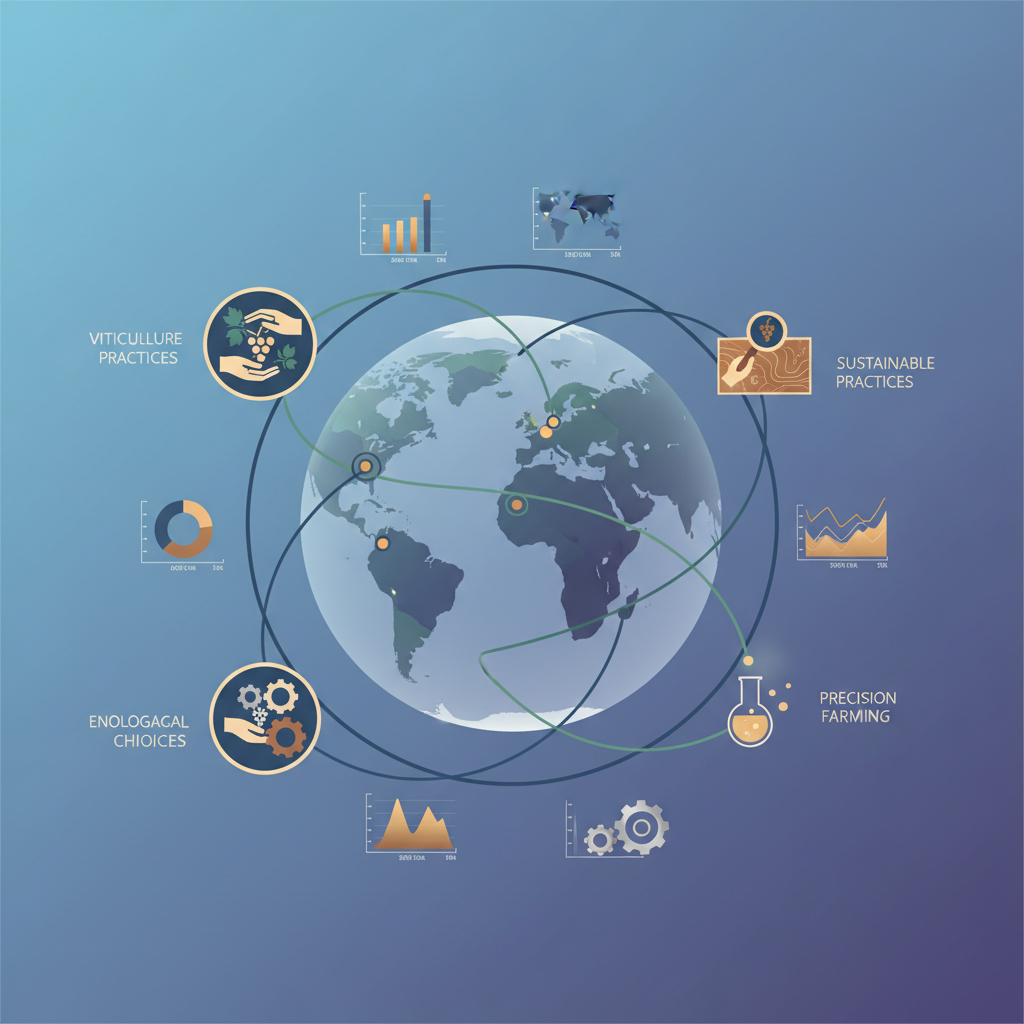
The pursuit of the perfect wine vintage is an ongoing journey. With climate change as a constant companion, the wine industry in 2026 is seeing significant investment in research and development. From drought-resistant rootstocks to advanced weather prediction models, winemakers are leveraging technology to mitigate risks and enhance quality.
- Sustainable Practices: Organic and biodynamic farming methods are becoming integrated mainstream, fostering healthier vineyards that are more resilient to environmental stress.
- New Grape Varieties: Experimentation with PIWI (fungus-resistant) varieties and traditional grapes better suited to warmer climates is on the rise.
- Precision Viticulture: Drones and satellite imagery provide granular data on vineyard health, allowing for highly targeted interventions.
- Winemaking Evolution: Cellar practices are also evolving, with greater emphasis on gentle extraction, temperature control, and often, less intervention to allow the fruit to express itself.
Ultimately, the definition of a perfect wine vintage may also evolve. It might increasingly encompass wines that demonstrate resilience, sustainability, and authenticity, rather than simply raw power or concentration. The focus will remain on balance, complexity, and the unique story each bottle tells about its particular year and place. The integration of technology, like The AI Sommelier: Integrating Artificial Intelligence for Predictive Pairing and Personalized Wine Discovery in 2026, also points to a future where data-driven decisions further refine viticulture and winemaking.
As we continue to explore the intricate world of wine through Greatest Wine, the concept of a perfect wine vintage remains a beacon, guiding winemakers and enchanting enthusiasts. It’s a testament to nature's power and humanity's enduring quest for excellence. For further reading on viticultural innovations, consider resources like Wine Spectator.
Written by
Juniper Thorne is an experienced writer and educator with a deep passion for the world of wine. Bringing expertise in sensory analysis and wine culture to the Greatest Wine platform, Juniper helps readers explore and appreciate every nuance of wine.
Related Articles

The Cellar Architects: Mastering Elite Wine Preservation and Evolution in 2026
For the true connoisseur, wine is more than just a beverage; it's a living entity, an investment, and a passion. Mastering its preservation and evolution is an art form, especially in 2026 with new technologies and insights. Learn how to protect and enhance your cherished collection.
Juniper Thorne