Uncorking the Terroir: A Deep Dive into Micro-Appellation Wines of 2026
In 2026, micro-appellation wines continue to captivate enthusiasts, offering specific expressions of terroir. These exceptional wines provide a profound journey into unique combinations of soil, climate, and human touch, reflecting the very essence of their incredibly localized origins. Understand the nuances that make these wines truly special.

Uncorking the Terroir: A Deep Dive into Micro-Appellation Wines of 2026
In the intricate world of viticulture, understanding the nuances of origin is paramount. As we navigate 2026, the spotlight continues to shine brightly on micro-appellation wines – a captivating category that zeroes in on the most specific expressions of terroir. These exceptional wines offer a profound journey into the unique combination of soil, climate, and human touch found within incredibly small, defined geographical areas. For discerning enthusiasts and professional tasters alike, delving into micro-appellation wines means unlocking a deeper appreciation for the subtle variations that make each bottle a distinct narrative of its birthplace.
What Exactly Are Micro-Appellation Wines?
The concept of appellation has long been a cornerstone of quality wine production, designating wines that come from a specific region and adhere to strict production regulations. However, micro-appellation wines take this concept a step further. They refer to wines produced from an even more confined area within a broader appellation, often a single vineyard, a specific hillside, or even just a particular plot within a vineyard.
This hyper-localization allows winemakers to highlight the minute differences in soil composition, sun exposure, drainage, and elevation that contribute to truly unique flavor profiles. It's an ode to precision and an exploration of the absolute limits of terroir expression. As of 2026, consumer interest in these highly individualized wines continues to grow, driven by a desire for authenticity and distinctiveness in their wine choices. Further insights into the general wine world can be found on sites like Wine Folly, which offer foundational knowledge.
The Terroir-Driven Philosophy Behind Micro-Appellations
At the heart of micro-appellation wines lies a deep commitment to the philosophy of terroir. This French term, often translated as "a sense of place," encompasses all the environmental factors that influence the growth of grapes and, consequently, the character of the wine. For micro-appellations, this sense of place becomes incredibly acute.
- Soil Diversity: Within a single larger appellation, soil types can vary dramatically. A micro-appellation might highlight a specific patch of limestone, clay, or volcanic soil, each imparting distinct mineral notes and textures to the wine.
- Microclimates: Elevation changes, proximity to water bodies, and local wind patterns create unique microclimates. These subtle variations dictate everything from grape ripening speeds to acidity levels, profoundly influencing the final wine.
- Vine Age and Clonal Selection: Older vines often produce lower yields but more concentrated, complex fruit. Specific grape clones are also chosen for their suitability to a particular micro-appellation, further enhancing its distinctiveness.
Understanding these elements helps us appreciate why a Pinot Noir from one specific Vosne-Romanée climat can differ so dramatically from another just meters away.
The Rising Prominence of Micro-Appellation Wines in 2026
The wine industry in 2026 is characterized by a strong trend towards transparency, sustainability, and authenticity. Consumers are increasingly seeking wines with a narrative, a story of their origin, and a clear connection to the land and the people who crafted them. This plays directly into the strengths of micro-appellation wines.
Winemakers are also embracing this movement, recognizing the opportunity to showcase the pinnacle of their region's potential. By bottling wines from extremely specific parcels, they are able to demonstrate their expertise in managing diverse terroirs and producing wines of unparalleled character and depth. This level of dedication translates into higher quality and often more limited production, making these wines highly sought after by collectors and connoisseurs. For more on the economic aspects, consider resources like Wine Spectator.
Key Regions and Notable Micro-Appellations to Explore
While the concept of micro-appellation is global, some regions are particularly renowned for their precise delineations:
- Burgundy, France: Perhaps the most famous exponent of micro-appellations, Burgundy's "climats" are legendary. Single-vineyard designations like Romanée-Conti, Montrachet, and Clos Vougeot are prime examples, where wines from adjacent plots can command vastly different prices and possess distinct personalities.
- Piedmont, Italy: The Nebbiolo-producing regions of Barolo and Barbaresco are also deeply rooted in micro-appellation philosophy. Specific "Menzioni Geografiche Aggiuntive" (MGAs) like Cannubi or Brunate in Barolo highlight unique expressions of Nebbiolo.
- California, USA: While often known for broader appellations, California is seeing a movement towards more granular classifications, particularly in regions like Sonoma Coast (e.g., specific ridgelines or ranches) and Santa Rita Hills (AVA sub-regions). Winemakers are increasingly bottling single-block or single-vineyard wines that function as de facto micro-appellations.
- Germany & Austria: For Riesling and Grüner Veltliner respectively, "Grosses Gewächs" (GG) wines and "Erste Lagen" (first growth) sites represent top-tier single vineyards, offering incredibly detailed expressions of terroir.
Tasting and Appreciating Micro-Appellation Wines
To truly appreciate micro-appellation wines, a focused approach to tasting is essential. These wines are not about broad strokes of flavor, but rather the subtle interplay of acidity, minerality, texture, and aroma that speaks directly of their origin. When tasting, consider the following:
- Aromatics: Seek out unique soil-derived aromas (e.g., wet stone, forest floor, flint) alongside primary fruit and secondary oak characteristics.
- Palate Structure: Pay attention to the wine's acidity, tannin structure (if red), and mouthfeel. How does it evolve on the palate? Does it have a distinct mineral backbone?
- Finish: A long, complex finish is often a hallmark of well-made micro-appellation wines, revealing layers of flavor and a persistent sense of place.
- Comparative Tasting: The best way to understand micro-appellations is to taste wines from different micro-appellations within the same broader region, or even from adjacent plots. The differences, though sometimes subtle, can be profound.
Mastering the art of professional wine tasting, as explored in depth on Greatest Wine, provides the necessary tools to unlock the secrets held within these exceptional bottles. Understanding wine and food pairing can also elevate the experience of these intricate wines.
The Future Landscape for Micro-Appellation Wines
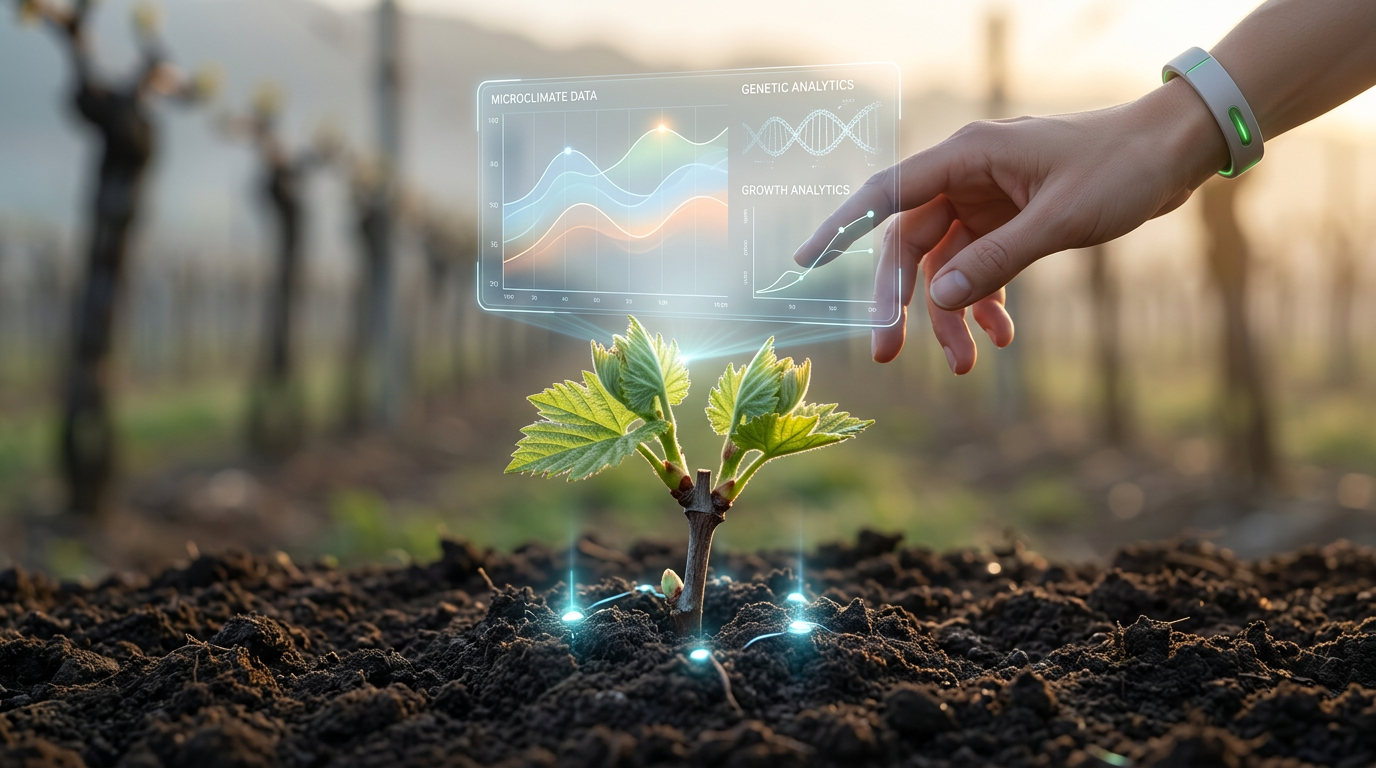
Looking ahead to the rest of 2026 and beyond, the influence of micro-appellation wines is only set to deepen. Climate change, while a significant challenge, is also prompting winemakers to better understand and manage the specific microclimates within their vineyards, leading to an even greater focus on precise parcel management. Furthermore, advancements in viticultural technology allow for more detailed analysis of soil and plant health, enabling winemakers to tailor their approach to individual rows or blocks with unprecedented accuracy.
The market for rare and unique wines remains robust, and micro-appellation wines perfectly fit this niche. Their limited production, intense character, and compelling stories make them highly desirable. As wine culture continues to evolve globally, with consumers valuing nuance and authenticity above all else, micro-appellations will undoubtedly remain at the forefront of fine wine appreciation. Insights on consumer preferences can often be found on Decanter.
Sustainability and Ethical Practices in Micro-Appellations
Crucially, many producers of micro-appellation wines are also leaders in sustainable and organic viticulture. The philosophy of respecting the land to produce wines that express its unique character naturally extends to practices that preserve the environment. Biodynamic farming, in particular, is often embraced in these hyper-specific vineyards, further enhancing the purity and distinctiveness of the wines. This commitment to ecological responsibility resonates deeply with conscious consumers in 2026, adding another layer of appeal to these special wines. For a deeper dive into specific wine production methods, consider exploring advanced wine production techniques.
Written by
Juniper Thorne is an experienced writer and educator with a deep passion for the world of wine. Bringing expertise in sensory analysis and wine culture to the Greatest Wine platform, Juniper helps readers explore and appreciate every nuance of wine.
Related Articles

The Cellar Architects: Mastering Elite Wine Preservation and Evolution in 2026
For the true connoisseur, wine is more than just a beverage; it's a living entity, an investment, and a passion. Mastering its preservation and evolution is an art form, especially in 2026 with new technologies and insights. Learn how to protect and enhance your cherished collection.
Juniper Thorne