Wine Tasting: How to Taste Wine Like a Professional
Embark on a sensory journey into the sophisticated world of wine tasting. This comprehensive guide will equip you with the knowledge and techniques to analyze wine like a professional, enhancing your appreciation for every sip.

Wine Tasting: How to Taste Wine Like a Professional
Embark on a sensory journey into the sophisticated world of wine tasting. This comprehensive guide will equip you with the knowledge and techniques to analyze wine like a professional, enhancing your appreciation for every sip. Discover the art of discerning aromas, flavors, and textures, transforming your wine experience from casual enjoyment to informed connoisseurship.
The Art and Science of Wine Tasting
Wine tasting is much more than simply drinking wine; it's a methodical process of evaluating a wine's characteristics using your senses. This involves observing its appearance, smelling its aromas, and tasting its flavors and textures. Mastering this art allows you to understand the craftsmanship behind each bottle, appreciate its nuances, and articulate your perceptions with confidence.
Professional wine tasters employ a structured approach to ensure consistency and objectivity in their evaluations. This systematic method helps to break down the complex sensory experience into manageable components. By following these steps, you can develop your palate and enhance your ability to identify different wine styles and qualities.
Why Learn Professional Wine Tasting?
Learning to taste wine like a professional offers numerous benefits. It deepens your appreciation for wine, allowing you to identify quality and characteristics you might otherwise miss. It also empowers you to make more informed purchasing decisions, selecting wines that truly align with your preferences. Furthermore, it opens up a new avenue for social interaction, enabling you to discuss wine with greater insight and confidence.
Beyond personal enjoyment, understanding professional tasting techniques can be a valuable skill for anyone involved in the wine industry. From sommeliers and critics to winemakers and retailers, a refined palate is essential for success. Even for the enthusiastic amateur, it transforms wine from a simple beverage into a fascinating subject of study and enjoyment.
Essential Preparations for Wine Tasting
Before you even pour the first drop, proper preparation is crucial for an optimal wine tasting experience. The environment, glassware, and even your own palate can significantly influence your perception of the wine. Taking these preliminary steps seriously sets the stage for accurate and insightful evaluation.
Choosing the Right Glassware
The type of glass you use plays a significant role in how you perceive a wine. Different glass shapes are designed to direct aromas to your nose and flavors to specific parts of your palate. A good wine glass typically has a clear, thin bowl, a stem, and a base.
For most wines, a standard ISO (International Standards Organization) tasting glass or a universal wine glass is an excellent choice. These glasses have a tulip shape that concentrates aromas effectively. Avoid overly ornate or colored glasses, as they can obscure the wine's appearance.
Optimal Serving Temperature
Serving wine at its correct temperature is paramount to its expression. Too cold, and aromas and flavors will be muted; too warm, and the wine might appear flabby or alcoholic. Each wine style has an ideal temperature range that allows its characteristics to shine.
As a general guideline, white wines and rosés are best served chilled (around 8-12°C or 45-55°F), while red wines prefer a slightly cooler room temperature (16-18°C or 60-65°F). Sparkling wines should be well-chilled (6-10°C or 43-50°F). Investing in a wine thermometer can help ensure accuracy.
Decanting Wine: When and Why
Decanting is the process of pouring wine from its bottle into another vessel, typically a decanter. This serves two primary purposes: separating sediment from older wines and aerating younger wines. Aeration allows oxygen to interact with the wine, softening tannins and opening up its aromatic profile.
Older, delicate red wines with sediment benefit from careful decanting to ensure a clear pour. Younger, more robust reds, especially those with high tannins, can also benefit from decanting for an hour or two before serving to help them express their full potential. White wines and sparkling wines rarely require decanting.
Preparing Your Palate and Environment
Your personal state and surroundings can impact your tasting experience. Ensure you are in a well-lit, odor-free environment, free from strong perfumes, candles, or cooking smells that could interfere with your perception of wine aromas. Avoid eating strong-flavored foods or drinking coffee immediately before tasting.
It's also advisable to cleanse your palate between wines. Plain water, unsalted crackers, or plain bread can help neutralize your taste buds. Approach each wine with an open mind and a clear, refreshed palate to truly appreciate its individual characteristics.
The Professional Wine Tasting Method: A Step-by-Step Guide
Professional wine tasting follows a systematic, three-stage approach: Look, Smell, and Taste. Each stage provides crucial information about the wine, building a comprehensive profile of its characteristics. By meticulously following these steps, you can uncover the intricate details of any wine.
Step 1: Look (Sight)
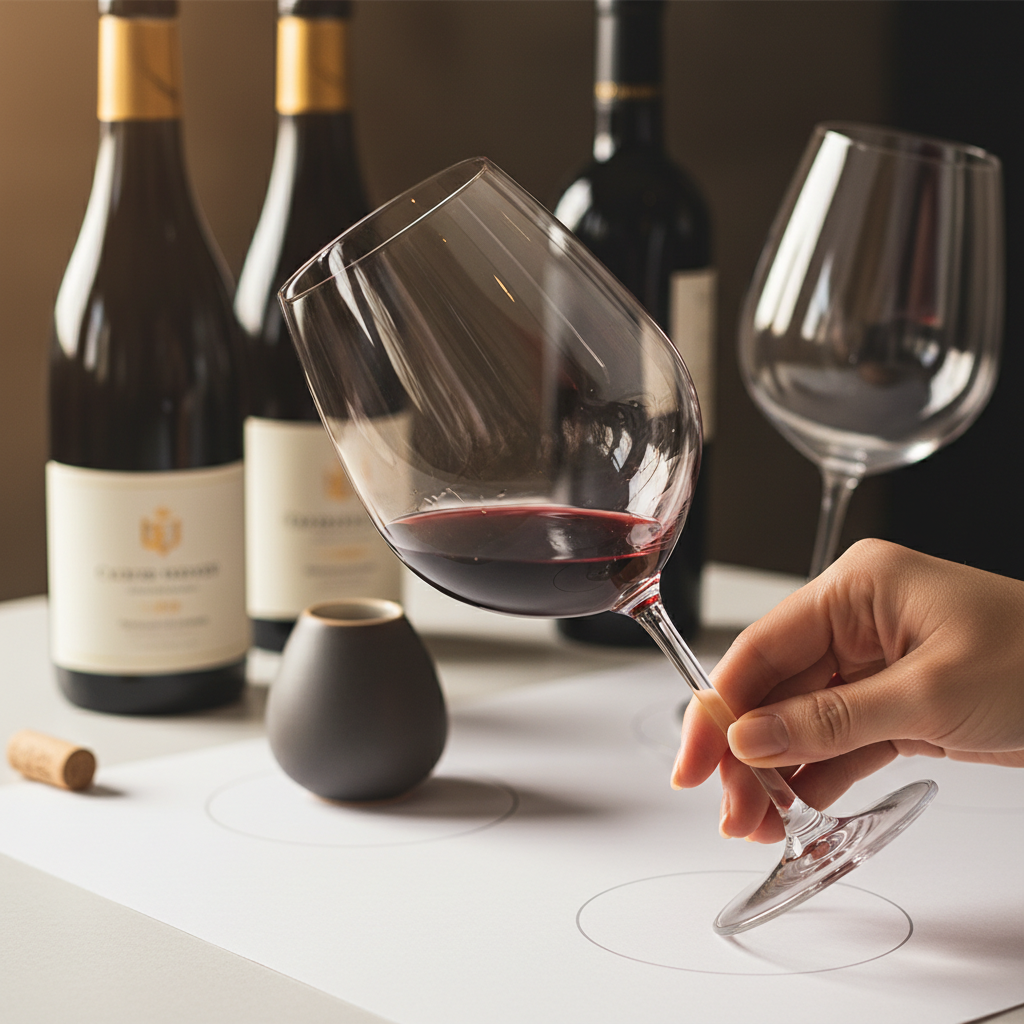
The first impression of a wine comes from its appearance. Visual cues can tell us a lot about a wine's age, grape variety, and even its winemaking process. Hold your glass against a white background, such as a napkin or a piece of paper, to observe its clarity and color accurately.
#### Clarity and Brilliance
A wine's clarity refers to its transparency and freedom from haziness or particles. Most modern wines should be clear and brilliant. Haze can sometimes indicate a fault, though some natural or unfiltered wines may have a slight cloudiness by design.
#### Color and Hue
The color of a wine provides clues about its age, grape variety, and possibly its winemaking techniques.
* White Wines: Range from pale lemon-green in youth to deep gold or amber with age. Deeper gold can also indicate oak aging or botrytis.
* Red Wines: Start with vibrant ruby or purple hues when young, evolving to garnet, brick, or tawny with age. The intensity can suggest the grape variety (e.g., Pinot Noir is lighter than Cabernet Sauvignon).
* Rosé Wines: Exhibit a spectrum from pale salmon and onion skin to vibrant pink or cherry red, depending on the maceration time with grape skins.
#### Viscosity (Legs/Tears)
Swirl the wine gently in your glass and observe the "legs" or "tears" that form on the inside of the glass. These are droplets that cling to the glass and slowly run down. While often associated with quality, legs primarily indicate alcohol content and residual sugar. Wines with higher alcohol and/or sugar will typically have more pronounced, slower-moving legs.
Step 2: Smell (Nose)
A wine's aroma is arguably its most complex and revealing characteristic. Our sense of smell is far more sensitive than our sense of taste, allowing us to detect a vast array of compounds. Learning to identify these aromas is a cornerstone of professional wine tasting.
#### First Sniff (Initial Impression)
Without swirling, take a quick sniff of the wine. This gives you an initial impression and helps detect any obvious faults, such as cork taint (a musty, damp cardboard smell) or volatile acidity (vinegar-like).
#### Swirl and Sniff (Unlocking Aromas)
Gently swirl the wine in your glass for 5-10 seconds. This introduces oxygen, which helps release aromatic compounds into the air. Now, take a deeper sniff. Repeat this process a few times, allowing your nose to adjust and identify different layers of aroma.
#### Classifying Aromas: Primary, Secondary, Tertiary
Wine aromas are typically categorized into three main groups:
* Primary Aromas: These come directly from the grape variety itself and the terroir. Examples include fruit (berries, citrus, stone fruit), floral (rose, violet), and herbal/vegetal (bell pepper, mint) notes.
* Secondary Aromas: These are developed during the winemaking process, particularly fermentation and malolactic fermentation. Examples include yeast-derived notes like bread, brioche, or cheese, and dairy notes like butter or yogurt.
* Tertiary Aromas: These aromas develop as the wine ages, either in oak barrels or in the bottle. They are often complex and nuanced, including notes of vanilla, toast, smoke (from oak), leather, tobacco, mushroom, earth, and dried fruit.
Step 3: Taste (Palate)
The palate is where all the sensory information comes together. When tasting, you're evaluating a wine's flavors, textures, and structural components. Take a small sip of wine, allowing it to coat your entire mouth. Chew on it slightly, drawing in a little air to further aerate it and release more flavors.
#### Flavors
Identify the flavors you perceive. Do they match the aromas you detected? Common flavor categories include:
* Fruit: Red fruit (cherry, raspberry), black fruit (blackberry, cassis), citrus (lemon, grapefruit), tropical (pineapple, mango), stone fruit (peach, apricot).
* Non-Fruit: Earthy (mushroom, forest floor), spicy (pepper, cinnamon), nutty (almond, hazelnut), floral, herbal, mineral, savory.
#### Sweetness
Sweetness refers to the amount of residual sugar in the wine. Wines can range from bone dry (no perceptible sugar) to off-dry, semi-sweet, or lusciously sweet (like dessert wines).
#### Acidity
Acidity provides freshness, liveliness, and backbone to a wine. High acidity makes your mouth water, while low acidity can make a wine seem flat or flabby. Think of the crispness of a lemon or the tartness of a green apple.
#### Tannin
Tannins are phenolic compounds found primarily in red wines, derived from grape skins, seeds, and oak barrels. They create a drying, astringent sensation in your mouth, particularly on your gums and tongue. Tannins can be described as silky, grippy, coarse, or fine-grained.
#### Alcohol
Alcohol contributes to a wine's body and warmth. High alcohol wines can feel warm or hot in the mouth, while lower alcohol wines feel lighter. It can also contribute to the "legs" observed earlier.
#### Body
Body refers to the perceived weight or richness of the wine in your mouth. It's often described as light-bodied (like skim milk), medium-bodied (like whole milk), or full-bodied (like cream). Factors like alcohol, sugar, and extract contribute to body.
#### Finish
The finish, or length, is the lingering impression of flavor and texture after you've swallowed (or spit) the wine. A long, pleasant finish is often a sign of a high-quality wine. Evaluate the duration and evolution of flavors on your palate.
Beyond the Basics: Advanced Tasting Concepts
Once you've mastered the fundamental steps, you can delve into more advanced aspects of wine tasting. These concepts help to refine your palate and provide a deeper understanding of wine quality and character.
Wine and Food Pairing Principles
Understanding how wine interacts with food is an essential skill for any wine enthusiast. The goal is to create a harmonious balance where both the food and the wine enhance each other. General principles include:
* Match weight with weight: Light-bodied wines with light dishes, full-bodied wines with rich dishes.
* Bridge flavors: Find common flavors or characteristics in both the wine and the food.
* Contrast flavors: Sometimes, contrasting elements can create an exciting pairing (e.g., sweet wine with salty food).
* Consider acidity: High-acid wines cut through rich, fatty foods.
* Mind the tannins: Tannic red wines pair well with protein and fat, which soften their astringency.
For example, a crisp Sauvignon Blanc pairs beautifully with fresh oysters, while a robust Cabernet Sauvignon complements a grilled steak. [Internal Link: Explore our comprehensive guide on wine and food pairing for more detailed recommendations.]
Identifying Wine Faults
Detecting wine faults is a crucial aspect of professional tasting. Faults are undesirable characteristics that indicate a problem with the wine, often making it undrinkable. Common faults include:
* Cork Taint (TCA): A musty, damp cardboard, wet dog smell.
* Oxidation: A sherry-like, nutty, bruised apple aroma, indicating too much exposure to oxygen.
* Reduction: Smells like struck match, rotten eggs, or garlic, due to insufficient oxygen during winemaking.
* Volatile Acidity (VA): A vinegar or nail polish remover smell.
* Brettanomyces ("Brett"): A barnyard, band-aid, or sweaty saddle aroma.
If you suspect a wine is faulty, it's generally best not to drink it.
Blind Tasting Techniques
Blind tasting involves evaluating a wine without knowing its identity (grape, region, vintage). This removes bias and forces you to rely purely on your sensory perceptions. It's an excellent way to hone your tasting skills and objectively assess a wine's characteristics.
When blind tasting, focus on the structural components and aromatic profiles to deduce clues about the wine. Practice comparing and contrasting different wines to build your mental library of aromas and flavors.
Developing Your Palate: Practice and Patience
Becoming proficient in wine tasting requires continuous practice and patience. Your palate is like a muscle; the more you use it, the stronger and more discerning it becomes.
Keep a Tasting Journal
Documenting your tasting notes is invaluable for tracking your progress and reinforcing your learning. Record the wine's appearance, aromas, flavors, and your overall impressions. Over time, you'll start to recognize patterns and build your sensory memory.
Taste Regularly and Broadly
Don't limit yourself to just one type of wine. Explore different grape varieties, regions, and vintages. Taste wines side-by-side to highlight their differences and similarities. Attend local wine tastings or join a wine club to broaden your exposure.
Trust Your Senses
Ultimately, wine tasting is a personal experience. While there are objective standards, your individual perception is valid. Don't be afraid to articulate what you smell and taste, even if it's unconventional. The goal is to develop confidence in your own palate.
Conclusion: The Journey of a Wine Taster
Learning to taste wine like a professional is an enriching journey that transforms how you interact with this ancient beverage. By systematically engaging your senses—sight, smell, and taste—you unlock a deeper understanding of wine's complexity, craftsmanship, and cultural significance. From preparing your environment to deciphering intricate flavor profiles, each step contributes to a more profound appreciation.
This guide has provided you with the foundational knowledge and techniques to begin your professional tasting adventure. Remember, practice is key. The more you taste, analyze, and reflect, the more refined and confident your palate will become. Embrace the endless discovery that the world of wine offers, and savor every moment of your evolving expertise. Cheers to a lifetime of exquisite sips and insightful evaluations!
Written by
Juniper Thorne is an experienced writer and educator with a deep passion for the world of wine. Bringing expertise in sensory analysis and wine culture to the Greatest Wine platform, Juniper helps readers explore and appreciate every nuance of wine.
Related Articles
The Vinous Arsenal: Essential Tools for Elevating Your Wine Experience in 2026
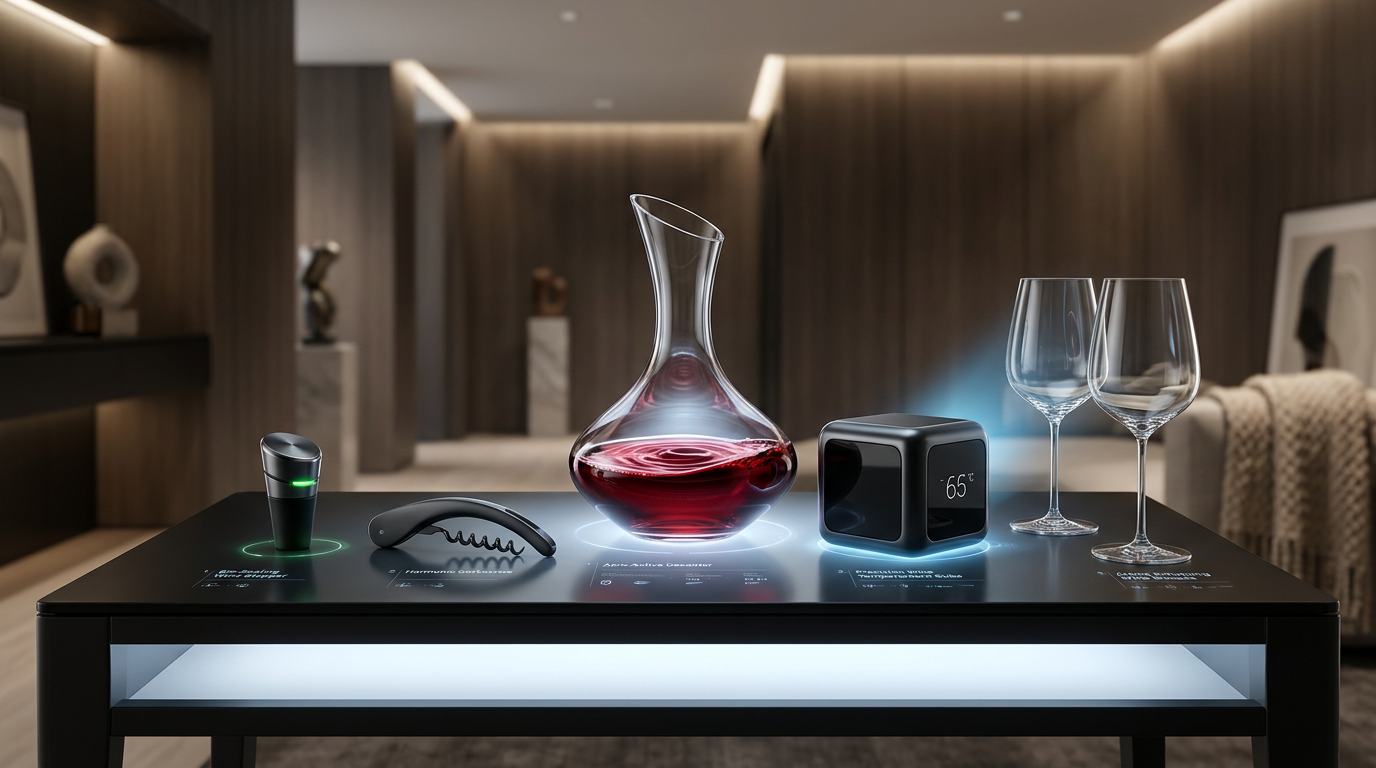
As we navigate May 2026, the world of wine continues to evolve, offering enthusiasts unprecedented tools. Discover the essential wine accessories for 2026 that will elevate your enjoyment, from innovative aerators to smart preservation systems. Upgrade your vinous arsenal today with Greatest Wine.
Juniper Thorne