The Art of the 'Cognitive Cellar': How Sensory Deprivation Enhances Wine Appreciation in 2026
In 2026, sensory deprivation wine tasting, dubbed the 'Cognitive Cellar,' is a rising trend. This novel technique minimizes external stimuli, allowing drinkers to profoundly focus on the wine's intrinsic qualities, enhancing appreciation by silencing senses like sight and sound. It's transforming how enthusiasts experience and understand complex vintages.

The Art of the 'Cognitive Cellar': How Sensory Deprivation Wine Enhances Appreciation in 2026
In the evolving landscape of wine appreciation, a novel and increasingly popular technique known as sensory deprivation wine tasting is gaining significant traction in 2026. This method involves intentionally removing or minimizing external stimuli during a wine tasting, allowing for a profound focus on the wine itself. By silencing the senses of sight, sound, and even touch, enthusiasts and professionals alike are discovering a new depth of flavor, aroma, and texture that often goes unnoticed in traditional settings. This innovative approach to sensory deprivation wine truly transforms the tasting experience.
This approach pushes beyond mere cognitive terroir, where our brains sculpt perception, by actively isolating the sensory inputs to reveal the wine's true essence.
Understanding the Concept of Sensory Deprivation Wine Tasting
The core principle behind sensory deprivation wine tasting is to isolate the olfactory and gustatory senses. Our perception of wine is heavily influenced by visual cues, such as color and clarity, and even background noise can distract from subtle nuances. By cultivating an environment free from these distractions, the brain can dedicate more processing power to deciphering the complex chemical compounds that make up a wine's profile.
This technique isn't entirely new; blind tastings have been a staple in the wine world for decades. However, sensory deprivation takes this concept a significant step further, creating a truly immersive and introspective experience. It challenges preconceptions and allows for a more objective evaluation, often leading to surprising discoveries, much like how sommeliers anticipate the unseen impact of micro-climates on 2026 vintages.
The Science Behind Enhanced Perception in Sensory Deprivation Wine
When external stimuli are reduced, the brain’s neural circuits responsible for taste and smell become more active and sensitive. This phenomenon, known as cross-modal plasticity, means that areas typically associated with sight or hearing might, to some extent, reallocate their resources to enhance perception through other senses. For wine, this translates into a heightened ability to detect subtle notes of fruit, earth, spice, and more.
Studies conducted in late 2025 and early 2026 by leading sensory perception institutes have shown measurable increases in aroma identification accuracy and flavor intensity ratings when subjects participate in fully deprived environments compared to standard blind tastings. The implications for wine education and professional tasting panels are significant, reflecting a broader trend in the industry to capture and preserve wine's most fleeting scents. This scientific backing further solidifies the value of sensory deprivation wine experiences.
Creating Your Own Cognitive Cellar for Sensory Deprivation Wine Experiences
While dedicated facilities are emerging, creating a personal 'cognitive cellar' for sensory deprivation wine can be simpler than it sounds. The goal is to minimize distractions and maximize focus on the wine itself. This doesn't necessarily require specialized equipment, but rather a thoughtful approach to your tasting environment.
- Eliminate Visual Cues: Use opaque, black wine glasses or cover standard glasses with dark material. Consider blindfolds for an even deeper visual deprivation.
- Minimize Auditory Distractions: Choose a quiet room. If absolute silence isn't possible, consider noise-canceling headphones with no music, or soft, ambient white noise to mask external sounds. This echoes discussions around how music and sound influence wine perception.
- Control Olfactory Interference: Ensure the tasting environment is free from strong scents like perfumes, detergents, or cooking odors.
- Regulate Temperature: Serve wines at their optimal temperature, as this significantly impacts aroma release and flavor perception. Mastering the nuances of wine temperature is crucial for full expression.
By carefully curating these elements, you can significantly enhance your ability to appreciate the intricacies of wine without any visual or auditory bias. The experience can be both enlightening and profoundly enjoyable, making your sensory deprivation wine session truly memorable.
Essential Tools for an Optimal Sensory Deprivation Wine Experience
To truly elevate your sensory deprivation wine session, consider investing in a few key items:
- Opaque Tasting Glasses: Many companies now produce specialized black or dark-colored wine glasses designed specifically for blind tasting.
- Comfortable Blindfold: A soft, well-fitting blindfold ensures complete darkness without undue pressure.
- Quiet Environment: As mentioned, a distraction-free room is paramount. Consider a dedicated space or conducting your tasting late at night.
- Notebook and Pen: Even with deprivation, it's crucial to document your observations. Jot down aromas, flavors, textures, and your overall impression before reviewing the wine's identity.
The Benefits and Challenges of Sensory Deprivation Wine Tastings
The advantages of engaging in sensory deprivation wine tastings are numerous, ranging from enhanced learning to a deeper connection with the wine. However, there are also certain challenges to consider.
Benefits:
- Unbiased Evaluation: Removes the influence of color, label, and bottle shape, allowing for a truly objective assessment.
- Heightened Sensory Acuity: Sharpened perception of aromas, flavors, and textures often leads to discovering notes previously overlooked.
- Improved Memory and Identification Skills: By focusing solely on taste and smell, you train your brain to better recognize and recall specific wine characteristics.
- Intellectual Stimulation: A deeply engaging and thought-provoking way to explore wine, pushing the boundaries of traditional tasting.
- Reduced Preconceptions: Challenges expectations and biases, proving that a wine's quality isn't always tied to its price or reputation.
Challenges:
- Initial Discomfort: Some individuals may find the lack of visual cues disorienting or even mildly anxiety-inducing at first.
- Logistical Hurdles: Creating a perfectly quiet and visually dark environment can be challenging in a home setting.
- Reliance on Trust: If tasting in a group, trust in the host to pour correctly and maintain the integrity of the blind aspect is essential.
- Potential for Distraction: Even internal thoughts can be distracting, requiring a certain level of mental discipline.
Despite these challenges, many find the rewards of sensory deprivation tastings far outweigh any initial difficulties. It's a journey into the true essence of wine, made possible by the unique approach of sensory deprivation wine.
Future Trends: Immersive Sensory Deprivation Wine Experiences in 2026 and Beyond
As we move further into 2026, the concept of immersive sensory deprivation wine experiences is not just a niche trend but a burgeoning movement. Wineries and specialized tasting rooms are beginning to open 'dark rooms' or 'cognitive cellars' designed specifically for this purpose.
These dedicated spaces often feature soundproofing, blackout curtains, and specialized lighting that can be completely extinguished upon entry. Some even incorporate olfactory neutralizers to ensure no lingering scents interfere with the wine. Technology is also playing a role, with some venues experimenting with haptic feedback elements that enhance the tactile experience of holding the glass, or even controlled atmospheric pressures to subtly influence aromatics.
The Rise of Professional Dark Tastings for Sensory Deprivation Wine
Leading sommeliers and wine educators are increasingly incorporating sensory deprivation wine techniques into their training programs. The ability to accurately assess a wine without visual bias is a critical skill for competitions and advanced certifications. As such, expect to see more professional blind and dark tasting events becoming mainstream in the coming years. This aligns with broader shifts in the industry, as wine professionals delve deeper into decoding personal style and innovation in 2026's finest vintages.
These events offer an unparalleled opportunity for both professionals and passionate amateurs to hone their palate, identify flaws and complexities, and truly understand the wines they are drinking on a profound level. The objective nature of such tastings also fosters a truly democratic evaluation of quality.
One notable development in 2026 is the emergence of virtual reality (VR) and augmented reality (AR) applications designed to simulate sensory deprivation environments. While these don't fully replace a physical dark room, they offer an accessible way for enthusiasts to practice and understand the principles, further democratizing the advanced art of wine appreciation. Research into the impact of sensory experience on food and beverage perception, such as studies published in the Frontiers in Psychology journal, offers compelling evidence for the efficacy of these methods. For further insights into the global wine market trends influencing these practices, consider reports from organizations like the International Organisation of Vine and Wine (OIV), which consistently highlight innovation in wine consumption.
Conclusion: The Future of Sensory Deprivation Wine
The practice of sensory deprivation wine tasting represents an exciting frontier in the world of oenology. By intentionally removing external distractions, we unlock a heightened sense of perception, allowing for a deeper, more objective, and ultimately more rewarding appreciation of wine. As we navigate 2026, the 'cognitive cellar' is not just a metaphor but a tangible space where enthusiasts are discovering the true character of wine, one unburdened by visual bias and external noise. Embrace this innovative approach and prepare to be surprised by what your palate can truly discern through sensory deprivation wine.
Written by
Juniper Thorne is an experienced writer and educator with a deep passion for the world of wine. Bringing expertise in sensory analysis and wine culture to the Greatest Wine platform, Juniper helps readers explore and appreciate every nuance of wine.
Related Articles
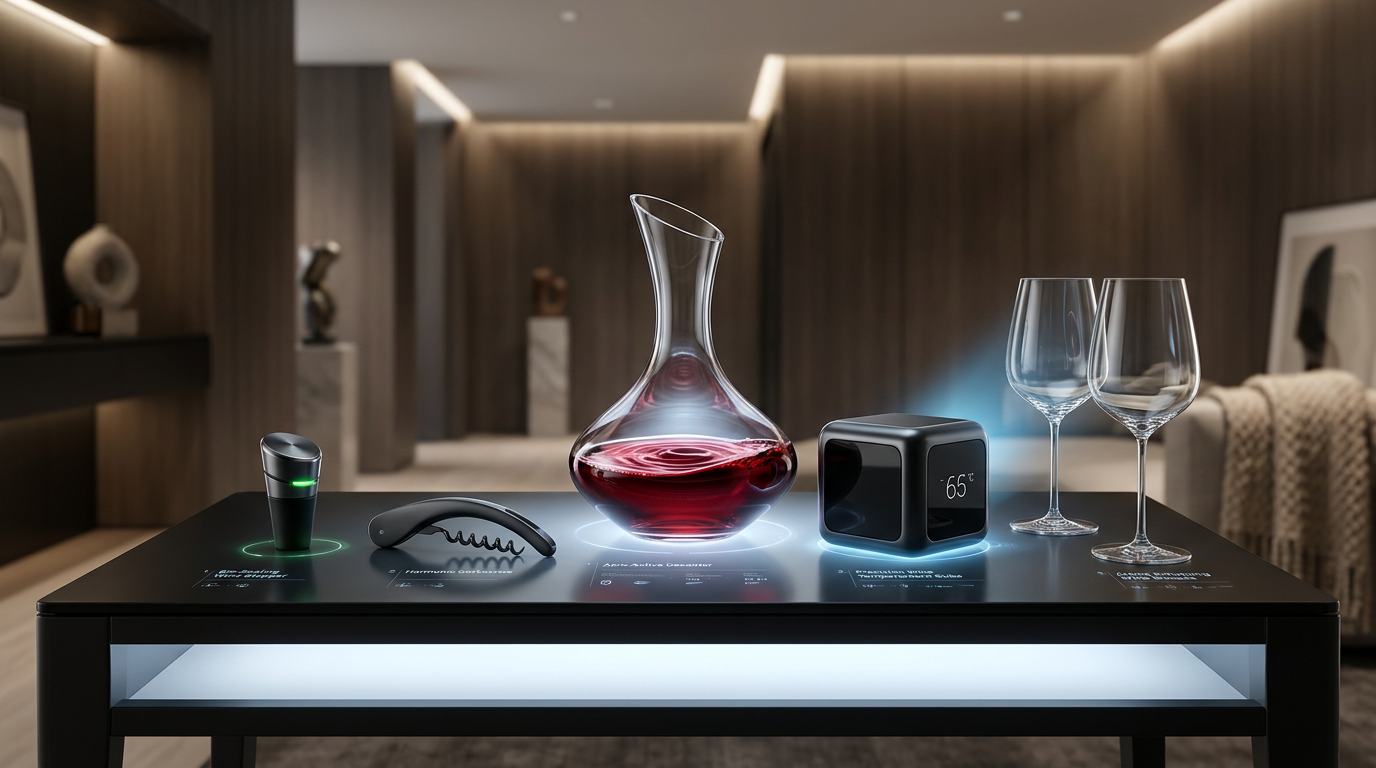
The Vinous Arsenal: Essential Tools for Elevating Your Wine Experience in 2026
As we navigate May 2026, the world of wine continues to evolve, offering enthusiasts unprecedented tools. Discover the essential wine accessories for 2026 that will elevate your enjoyment, from innovative aerators to smart preservation systems. Upgrade your vinous arsenal today with Greatest Wine.
Juniper Thorne