The Art of the Winemaker's Signature: Decoding Personal Style and Innovation in 2026's Finest Vintages
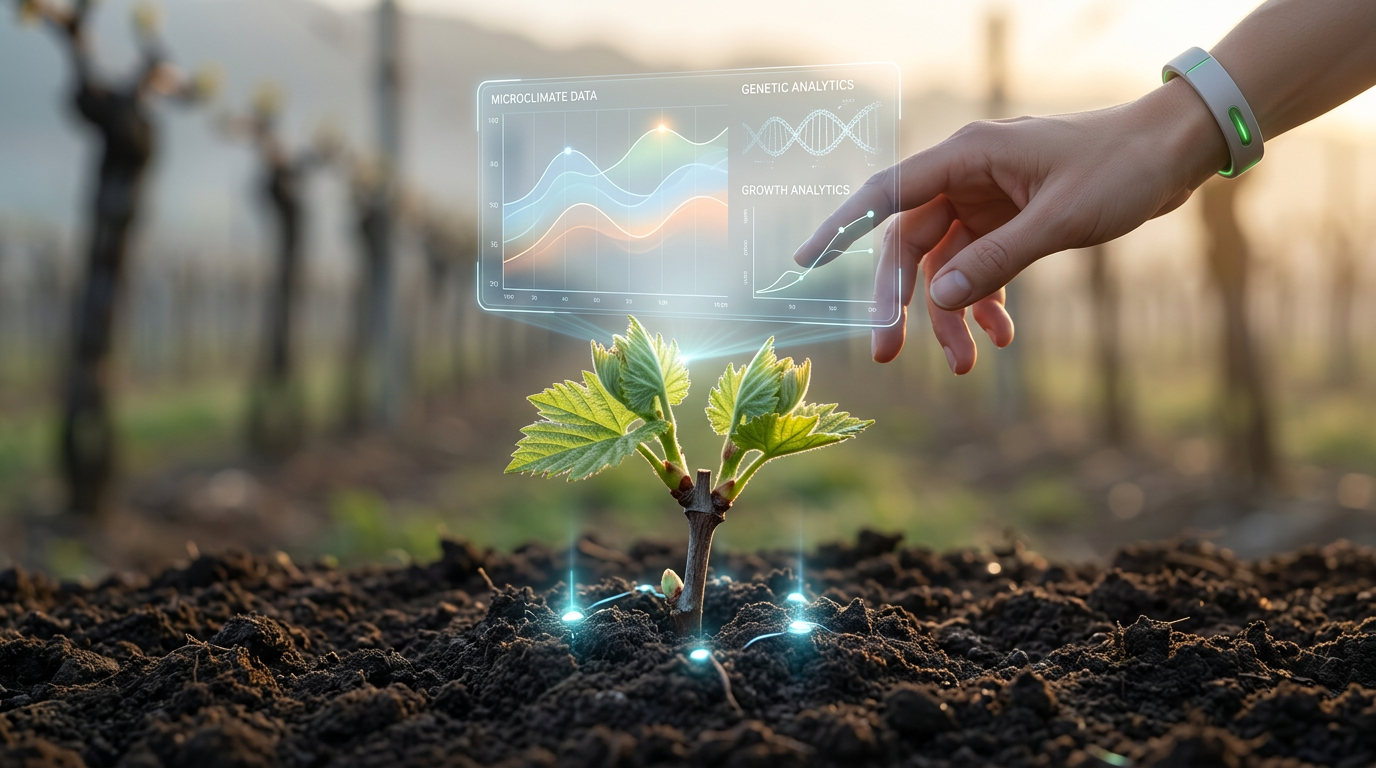
In 2026, the 'winemaker's signature' continues to be a compelling and elusive concept in viticulture. This unique imprint embodies a winemaker's philosophy, skill, and creative prowess, subtly woven into the very fabric of the wine. As we delve into the exceptional vintages of 2026, understanding this individual touch becomes crucial for appreciating the depth and character of each bottle, revealing how personal style and innovative techniques converge to define truly memorable wines.


Winemaker Signature: Decoding Style in 2026 Vintages
In the intricate world of viticulture and oenology, few concepts are as compelling and elusive as the winemaker signature. This unique imprint represents the culmination of a winemaker's philosophy, skill, and creative prowess, subtly woven into the very fabric of the wine. As we navigate the exceptional vintages of 2026, understanding this individual touch becomes paramount to appreciating the depth and character behind each bottle. Ultimately, it’s more than just a label; it’s the artistic expression that elevates a simple beverage into a narrative of terroir, technique, and personal vision, showcasing the true essence of a winemaker signature.
Understanding the Essence of a Winemaker's Signature
A winemaker's signature goes beyond mere technical proficiency; it's a profound statement of artistic intent. It reflects decisions made from the vineyard to the cellar, influencing everything from grape selection to fermentation temperatures and aging regimens. Every choice, therefore, subtly contributes to the final profile of the wine.
This individual style is often rooted in years of experience, a deep connection to the land, and a willingness to innovate. In 2026, we are seeing an increased emphasis on sustainable practices and minimal intervention, further allowing the winemaker's sensitive touch to shine through. For a deeper dive into how winemakers balance tradition with modern approaches, explore The Art of the Winemaker's Intuition: Balancing Science and Spirit in 2026's Best Vintages.
Terroir and the Winemaker's Touch: Crafting the Winemaker Signature
While terroir dictates much of a wine's fundamental character, the winemaker signature acts as its interpreter. A great winemaker understands how to express the nuances of a specific vineyard site, whether through careful canopy management or precise harvesting times. They don't just harvest grapes; they harvest potential, furthermore.
This intimate relationship with the land allows them to highlight specific mineral notes, fruit characteristics, or textural elements that might otherwise remain dormant. The best wines from 2026 exemplify this harmonious blend of place and personal expression. Learn more about how vineyard dynamics contribute to wine identity in The Art of the Sommelier's Sixth Sense: Anticipating the Unseen Impact of Micro-Climates on 2026 Vintages.
Philosophy on Fermentation and Aging: Shaping the Winemaker Signature
The choices made during fermentation and aging are critical components of any winemaker signature. Whether it's opting for wild yeasts, controlled temperatures, or specific oak barrels, each decision shapes the wine's eventual aroma, flavor, and structure. Some winemakers prefer fresh, vibrant styles, while others, conversely, lean towards wines with greater complexity and age-worthiness.
- Yeast Selection: Indigenous versus cultivated yeasts dramatically impacts aromatic profiles.
- Oak Management: New versus old oak, French versus American, and toast levels all contribute to texture and flavor.
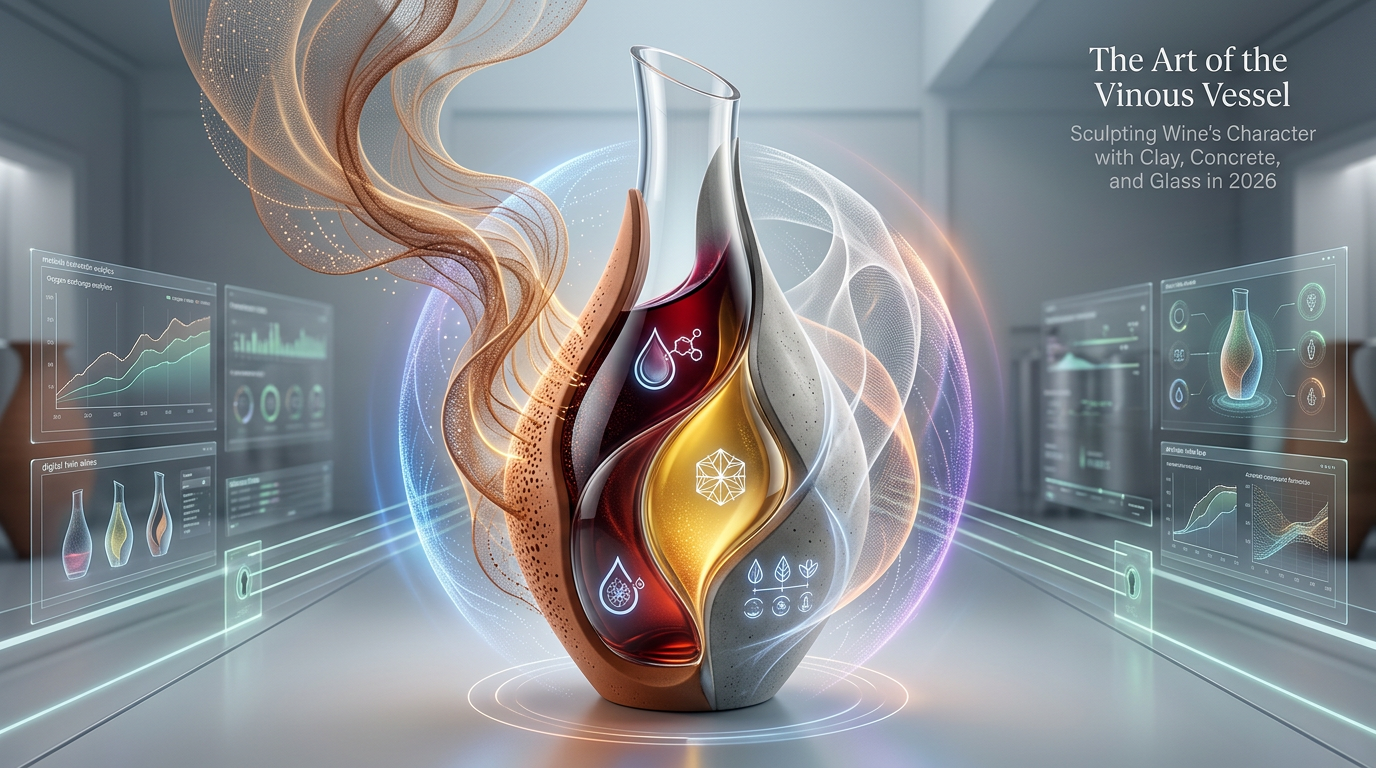
- Maturation Vessels: Stainless steel, concrete, amphorae, or large format foudres each impart unique characteristics.
Identifying the Winemaker Signature in 2026's Top Vintages
The 2026 vintage has presented unique challenges and opportunities, allowing various winemakers to truly showcase their adaptable and creative styles. From Bordeaux to the Willamette Valley, experts are identifying distinct patterns and innovations that mark a new era in winemaking, indeed. The distinct winemaker signature is evident in these exceptional wines.
Paying attention to critical reviews and visiting wineries can often reveal the philosophical underpinnings of a particular winemaker signature. Many winemakers are more transparent than ever about their methods, offering valuable insights into their craft.
Regional Expressions and Global Trends
While local traditions heavily influence style, global trends also play a significant role. In 2026, there's a strong movement towards lower alcohol content, brighter acidity, and a focus on expressing vineyard purity. A winemaker's signature often evolves with these larger currents, adapting without losing its core identity.
For instance, some Californian winemakers are now employing techniques common in Burgundy to produce more nuanced and terroir-driven Pinot Noirs. This cross-pollination of ideas enriches the global wine landscape considerably. For examples of emerging winemaking techniques, you can explore resources like Wine Spectator's articles on global wine trends.
Sensory Analysis: Decoding the Winemaker's Art
To truly appreciate the winemaker signature, one must engage in thoughtful sensory analysis. This involves dissecting aromas, flavors, textures, and the overall balance of a wine. Is there a consistent thread of minerality? A particular fruit profile? Or perhaps a distinctive textural richness? Therefore, developing your palate is key to understanding each winemaker signature.
Training your palate allows you to identify recurring themes in a winemaker's portfolio, revealing their consistent philosophy and execution. Attending guided tastings and workshops can significantly enhance these skills. For more on developing your ability to discern various wine attributes, consider articles on wine education from sources like the Wine & Spirit Education Trust (WSET).
Innovation and Evolution in the Winemaker Signature
The world of wine is dynamic, and so too is the winemaker's approach. In 2026, innovation isn't just about new technology; it's about re-evaluating traditional methods and embracing sustainable practices. Many winemakers are experimenting with ancient techniques, such as extended maceration or aging in clay amphorae, to bring new dimensions to their wines, further defining their winemaker signature.
This constant evolution ensures that the winemaker signature remains fresh and relevant, continually surprising and delighting enthusiasts. It’s an ongoing journey of discovery, both for the winemaker and the consumer.
Sustainable Practices and Their Impact
With increasing environmental awareness, sustainable and organic viticulture is more than a trend; it's a commitment. Winemakers adopting these practices often find their wines more authentically express their individual sites, creating a clearer winemaker signature. Reduced intervention in the vineyard leads to healthier vines and more vibrant fruit, for this reason.
- Organic Farming: Avoiding synthetic pesticides and fertilizers.
- Biodynamic Principles: Holistic approach linking cosmic cycles to vineyard management.
- Water Conservation: Implementing efficient irrigation techniques.
The Rise of "Négociant-Éleveurs" and Collaborative Signatures
While many winemakers own their vineyards, 2026 has seen a rise in "négociant-éleveurs" who source grapes from multiple growers and apply their signature touch during the winemaking process. This allows them to produce diverse expressions, showcasing their skill across different terroirs while maintaining a consistent personal style.
Collaborations between winemakers from different regions or even countries also contribute to exciting new styles, blending distinct philosophies into compelling joint ventures. The result is often a wine that carries a dual winemaker signature, offering complex layers of influence. For more on how technical interventions shape wine, see The Art of the Winemaker's Artifice: Deconstructing 'Natural' Wine and Technical Intervention in 2026.
The Future of the Winemaker Signature: Personal Expression in a Global Market
As the global wine market continues to expand and diversify, the individual winemaker signature will become even more crucial. In a sea of options, consumers are increasingly seeking out wines that tell a story, wines that carry the unmistakable mark of their creator. This trend is amplified by social media and direct-to-consumer sales, allowing winemakers to connect directly with their audience.
Looking ahead, we can expect winemakers to push boundaries even further, exploring new varietals, regions, and techniques. The pursuit of a unique signature is an endless journey, promising exciting discoveries for wine lovers worldwide. The role of digital tools in this evolution is significant; for instance, innovations like The Art of Wine's Digital Twin: Blockchain Provenance and AI-Powered Authenticity in 2026 are changing how we track and trust wine's journey.
Investing in the Winemaker's Vision
For collectors and enthusiasts, identifying and following a compelling winemaker signature can lead to rewarding long-term investments. Wines made with a clear vision and consistent quality often appreciate in value. It’s about more than just the grape or the region; it's about the artist behind the bottle. Details on navigating the burgeoning secondary market can be found at resources like Liv-ex.
Many renowned winemakers have cult followings, with their wines sought after immediately upon release. This demand is a testament to the power of their individual signature.
Education and Appreciation
A deeper understanding of the winemaker signature enriches the entire wine drinking experience. It transforms a simple act of consumption into an act of appreciation, connecting the drinker to the passion and artistry embedded in every drop, consequently.
Greatest Wine aims to foster this understanding, providing detailed insights into the craft behind the bottle. From tasting notes that decode complex aromas to interviews with leading winemakers, our platform is dedicated to unveiling the stories that shape this fascinating world.
- Expert Interviews: Gaining direct insights into winemaking philosophies.
- Tasting Guides: Learn to identify stylistic elements of a winemaker.
- Regional Spotlights: Understanding how terroir and tradition influence signatures.
The truly great wines of 2026 and beyond will undoubtedly be those where the winemaker signature shines brightest, offering a glimpse into the soul of the creator and the spirit of the land.
Written by
Juniper Thorne is an experienced writer and educator with a deep passion for the world of wine. Bringing expertise in sensory analysis and wine culture to the Greatest Wine platform, Juniper helps readers explore and appreciate every nuance of wine.
Related Articles

The Cellar Architects: Mastering Elite Wine Preservation and Evolution in 2026
For the true connoisseur, wine is more than just a beverage; it's a living entity, an investment, and a passion. Mastering its preservation and evolution is an art form, especially in 2026 with new technologies and insights. Learn how to protect and enhance your cherished collection.
Juniper Thorne