The Art of the Winemaker's Intuition: Balancing Science and Spirit in 2026's Best Vintages
In 2026, winemaker intuition remains a critical factor in crafting exceptional vintages. This intricate balance of scientific knowledge, learned experience, and a profound connection to the land allows winemakers to navigate challenges and make crucial decisions that elevate their creations beyond mere technical execution. It's the unquantifiable element that transforms grapes into liquid poetry, defining the finest wines of the year.

Winemaker Intuition: Blending Science & Spirit
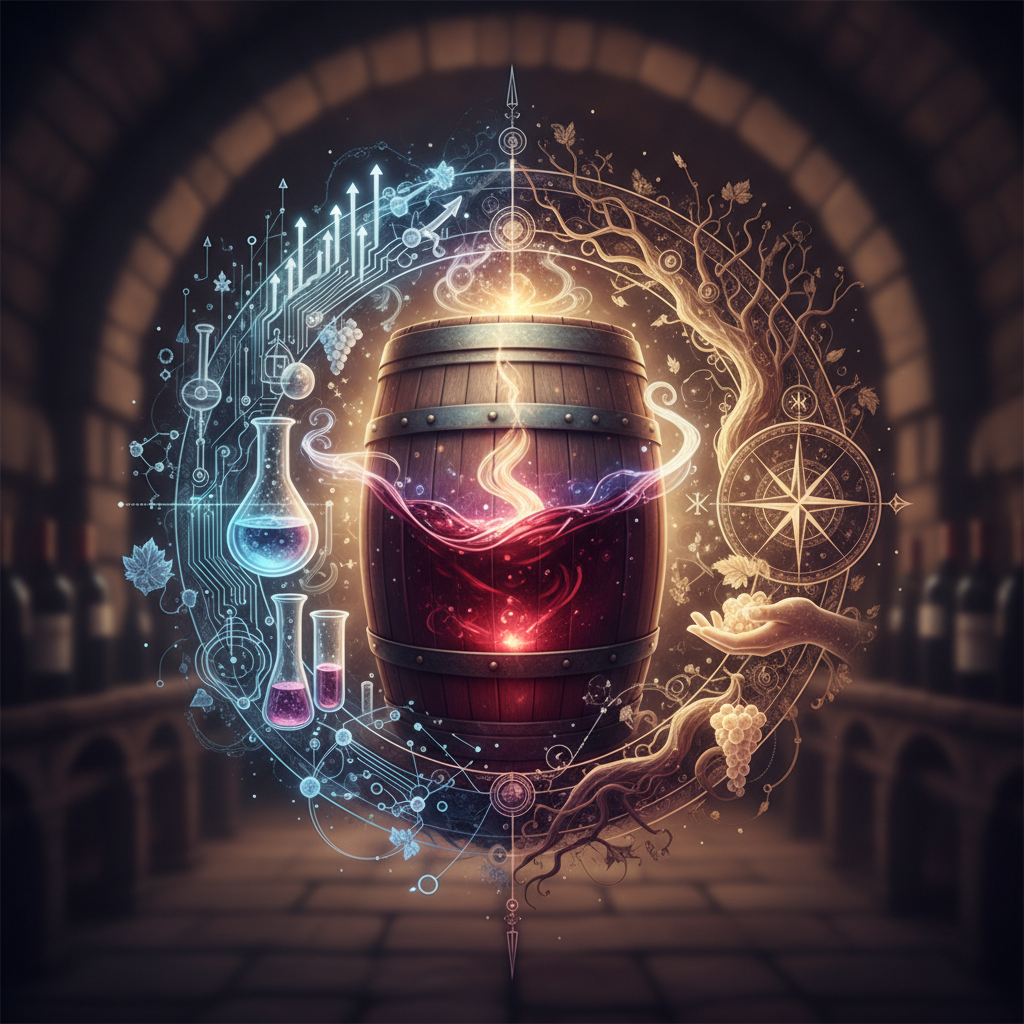
In the intricate world of winemaking, where countless variables converge to craft a bottle of liquid poetry, one unquantifiable element often holds the key to true greatness: winemaker intuition. This delicate balance of innate feeling, learned experience, and a deep connection to the land allows winemakers to navigate the unpredictable, making crucial decisions that transcend mere scientific data. As we look at the exceptional vintages of 2026, it becomes clear that this profound intuition continues to shape the most celebrated wines, proving that art and science are inextricably linked in the cellar and vineyard.
Winemaker Intuition in the Vineyard
The journey of a great wine begins long before the grapes reach the press. It starts in the vineyard, where the winemaker's keen observation and intuitive understanding of the terroir are paramount. While soil analysis, weather patterns, and grape maturity play a significant role, subtle nuances often dictate the path to excellence. This is where true winemaker intuition guides critical early decisions.
Reading the Vines: A Sensing Approach
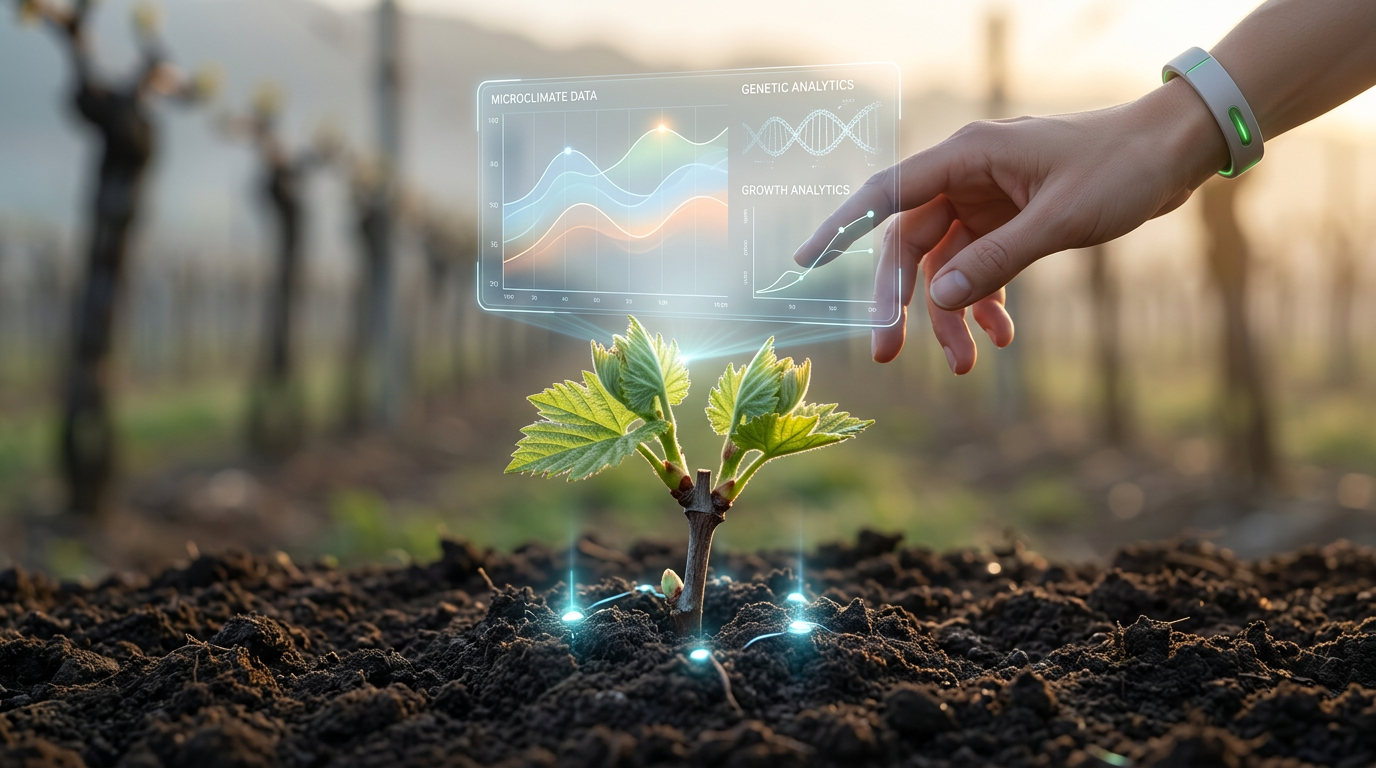
A winemaker spends countless hours among the vines, not just monitoring but truly sensing their health and potential. This involves an almost sixth sense for how the vines are reacting to environmental stressors. Subsequently, this guides decisions on canopy management, irrigation, and even harvest timing. It’s about feeling the texture of a leaf, smelling the earth, and tasting the nascent flavors of a developing berry, all part of the winemaker's intuitive process.
- Visual Cues: Observing subtle changes in leaf color or vine vigor.
- Tactile Feedback: Feeling the turgidity of berries, assessing the suppleness of stems.
- Olfactory Signals: Catching early aromatic hints from the vineyard air.
Harvest Decisions: Timing is Everything
Determining the precise moment to harvest is perhaps one of the most critical decisions. This blends scientific measurements of sugar and acidity with the winemaker's innate feel for phenolic ripeness. Consequently, this is where winemaker intuition truly shines, differentiating a good wine from an extraordinary one. A few days too early or too late can dramatically alter the wine's character.
Science: Foundation for Winemaker Intuition
While intuition might seem ethereal, it is deeply rooted in a robust understanding of enological science. Modern winemaking relies heavily on data, analytical tools, and a scientific approach to fermentation, stabilization, and aging. However, these tools serve as a foundation, not a sole guiding principle for true winemaker intuition.
Analytical Data and Sensory Harmony
Winemakers use refractometers, pH meters, and chromatography tests to gain objective insights into their must and wine. Yet, experienced winemakers often describe a moment where the numbers align with their sensory perception – a validation of their initial intuitive assessment. It's about knowing when to trust the lab results and when to let the wine speak for itself. For more on how science impacts wine perception, explore The Quantum Palate: Deconstructing the Science of Flavor Perception in Wine for 2026.
Indeed, the best winemakers integrate scientific rigor with their innate feeling for the wine. They understand that while data provides a factual snapshot, the full story of the vintage often requires a more holistic, intuitive interpretation. This synergy prevents wines from becoming purely formulaic.
Experimentation and Learning
Every vintage presents new challenges and opportunities. Winemakers continually experiment with different yeasts, fermentation temperatures, and aging vessels. These experiments, driven by scientific curiosity, feed into and refine their intuition, building a deeper mental library of cause and effect. Sometimes, these experiments lead to The Art of the Winemaker's 'Happy Accident', fostering serendipity and innovation.
The Cellar: Intuition Guides Transformation
Once harvested, grapes enter the cellar, where the transformation into wine truly begins. Here, decisions regarding fermentation, aging vessels, blending, and bottling are guided by a constant interplay between technical knowledge and profound winemaker intuition.
Fermentation Management: A Delicate Dance
Monitoring fermentation is more than just tracking sugar conversion. It involves an intuitive feel for the yeast's activity, the developing aromatics, and the overall health of the fermenting must. Decisions on punch-downs, pump-overs, and temperature control are often made not just by the clock, but by the subtle signals the wine gives off.
- Aroma Monitoring: Detecting subtle shifts in fragrance that indicate fermentation progress or potential issues.
- Taste Adjustments: Regularly tasting to assess mouthfeel, tannin development, and acidity balance.
- Sound and Sight: Even the sound of the fermenting vats and the appearance of the cap can offer crucial intuitive clues.
Blending: The Ultimate Act of Intuition
Perhaps nowhere is winemaker intuition more evident than in the art of blending. Combining different lots, varietals, or even vintages requires an extraordinary palate, a creative vision, and an intuitive understanding of how components will evolve together over time. It's like composing a symphony, where each instrument plays a vital role in the final harmony.
Master blenders can foresee how a young, vibrant component will soften a more powerful one, or how a touch of a specific varietal can add complexity and longevity. Furthermore, this skill is honed over decades of tasting and observing how wines age. For a deeper understanding of wine assessment, consider the insights on The Art of the Sommelier's Palate: Beyond Taste Buds to Olfactory Memory in 2026.
Impact of Winemaker Intuition on 2026 Vintages
The 2026 vintages around the globe have presented their own unique challenges and triumphs, further underscoring the importance of intuitive decision-making. From unexpected weather patterns to evolving consumer preferences, winemakers have once again relied on their inner compass and strong winemaker intuition.
Navigating Climate Variability
In 2026, many regions experienced significant climate variability, demanding agile responses from winemakers. Those with highly developed winemaker intuition were better equipped to adapt, whether by making nuanced adjustments to vineyard practices or by subtly altering cellar techniques to mitigate the effects of heatwaves or excessive rain. The ability to "read" the season beyond standard forecasts proved invaluable. Climate change impacts on viticulture continue to be a pressing issue, making winemaker adaptability more critical than ever.
Responding to Market Dynamics
Beyond the vineyard and cellar, intuition also plays a role in responding to shifting market dynamics and trends. While not directly about grape quality, a winemaker's intuitive grasp of what excites consumers and what types of wines will resonate can influence blending decisions and stylistic choices, ensuring relevance and desirability in a competitive global market. Understanding these dynamics is key to effective Wine Marketing in the Age of AI.
Cultivating and Honing Winemaker Intuition
Is intuition something you're born with, or can it be developed? The consensus among seasoned winemakers is that while some possess a natural inclination, winemaker intuition is undoubtedly a skill that can be cultivated and refined through relentless practice, deep engagement, and continuous learning.
Experience and Observation
Years of hands-on experience in the vineyard and cellar, coupled with meticulous observation, are the bedrock of strong intuition. Every vintage is a lesson; every fermentation, a unique story. By reflecting on past successes and failures, winemakers build a vast mental database of sensory memories and predictive patterns. Organizations like the International Organisation of Vine and Wine (OIV) provide valuable resources for ongoing learning and research in winemaking.
Mentorship and Knowledge Transfer
Working alongside experienced mentors is invaluable. Young winemakers learn not just techniques, but also the subtle art of interpretation, listening to how seasoned professionals describe tasting notes, analyze vineyard conditions, and make complex decisions. This intergenerational transfer of highly refined intuition is crucial for the industry's future.
In conclusion, as we celebrate the triumphs of the 2026 vintages, it's clear that the human element, particularly the profound and often mysterious power of winemaker intuition, remains central to crafting wines of exceptional character and depth. This art of blending science with spirit is what truly elevates wine from a mere beverage to an experience, a reflection of both nature's bounty and human genius. For further insights into the profound philosophies guiding visionaries in the field, read The Art of the Winemaker's Notebook: Unearthing the Craft, Philosophy, and Legacy of 2026's Visionaries.
Written by
Juniper Thorne is an experienced writer and educator with a deep passion for the world of wine. Bringing expertise in sensory analysis and wine culture to the Greatest Wine platform, Juniper helps readers explore and appreciate every nuance of wine.
Related Articles
The Cellar Architects: Mastering Elite Wine Preservation and Evolution in 2026
For the true connoisseur, wine is more than just a beverage; it's a living entity, an investment, and a passion. Mastering its preservation and evolution is an art form, especially in 2026 with new technologies and insights. Learn how to protect and enhance your cherished collection.
Juniper Thorne