The Art of the Sommelier's Palate: Beyond Taste Buds to Olfactory Memory in 2026
In 2026, understanding how olfactory memory profoundly impacts a sommelier's expertise in wine appreciation is more critical than ever. This guide delves beyond mere taste buds, exploring the science of scent and its crucial role in unlocking the complex depths of wine flavors, elevating the entire tasting experience.

The Art of the Sommelier's Palate: Beyond Taste Buds to Olfactory Memory in Wine 2026
In the intricate world of wine appreciation, understanding how the human senses interact with this complex beverage is paramount. While taste buds play a crucial role, it is arguably olfactory memory wine that truly unlocks the depths of a sommelier’s expertise and elevates the wine-drinking experience. As we navigate 2026, the scientific understanding of scent and its profound connection to memory continues to evolve, providing new insights into how we perceive and articulate the nuances of our favorite vintages. This article delves into the fascinating realm of scent, memory, and wine, exploring how this powerful connection shapes our perception and enjoyment.
The Science Behind Olfactory Memory Wine Perception
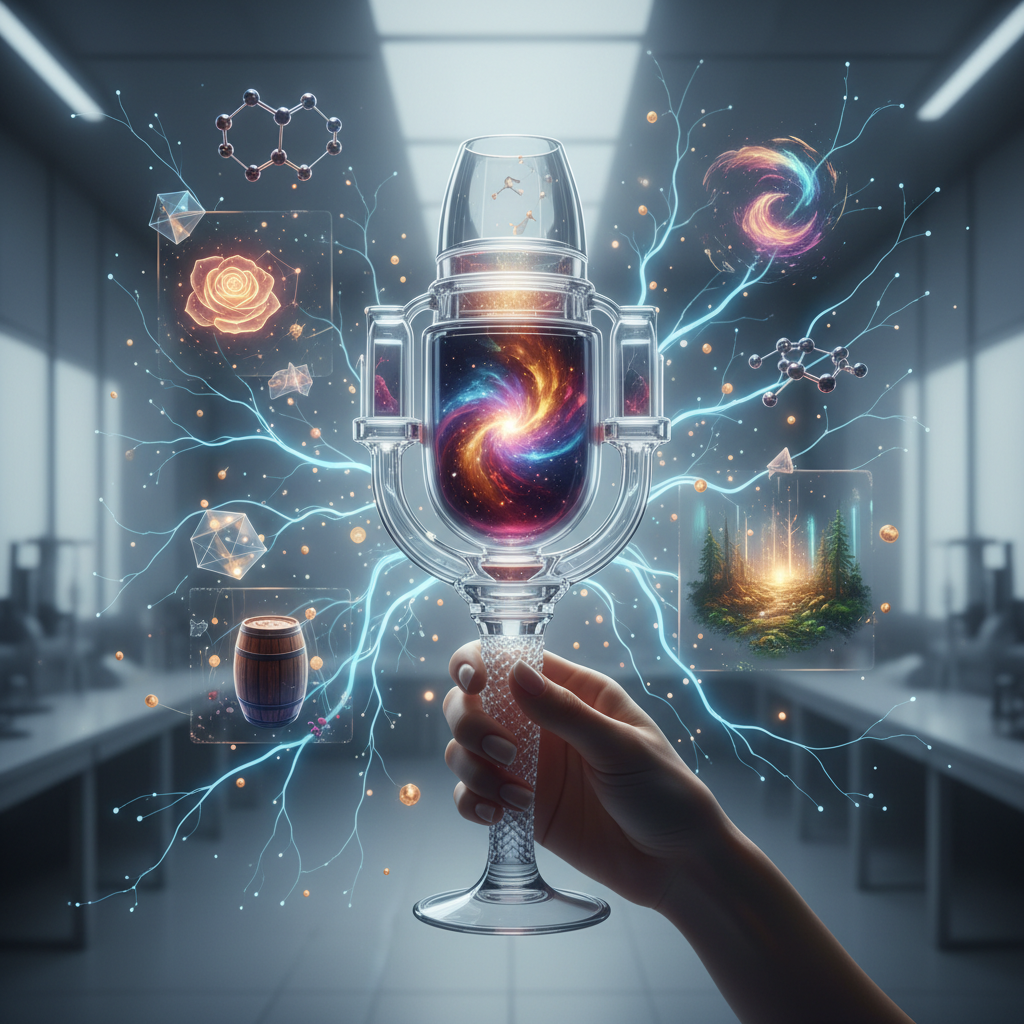
Our sense of smell, or olfaction, is incredibly powerful and intricately linked to our brain's emotional and memory centers. The olfactory bulb, which processes smells, has direct connections to the amygdala (involved in emotion) and the hippocampus (involved in memory). This unique wiring explains why certain aromas can instantly transport us back in time or evoke strong feelings. To delve deeper into the science of taste, consider reading about The Quantum Palate: Deconstructing the Science of Flavor Perception in Wine for 2026.
When it comes to wine, this connection is amplified. Each sip releases a complex array of volatile aromatic compounds that travel up to the olfactory bulb via both the nose and the retronasal passage from the mouth. These thousands of compounds create a unique signature for every wine.
How Aromas Shape Our Wine Experience
- Direct Activation: Inhaling aromatic compounds directly through the nose, often before the first sip.
- Retronasal Olfaction: Sensing aromas released from the wine while it's in the mouth, as they travel up to the olfactory receptors from the back of the throat. This is crucial for flavor perception.
- Emotional Resonance: Specific aromas, like freshly cut grass or a hint of leather, can trigger deeply personal memories and associated emotions.
The interplay of these mechanisms forms the basis of olfactory memory wine, allowing us to recognize and differentiate a vast spectrum of wines.
Developing Your Olfactory Memory for Wine
While some individuals may seem to have a naturally keen sense of smell, olfactory memory wine is a skill that can be developed and honed through practice and focused effort. It’s not about being born with a superhuman nose, but rather about consciously engaging with scents and building a personal reference library in your mind.
Practical Exercises for Enhancing Scent Recall
Regular practice is key to strengthening your internal aroma dictionary. Think of it as training a muscle; the more you use it, the stronger it becomes.
- Aroma Kits: Investing in a wine aroma kit can be a highly effective way to isolate and identify specific scents commonly found in wine. These kits typically contain small vials with essences of fruits, spices, earthy notes, and more.
- Everyday Scents: Pay attention to the smells around you. Can you identify the distinct aroma of a ripe strawberry versus a cherry? What about fresh coffee versus roasted nuts? Consciously labeling these scents helps build your brain's catalog.
- Blind Tasting Practice: Participate in blind tastings where you focus solely on the aromatic profile without any pre-conceived notions from the label. This forces your nose and brain to work harder. You can gain more insights from The Art of Blind Tasting: Unlocking Your Palate's Full Potential in 2026.
By consistently engaging with these exercises, you will gradually build a more robust and accessible olfactory memory wine database.
The Sommelier's Secret Weapon: Olfactory Memory Wine Recognition
For professional sommeliers, a highly trained olfactory memory wine is an indispensable tool. It allows them to quickly and accurately identify varietals, regions, and even vintages based solely on aromatic cues. This expertise goes beyond simple recognition; it involves understanding the subtle interactions of aromas and how they evolve over time.
Understanding Aromatic Profiles
Each wine varietal boasts a characteristic aromatic profile. For example, Cabernet Sauvignon often presents notes of cassis, cedar, and tobacco, while a New Zealand Sauvignon Blanc might express vibrant gooseberry and passionfruit. A seasoned sommelier can discern these intricate differences by tapping into their vast olfactory memory wine library.
- Primary Aromas: These come directly from the grape varietal itself (e.g., fruit, floral, herbaceous notes).
- Secondary Aromas: Developed during fermentation (e.g., yeast, lactic, nutty notes).
- Tertiary Aromas: Gained during aging, especially in oak or bottle (e.g., vanilla, spice, earthy, savory notes).
Mastering the identification of these aroma categories is a hallmark of true wine expertise in 2026.
Future Trends: AI and Enhanced Olfactory Memory Wine Tools in 2026
The frontier of wine appreciation is consistently expanding, and 2026 is no exception. We are witnessing advancements in technology that promise to further enhance our understanding and development of olfactory memory wine. From AI-powered aroma analysis to sophisticated digital tools, the future holds exciting possibilities.
Technological Aids for Aroma Identification
Innovations are emerging that could help both novices and experts refine their olfactory skills. These tools leverage data and artificial intelligence to offer new perspectives.
- Digital Aroma Libraries: Apps and online platforms are compiling extensive databases of wine aromas, often with interactive components that allow users to virtually "smell" and compare. A great example of the ongoing scientific exploration into scents can be found on the Monell Chemical Senses Center website.
- AI-Powered Tasting Notes: Some cutting-edge systems use AI to analyze known aromatic compounds in wines and suggest potential descriptors, helping tasters articulate their perceptions more accurately. This connects with the broader trend of AI in the wine industry, explored further in The Art of Wine Marketing in the Age of AI: Personalization, Predictive Analytics, and Storytelling for 2026.
- Personalized Training Modules: Adaptive learning programs could be developed to tailor aroma recognition exercises based on an individual's strengths and weaknesses, accelerating the development of their olfactory memory wine.
While technology won't replace the human element, it will undoubtedly augment our ability to explore and appreciate the complex world of wine aromas. Further research into how the brain processes scent can be found on sites like The Dana Foundation.
The Holistic Nature of Wine Appreciation
Ultimately, while olfactory memory wine is a critical component, it is part of a larger, holistic approach to appreciating wine. It works in concert with visual cues, tactile sensations on the palate, and the intricate dance of flavors that unfold with each sip. The art of tasting is about integrating all these sensory inputs to form a complete and nuanced understanding of the wine.
Embracing the profound connection between scent and memory enriches our wine journey, allowing us to delve deeper into the stories each bottle has to tell. As we move forward into 2026, the pursuit of enhanced olfactory memory wine will continue to be a cornerstone for anyone serious about unlocking the full potential of wine enjoyment. For more on the physiological aspects of taste and smell, an interesting resource is available from NCBI Bookshelf on Taste and Smell.
Written by
Juniper Thorne is an experienced writer and educator with a deep passion for the world of wine. Bringing expertise in sensory analysis and wine culture to the Greatest Wine platform, Juniper helps readers explore and appreciate every nuance of wine.
Related Articles
The Vinous Arsenal: Essential Tools for Elevating Your Wine Experience in 2026
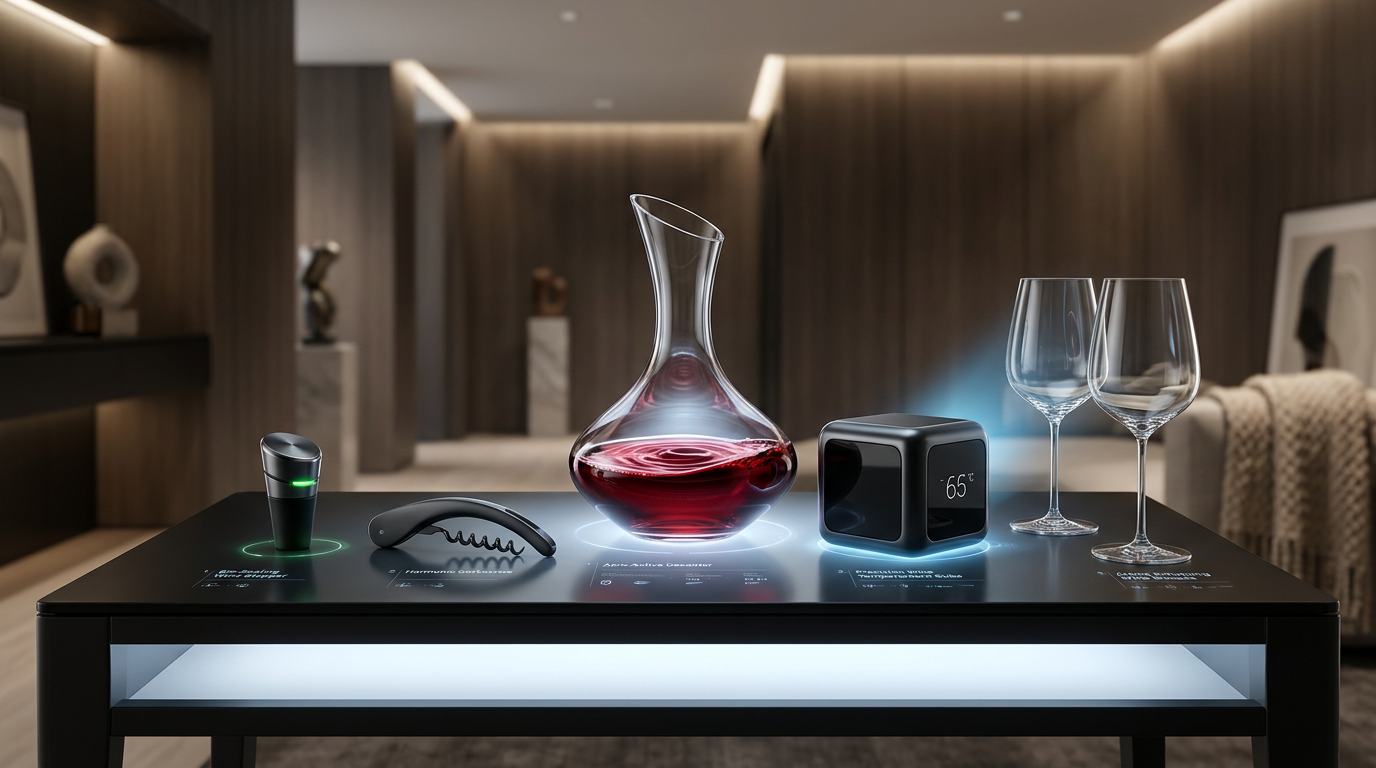
As we navigate May 2026, the world of wine continues to evolve, offering enthusiasts unprecedented tools. Discover the essential wine accessories for 2026 that will elevate your enjoyment, from innovative aerators to smart preservation systems. Upgrade your vinous arsenal today with Greatest Wine.
Juniper Thorne