The Art of the Sommelier's Brain: Unraveling Cognitive Biases in Wine Appreciation for 2026
In 2026, the world of wine appreciation continues to be shaped by the human mind's fascinating complexities. This article delves into cognitive biases in wine, revealing how they subtly, yet significantly, influence sommelier perceptions and wine tasting experiences. Discover how understanding these biases can refine your own journey through the intricate sensory landscape of wine.

Cognitive Biases Wine: Unraveling Appreciation for 2026
In the intricate world of wine appreciation, where every sip tells a story and every vintage holds a memory, the human mind plays a surprisingly significant role. As we navigate the complex sensory landscape of aroma, taste, and texture, our perceptions aren't always purely objective. This is where the fascinating concept of cognitive biases wine comes into play, influencing how we interpret and experience this ancient beverage. Understanding these subtle mental shortcuts is crucial, not just for professional sommeliers but for any enthusiast keen to truly refine their palate in 2026 and beyond.
Understanding Cognitive Biases: How Our Brains Influence Wine Perception
Cognitive biases are systematic errors in thinking that affect the decisions and judgments people make. They are mental shortcuts, often developed to help us process information quickly. While often efficient, these shortcuts can also lead to irrational conclusions, particularly in subjective experiences like wine tasting. For a sommelier or an avid wine lover, recognizing these biases is the first step towards a more objective evaluation of cognitive biases wine.
The human brain excels at pattern recognition. However, this strength can also be a weakness. When presented with incomplete information or uncertainty, our brains tend to fill in the gaps. This often relies on past experiences, expectations, and current emotional states. This elaborate dance between perception and reality is at the heart of how cognitive biases wine impact our tasting experiences. Further insights into how our minds shape our wine experiences can be found in The Art of the Sommelier's Psychology: Decoding Expectation and Perception in Wine Service 2026.
The Psychology Behind Perception
- Heuristics: These are mental shortcuts that simplify complex problems. Unfortunately, they can sometimes lead to errors in judgment, especially when evaluating cognitive biases wine.
- Top-Down Processing: Our existing knowledge and expectations significantly influence how we perceive new sensory information. This aligns with findings discussed in The Quantum Palate: Deconstructing the Science of Flavor Perception in Wine for 2026.
- Emotional State: Your current mood can dramatically alter how you perceive flavors and aromas in wine.
Common Cognitive Biases Impacting Wine Appreciation
The wine world is ripe with scenarios where cognitive biases can subtly steer our perceptions. From a bottle's label to its price tag, countless external factors can sway our judgment long before the wine even touches our lips. Recognizing these specific biases is paramount for anyone aiming for a deeper, more authentic appreciation of wine. Understanding these cognitive biases wine is key to unbiased tasting.
Let's explore some of the most prevalent cognitive biases wine connoisseurs and casual drinkers alike encounter:
The Power of the Halo Effect in Wine
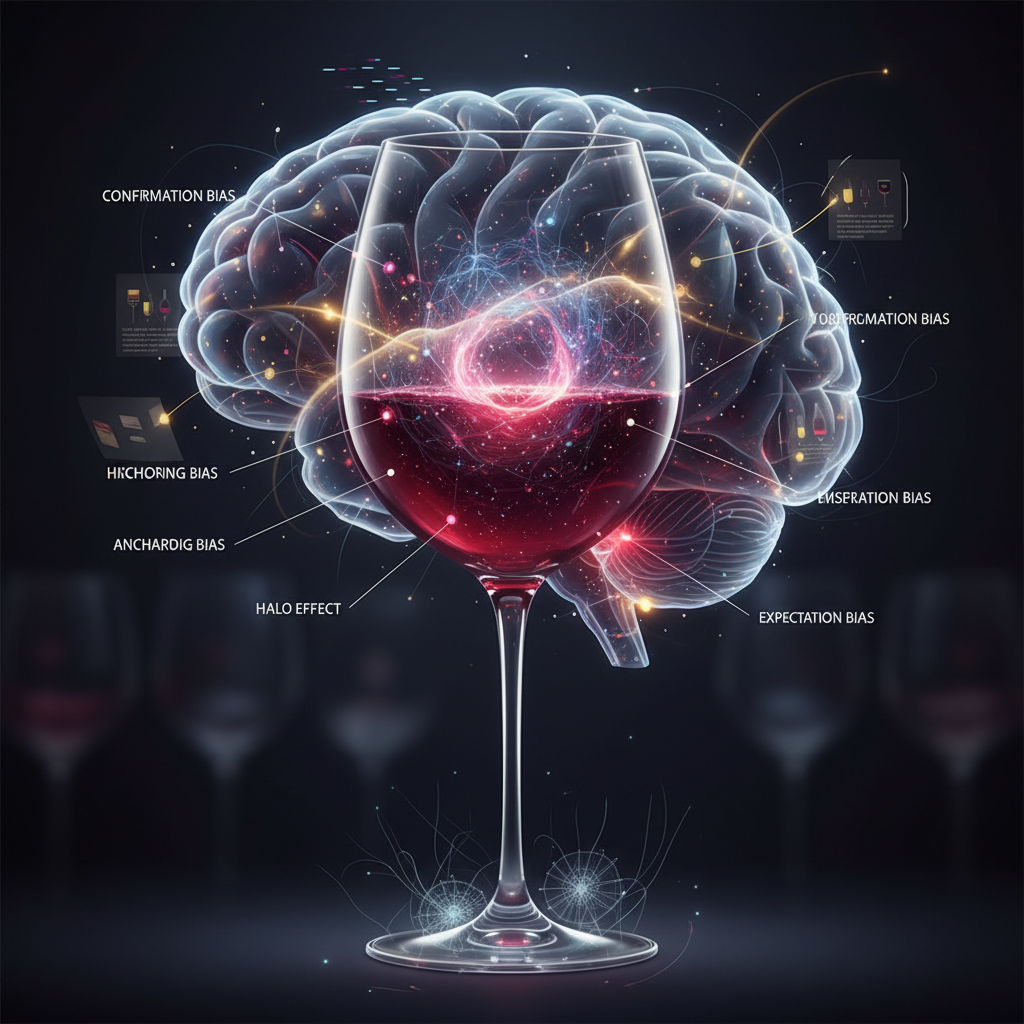
The halo effect occurs when a positive impression in one area influences one's overall impression in other areas. In wine, if we know a wine comes from a prestigious region or a renowned producer, we might automatically perceive it as superior, even before tasting. Conversely, a poor first impression, such as an unappealing label, can cast a negative shadow over the wine, regardless of its true quality. This bias highlights why blind tastings are so valuable for unbiased evaluation of cognitive biases wine.
Anchoring Bias and Wine Pricing
Anchoring bias is the tendency to rely too heavily on the first piece of information offered (the "anchor") when making decisions. In the context of wine, the price often serves as this anchor. A higher price tag can lead us to expect (and therefore perceive) better quality. Conversely, a low price might make us dismiss a wine as inferior, even if it's excellent. This effect is a potent example of how external data influences our internal sensory assessment when evaluating different cognitive biases wine profiles.
Confirmation Bias: Tasting What You Expect
Confirmation bias is the tendency to search for, interpret, favor, and recall information in a way that confirms one's pre-existing beliefs or hypotheses. For instance, if you believe a certain vintage from a specific region is exceptional, you are likely to find evidence in its taste to confirm that belief, overlooking any contradictory aspects. This can prevent a truly objective assessment and hinder the exploration of new and diverse wines, especially when dealing with cognitive biases wine.
Packaging and Label Bias in Wine Choices
The visual appeal of a wine bottle, including its label design, font, and even the weight of the glass, can strongly influence our expectations and perceived enjoyment. A sleek, modern label might suggest a crisp, contemporary wine, while a classic, understated label might evoke feelings of tradition and elegance. These aesthetic cues, though unrelated to the wine itself, form powerful initial impressions and contribute significantly to overall cognitive biases wine experience. For more on this, consider reading The Art of the Wine Label: Deconstructing Narrative, Design, and Collectibility in 2026.
Strategies for Overcoming Cognitive Biases in Wine Tasting
While completely eliminating cognitive biases is likely impossible, we can certainly develop strategies to mitigate their influence. This fosters a more objective approach to wine tasting. Becoming aware of these biases is the crucial first step. With conscious effort and structured practices, both enthusiasts and professionals can significantly enhance their ability to accurately assess and appreciate wine, reducing the impact of cognitive biases wine.
Embracing these techniques can lead to a more nuanced and genuine understanding of wine. It involves moving beyond superficial judgments and into the true character of the beverage. This proactive approach to managing cognitive biases wine offers a richer and more rewarding experience.
The Power of Blind Tasting
Blind tasting is arguably the most effective tool to combat many cognitive biases. By concealing the bottle, region, producer, and price, tasters are forced to rely solely on their senses and objective analytical skills. This removes the influence of brand reputation, price anchors, and visual cues, allowing the wine to speak for itself. Regular blind tasting sessions are indispensable for refining one's palate and identifying personal biases related to cognitive biases wine. To master this skill, delve into The Art of Blind Tasting: Unlocking Your Palate's Full Potential in 2026.
- Use opaque bags or wrap bottles in foil for true blind tasting.
- Taste multiple wines side-by-side to compare without prejudice.
- Focus purely on sensory analysis: sight, smell, and taste components.
Mindful Tasting Practices
Beyond blind tasting, adopting a mindful approach to each sip can help. This involves consciously slowing down, focusing on individual sensory elements, and questioning initial assumptions. Instead of immediately labeling a wine as "good" or "bad," try to describe its components: specific fruit notes, levels of acidity, tannin structure, and length of finish. This analytical approach helps dissect the experience and prevents premature judgment influenced by cognitive biases wine perceptions.
Educate and Calibrate Your Palate
Familiarize yourself with a wide range of wine styles, varietals, and regions. The more exposure you have, the better equipped you'll be to identify common characteristics and distinguish them from exceptional qualities. Regularly compare notes with other tasters and attend structured tasting courses to calibrate your palate and refine your descriptive vocabulary. Knowledge is a powerful antidote to bias, making you less susceptible to misleading cues. Understanding The Art of the 'Ephemeral Vintage': Capturing and Communicating the Fleeting Magic of Peak Wine Moments in 2026 can further enhance your appreciation and help manage cognitive biases wine.
The Future of Wine Appreciation: Embracing Objectivity in 2026
As we advance into 2026, the wine industry continues to evolve. There's an increasing emphasis on transparency, sustainability, and authentic experiences. Consumers are savvier than ever, demanding more than just a label. This shift necessitates a move towards greater objectivity in wine appraisal, both for professionals and enthusiasts. Understanding and actively working to mitigate cognitive biases wine has become a crucial skill.
Technology also plays a role. While no app can eliminate human bias entirely, data analytics and AI-driven platforms are emerging. These can help track taste preferences more objectively, offering insights that might otherwise be skewed by personal biases. These tools, when used thoughtfully, can complement human judgment rather than replace it. For more on this, consider how The Art of Wine Marketing in the Age of AI: Personalization, Predictive Analytics, and Storytelling for 2026 is shaping consumer perception. Furthermore, an external resource like Psychology Today's overview of Cognitive Biases provides a broader context for these mental shortcuts and how they relate to cognitive biases wine.
Ultimately, becoming a better wine taster isn't just about identifying more aromas; it's about understanding the complex interplay between the wine itself and our own internal processing. By acknowledging our predispositions and actively working to overcome them, we open ourselves to a richer, more profound appreciation of this magnificent beverage, ensuring that our love for wine is as genuine and unbiased as possible. Another excellent resource on overcoming these biases in daily life can be found on sites like Verywell Mind.
Written by
Juniper Thorne is an experienced writer and educator with a deep passion for the world of wine. Bringing expertise in sensory analysis and wine culture to the Greatest Wine platform, Juniper helps readers explore and appreciate every nuance of wine.
Related Articles
The Vinous Arsenal: Essential Tools for Elevating Your Wine Experience in 2026
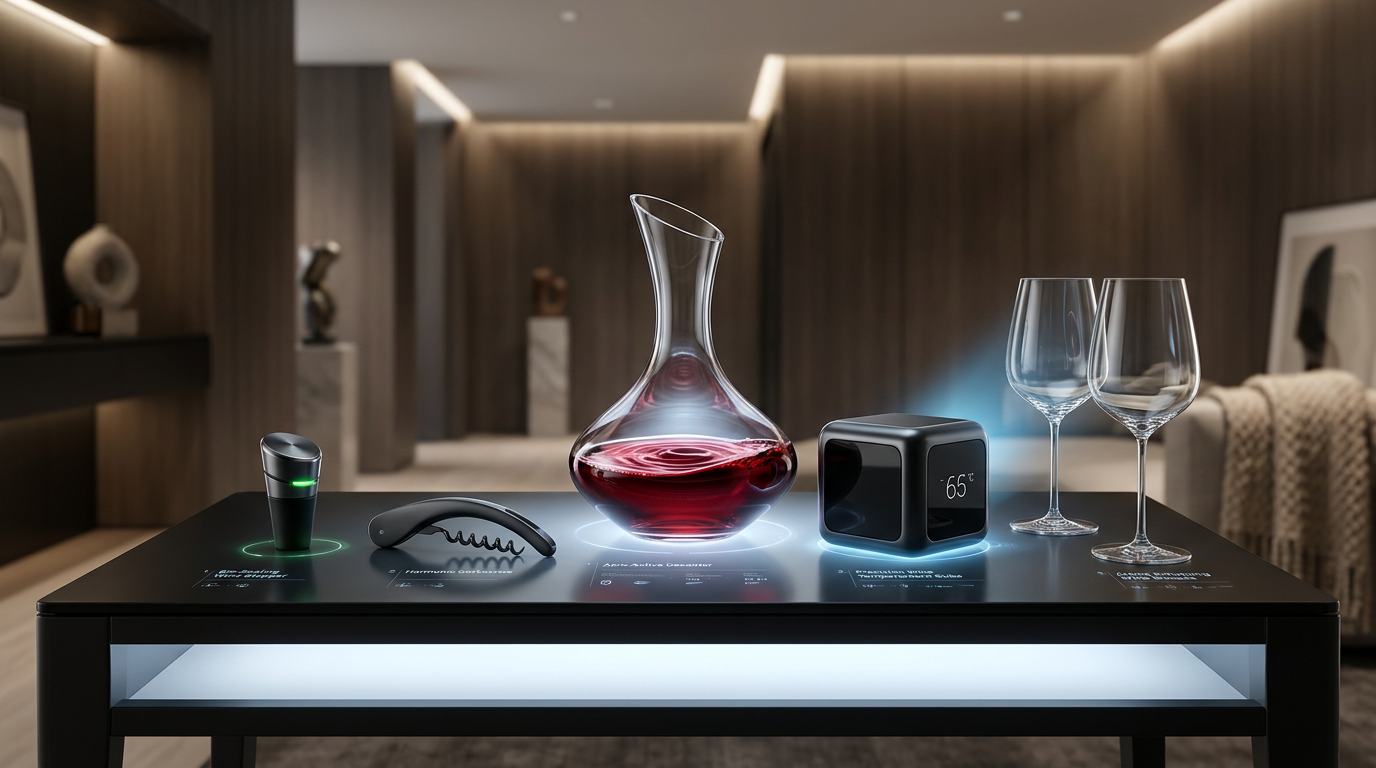
As we navigate May 2026, the world of wine continues to evolve, offering enthusiasts unprecedented tools. Discover the essential wine accessories for 2026 that will elevate your enjoyment, from innovative aerators to smart preservation systems. Upgrade your vinous arsenal today with Greatest Wine.
Juniper Thorne