The Art of Blind Tasting: Unlocking Your Palate's Full Potential in 2026
Embark on a rewarding journey of blind wine tasting, a practice where wines are tasted without prior knowledge to strip away preconceptions and allow your senses to take center stage. In 2026, more enthusiasts are embracing blind tasting to refine their palates and truly appreciate wine's complexities. This guide will help you unlock your full tasting potential.

The Art of Blind Wine Tasting: Unlocking Your Palate's Full Potential in 2026
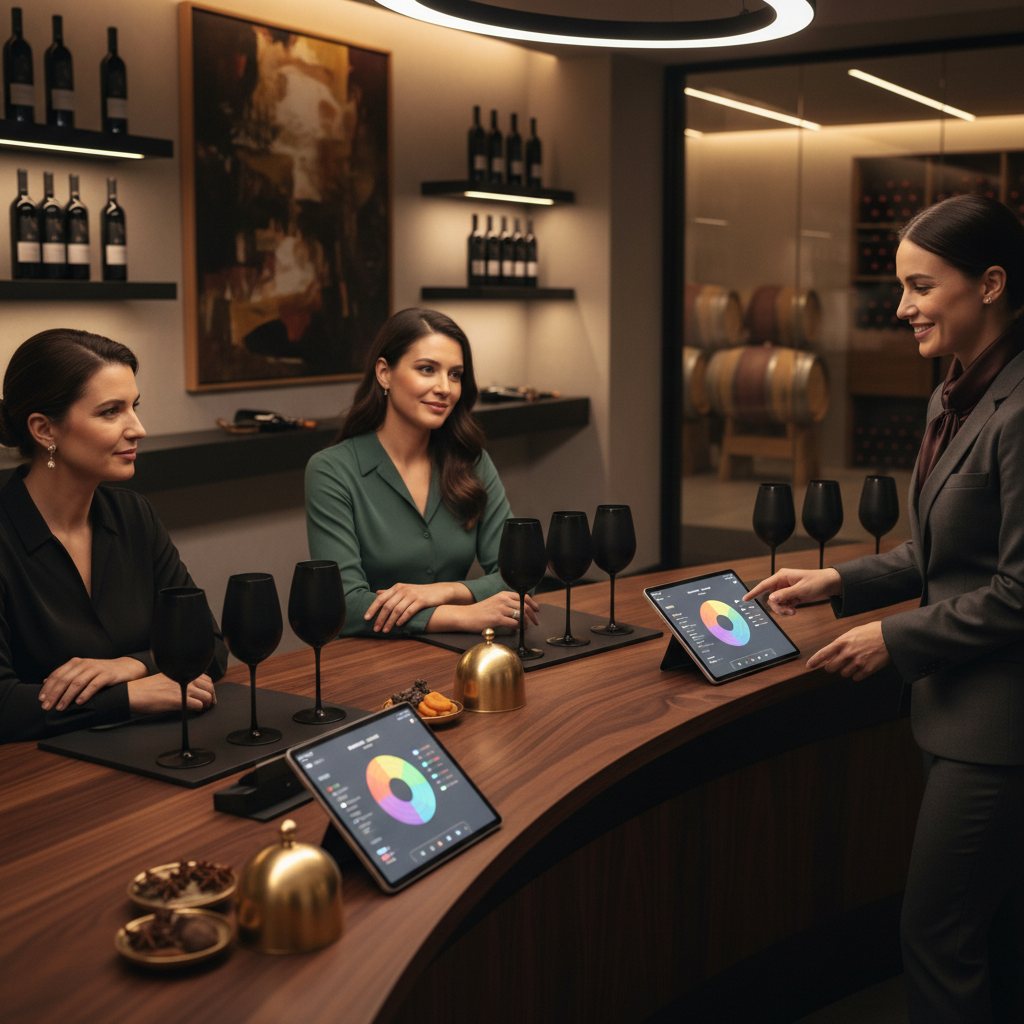
Embarking on a journey of blind wine tasting is one of the most rewarding ways to truly understand and appreciate the complexities of wine. This practice, where wines are tasted without any prior knowledge of their identity, producer, or vintage, strips away preconceptions and allows your senses to take center stage. In 2026, more enthusiasts than ever are turning to blind tasting to refine their palates, enhance their descriptive vocabulary, and foster a deeper connection with the liquid in their glass. It's not just about guessing the wine; it's about developing profound sensory intelligence, much like the evolution of the wine palate itself.
What is Blind Wine Tasting and Why Should You Do It?
At its core, blind wine tasting involves evaluating a wine purely on its sensory attributes – sight, smell, and taste – without the influence of labels, reputations, or prices. This method provides an unbiased assessment, consequently forcing the taster to rely solely on their developed palate and knowledge of wine characteristics. It's an invaluable tool for both novice and seasoned wine lovers, helping them to taste wine like a professional. Engaging in blind wine tasting regularly sharpens your senses and deepens your appreciation.
The Benefits of Practicing Blind Wine Tasting
Practicing blind wine tasting offers numerous advantages, helping you become a more discerning and articulate wine enthusiast:
- Unbiased Evaluation: Removes preconceived notions, allowing for an objective assessment of quality and character.
- Palate Development: Trains your senses to identify specific aromas, flavors, textures, and structural components.
- Enhanced Vocabulary: Builds a richer lexicon for describing wine, moving beyond simple "good" or "bad."
- Increased Confidence: Develops your ability to articulate observations and make informed judgments about wine.
- Educational Fun: Turns learning into an engaging and often social activity, perfect for gatherings in 2026.
By engaging in regular blind wine tasting sessions, you'll uncover nuances you might otherwise miss, truly unlocking your palate's full potential. Consider exploring Decoding Sommelier Secrets to further enhance your sensory analysis skills for 2026.
Setting Up Your First Blind Wine Tasting Event
Organizing a successful blind wine tasting doesn't have to be complicated. With a few key elements, you can create an engaging and educational experience for yourself and your guests. Whether it's a solo endeavor or a group activity, proper setup is crucial for maximizing the learning potential. A well-prepared blind wine tasting ensures everyone can focus on the wine itself.
Essential Tools and Preparations for Blind Wine Tasting
To ensure a smooth and effective blind wine tasting session, gather these essential items:
- Wine Sleeves or Foil: Essential for covering bottles to conceal labels. Ensure bottles are completely opaque.
- Appropriate Glassware: Use identical, clean, clear wine glasses (e.g., universal or Bordeaux style) for consistency.
- Spit Buckets: Encourages responsible tasting, especially when evaluating multiple wines.
- Water and Crackers/Bread: For cleansing the palate between wines.
- Tasting Sheets/Notes: Provide structured guidance for evaluating each wine.
- Aromas Reference Kit (Optional but Recommended): Can help identify specific scents, thus enhancing your learning.
For a group setting, decide on a theme (e.g., varietal, region, vintage, price point) to provide a comparative framework. Importantly, ensure all wines are served at their optimal temperature for fair evaluation. Understanding Mastering the Art of Wine Service can further elevate your tasting experience.
The Art of Sensory Analysis During Blind Wine Tasting
The true essence of blind wine tasting lies in methodical sensory analysis. This involves a systematic approach to evaluating the wine through sight, smell, and taste. Consequently, your ability to articulate these observations will grow. Mastering this art is key to successful blind wine tasting.
Step-by-Step Sensory Evaluation
Follow these steps to thoroughly analyze each wine during your blind wine tasting:
- Sight:
- Observe clarity, intensity (pale, medium, deep), and color (e.g., ruby, garnet, lemon, gold).
- Note any sediment or bubbles.
- Assess viscosity ("legs" or "tears" after swirling).
- Smell (Nose):
- Initial assessment: Hold the glass still and note primary aromas.
- Swirl gently and sniff again: Identify secondary (winemaking) and tertiary (aging) aromas.
- Categorize aromas: Fruit (citrus, red, black, dried), floral, herbal, spice, earthy, oak, savory.
- Taste (Palate):
- Take a small sip, coating your mouth.
- Identify sweetness (dry, off-dry, sweet), acidity (low, medium, high), tannin (in reds – soft, firm, chewy), alcohol (low, medium, high), and body (light, medium, full).
- Reconfirm nose aromas on the palate, adding new nuances.
- Note the finish: Length and intensity of flavors after swallowing or spitting.
Consistency in your approach will refine your ability to pinpoint characteristics and build your memory bank of wine profiles. Remember, there are no wrong answers in sensory perception; only different interpretations that ultimately lead to understanding. For more insights into how sensory science influences perception, explore this article on How to Taste Wine.
Common Mistakes to Avoid in Blind Wine Tasting in 2026
Even seasoned tasters can fall into common traps. Being aware of these pitfalls will help you get the most out of your blind wine tasting sessions this year. Avoiding them will significantly improve your practice and make your blind wine tasting more effective.
Pitfalls and How to Sidestep Them
To make the most of your blind wine tasting experience, be mindful of these common errors:
- Rushing the Evaluation: Take your time with each wine. Hasty judgments often lead to missed details.
- Over-Spitting or Under-Spitting: Maintain a balance. Too much spitting can dry your palate; swallowing too much affects judgment.
- Guessing Too Early: Resist the urge to jump to conclusions based on a single characteristic. Gather all sensory data first.
- Lack of Structure: Without a systematic approach, your notes become chaotic and less useful for future reference.
- Comparing Wines Too Soon: Focus on one wine at a time initially. Comparisons come naturally after individual assessments.
- Ignoring Palate Cleansers: Water and plain bread are essential for resetting your senses between wines.
The goal is to develop a discerning palate, not necessarily to identify every wine perfectly. Therefore, enjoy the process of discovery. For further reading on common tasting faux pas, check out this guide from WSET Global.
Taking Your Blind Wine Tasting Skills to the Next Level
Once you've mastered the basics, there are several ways to deepen your expertise in blind wine tasting and challenge your palate further. Continuous practice of blind wine tasting will lead to significant improvement.
Advanced Techniques and Practices for Blind Wine Tasting
To truly elevate your blind wine tasting abilities, consider incorporating these advanced techniques:
- Vertical Tasting: Comparing multiple vintages of the same wine from the same producer, which can provide insights into the elusive art of the perfect vintage.
- Horizontal Tasting: Comparing different wines from the same vintage, region, and often varietal.
- Varietal Recognition Focus: Dedicate sessions to understanding the classic characteristics of specific grape varieties blind. This can include delving into ancient grape varieties making a comeback.
- Regional Specifics: Explore how terroir influences the expression of a varietal from different regions (e.g., Cabernet Sauvignon from Bordeaux vs. Napa). This aligns with the concept of terroir translation and winemaker philosophy.
- Develop Your Wine Memory: Keep detailed tasting notes. Reviewing them regularly helps cement aromas, flavors, and structures in your memory.
- Join a Tasting Group: Learning from and discussing wines with others greatly enhances your perception and vocabulary. Many groups are exploring innovations like those discussed by Decanter in their expert blind tasting tips.
Embracing these advanced techniques will elevate your appreciation for the vast and intricate world of wine, making every glass an exciting puzzle to solve. In 2026, the global wine community continues to thrive, and expanding your blind tasting skills connects you more intimately with this vibrant culture.
Written by
Juniper Thorne is an experienced writer and educator with a deep passion for the world of wine. Bringing expertise in sensory analysis and wine culture to the Greatest Wine platform, Juniper helps readers explore and appreciate every nuance of wine.
Related Articles
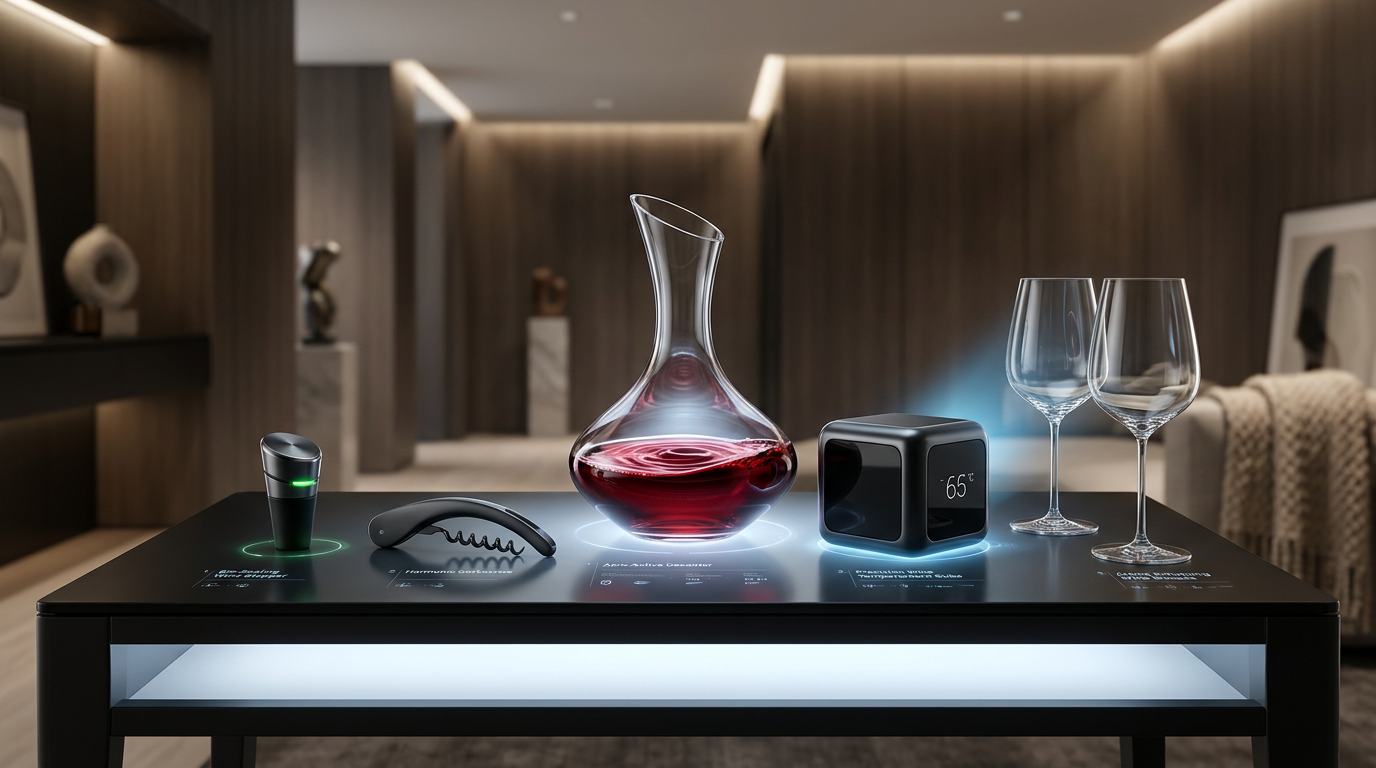
The Vinous Arsenal: Essential Tools for Elevating Your Wine Experience in 2026
As we navigate May 2026, the world of wine continues to evolve, offering enthusiasts unprecedented tools. Discover the essential wine accessories for 2026 that will elevate your enjoyment, from innovative aerators to smart preservation systems. Upgrade your vinous arsenal today with Greatest Wine.
Juniper Thorne