The Quantum Leap of Ancestral Grapes: Reviving Pre-Phylloxera Varieties for 2026's Cutting-Edge Wines
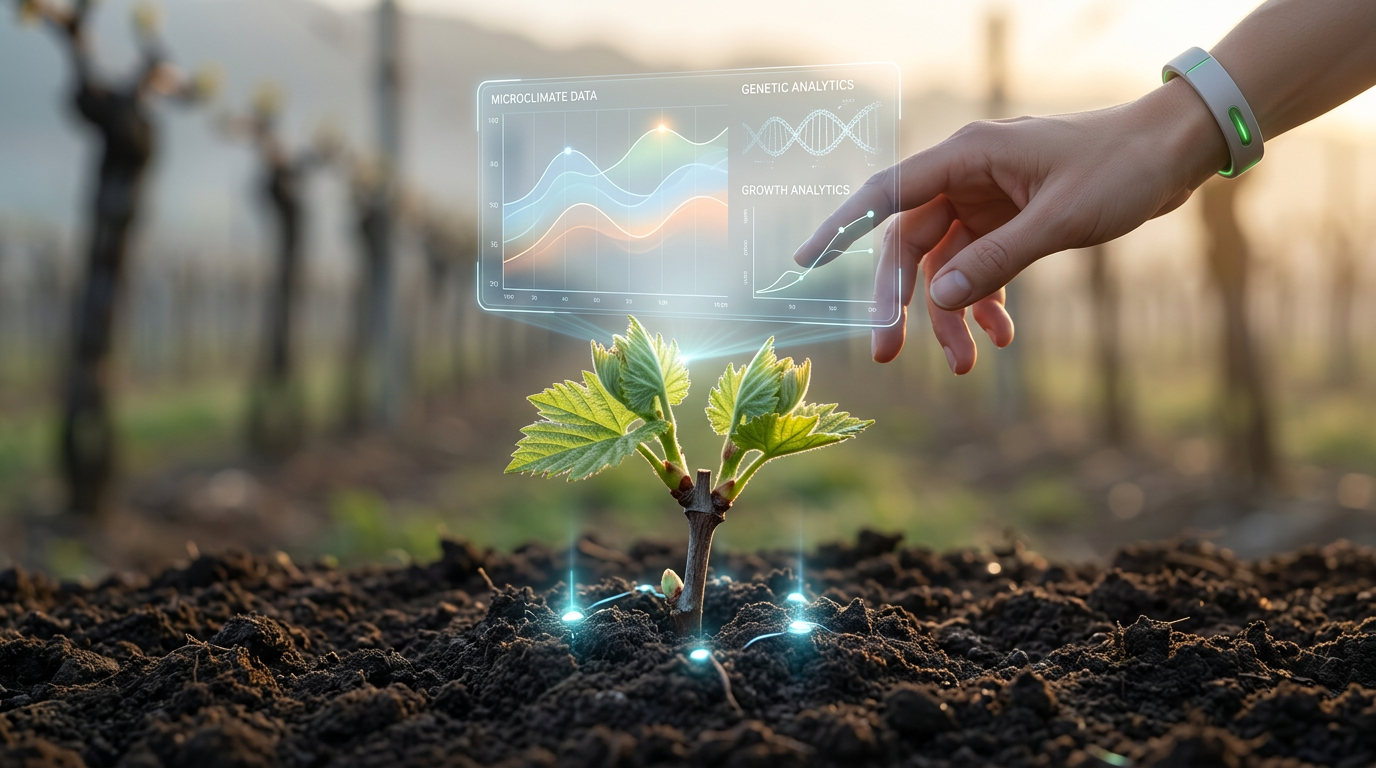
In 2026, a fascinating trend is revolutionizing viticulture: the revival of ancestral grapes. These are pre-Phylloxera vines, once thought lost, now meticulously resurrected to bring unparalleled depth and unique characteristics to modern winemaking. This movement is reshaping the global wine landscape.

Ancestral Grapes 2026: Reviving Pre-Phylloxera Varieties for Cutting-Edge Wines
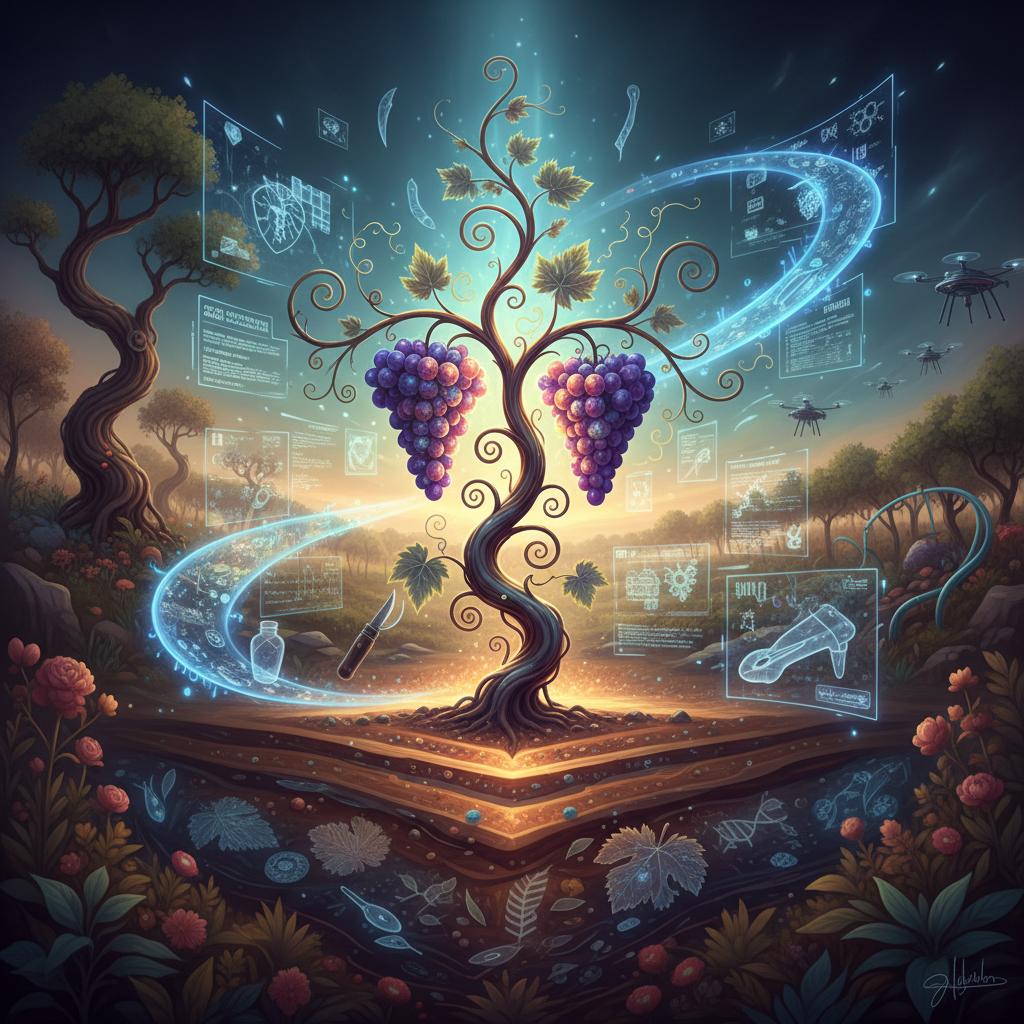
In the evolving tapestry of viticulture, a fascinating trend is taking hold: the revival of ancestral grapes 2026. These aren't just old varieties; they are pre-Phylloxera vines, often considered lost or forgotten, now being meticulously resurrected to add unparalleled depth and unique characteristics to modern winemaking. As we move through 2026, the focus on biodiversity and historical authenticity is prompting winemakers globally to look beyond the dominant international varietals and delve into the genetic treasure trove of the past. This exploration promises to redefine the palate of the future, offering wines with stories as rich and complex as their flavors.
The Historical Roots of Ancestral Grapes 2026: A Pre-Phylloxera Perspective
The late 19th century witnessed a devastating blight across European vineyards: the Phylloxera vastatrix aphid. This tiny pest wiped out an estimated two-thirds of the world's vines, forever altering the landscape of viticulture. To combat this, viticulturists resorted to grafting European Vitis vinifera onto resistant American rootstocks. While this saved the industry, it also led to the abandonment of countless indigenous grape varieties that were either susceptible to Phylloxera or simply not deemed commercially viable for rebuilding.
The Impact of Phylloxera on Grape Diversity
- Loss of Native Varieties: Many localized grape species were not replanted, leading to their near extinction.
- Standardization of Production: The replanting effort favored well-known, high-yielding varieties, reducing genetic diversity.
- Altered Terroir Expression: Grafting, while necessary, can subtly influence a vine's interaction with its soil and climate.
Today, with advanced genetic mapping and dedicated research, a new generation of viticulturists is meticulously identifying and propagating these forgotten vines. The commitment to ancestral grapes 2026 represents not just a historical curiosity, but a profound belief in their potential to create distinct, terroir-driven wines. You can delve deeper into this topic by exploring The Unseen Ecosystem of Biodiversity in Vineyards by 2026.
Why Revive Ancestral Grapes in 2026? Unveiling Unique Characteristics
The impetus to bring back these ancient varieties, especially in 2026, stems from several key motivations. Modern consumers are increasingly seeking authenticity, sustainability, and unique sensory experiences. Ancestral grapes 2026 offer all this and more, presenting winemakers with a palette of flavors, aromas, and textures rarely encountered in mainstream wines.
Enhanced Biodiversity and Resilience
Reintroducing diverse grape varieties strengthens the genetic pool of Vitis vinifera. This increased biodiversity can lead to greater resilience against climate change, new pests, and diseases. Rather than relying on a small number of clones, a wider array of grape genetics provides a natural safeguard for the industry's future. For more on this, consider reading about Sustainable Development in the Wine Sector from the OIV (International Organisation of Vine and Wine).
Unlocking New Flavor Profiles
Each ancestral grape carries a unique genetic blueprint, translating into distinctive aromatic compounds and structural characteristics. Winemakers are discovering grapes that offer novel acidity, intriguing tannic structures, and exotic fruit or floral notes previously unknown. This opens up entirely new avenues for wine styles and food pairings, pushing the boundaries of what's possible in modern winemaking. For example, some rediscovered grapes exhibit natural resistance to certain fungal diseases, reducing the need for chemical interventions – a significant win for organic and biodynamic practices. This directly impacts The Evolution of the Wine Palate as consumers seek out these new sensory experiences.
Challenges and Triumphs: Cultivating Ancestral Grapes 2026
The journey to revive ancestral grapes 2026 is not without its hurdles. Identifying, propagating, and cultivating these often-rare varieties requires significant investment in time, research, and expertise. Many of these grapes have poor natural resistance to common diseases or require specific microclimates that are hard to replicate. Furthermore, understanding their optimal vinification techniques requires extensive experimentation.
Overcoming Cultivation Hurdles
- Identification and Genetic Verification: DNA analysis is crucial to confirm the identity of ancient vines.
- Propagation and Nursery Establishment: Developing viable plant material from limited sources.
- Adapting Vine Management: Tailoring pruning, canopy management, and harvesting to specific varietal needs.
- Market Acceptance: Educating consumers about unknown grape names and unique flavor profiles.
Despite these challenges, the triumphs are significant. Wineries in Italy, Portugal, Spain, and even parts of Eastern Europe are successfully bringing back grapes like Susumaniello, forgotten indigenous varieties from Sicily, and ancient Georgian Rkatsiteli clones. These pioneering efforts are yielding critically acclaimed wines that are gaining recognition globally, proving the commercial viability and immense value of these historical treasures. The painstaking work involved in bringing ancestral grapes 2026 back to prominence is a testament to the dedication of the wine community. For more insights into how regions express their philosophy, explore The Art of Terroir Translation.
The Future of Wine: Ancestral Grapes 2026 in a Global Context
As we navigate the complexities of 2026, the movement for ancestral grapes 2026 is more than a nostalgic look back; it's a strategic move towards a more sustainable, diversified, and exciting future for wine. This trend aligns perfectly with the broader global shift towards local, authentic, and environmentally conscious products. Consumers are increasingly seeking wines that tell a story, wines that reflect a unique sense of place and history, and wines that are produced with respect for nature. This embrace of ancient varieties offers a direct response to these demands. The economic and societal impact of this global shift is considerable, as detailed in Beyond the Bottle: Unveiling the Economic and Societal Impact of the Global Wine Trade in 2026.
Impact on Global Wine Trends
- Increased Regional Specialization: Regions can differentiate themselves through unique, indigenous grapes.
- Innovation in Winemaking: New grapes inspire novel blending techniques and fermentation styles.
- Education and Appreciation: Encouraging a deeper understanding of wine history and biodiversity.
- Sustainability and Climate Change Adaptation: Inherited resilience in some old varieties offers hope for future viticulture. For deeper information on climate change effects on viticulture, the IPCC reports on climate change impacts provide valuable context.
The drive to explore and celebrate these ancestral varieties represents a quantum leap for the wine industry. It’s about more than just taste; it’s about preserving viticultural heritage, promoting biodiversity, and creating wines with unparalleled character and a profound connection to the past. The stage is set for ancestral grapes 2026 to play a pivotal role in shaping the next chapter of wine excellence, offering enthusiasts around the world an extraordinary journey through time encased in every bottle. This journey also includes combating challenges like The Global Quest for Authentication: Combatting Wine Fraud in 2026, ensuring the integrity of these rediscovered gems. For consumers interested in identifying quality, learning How to Taste Wine Like a Professional can be incredibly beneficial.
Written by
Juniper Thorne is an experienced writer and educator with a deep passion for the world of wine. Bringing expertise in sensory analysis and wine culture to the Greatest Wine platform, Juniper helps readers explore and appreciate every nuance of wine.
Related Articles

The Cellar Architects: Mastering Elite Wine Preservation and Evolution in 2026
For the true connoisseur, wine is more than just a beverage; it's a living entity, an investment, and a passion. Mastering its preservation and evolution is an art form, especially in 2026 with new technologies and insights. Learn how to protect and enhance your cherished collection.
Juniper Thorne