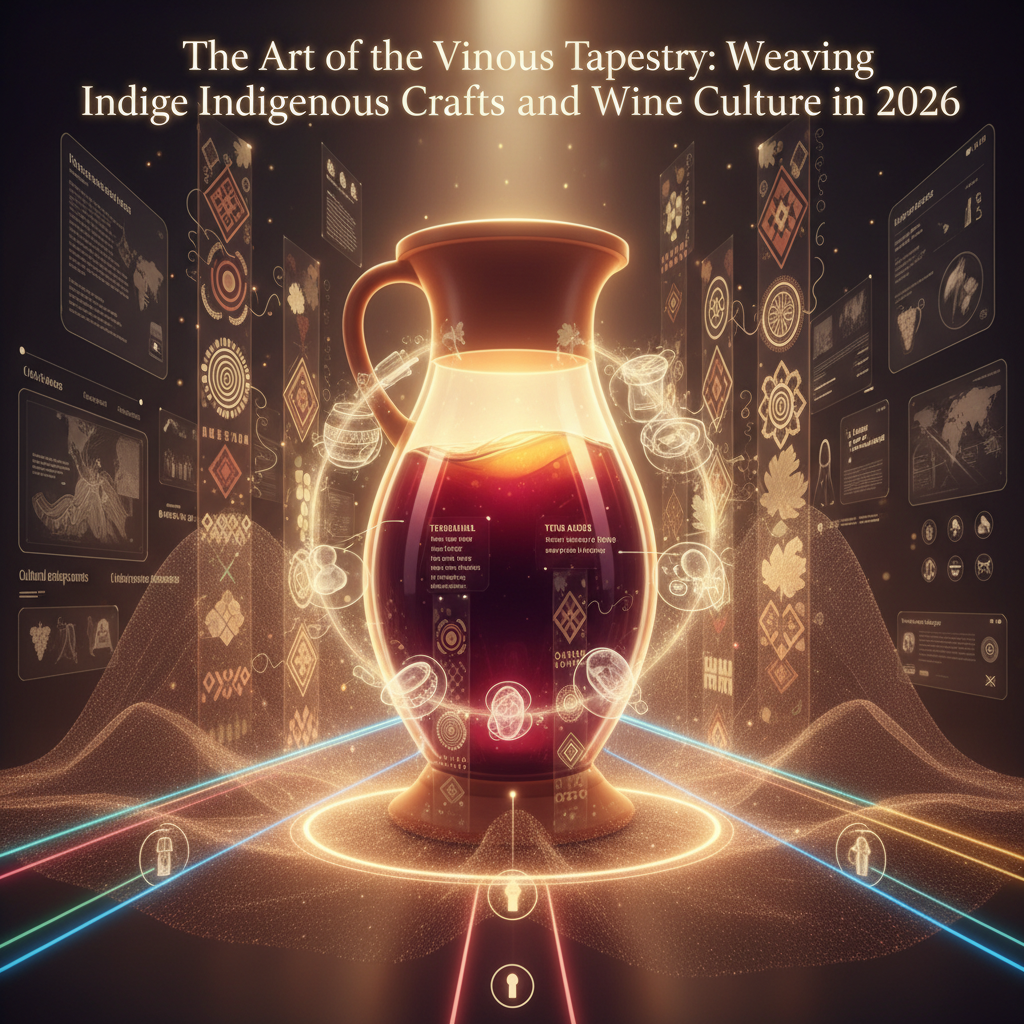
The Art of the Vinous Tapestry: Weaving Indigenous Crafts and Wine Culture in 2026
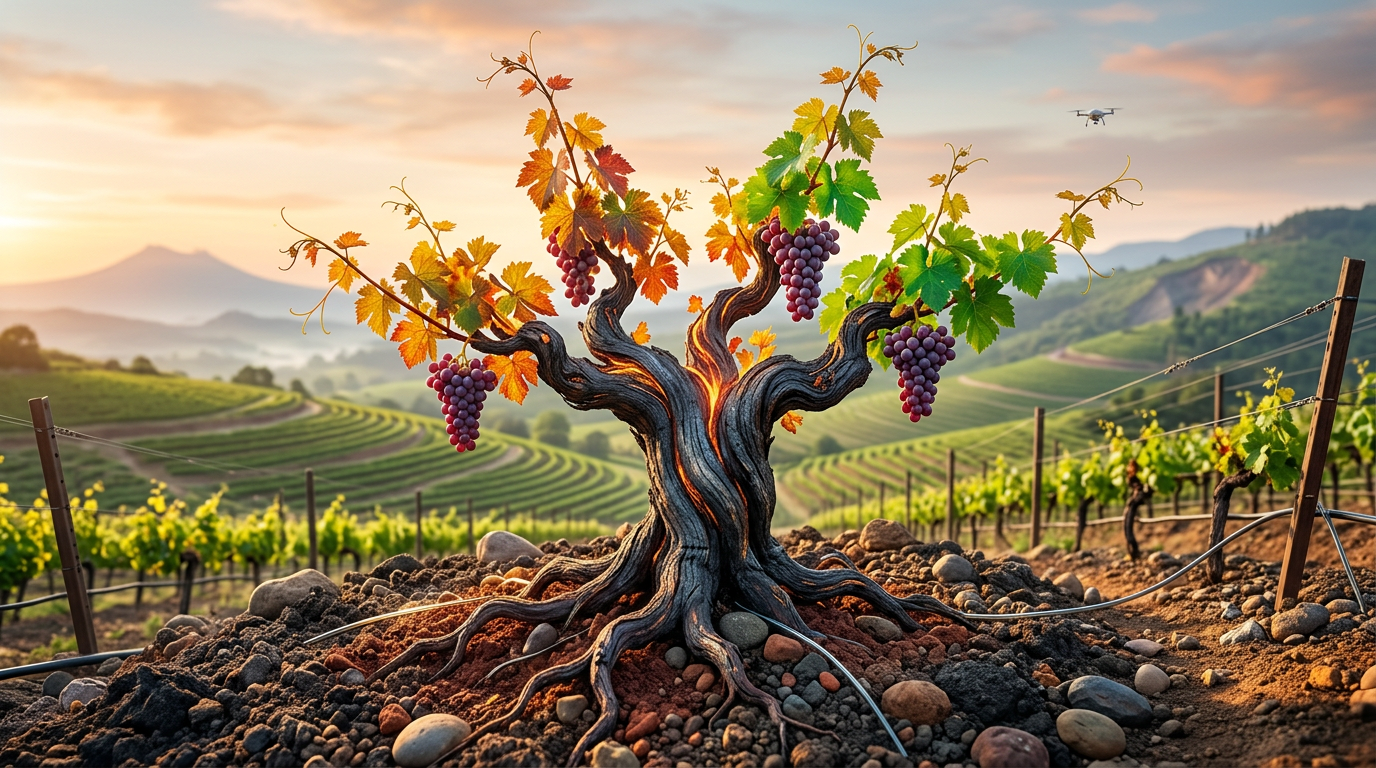
In 2026, the wine world is evolving, embracing the rich tapestry of culture and craftsmanship. A burgeoning trend sees a deep dive into indigenous wine crafts, where traditional artistry intersects with viticulture to create truly unique and meaningful experiences. This article delves into how these ancient skills are being revitalized and integrated into modern wine narratives, offering consumers a deeper connection to the land and its heritage.

Indigenous Wine Crafts: Culture & Artistry
In 2026, the world of wine continues its fascinating evolution. Its appreciation broadens beyond just the liquid in the glass to embrace the rich tapestry of culture and craftsmanship that surrounds it. A burgeoning trend sees a deep dive into indigenous wine crafts, where traditional artistry intersects with viticulture to create truly unique and meaningful experiences. This exploration uncovers not only the historical roots of winemaking but also celebrates the cultural heritage embedded in every aspect, from tools to serving vessels. Indeed, wine is as much an art as it is a science.
Historical Resonance in Indigenous Wine Crafts
The relationship between humans and wine is ancient. Throughout history, various cultures have developed distinct practices and objects associated with its production and consumption. These practices are often reflected in remarkable indigenous wine crafts, which carry stories of their lands and peoples. From ancient wine production methods to intricate serving platters carved from local woods, these crafts serve as tangible links to winemaking traditions that predate modern industrial methods. Understanding their origins provides a deeper appreciation for the journey of wine from vine to table.
Ancient Winemaking Technologies and Tools
Before stainless steel tanks and automated presses became commonplace, winemakers relied on ingenious tools crafted from natural materials. These tools varied significantly by region, showcasing local resources and inventive problem-solving.
- Clay Qvevri (Georgia): These large, egg-shaped earthenware vessels, buried underground, are central to traditional Georgian winemaking. Their porous nature allows for micro-oxygenation, contributing to unique wine characteristics, a fascinating parallel to modern techniques like micro-oxygenation in sculpting wine identity for 2026.
- Wooden Presses (Europe & Middle East): From simple beam presses to more complex basket presses, wood was a primary material for extracting juice in many historic winemaking regions. The craftsmanship involved in their construction was often passed down through generations.
- Reed and Willow Baskets (Various Cultures): Used not only for harvesting grapes but also for filtering must and transporting wine, these intricately woven baskets represent skills honed over centuries.
Cultural Significance of Serving Vessels
The act of serving and sharing wine has always been a ritual. The vessels used are intrinsically linked to cultural identity and social customs. Furthermore, these indigenous wine crafts are often imbued with symbolism.
Consider the elaborate drinking horns of Celtic cultures or the finely painted pottery found in ancient Greek symposia. Each piece tells a story about the community it served, reflecting their aesthetic values and social hierarchies. Currently in 2026, collecting or commissioning such pieces adds a profound layer to the wine experience, complementing the personal style and innovation seen in 2026's finest vintages.
Modern Revivals and Contemporary Applications of Indigenous Wine Crafts
In 2026, there's a strong resurgence of interest in traditional craftsmanship. This is driven by a desire for authenticity, sustainability, and unique storytelling. This movement directly benefits indigenous wine crafts, bringing them to the forefront of modern wine culture.
Wineries are increasingly collaborating with local artisans to produce handcrafted items that complement their wines. These range from bespoke decanters to custom wine labels. This strategy not only supports local economies but also enhances the perceived value and narrative of the wine itself.
Artisanal Collaboration in Wineries
Many forward-thinking wineries are integrating artisanal techniques into their operations. This could mean employing local potters to create unique fermentation vessels or contracting weavers to design custom textiles for bottle presentation.
Such partnerships allow winemakers to infuse their brand with a distinct sense of place and heritage. They offer consumers something truly special beyond mass-produced items. The narrative of handcrafted wine, from soil to bottle to handcrafted accessory, resonates deeply with discerning buyers.
Sustainable Craftsmanship and Local Materials
The focus on sustainability extends to the materials and methods used in indigenous wine crafts. Artisans often rely on locally sourced, renewable materials, thereby minimizing environmental impact.
This commitment to eco-conscious practices aligns perfectly with the growing awareness among wine consumers about ethical production and environmental stewardship. Consequently, products made from sustainable wood, recycled glass, or naturally dyed textiles are highly sought after in 2026. For a deeper dive into sustainable practices, the Wines of Chile Sustainability Code offers excellent insights into industry-wide efforts.
The Global Impact of Indigenous Wine Crafts on Wine Tourism
Wine tourism in 2026 is no longer just about tasting wine; it's about experiencing the full cultural context. Indigenous wine crafts play a crucial role in enriching this experience, offering visitors a deeper connection to the region's heritage.
Visitors to wine regions are eager to learn about local customs, meet artisans, and perhaps even try their hand at creating these crafts. This adds an educational and interactive dimension to their journey, making it more memorable and meaningful.
Workshops and Experiential Learning
Many wineries and local craft centers now offer workshops where tourists can learn about and participate in traditional crafts. Imagine a weekend workshop where you learn to weave a vine-pruning basket or mold a ceramic wine cup.
These hands-on experiences provide a direct link to historical practices, fostering a greater appreciation for the skill and dedication involved in these art forms. They also offer unique souvenirs that carry personal meaning, much like understanding the cognitive terroir: how our brains sculpt wine perception in 2026.
Supporting Local Communities and Preserving Heritage
By investing in indigenous wine crafts, both as consumers and producers, we contribute to the economic well-being of local communities and help preserve cultural heritage. These crafts often represent centuries of accumulated knowledge and skill, passed down through generations.
The recognition and market for these crafts ensure that these traditions do not fade, providing livelihoods for artisans and maintaining the vibrant cultural tapestry of wine regions worldwide.
Collecting and Curating Indigenous Wine Crafts
For enthusiasts and collectors, the allure of indigenous wine crafts lies in their uniqueness, historical significance, and the story they tell. Building a collection can be an exciting journey into global wine culture.
Whether it's a hand-carved corkscrew from Italy, an elaborately embroidered wine bag from Hungary, or a unique ceramic decanter from Portugal, each piece brings a distinct flavor of its origin to your personal wine space.
Identifying Authentic Craftsmanship
When collecting, it's essential to understand how to identify authentic indigenous wine crafts. Look for signs of handmade quality, traditional materials, and reputable artisans or sellers.
Certification labels or direct engagement with the craftsman can often ensure authenticity. Beware of mass-produced items masquerading as traditional crafts; the true beauty lies in the individuality of each handmade piece. Resources like the Crafts Council provide guidance on contemporary craft and authenticity.
Integrating Crafts into Home Wine Setups
Incorporating these crafts into your home wine setup can elevate the aesthetic and experiential quality of your wine enjoyment. Imagine serving your favorite vintage in a unique hand-blown glass or presenting a bottle in a meticulously crafted wooden box.
These pieces not only serve functional purposes but also act as conversation starters, enriching the narrative around your wine collection and creating a more immersive tasting experience, similar to how music and sound influence wine perception in 2026.
The Future of Craft and Wine in 2026 and Beyond
As we look forward, the synergy between traditional craftsmanship and the wine industry is only set to deepen. The appreciation for authenticity, provenance, and the human touch continues to grow, making indigenous wine crafts increasingly relevant.
This trend underscores a broader movement towards mindful consumption. Consumers seek products with a story, a soul, and a connection to cultural heritage. Wine, with its deep roots in history and tradition, is perfectly positioned to lead this charge in 2026.
Technological Integration and Craft
Even as we celebrate traditional crafts, technology also plays a role in their dissemination and preservation. Digital platforms allow artisans to reach global audiences. Advanced tools can sometimes aid in the restoration or documentation of ancient crafting techniques.
However, the essence of handcrafting—the human touch, the unique imperfections, the passage of skill through generations—remains irreplaceable and central to its appeal.
Cultivating a Deeper Appreciation for Wine Culture
Ultimately, the embrace of indigenous wine crafts encourages a holistic appreciation for wine that extends far beyond taste. It invites us to consider the hands that shaped the vessel, the stories etched into the tools, and the cultural ceremonies surrounding the drink itself.
This comprehensive approach to wine understanding, which is central to the mission of Greatest Wine, allows enthusiasts to truly immerse themselves in the rich, multifaceted world of viticulture and its accompanying artistry.
Written by
Juniper Thorne is an experienced writer and educator with a deep passion for the world of wine. Bringing expertise in sensory analysis and wine culture to the Greatest Wine platform, Juniper helps readers explore and appreciate every nuance of wine.
Related Articles

The Vinous Verse: How Wine's Spirit Inspires 2026's Poetic and Literary Masterpieces
The intricate dance between the grape and the written word has enchanted humanity for millennia. Explore the profound connection between wine and literature, from ancient musings to 2026's contemporary narratives and poetic masterpieces. Discover how the world of wine continually inspires writers.
Juniper Thorne