The Art of the 'Vinous Archaeologist': Unearthing and Reinterpreting Ancient Wine Production for 2026
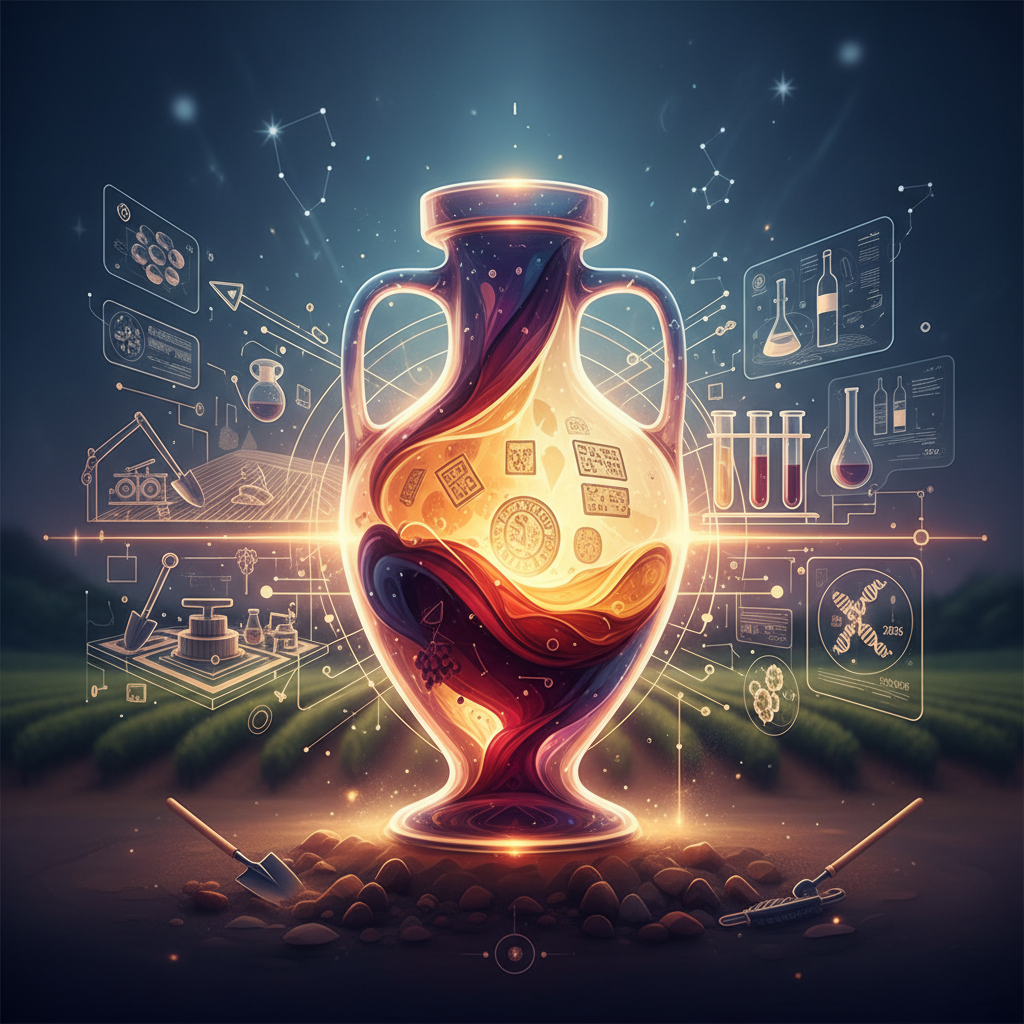
In 2026, the art of 'vinous archaeology' is revolutionizing winemaking. This fascinating trend involves unearthing and reinterpreting ancient wine production techniques, moving beyond academic study into dynamic practical application. It's about understanding and adapting sophisticated historical methods to shape the future of viticulture and oenology.

The Art of the 'Vinous Archaeologist': Unearthing and Reinterpreting Ancient Wine Production for 2026
In the ever-evolving world of viticulture and oenology, a fascinating trend has emerged: the reinterpretation of traditional methods. This pursuit often leads us back to the roots of winemaking, exploring the sophisticated techniques employed by our ancestors. The concept of ancient wine production 2026 is not merely an academic exercise; it's a dynamic field where historical insights inform modern innovation, shaping the future of exceptional wines. As we delve into the practices of "vinous archaeologists," we discover how ancient wisdom is being revitalized to produce unique and compelling vintages today. This exploration ties into a broader movement of reviving ancient wine styles and fermentation techniques in 2026, bringing historical echoes to the modern palate.
Decoding the Past: Methodologies in Ancient Wine Production 2026
The journey back in time to understand ancient viticulture is a complex and painstaking process. Researchers, often dubbed "vinous archaeologists," employ a variety of scientific and historical methods to piece together the puzzle of early winemaking. This endeavor is crucial for anyone interested in the foundational aspects of our beloved beverage.
From studying ancient texts and artwork to conducting sophisticated chemical analyses of residue found in archaeological vessels, every piece of evidence contributes to a clearer picture. In 2026, advancements in analytical chemistry, such as proteomics and metabolomics, offer unprecedented insights into the specific grape varieties, fermentation processes, and storage techniques used thousands of years ago. This scientific rigor helps us understand how to recreate historic wine flavors in 2026.
Archaeological Excavation and Material Analysis
- Residue Analysis: Scientists meticulously examine pottery shards and ancient amphorae for traces of tartaric acid, a definitive marker of grape fermentation. Techniques like Liquid Chromatography-Mass Spectrometry (LC-MS) are now able to identify not just the presence of wine, but sometimes even specific botanical markers that can hint at grape varietals or additives.
- Paleobotanical Studies: The identification of ancient grape pips and vine pollen provides crucial information about the earliest domesticated Vitis vinifera species and their geographical distribution. This helps reconstruct ancient vineyard landscapes.
- Tools and Structures: The discovery of ancient wine presses, fermentation vats, and storage facilities offers direct evidence of the scale and methods of production. Sites in countries like Georgia, Armenia, and Italy continue to yield significant finds. The decoding of lost terroirs is a critical aspect of this research.
Historical Texts and Iconography
Beyond archaeological digs, historical records provide invaluable context for ancient wine production 2026. Texts from ancient Egypt, Greece, and Rome describe viticultural practices, grape varieties, and even tasting notes. Iconography, such as murals and mosaics, depicts scenes of grape harvesting, pressing, and communal wine consumption, offering a vivid glimpse into the cultural significance of wine.
These diverse sources, when triangulated, allow researchers to form robust hypotheses about how wine was made, stored, and consumed in antiquity. The synthesis of this information is key to any modern attempt at replication. Educational institutions and organizations like the Archaeological Institute of America frequently publish findings that enrich our understanding of these ancient practices.
From Theory to Practice: Recreating Ancient Wine Production Methods
The academic understanding of ancient winemaking isn't confined to textbooks. A growing number of winemakers and researchers are actively experimenting with historical techniques, seeking to revive forgotten flavors and methods. This hands-on approach to ancient wine production 2026 bridges the gap between historical fact and contemporary taste.
One of the most notable examples is the renewed interest in Qvevri winemaking. Originating in Georgia, Qvevri are large, egg-shaped clay vessels buried underground, used for fermentation and aging. This ancient method, dating back 8,000 years, is now experiencing a global renaissance, celebrated for producing unique, skin-contact white wines (often called amber wines) with distinct textures and aromatic profiles.
The Rise of Amphora and Clay Pot Fermentation
- Qvevri from Georgia: As mentioned, these terracotta vessels are buried underground to maintain a consistent temperature, allowing for slow, natural fermentation. The extended skin contact in Qvevri contributes to vibrant colors, complex tannins, and savory notes often found in amber wines.
- Dolias and Pithoi: Inspired by Roman and Greek traditions, winemakers around the world are experimenting with various sizes and shapes of clay vessels for fermentation and aging. These vessels offer a different micro-oxygenation profile compared to oak barrels or stainless steel, imparting unique characteristics to the wine.
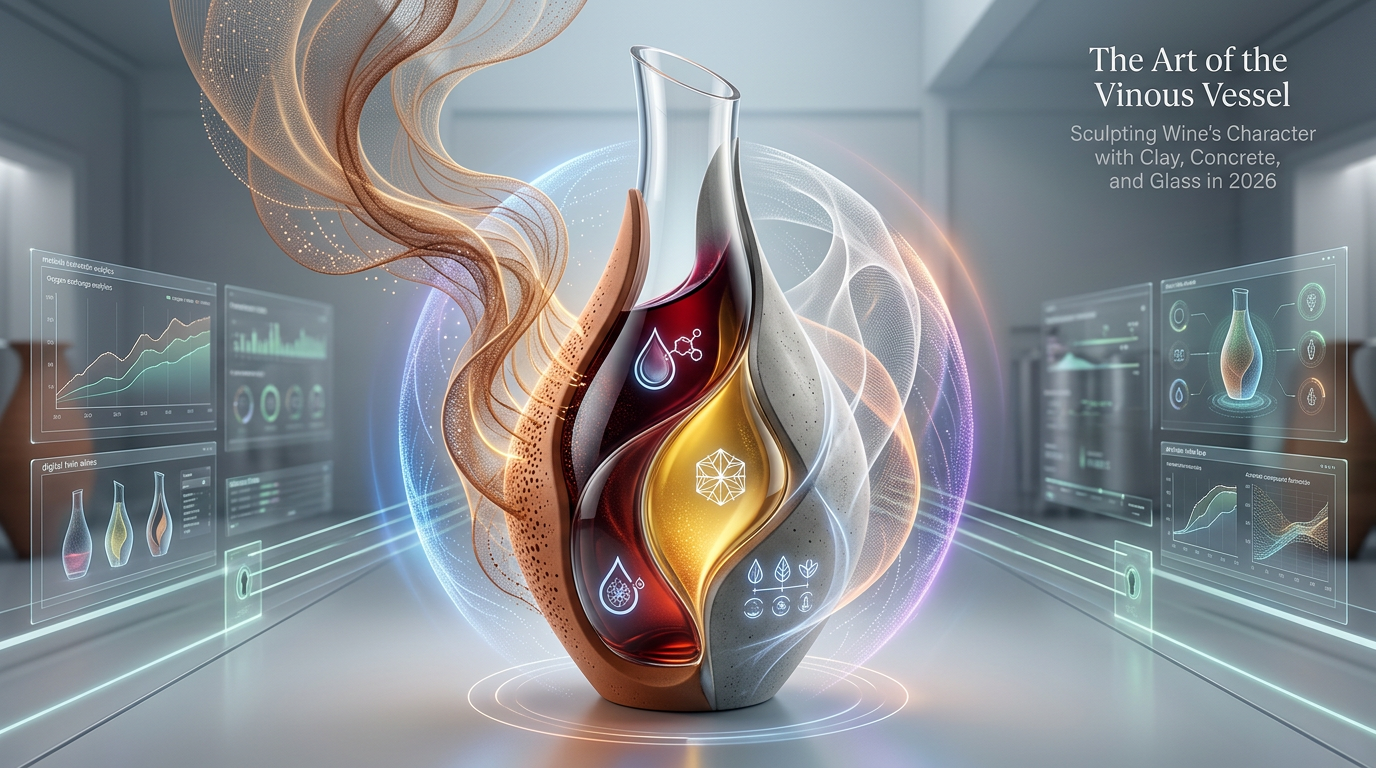
- Benefits of Clay: Clay's porous nature allows for a gentle exchange of oxygen, promoting polymerization of tannins and softening the wine, while its inertness ensures that the primary fruit characteristics remain paramount, without the influence of oak. This aligns with the principles explored in minimal intervention winemaking with indigenous yeast in 2026.
Skin Contact and Natural Fermentation
The concept of extended skin contact, particularly for white grapes, was a common practice in ancient times, long before modern white winemaking emphasized rapid pressing. This method contributes color, tannin, and robust aromatics, creating wines with significant texture and complexity. Furthermore, allowing wines to ferment with indigenous yeasts, without intervention, was the norm.
This commitment to natural fermentation, minimal intervention, and extended contact with skins, stems, and seeds, is a hallmark of many modern projects inspired by ancient wine production 2026. These practices often result in wines that are less polished but offer a profound sense of place and authenticity.
The Impact on Modern Winemaking and Consumer Preferences in 2026
The pursuit of ancient winemaking techniques is not merely about historical accuracy; it's about pushing the boundaries of what wine can be. In 2026, these efforts are significantly influencing consumer preferences and shifting perceptions about quality and tradition in the wine industry.
Wines produced using ancient methods often stand out in a market dominated by conventional styles. Their distinct character, often marked by earthy notes, firm tannins, and complex aromatics, appeals to a segment of consumers seeking unique and authentic experiences. This niche is growing and influencing broader trends. Indeed, the sommelier's oracle points to these changing consumer palates in 2026.
Expanding the Palate: New Flavors and Textures
Wines crafted using ancient methods frequently present profiles that diverge significantly from conventional expectations. For instance, white wines made with prolonged skin contact can display amber hues, nutty aromas, and a savory finish, providing a fascinating contrast to crisp, fruit-forward modern white wines. This expansion of the wine lexicon is exciting for enthusiasts.
The reintroduction of these historical styles encourages wine lovers to explore beyond common varietals and production methods, embracing wines that tell a richer story of origin and tradition. This often includes a deeper appreciation for indigenous grape varieties.
Sustainability and Authenticity Drivers
Many embracing ancient wine production 2026 also champion sustainable and organic viticulture. The connection to ancestral methods often implies a respect for the land and a desire for minimal intervention in both the vineyard and the cellar. This aligns perfectly with the increasing consumer demand for environmentally conscious and authentic products.
Consumers are increasingly valuing transparency, traceability, and a genuine narrative behind the wines they drink. Wines made using ancient techniques often possess these qualities in abundance, appealing to a generation of ethically minded buyers. The Wine Institute's commitment to sustainable winegrowing is a testament to this evolving industry focus.
Challenges and Future of Ancient Wine Production 2026
While the revival of ancient winemaking offers exciting possibilities, it also presents unique challenges. Scaling these traditional methods for commercial viability, ensuring consistent quality, and educating consumers about their distinct characteristics are ongoing hurdles that producers must navigate.
Furthermore, without modern temperature control or chemical additives, there's always an inherent risk in natural fermentation processes. However, dedicated winemakers view these challenges as part of the appeal, a commitment to preserving an authentic, sometimes unpredictable, craft.
Innovation within Tradition
The future of ancient wine production 2026 lies in a thoughtful blend of tradition and innovation. While adhering to historical principles, winemakers are also employing modern scientific understanding to refine and optimize these ancient methods. This might involve precise monitoring of fermentation in clay vessels or advanced studies of microbial populations.
The goal is not to replicate ancient wines exactly, but to draw inspiration from ancestral techniques to create exceptional and unique wines for the contemporary palate. This nuanced approach will ensure the continued growth and relevance of these ancient practices in the global wine scene. The dedication to understanding the nuances of wine, from its ancient origins to modern interpretation, is a continuous journey for the sommelier chronicling taste evolution in 2026.
The vinous archaeologist's work is never truly done. Each year brings new discoveries and new interpretations, pushing the boundaries of our understanding of wine's past and shaping its future. For those passionate about wine, the exploration of ancient methods offers an unending source of fascination and, most importantly, extraordinary wines.
Written by
Juniper Thorne is an experienced writer and educator with a deep passion for the world of wine. Bringing expertise in sensory analysis and wine culture to the Greatest Wine platform, Juniper helps readers explore and appreciate every nuance of wine.
Related Articles

The Cellar Architects: Mastering Elite Wine Preservation and Evolution in 2026
For the true connoisseur, wine is more than just a beverage; it's a living entity, an investment, and a passion. Mastering its preservation and evolution is an art form, especially in 2026 with new technologies and insights. Learn how to protect and enhance your cherished collection.
Juniper Thorne