The Art of the 'Vinous Time Machine': Unearthing and Recreating Historic Wine Flavors in 2026
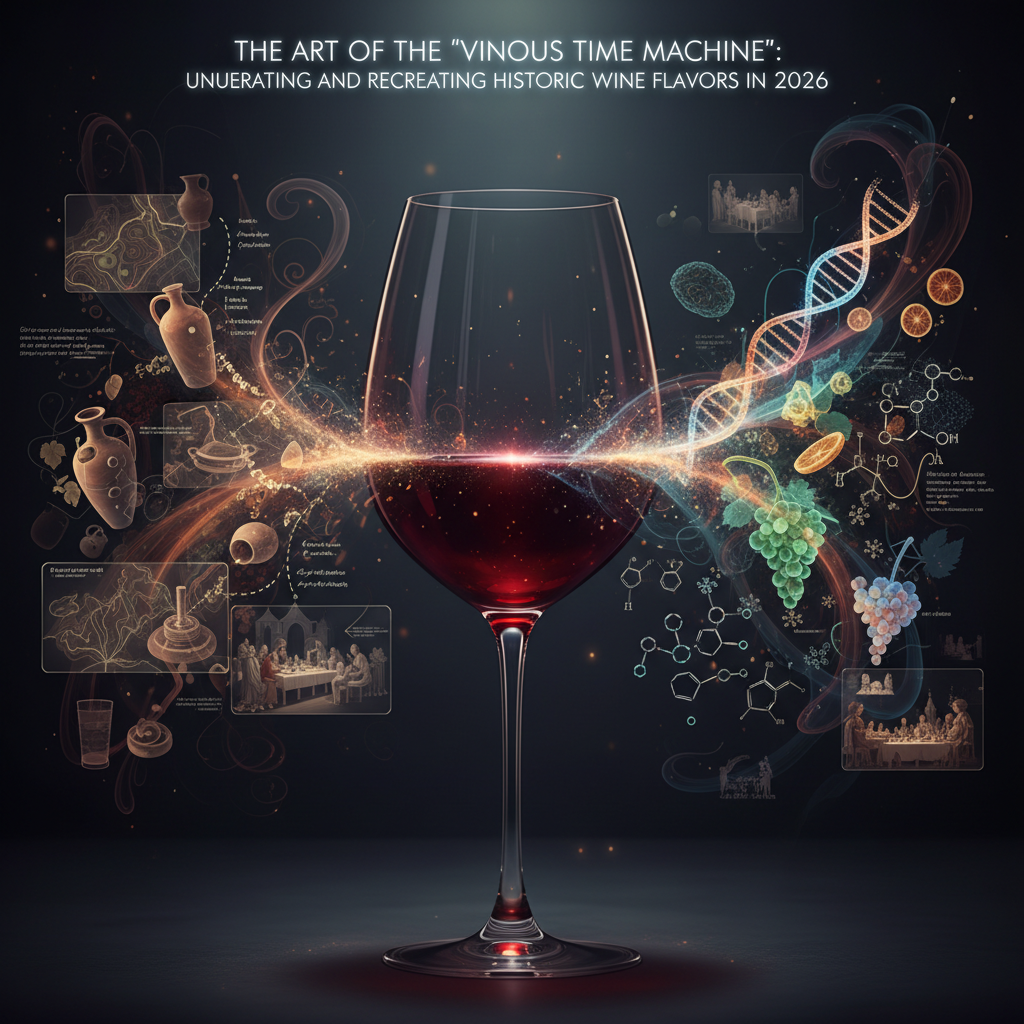
In 2026, the world of viticulture is increasingly fascinated by recreating historic wine flavors. The 'vinous time machine' concept, far from being mere romance, is a tangible pursuit for winemakers and enthusiasts. This deep dive into enological artistry aims to unearth and bring forgotten tastes and authentic traditions back to life.

The Art of the 'Vinous Time Machine': Unearthing and Recreating Historic Wine Flavors in 2026
In the vibrant world of viticulture, there's a growing fascination with the past, a desire to reconnect with authentic traditions and forgotten tastes. The concept of a 'vinous time machine' is more than just a romantic notion; it’s a tangible pursuit for winemakers and enthusiasts in 2026, aiming to unearth and recreate historic wine flavors. This journey into enological archaeology allows us to experience the sensory profiles that delighted palates centuries ago, offering a unique perspective on wine’s enduring legacy and evolution.
As we navigate the complexities of emerging wine regions sculpted by geopolitical shifts and climate adaptation in 2026, the ability to look back and understand historical practices provides invaluable context.
The Quest to Rediscover Historic Wine Flavors
The pursuit of ancient wines is a multidisciplinary endeavor, combining historical research, genetic science, and modern winemaking techniques. Researchers are delving into ancient texts, archaeological digs, and even submerged shipwrecks to piece together the puzzle of past vinicultural practices. This dedication helps us understand not just what people drank, but how they made it and why it tasted the way it did.
Understanding these forgotten methods can inform contemporary winemaking, offering sustainable practices and unique flavor profiles that stand apart from mass-produced varieties. It's a testament to the enduring power of history in shaping our present and future, much like the insights gained from a winemaker's notebook chronicling craft and philosophy.
Archaeological Insights into Ancient Winemaking
- Amphorae and Kvevri: Excavations across the Mediterranean and Caucasus continue to reveal ancient storage vessels like amphorae and kvevri. The residual tartaric acid within these vessels provides chemical fingerprints of long-gone wines.
- Seed Morphology: Analysis of grape seeds found at archaeological sites helps identify ancient grape varietals. This genetic information is crucial for understanding the lineage of modern grapes and identifying extinct varieties, a practice aided by unlocking grapevine genome secrets.
- Pollen and Phytoliths: Microscopic analysis of pollen grains and phytoliths (plant silica bodies) preserved in soil layers can tell us about ancient vineyard environments and the plants growing alongside grapevines. This is intrinsically linked to understanding the art of the soil microbe as an unseen architect of terroir.
Decoding Historical Recipes and Techniques
Beyond physical evidence, historical documents, such as Roman agricultural treatises or medieval monastic records, provide invaluable insights. These texts often detail grape varietals, fermentation methods, use of additives like honey or spices, and even the types of vessels used for aging and storage. Reconstructing these techniques responsibly is key to recreating historic wine flavors authentically. For a deeper dive into historical winemaking, consider exploring resources like JSTOR's collection on ancient viticulture.
The challenge lies in interpreting these ancient instructions through a modern lens, considering differences in measurement, terminology, and available technology. It requires a blend of scholarly rigor and practical winemaking experience, echoing the dedication seen in sculpting flavor with indigenous yeast and minimal intervention.
Modern Science Meets Ancient Grapes: Recreating Historic Wine Flavors
The intersection of advanced scientific methodologies and historical understanding is enabling unprecedented progress in recreating historic wine flavors. DNA sequencing, chemical analysis, and cloning techniques are bringing ancient grapes back to life and allowing us to understand their unique characteristics.
This scientific approach ensures that recreations are not just speculative but are based on solid evidence, providing a genuine link to the past. It's an exciting frontier for both oenology and genetic research, contributing to the broader understanding of quantum terroir and the subatomic secrets of wine's sense of place.
The Role of DNA Analysis in Grape Resurrection
Thanks to advancements in genetic sequencing, scientists can analyze DNA from ancient grape seeds to identify specific cultivars. In some cases, this has led to the discovery of ancestral grapes that are either extinct or have evolved significantly into their modern counterparts. Projects are underway in 2026 to cultivate these resurrected varietals, building upon the knowledge of unearthing pre-Phylloxera rootstocks and their modern revival.
Cloning techniques further allow researchers to propagate these ancient genetic lines, establishing small experimental vineyards. This provides the raw material needed to truly explore the potential of these grapes.
Sensory Fingerprinting of Ancient Residues
Gas chromatography-mass spectrometry (GC-MS) is employed to analyze residues found in ancient wine vessels. This technique can identify residual compounds that indicate specific aromas and flavors, such as terpenes, esters, and volatile phenols. These "sensory fingerprints" offer clues to the aromatic profile of prehistoric wines. Further details on this chemical analysis can be found via academic resources like the American Chemical Society.
Pairing these chemical insights with contemporary sensory analysis allows tasters to anticipate and evaluate the complex nuances of reconstructed wines. It's like having a detailed blueprint for a lost masterpiece, enhancing the quantum palate's deconstruction of flavor perception.
Challenges and Ethical Considerations in Recreating Ancient Vintages
While the prospect of tasting historic wine flavors is thrilling, the endeavor is fraught with challenges. Authenticity is a primary concern – how truly can we replicate something from centuries ago when so many variables have changed? Ethical considerations also arise concerning the commercialization of these historical recreations.
It's vital to approach this work with respect for the past and a commitment to scientific integrity, ensuring that any claims of authenticity are well-founded and transparent. This meticulous attention to detail is also critical in understanding the unseen world of wine contaminants.
Replicating Terroir and Climate
One of the biggest hurdles is the impossibility of perfectly replicating ancient terroir and climatic conditions. Soil composition, local microbiology, and even atmospheric CO2 levels were different in ancient times. These factors profoundly influence grape development and, consequently, wine flavor. The concept is deeply tied to the unseen influence of human factors on terroir.
Winemakers must make educated assumptions and use modern viticultural practices to approximate these conditions as closely as possible, knowing that a perfect match is unattainable.
The Subjectivity of Taste and Historical Interpretation
Our modern palates are accustomed to certain wine styles, often influenced by centuries of winemaking evolution. Ancient wines might have had flavor profiles that seem unusual or even unpalatable to contemporary tastes. This raises questions about how to best present these recreations – as historical artifacts or as palatable beverages, an area where the sommelier's psychology of expectation and perception plays a key role.
Educating consumers about the historical context and the likely sensory experience is crucial for appreciation. It’s about experiencing history, not just another bottle of wine.
The Future of Historic Wine Flavors in 2026 and Beyond
Looking ahead, the quest for historic wine flavors is poised to become an even more significant trend in the wine world. As technology advances and our understanding of ancient cultures deepens, we can expect more sophisticated and accurate recreations.
This movement isn't just about nostalgia; it's about pushing the boundaries of winemaking, fostering biodiversity, and gaining a deeper appreciation for wine's rich heritage, much like the pursuit of crafting an enduring legacy through library wines.
Education and Experiential Wine Tourism
We anticipate a rise in specialized wine tourism experiences centered around historical viticulture. Visitors to ancient wine regions may soon be able to taste wines made from resurrected grape varieties, fermented in traditional vessels, and learn about the winemaking practices of civilizations long past. This offers a unique opportunity for leveraging XR for immersive wine education.
These educational journeys will provide a unique link to the past, enriching the understanding and appreciation of wine for enthusiasts and novices alike.
Preserving Genetic Diversity for Future Generations
The work involved in identifying and propagating ancient grape varieties contributes significantly to preserving genetic diversity in viticulture. This is crucial for future resilience against climate change and disease, offering a broader genetic pool for wine producers. This effort aligns with recognizing the unsung heroes among the world's overlooked indigenous grape varieties.
By understanding our past, we are better equipped to safeguard the future of winemaking and ensure that the rich tapestry of wine flavors continues to evolve and thrive.
Written by
Juniper Thorne is an experienced writer and educator with a deep passion for the world of wine. Bringing expertise in sensory analysis and wine culture to the Greatest Wine platform, Juniper helps readers explore and appreciate every nuance of wine.
Related Articles
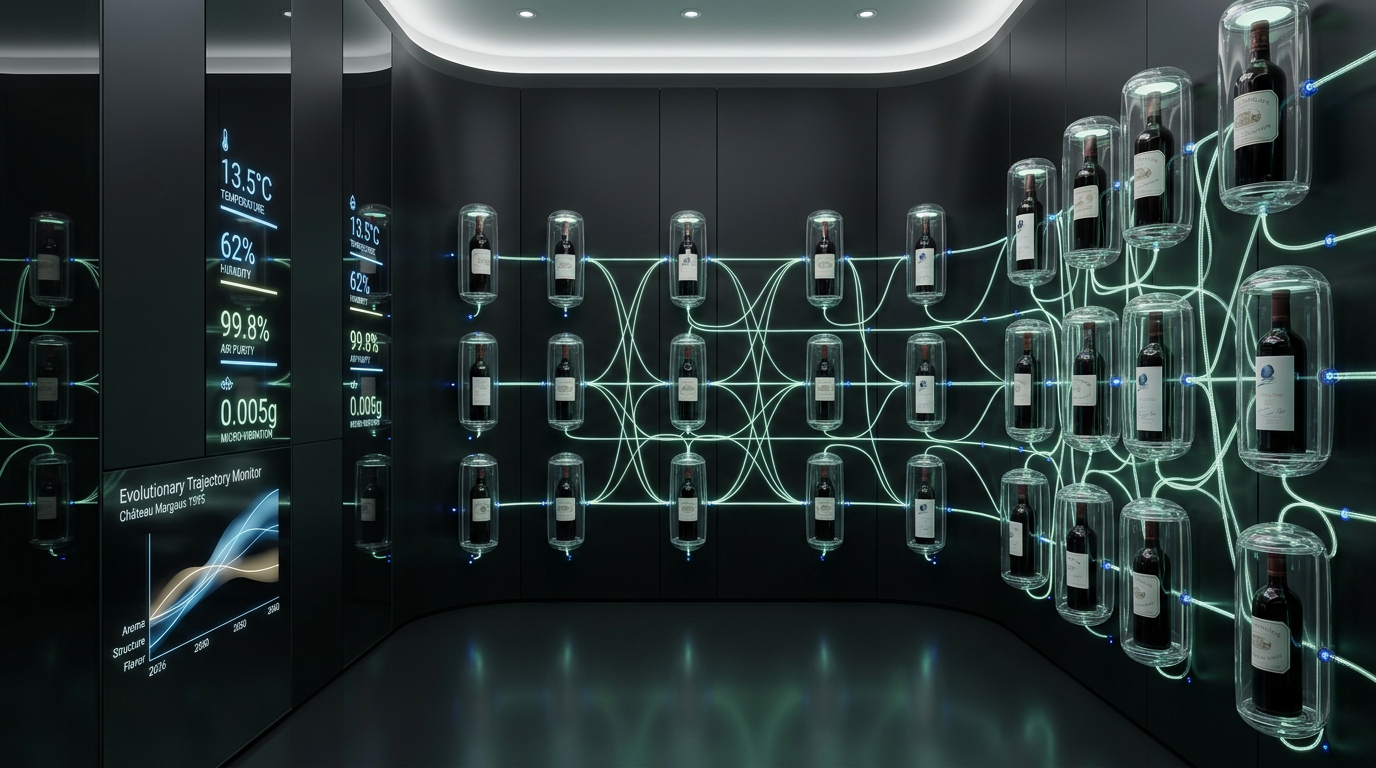
The Cellar Architects: Mastering Elite Wine Preservation and Evolution in 2026
For the true connoisseur, wine is more than just a beverage; it's a living entity, an investment, and a passion. Mastering its preservation and evolution is an art form, especially in 2026 with new technologies and insights. Learn how to protect and enhance your cherished collection.
Juniper Thorne