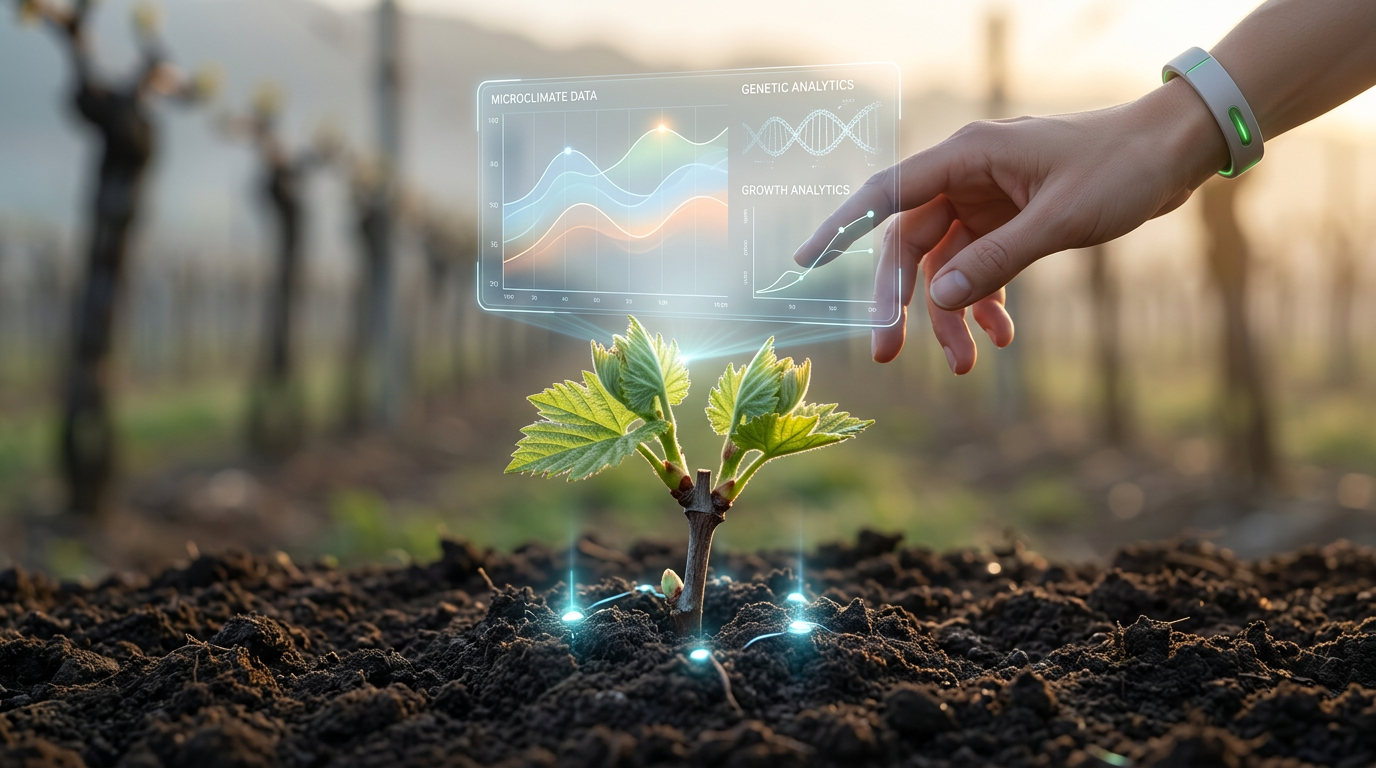
The Art of the Ancient Vineyard: Unearthing Pre-Phylloxera Rootstocks and Their Modern Revival in 2026
In 2026, the world of viticulture continues its fascinating journey into the past, specifically focusing on pre-phylloxera rootstocks. These ancient vines, originating before the devastating late 19th-century epidemic, offer crucial insights into unique grape expressions and viticultural resilience. This exploration delves into the historical intrigue and modern implications of these remarkable rootstocks.


The Art of the Ancient Vineyard: Unearthing Pre-Phylloxera Rootstocks and Their Modern Revival in 2026
In the intricate world of viticulture, few topics ignite as much passion and historical intrigue as the discussion surrounding pre-phylloxera rootstocks. These ancient vines, representing a time before the devastating phylloxera epidemic of the late 19th century, hold keys to understanding unique grape expressions and viticultural resilience. As we move through 2026, there's a renewed global interest in these original, ungrafted vines, driven by a desire to explore the unfettered character of terroir and the potential for a richer, more authentic wine experience. For insights into other unique grape varieties, explore Forgotten Grapes, Rediscovered Flavors: Exploring the Revival of Ancient Wine Varieties in 2026.
A Glimpse into Viticultural History: The Cataclysm of Phylloxera
To truly appreciate the significance of pre-phylloxera rootstocks, one must first understand the catastrophic event that reshaped the wine world forever. The phylloxera vastatrix aphid, accidentally introduced to Europe from America in the mid-19th century, wreaked havoc on vineyards, destroying an estimated two-thirds of the continent's vines.
The European Vitis vinifera vines had no natural resistance to this root-feeding pest. Entire regions were decimated, threatening the very existence of beloved wines and ancient winemaking traditions. This period marked a profound turning point, leading to the widespread adoption of grafting European scions onto resistant American rootstocks. The study of The Art of the Grapevine Genome: Unlocking Genetic Secrets for 2026's Next-Generation Wines continues to shed light on such historical impacts and future solutions.
The Devastation and the Solution
- The Scourge: Phylloxera, a microscopic insect, attacks the roots of grapevines, preventing nutrient and water uptake, ultimately leading to the vine's death.
- Near Extinction: Many indigenous grape varieties were brought to the brink of disappearance.
- The American Savior: It was discovered that North American grape species (like Vitis labrusca and Vitis riparia) possessed natural resistance to phylloxera.
- The Grafting Era: Winemakers reluctantly embraced grafting, a process of joining a Vitis vinifera scion (the fruiting part) onto a resistant American rootstock. This saved the industry but also, some argue, subtly changed the character of the wines.
Identifying Surviving Pre-Phylloxera Rootstocks in the Modern Era
Despite the widespread destruction, miraculously, pockets of ungrafted pre-phylloxera rootstocks survived. These rare vineyards are often found in specific geographical conditions that naturally deterred the aphid. Their existence offers a unique window into wine's past and a benchmark for contemporary viticulture.
Identifying these ancient vines requires meticulous research and sometimes a bit of detective work. Vineyard records, historical accounts, and even DNA analysis play a crucial role in verifying their authentic pre-phylloxera status. The allure of these vineyards lies in the promise of experiencing wine as it tasted before the aphid's arrival. Understanding these resilient pre-phylloxera rootstocks is key to appreciating wine history.
Where Do They Survive?
- Sandy Soils: Phylloxera struggles in loose, sandy soils, making regions like the Colares DOC in Portugal or parts of Chile natural refuges.
- Volcanic Soils: In areas like Santorini, Greece, the porous, volcanic soils provide a hostile environment for the aphid.
- Isolated Islands / Extreme Climates: Some remote islands or places with very harsh winters have historically been free from the pest.
- Flood Plains: Regularly flooded areas can drown phylloxera larvae.
Globally, regions like Chile (which largely escaped phylloxera), parts of Portugal, Greece, and even small, extremely isolated plots in Europe and Australia, guard these invaluable vinous treasures. The wines from these vineyards are often described as having an unparalleled depth and uniqueness, a direct expression of the soil and climate unfiltered by a foreign root system. For more on how environmental factors shape wine, consider reading about The Art of the Sommelier's Sixth Sense: Anticipating the Unseen Impact of Micro-Climates on 2026 Vintages.
The Unique Characteristics of Wines from Pre-Phylloxera Rootstocks
Wines crafted from pre-phylloxera rootstocks are highly sought after by connoisseurs and collectors. While scientific evidence is still debated and complex, many believe these wines exhibit distinct characteristics that set them apart from their grafted counterparts. The direct connection between the vine and the soil, without the intermediary of a foreign rootstock, is thought to allow for a purer expression of terroir.
Tasters often describe these wines as possessing an extra layer of complexity, a unique mineral profile, and incredible longevity. Some suggest they have a more intense aromatic purity and a greater sense of "completeness" on the palate. Others point to their potential genetic purity and direct link to unadulterated clonal material as the source of their distinction. This pursuit of purity resonates with movements like those reviving The Quantum Leap of Ancestral Grapes: Reviving Pre-Phylloxera Varieties for 2026's Cutting-Edge Wines.
Sensory Distinctions and Terroir Expression
- Depth and Complexity: Anecdotal evidence suggests a profound depth of flavor and aromatic complexity.
- Mineral Purity: Often cited is a pronounced mineral character, directly reflecting the geological makeup of the vineyard.
- Longevity: Many pre-phylloxera wines are known for their exceptional aging potential.
- Authenticity of Terroir: The idea is that the ungrafted vine offers an unmediated connection to its specific place of origin.
In 2026, as interest in authentic, terroir-driven wines continues to surge, these ancient vineyards represent the pinnacle of natural winemaking. Their limited production and historical significance contribute to their allure and often, their premium price point. You can delve deeper into the philosophical aspects of wine production in The Art of the Winemaker's Notebook: Unearthing the Craft, Philosophy, and Legacy of 2026's Visionaries.
Modern Revival and Research into Pre-Phylloxera Rootstocks
The fascination with pre-phylloxera rootstocks isn't just about historical curiosity; it also fuels contemporary viticultural research. Winemakers and scientists are studying these resilient vines to understand their unique adaptations and unlock secrets that might benefit future viticulture, especially in the face of climate change and evolving pest pressures.
There's a growing movement to identify, preserve, and even propagate these rare genetic materials. Researchers are analyzing the genetic makeup of these vines, comparing them to modern clones, and examining how their root systems interact with the soil differently. This concerted effort highlights the ongoing commitment to understanding and honoring wine's profound history. For further exploration of vine sustainability, reference the OIV (International Organisation of Vine and Wine) on Viticultural Practices.
Current Trends in 2026
- Genetic Preservation: Banks of genetic material from pre-phylloxera vines are being established to safeguard biodiversity.
- Micro-Propagation: Advanced techniques are being used to propagate these rare vines for experimental plantings.
- Comparative Viticulture: Studies compare grafted and ungrafted vines in identical conditions to isolate the effects of rootstock.
- Climate Resilience: Some research explores if these ancient rootstocks possess inherent resistance to other environmental stressors.
The revival of interest in pre-phylloxera rootstocks is a testament to the wine world's continuous pursuit of excellence, authenticity, and a deeper connection to the land. It's a journey back in time, yet with an eye firmly on the future, seeking to understand the purest expressions of viticulture and winemaking in 2026 and beyond. For an in-depth look at vineyard biodiversity efforts, see Wine Institute's Sustainable Winegrowing Program.
From the arid soils of Colares to the volcanic slopes of Santorini, every glass of wine from a pre-phylloxera rootstock vine tells a story of survival, resilience, and an unwavering commitment to the art of winemaking. These wines are not just beverages; they are living historical artifacts, offering a rare taste of a forgotten past. Learn more about historical vineyards through resources like UNESCO's information on Wine and Viticulture along the Silk Roads.
The Future of Pre-Phylloxera Rootstocks
As viticulture evolves, the lessons learned from pre-phylloxera rootstocks become increasingly valuable. Their resilience and unique characteristics offer insights into sustainable practices and the potential for developing new, robust grape varieties. The ongoing research and preservation efforts ensure that these historical treasures continue to influence the future of winemaking, providing a link to the past while guiding innovation.
Written by
Juniper Thorne is an experienced writer and educator with a deep passion for the world of wine. Bringing expertise in sensory analysis and wine culture to the Greatest Wine platform, Juniper helps readers explore and appreciate every nuance of wine.
Related Articles

The Cellar Architects: Mastering Elite Wine Preservation and Evolution in 2026
For the true connoisseur, wine is more than just a beverage; it's a living entity, an investment, and a passion. Mastering its preservation and evolution is an art form, especially in 2026 with new technologies and insights. Learn how to protect and enhance your cherished collection.
Juniper Thorne