The Art of the 'Vinous Echo': Tracing the Enduring Influence of Historic Climate Shifts on 2026's Old Vine Wines
The world of wine is a tapestry woven from myriad threads, with climate arguably being the most influential. Delving into the 'vinous echo' of past weather patterns, we uncover how a historic climate wine impact continues to shape the character and complexity of old vine wines even in 2026. These ancient vineyards, with their deep root systems, act as unique archives, reflecting environmental conditions from decades, and sometimes centuries, ago. Understanding this enduring influence offers a deeper appreciation for the nuanced flavors and resilient nature of these exceptional wines available today.


Historic Climate Wine Impact: Tracing Influence on 2026's Old Vine Wines
The world of wine is a tapestry woven from myriad threads, with climate arguably being the most influential. Delving into the 'vinous echo' of past weather patterns, we uncover how a historic climate wine impact continues to shape the character and complexity of old vine wines even in 2026. These ancient vineyards, with their deep roots and inherent resilience, offer a unique window into viticultural history, reflecting centuries of environmental shifts long after they occurred. Understanding this profound connection is crucial for appreciating the subtle nuances that distinguish these exceptional vintages. For more insights into how micro-climates precisely sculpt modern vintages, consider exploring The Art of the Sommelier's Sixth Sense: Anticipating the Unseen Impact of Micro-Climates on 2026 Vintages.
Understanding the Enduring Legacy of Historic Climate Wine Impact
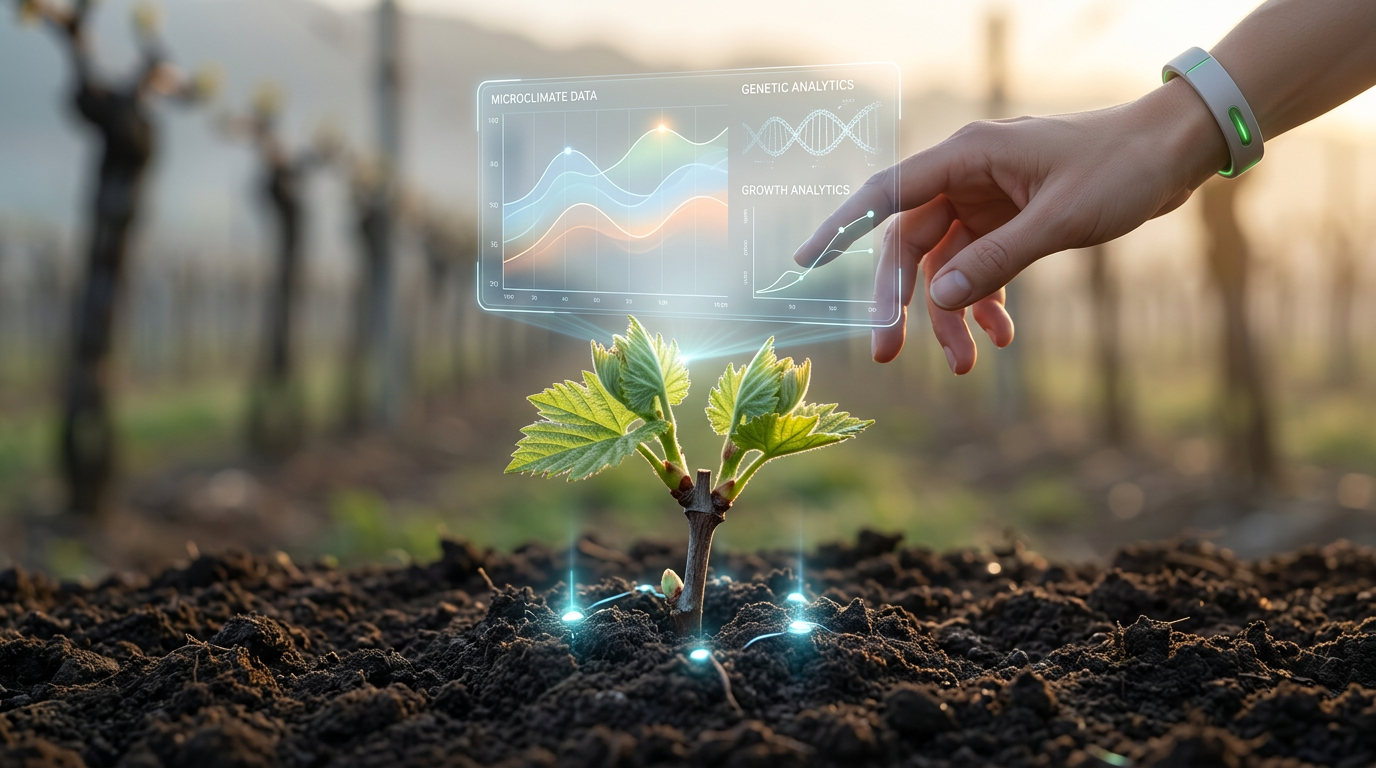
Climate is the foundational element that dictates grape ripeness, acidity, and aromatic profile. For old vines, this influence is magnified. Their extensive root systems can access water and nutrients from deeper soil layers, allowing them to endure conditions that might devastate younger plants. This resilience means they capture a more comprehensive picture of long-term climate trends.
The concept of 'vintage' itself is a direct acknowledgment of climate's variability. However, for old vines, it's not just about the weather of a single growing season. It's about the cumulative effect of decades, sometimes even centuries, of hot summers, cold winters, droughts, and ample rainfall that have shaped the very genetic makeup and physiological responses of these ancient plants. These historical patterns establish a baseline that profoundly affects present-day yields and grape composition. Further understanding of this 'vinous echo' can be found in discussions around The Art of the 'Phantom' Vintage: Decoding the Echoes of Lost Terroirs in 2026.
The Deep Roots of Resilience: How Old Vines Record History
- Ancestral Memory: Old vines develop extensive, deep root systems that act like historical archives, drawing on subsoil moisture and minerals that reflect geological and climatic events spanning generations.
- Adaptive Genetics: Over time, surviving vines naturally select for genetic traits that confer resilience against local historical climate stressors, influencing how they respond to current conditions.
- Terroir Amplification: The interaction between these established root systems and the specific soil matrix amplifies the expression of terroir, making old vine wines exceptionally reflective of their environment's past.
Phenological Shifts and Grape Physiology: The Historic Climate Wine Impact
Phenology, the study of cyclic and seasonal natural phenomena, is an area where the historic climate wine impact is strikingly evident. Earlier budburst, flowering, and veraison are not solely results of recent warming trends but also consequences of gradual shifts over decades.
These phenological shifts directly influence grape physiology. For instance, prolonged periods of warmth in previous centuries could have led to populations of vines that better tolerate higher temperatures, or conversely, those that adapted to cooler, wetter conditions. The grapes produced by these vines in 2026 carry that ancestral imprint, affecting their sugar content, acidity, tannin structure, and potential for longevity. This long-term adaptation is a testament to natural selection, as outlined in articles on the National Geographic Encyclopedia's entry on Natural Selection.
The balance between sugar accumulation and phenolic ripeness is particularly sensitive to historical climate. If a region experienced more extreme heatwaves periodically in the 19th or early 20th century, the old vines that survived may exhibit a different ripening curve today, potentially affecting alcohol levels and flavor development in the modern era.
Impact on Acidity and pH
One of the most critical aspects influenced by historical climate is the retention of acidity. Vines that evolved under cooler conditions may struggle to maintain adequate acidity in warmer years, whereas those adapted to warmer climates might produce grapes with naturally lower acidity.
The subtle interplay of malic and tartaric acids, alongside the overall pH of the grape must, dictates the wine's freshness, stability, and aging potential. Grapes from old vines, having endured diverse past climatic conditions, often exhibit a complex acid profile that is a testament to their survival and adaptation. Research from institutions like the Wine Scholar Guild on Climate Change and Wine further elaborates on these impacts.
The Evolution of Wine Styles: A Reflection of Historical Climate and Historic Climate Wine Impact
The very concept of traditional wine styles often owes much to the prevailing climate patterns of past centuries. Many appellations established their signature characteristics based on what was reliably achievable given the historical weather. For example, specific styles of Port, Sherry, or Barolo evolved in direct response to the climate's limitations and opportunities at the time of their inception.
Today, as we face new climatic realities in 2026, old vine wines act as living museums, showcasing grape characteristics shaped by centuries-old climate norms. This link between historic climate wine impact and evolving regional styles is profound. Understanding it helps us appreciate why certain varietals thrive in particular areas and how they express their unique terroir. For a broader perspective on how historical practices inform modern winemaking, see The Art of the 'Vinous Archaeologist': Unearthing and Reinterpreting Ancient Wine Production for 2026.
Winemakers tending old vines often strive to preserve these historical expressions, even as modern climates present new challenges. This dedication ensures that the 'vinous echo' of past weather conditions continues to resonate in the bottles we enjoy today, offering a taste of history with every sip.
Case Study: European Old Vine Regions vs. New World
- Europe's Established Norms: Regions like Burgundy, Bordeaux, and Mosel meticulously defined their grape varieties and winemaking practices over centuries when their climates were relatively stable. These styles are deeply ingrained.
- New World Adaptations: In contrast, newer wine regions often began with fewer historical constraints, allowing for more experimentation. However, their old vines, though fewer, also carry the impact of their unique climatic history, resulting in distinct expressions.
Adapting to the Future While Honoring the Past: 2026 and Beyond for Historic Climate Wine Impact
As we navigate the contemporary climate landscape in 2026, the insights gleaned from the historic climate wine impact on old vines become even more critical. Winemakers are increasingly studying these ancient plants for clues on how to build resilience into their vineyards. Techniques like dry farming, soil health management, and selecting specific clones may be informed by centuries-old practices that helped old vines survive past challenges. A prime example of such adaptive strategies is the focus on micro-oxygenation's role in sculpting wine identity for greater longevity and stability.
The wisdom embedded in these venerable vineyards serves as a guide for sustainable viticulture. By understanding how past conditions shaped these vines, producers can make informed decisions about canopy management, irrigation, and harvest timing to mitigate the effects of current and future climate shifts. The goal is to ensure that the heritage of these old vines continues to enrich the wine world for generations to come, allowing their complex narratives to unfold in every bottle.
Sustainable Practices Inspired by Old Vine Resilience
- Water Management: Old vines often thrive with minimal irrigation thanks to deep roots, inspiring modern dry farming initiatives.
- Biodiversity: Their long-term presence often fosters rich vineyard ecosystems, promoting biodiversity as a natural defense against pests and diseases.
- Terroir Preservation: Maintaining old vines is crucial for preserving unique expressions of terroir that cannot be replicated by younger plants.
The Consumer's Role: Appreciating the Historical Narrative of Historic Climate Wine Impact
For the wine enthusiast, appreciating the historic climate wine impact adds an immeasurable layer of depth to the tasting experience. When you savor an old vine wine from 2026, you are not just tasting the current vintage; you are tasting decades, if not centuries, of environmental history. Each bottle tells a story of adaptation, survival, and the enduring connection between a plant and its place.
This understanding elevates wine from a mere beverage to a cultural artifact, a liquid archive of nature's fluctuating rhythms. Seeking out old vine wines and learning about their origins allows consumers to engage more deeply with the craftsmanship, heritage, and the profound environmental narrative contained within every sip. It encourages a greater appreciation for the finite resources of ancient vineyards and the dedicated efforts required to preserve them. For deeper insights into global wine production and trends, resources like the International Organisation of Vine and Wine (OIV) provide valuable data and analyses.
Written by
Juniper Thorne is an experienced writer and educator with a deep passion for the world of wine. Bringing expertise in sensory analysis and wine culture to the Greatest Wine platform, Juniper helps readers explore and appreciate every nuance of wine.
Related Articles

The Cellar Architects: Mastering Elite Wine Preservation and Evolution in 2026
For the true connoisseur, wine is more than just a beverage; it's a living entity, an investment, and a passion. Mastering its preservation and evolution is an art form, especially in 2026 with new technologies and insights. Learn how to protect and enhance your cherished collection.
Juniper Thorne