The Art of the 'Vinous Breath': Exploring Micro-Oxygenation's Role in Sculpting Wine Identity for 2026
In 2026's dynamic winemaking landscape, micro-oxygenation is a pivotal technique. This controlled process, dubbed 'vinous breath', moves beyond simple aeration to subtly sculpt wine's identity. Winemakers leverage micro-oxygenation to refine texture, stabilize color, and develop complex aromas, demonstrating a blend of tradition and innovation for superior wine quality.

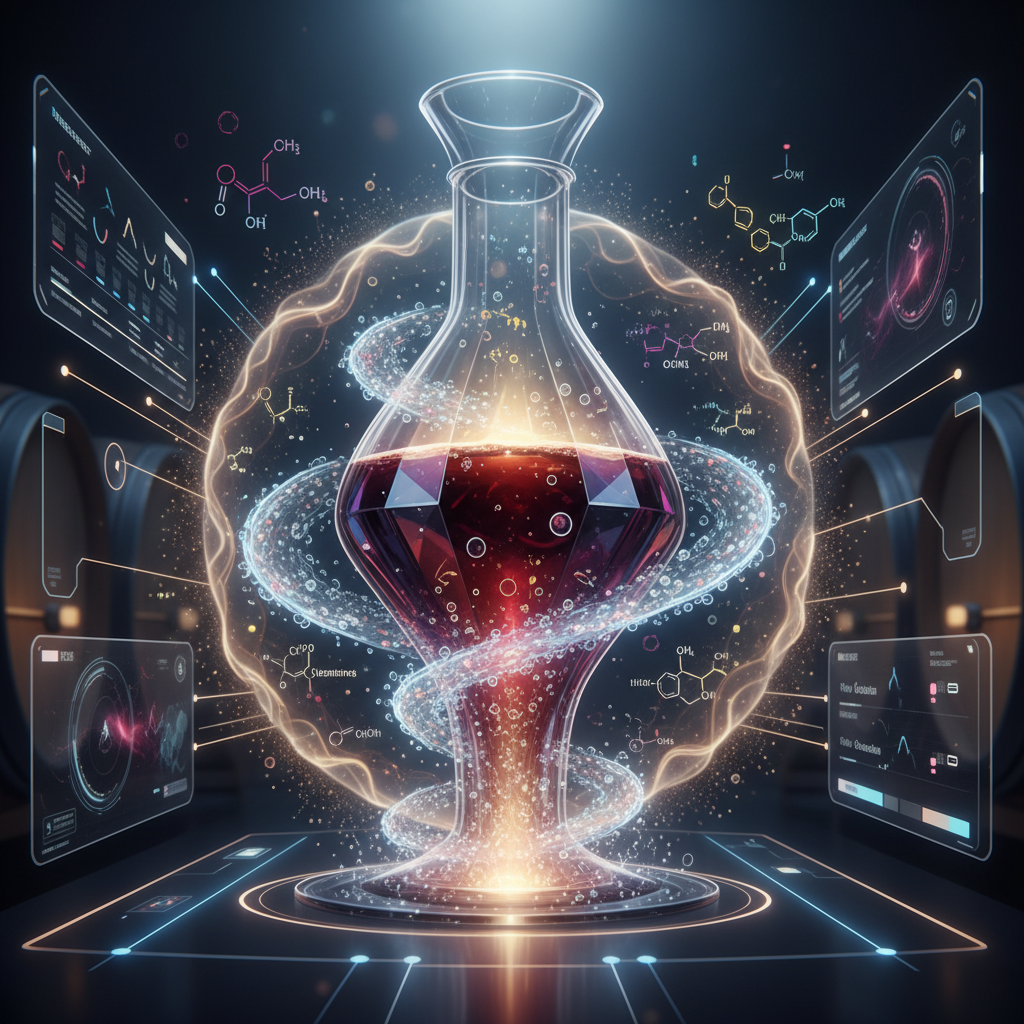
Micro-Oxygenation Wine: Sculpting Vinous Identity
In the intricate world of winemaking, where tradition often marries innovation, understanding techniques that shape the final product is paramount. One such transformative method gaining significant adoption and refinement is micro-oxygenation wine treatment. Far from simply exposing wine to air, this controlled process offers winemakers a delicate touch, influencing everything from color stability and tannin structure to aromatic complexity. As we navigate 2026, the strategic application of micro-oxygenation continues to redefine what’s possible in crafting exceptional wines, allowing for precise control over their evolution and ultimate expression. This technique plays a critical role in the winemaker's balance between science and spirit.
Understanding Micro-Oxygenation Wine: Core Principles
At its heart, micro-oxygenation wine involves the controlled introduction of minute quantities of oxygen into wine during specific production stages. This isn't about uncontrolled oxidation, which can lead to spoilage. Instead, it uses carefully calibrated doses that mimic the slow, natural oxygen ingress achieved through barrel aging. The primary goal is to accelerate desired chemical reactions, which would otherwise take longer, or to achieve effects not possible through traditional methods alone. Therefore, it's a vital modern technique, akin to accelerating aging intelligently.
The Science Behind Oxygen's Influence on Wine
Oxygen, in tiny amounts, acts as a catalyst for several crucial reactions in wine. These reactions are essential for improving the wine's overall quality and stability:
- Polymerization of Tannins: Oxygen facilitates the linking of smaller tannin molecules into larger ones. This process softens astringency and contributes to a smoother mouthfeel.
- Color Stabilization: Moreover, oxygen helps to fix anthocyanins (color pigments) with tannins, leading to more stable and vibrant red wine colors that are less prone to browning over time.
- Volatile Compound Management: It can help reduce undesirable reductive notes (e.g., thiols producing aromas of rubber or garlic) by breaking down precursor compounds, while simultaneously promoting the development of more desirable aromatic compounds, influencing the ephemeral aroma.
The careful balance is key; too much oxygen, or oxygen introduced at the wrong time, can lead to detrimental effects such as acetaldehyde formation, giving an apple cider-like aroma, or even premature aging. Thus, precision is critical for effective micro-oxygenation wine treatment.
Key Differences from Traditional Barrel Aging
While barrel aging also introduces oxygen, micro-oxygenation wine offers unparalleled precision. Barrels allow for passive, uncontrolled oxygen exchange, with the rate depending on factors like barrel age, wood type, and humidity. In contrast, micro-oxygenation uses specialized equipment to inject oxygen at precise flow rates, measured in milliliters per liter per month (mL/L/month), giving the winemaker direct command over the process. Clearly, this offers greater control and consistency for the final wine product.
When and Why Winemakers Employ Micro-Oxygenation
The timing of micro-oxygenation is as critical as the dosage itself. Winemakers strategically apply this technique at different stages throughout the winemaking process, each with a specific objective in mind. This adaptability makes it a powerful tool in a vintner's arsenal in 2026, enhancing the quality of micro-oxygenation wine.
Application During Fermentation
While less common than post-fermentation use, micro-oxygenation can be employed carefully during alcoholic fermentation. This helps to:
- Provide yeast with sufficient oxygen to complete fermentation vigorously, especially in high-sugar musts.
- Prevent the formation of reductive off-flavors that can sometimes appear in ferments with limited oxygen.
The challenge here is to introduce just enough oxygen to aid the yeast without promoting excessive oxidation of delicate aroma precursors, ensuring delicate balance.
Post-Fermentation and Before Malolactic Fermentation
This is a particularly popular stage for applying micro-oxygenation wine. At this point, the wine is still raw, and its tannins are often harsh. Introducing oxygen helps to:
- Soften Hard Tannins: Accelerate tannin polymerization, making red wines feel smoother and less astringent on the palate.
- Stabilize Color: Aid in the co-pigmentation of anthocyanins and tannins, improving color depth and stability.
- Reduce Sulfide Odors: Address any reductive aromas that may have developed during fermentation.
This intervention can significantly improve the wine's mouthfeel and visual appeal early in its life, resulting in a more refined product.
During Aging (Post-Malolactic Fermentation)
Even after malolactic fermentation, micro-oxygenation can be used to continue shaping the wine's structure and complexity. It can be applied:
- To further integrate tannins and develop a more harmonious texture.
- To encourage the evolution of complex aromatic profiles, moving beyond primary fruit notes towards secondary characteristics like spice, tobacco, or leather.
- As an alternative or supplement to barrel aging, particularly for larger format wines or those not destined for extensive wood contact.
The precision of the technique allows winemakers to 'fine-tune' the wine's development in a way that passive aging cannot always achieve. Therefore, it's a powerful tool for customization, enabling the crafting of sensory landscapes through blending.
Impact of Micro-Oxygenation on Wine Styles and Quality
The judicious use of micro-oxygenation wine can profoundly influence a wine's style and enhance its overall quality, offering winemakers greater creative control. It allows for the production of wines that are approachable earlier, yet still possess structure and aromatic depth.
Enhancing Red Wine Characteristics
For red wines, micro-oxygenation is particularly effective. It directly addresses common challenges such as:
- Astringency: By smoothing out harsh tannins, it creates wines with a more pleasant, velvety mouthfeel, making them more palatable in their youth.
- Color Fidelity: It helps maintain brilliant, deep reddish-purple hues, preventing premature browning and ensuring visual appeal.
- Aromatic Development: It can promote the development of complex fruit and savory notes while minimizing green or herbaceous characters.
This technique is not limited to specific varietals; it's used across a broad spectrum, from robust Cabernet Sauvignons to elegant Pinot Noirs, albeit with varying dosages and timings. Indeed, its versatility is a major advantage for crafting diverse micro-oxygenation wine styles.
Potential for White and Rosé Wines
While predominantly associated with red wines, micro-oxygenation also finds niche applications in white and rosé winemaking in 2026. For these wines, the goal is often different:
- Preserving Freshness (Rosé): Carefully controlled, low dosages can help stabilize color and prevent oxidation-related browning in delicate rosé wines, preserving their vibrant pink hues.
- Adding Complexity (White): For certain full-bodied white wines, like Chardonnay, a touch of oxygenation can help build mouthfeel and integrate oak characters, though extreme caution is necessary to avoid browning and loss of primary aromatics.
The application in white and rosé wines is less widespread and requires even more nuanced control to avoid undesirable oxidative notes. Hence, careful monitoring is essential. To delve deeper into general wine characteristics, consult resources like the Wine & Spirit Education Trust (WSET).
Challenges and Criticisms of Micro-Oxygenation Wine
Despite its many benefits, micro-oxygenation wine technology is not without its challenges and detractors. Like any powerful winemaking tool, its misuse can lead to detrimental outcomes, and philosophical objections sometimes arise concerning its "naturalness."
Risk of Over-Oxygenation
The most significant risk associated with micro-oxygenation is over-exposure to oxygen. This can lead to:
- Premature Aging: Rapid loss of fresh fruit characteristics and development of oxidative notes (nutty, sherry-like aromas).
- Color Browning: Especially in white and rosé wines, but also in red wines, causing them to lose their vibrant appearance.
- Loss of Finesse: Wines can become flat, dull, and lack the nuanced complexity that develops with slow, natural evolution.
Precise monitoring and skilled application are crucial to avoid these pitfalls. Winemakers often conduct trials and micro-batch testing to determine the optimal rates for their specific wines, thus minimizing risk. For more on scientific approaches to winemaking, the International Organisation of Vine and Wine (OIV) offers valuable insights into micro-oxygenation wine practices.
Concerns About "Naturalness" and Authenticity
Some traditionalists and proponents of "natural wine" movements view micro-oxygenation with skepticism. They sometimes deem it an interventionist technique that detracts from the wine's authenticity. They argue that wines should develop naturally, often favoring long-term barrel aging as the only acceptable method for oxygen exposure. This debate runs parallel to discussions around deconstructing 'natural' wine and technical intervention.
However, many modern winemakers see it as a tool that, when used wisely, can enhance the natural expression of the grape and terroir. This is especially true for wines made in stainless steel or large format vessels where natural oxygen ingress is minimal. It's a method that allows greater consistency and quality control in an unpredictable agricultural product, offering a balanced approach to micro-oxygenation wine.
The Future of Micro-Oxygenation Wine in 2026 and Beyond
As we advance into 2026, the technology and understanding surrounding micro-oxygenation wine continue to evolve. Research is ongoing, exploring even more precise ways to control oxygen delivery and its impact on various wine components. This includes refined equipment, better sensors, and a deeper scientific understanding of oxygen's role in specific chemical reactions within wine.
Technological Advancements and Precision
The future will likely bring even more sophisticated micro-oxygenation systems. These could potentially integrate artificial intelligence and machine learning to optimize oxygen dosage based on real-time wine analysis. Imagine systems that can automatically adjust oxygen flow rates based on pH, tannin levels, or even volatile aromatic compounds detected in the wine. Such advancements would further empower winemakers to sculpt wine identity with unprecedented precision, leading to even higher quality. For insights into emerging tech in wine, consider resources like Decanter magazine.
Integration into Sustainable Winemaking
As the wine industry increasingly focuses on sustainability, micro-oxygenation can play a significant role. By allowing winemakers to achieve desired structural and aromatic profiles without as much reliance on new oak barrels, it can potentially reduce the demand for new wood, which has environmental implications. Furthermore, by improving wine stability, it can help reduce spoilage and waste, aligning with broader sustainability goals. Consequently, it's a technique with a promising future.
Ultimately, micro-oxygenation wine remains a powerful and versatile tool. When used intelligently and with a deep understanding of its effects, it empowers winemakers to craft wines of enhanced quality, stability, and expressive character, ensuring that the "vinous breath" carefully sculpts the future of winemaking.
Written by
Juniper Thorne is an experienced writer and educator with a deep passion for the world of wine. Bringing expertise in sensory analysis and wine culture to the Greatest Wine platform, Juniper helps readers explore and appreciate every nuance of wine.
Related Articles

The Cellar Architects: Mastering Elite Wine Preservation and Evolution in 2026
For the true connoisseur, wine is more than just a beverage; it's a living entity, an investment, and a passion. Mastering its preservation and evolution is an art form, especially in 2026 with new technologies and insights. Learn how to protect and enhance your cherished collection.
Juniper Thorne