The Art of the 'Phantom' Vintage: Decoding the Echoes of Lost Terroirs in 2026
In 2026, the concept of 'phantom vintage wine' continues to captivate; these aren't just rare bottles. They represent wines whose existence is debated, whose production was shrouded in mystery, or whose characteristics defy typical classification. For serious connoisseurs and curious adventurers, decoding these echoes of lost terroirs offers an unparalleled journey into viticultural history and intrigue. Explore the enigma.

Unearthing the Enigma: Decoding the Phantom Vintage Wine in 2026
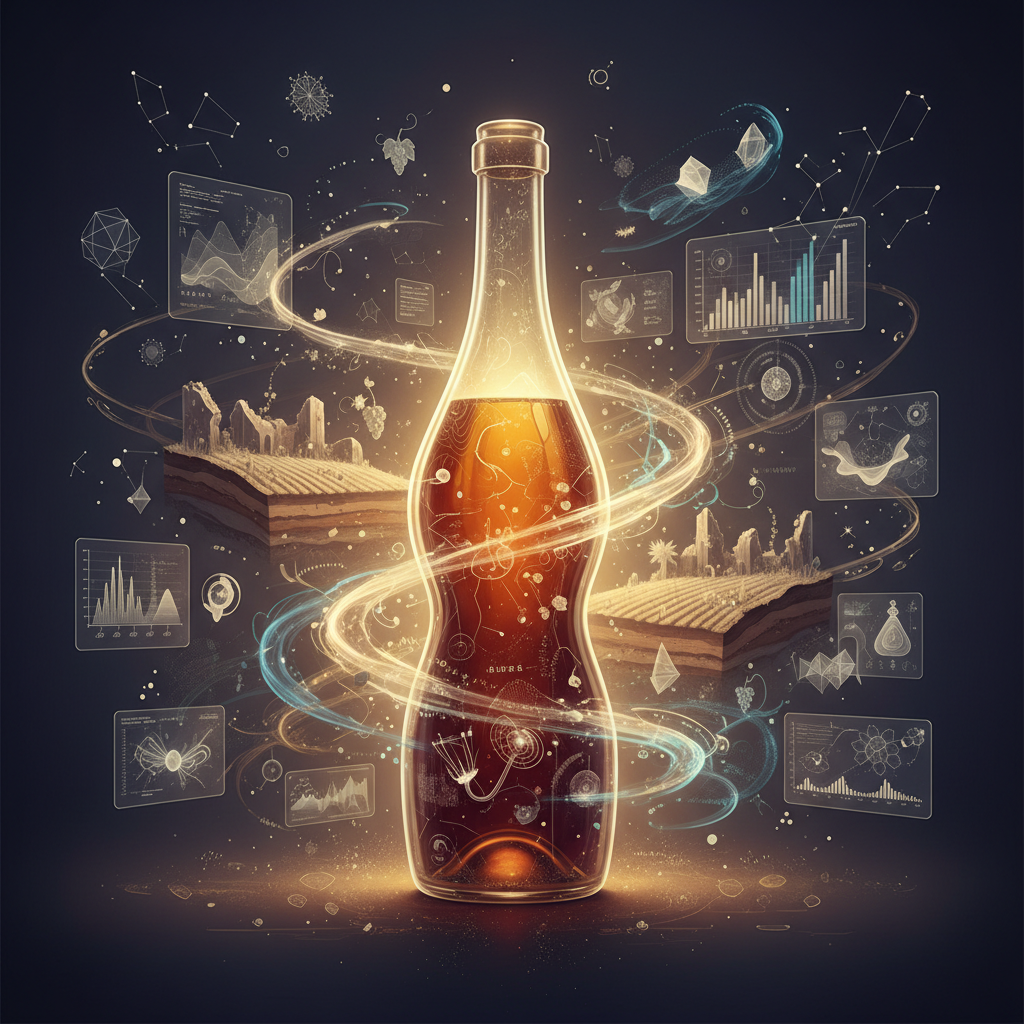
In the vast, intricate world of viticulture, there exists a concept that truly captivates the imagination: the phantom vintage wine. This isn't just about a rare bottle or a limited release; it delves into the mystical realm of wines whose existence is debated, whose production was shrouded in mystery, or whose characteristics defy typical classification. For serious connoisseurs and curious adventurers alike, understanding the phenomenon of a phantom vintage wine offers a unique window into the history, challenges, and enduring allure of winemaking, especially as we navigate the evolving landscape of 2026.
What Defines a Phantom Vintage Wine?
The term "phantom vintage" can be interpreted in several fascinating ways. It often refers to wines from years where a specific region or vineyard officially declared no vintage due to adverse weather conditions, yet a small, exceptional batch was secretly produced. Other times, it describes wines from vineyards long lost to history, whose bottles occasionally resurface, offering a taste of a bygone era. Sometimes, it's about a wine whose origins or blend are so obscure that its very existence seems almost mythological. This sense of mystery often requires a, balancing of science and spirit , much like a winemaker's intuition in crafting 2026's best vintages.
The Secret Production Theory
One of the most romantic interpretations of a phantom vintage wine involves clandestine production. Imagine a year devastated by hail, frost, or unseasonal rains where the official decree was "no vintage." However, a determined winemaker, perhaps with an unusually resilient micro-terroir or a small, sheltered plot, managed to salvage a minuscule quantity of exceptional grapes. These might have been vinified in secret, aged quietly, and released years later, often without official recognition, becoming a legend whispered among collectors. This "unseen" influence of human factors on terroir profoundly shapes a wine's identity in 2026.
The Lost Vineyard Hypothesis
Another compelling aspect is the idea of wines from vineyards that no longer exist. Urban sprawl, changing agricultural practices, or even natural disasters have erased countless historic vineyards. When a bottle emerges from such a lost site, it’s not just a wine; it's a historical artifact. The possibility of tasting a phantom vintage wine from such a location offers an unparalleled connection to the past. These discoveries often evoke a desire to recreate historic wine flavors, a fascinating pursuit in 2026.
The Mysterious Blend and Origin
Occasionally, a wine bottle appears with an unknown origin or a blend that simply doesn't fit standard classifications. These could be experimental batches, forgotten barrels, or even wines made by eccentric producers who chose not to follow established norms. The mystery surrounding their creation elevates them to the status of a phantom vintage wine, intriguing collectors and academics alike. Understanding how to craft sensory landscapes through blending is an art in itself, even for these enigmatic wines.
The Thrill of the Hunt: Discovering a Phantom Vintage Wine
For many wine enthusiasts, the pursuit of a phantom vintage wine is as exhilarating as the tasting itself. It's an archaeological expedition, a detective story, and a treasure hunt all rolled into one. This pursuit often involves extensive research, networking with other collectors, and a keen eye for subtle clues.
Deep Dive into Archival Records
Serious hunters of a phantom vintage wine often pore over historical weather reports, old winery ledgers, and obscure regional publications. These documents can sometimes reveal anomalies – brief mentions of small, unrecorded vinifications or unusual vineyard plantings that hint at something extraordinary. The digital age, even in 2026, still has gaps, and these physical archives hold invaluable secrets. For insights into modern chronicling, explore The Art of the Sommelier's Journal in 2026.
Connecting with Seasoned Collectors
The community of high-end wine collectors is often a crucial resource. Many have private cellars containing wines passed down through generations, some of which might be undocumented. Stories and rumors spread within this network can often lead to the discovery of a legitimate phantom vintage wine. Trust and reputation are paramount in such circles. Engaging with such networks requires navigating the global secondary wine market in 2026.
Auction Houses and Private Sales
While rare, every so often a bottle fitting the description of a phantom vintage wine appears at auction. These events are often highly anticipated, generating significant buzz. Due diligence is critical, as fakes are always a risk, but the potential reward of owning a piece of vinous history is immense. Private sales, often facilitated through specialist brokers, are another common avenue. The increasing importance of blockchain provenance and AI-powered authenticity in 2026 helps mitigate these risks.
Tasting the Unseen: Sensory Analysis of Phantom Vintages
If you are fortunate enough to encounter and open a phantom vintage wine, the tasting experience transcends mere pleasure; it becomes an act of interpretation and historical communion. These wines often present extraordinary characteristics due to their unique origins.
Aroma and Bouquet
A key aspect of tasting any aged wine, especially a phantom vintage wine, is its aromatic development. Expect complex tertiary aromas like dried fruits, leather, tobacco, forest floor, and truffle. However, with phantom vintages, observers might also detect unexpected notes – perhaps faint hints of unique yeasts, unusual barrel treatments, or even terroir expressions that are no longer present in modern wines from the same region. This goes beyond mere taste buds, tapping into olfactory memory for the sommelier's palate in 2026.
Palate and Structure
The palate of a phantom vintage wine can be a revelation. While age often mellows tannins and acidity, some phantom vintages might exhibit surprising vitality and freshness, suggesting exceptional grape quality or winemaking techniques that preserved their integrity. Conversely, others might present a profound sense of aged elegance, with integrated flavors and a long, lingering finish that speaks volumes about their journey through time. This profound experience often depends on the delicate balance a winemaker achieves, such as sculpturing flavor with indigenous yeast and minimal intervention in 2026.
The Emotional and Historical Connection
Beyond the technical aspects, tasting a phantom vintage wine is a profoundly emotional experience. It’s a moment of connection with a specific time, a particular place, and the unseen hands that crafted it. This emotional resonance is arguably the most significant characteristic of such wines, offering a narrative with every sip. For wine professionals, it's about mastering the art of contextual storytelling in 2026 wine service.
Caring For and Authenticating a Phantom Vintage Wine in 2026
Acquiring a phantom vintage wine is only the first step. Proper care and, crucially, authentication are paramount to preserving its value and integrity. As technology advances in 2026, so do the methods for both.
Optimal Storage Conditions
Like all fine wines, a phantom vintage wine requires stable, cool temperatures (around 12-14°C or 53-57°F), consistent humidity (70-80%), darkness, and vibration-free storage. Cellars, professional wine storage facilities, or purpose-built wine refrigerators are essential. Any deviation can rapidly degrade a fragile older bottle. Understanding how to manage such fragile bottles is key to crafting an enduring legacy through library wines in 2026.
Authentication Challenges and Technologies
Authenticating a phantom vintage wine is a complex process. Traditional methods involve examining labels, corks, bottle shapes, and fill levels. Expert eyes can spot inconsistencies that indicate a fake. However, in 2026, advanced techniques are gaining traction:
- Chemical Analysis: Some laboratories can perform non-invasive chemical analyses of the wine itself or the cork to determine age and origin.
- Isotope Analysis: This can help verify the geographical origin of the grapes, matching them to historic data for specific regions.
- Blockchain and NFT Technology: For newly discovered or authenticated phantom vintages, secure digital provenance tracking using blockchain or NFTs can provide an immutable record of ownership and history, preventing future counterfeiting once a bottle's authenticity is established. This represents a significant step towards wine's digital twin.
- Expert Provenance Research: Ultimately, the most reliable authentication still comes from meticulous historical research into the bottle's chain of custody, seeking clear and verifiable ownership records from its likely point of origin to its current holder.
The Ethical Considerations of Phantom Vintages
The allure of a phantom vintage wine also raises ethical questions regarding its market value, whether its story is embellished, and the responsibility of its owner to preserve or share its legacy. These are not merely commodities but cultural treasures.
The Enduring Legacy of Phantom Vintage Wine
In 2026, as the wine world becomes increasingly transparent and regulated, the concept of a phantom vintage wine remains a powerful symbol of mystery, resilience, and the unpredictable beauty of nature and human endeavor. These wines remind us that despite all our knowledge and technology, there are still secrets held by the past, waiting to be discovered and savored. The quest for such treasures is a testament to the enduring human fascination with the unknown and the exceptionally rare. To learn more about vintage wines, check out this in-depth resource from Wikipedia on Wine Vintage, or explore the impact of disappearing wineries. For those interested in wine preservation, the University of California Press offers insights into wine as an agricultural product and its long-term care.
Whether born from a winemaker's defiant spirit against impossible odds, unearthed from a vineyard long swallowed by time, or shrouded in a captivating narrative, a phantom vintage wine offers more than just a taste; it offers a story, a connection to history, and a glimpse into the profound depths of wine's soul. For serious enthusiasts and those new to the journey, embracing the enigma of the phantom vintage wine enriches our understanding and appreciation of this timeless beverage.
Written by
Juniper Thorne is an experienced writer and educator with a deep passion for the world of wine. Bringing expertise in sensory analysis and wine culture to the Greatest Wine platform, Juniper helps readers explore and appreciate every nuance of wine.
Related Articles
The Cellar Architects: Mastering Elite Wine Preservation and Evolution in 2026
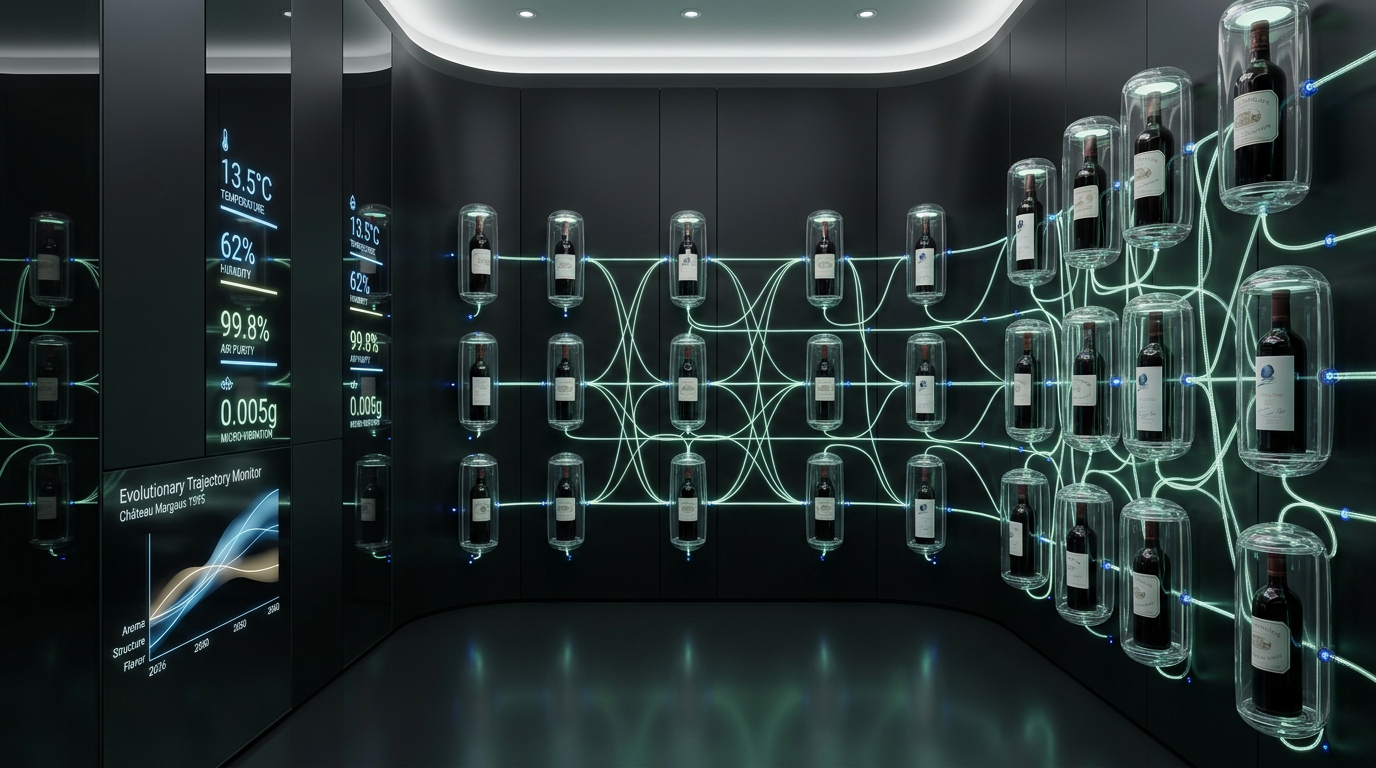
For the true connoisseur, wine is more than just a beverage; it's a living entity, an investment, and a passion. Mastering its preservation and evolution is an art form, especially in 2026 with new technologies and insights. Learn how to protect and enhance your cherished collection.
Juniper Thorne