The Art of the 'Invisible' Hand: The Unseen Influence of Human Factors on Terroir and 2026's Wine Identity
In the intricate world of winemaking, while natural elements like soil and climate are crucial, the human influence on terroir is equally profound. This article delves into how human decisions, traditions, and innovations shape the very identity of a wine, profoundly impacting the global wine landscape as we navigate 2026.

The Art of the 'Invisible' Hand: The Unseen Human Influence on Terroir and 2026's Wine Identity
In the intricate world of winemaking, the concept of terroir often evokes images of sun-drenched vineyards, ancient soils, and specific microclimates. While these natural elements are undeniably crucial, a deeper dive reveals that the human influence on terroir is just as profound, if not more so, shaping the very identity of a wine. As we navigate 2026, understanding this dynamic interplay is essential for appreciating the full spectrum of wine character, moving beyond mere geography to acknowledge the indelible mark of human decision-making. This exploration delves into how human actions profoundly impact and define terroir.
Defining Terroir Beyond Purely Natural Factors: The Pervasive Human Influence on Terroir
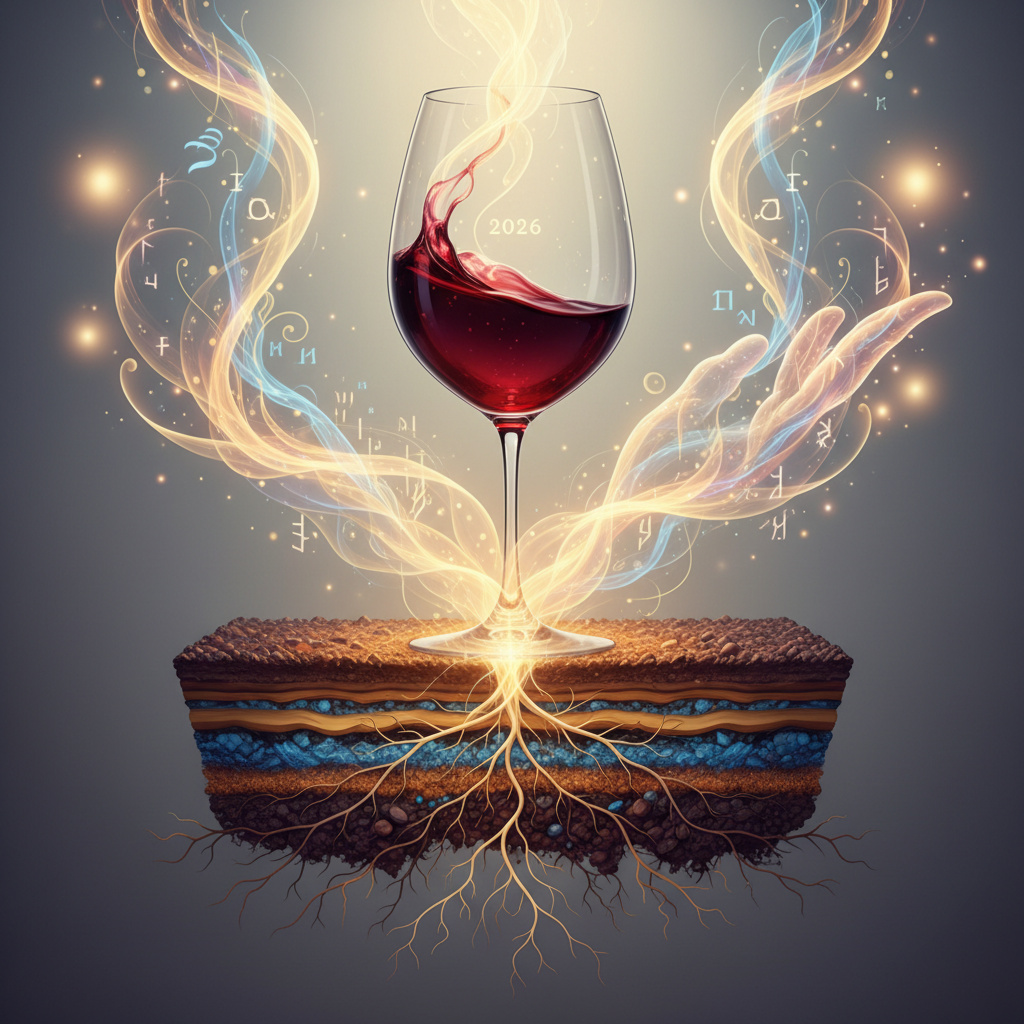
Traditionally, terroir is understood as the sum of effects a local environment has on a particular wine's production. This includes factors like climate, soil composition, topography, and subsoil. However, this definition often overlooks the critical role of human intervention. Indeed, human action acts as a powerful modifying force upon these natural foundations. Without human involvement, grapes remain grapes; it is cultivation, craft, and culture that transform them into wine.
The concept of an "invisible hand" is particularly apt here. From centuries-old vineyard management practices to modern innovative techniques, human decisions consciously and unconsciously sculpt the expression of a given site. These decisions dictate not only what is grown but also how it is grown, processed, and ultimately presented. The profound human influence on terroir is evident in every bottle.
Historical Cultivation & Varietal Selection: A Key Human Influence on Terroir
For millennia, humans have been selecting and propagating specific grape varietals best suited to certain regions. This isn't a random act but a deliberate choice. Often, these choices are based on trial and error, resilience to local conditions, and desired wine styles. The widespread planting of Cabernet Sauvignon in Bordeaux, for instance, isn't solely a natural outcome. Instead, it's the result of strategic viticultural planning over generations. This long-term varietal selection represents a significant human influence on terroir.
- Early civilizations experimented with native grapevines, refining choices based on taste and yield.
- Monks and landowners meticulously documented vineyard performance, leading to informed planting decisions.
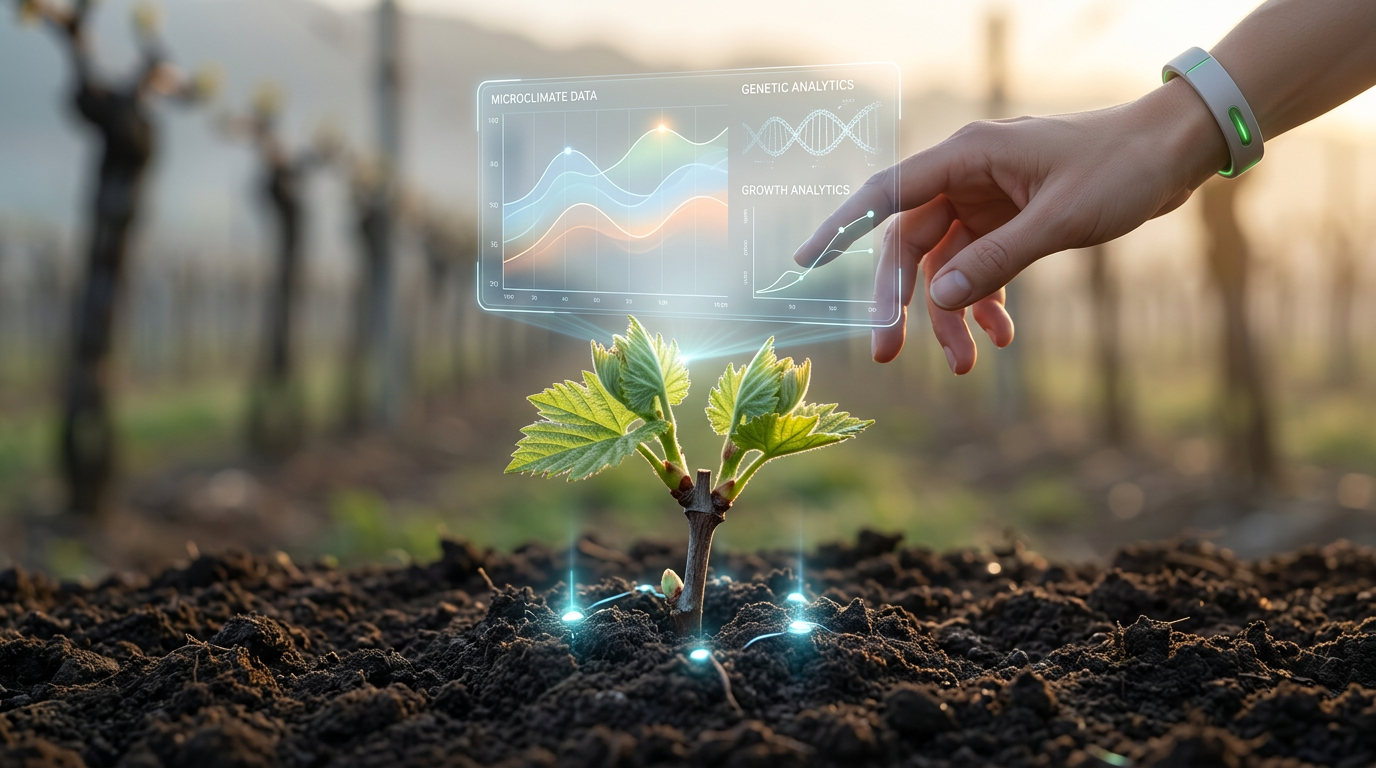
- Modern genetic research continues to influence clonal selection in 2026, further optimizing varietal expression within a specific terroir. For deeper insights, explore The Quantum Leap of Ancestral Grapes.
Vineyard Management Practices: Shaping the Landscape and Wine
The daily, seasonal, and annual decisions made in the vineyard are perhaps the most direct examples of human influence on terroir. Pruning techniques, canopy management, irrigation (or lack thereof), pest control, and harvest timing all have a dramatic impact on grape quality and, consequently, wine character. A vineyard's landscape itself is often a testament to human engineering, from ancient terrace systems to modern trellising.
Consider the difference between a high-yield, machine-harvested vineyard and a low-yield, hand-tended plot in the same region. While the natural elements of terroir are identical, the wines produced can be vastly different due to human choices. These practical decisions contribute significantly to the unique characteristics attributed to a specific terroir.
- Pruning: Controls vine vigor and yield, concentrating flavors in fewer berries.
- Canopy Management: Influences sun exposure, air circulation, and ripeness levels.
- Soil Management: Organic farming, biodynamics, and cover cropping all alter soil health and microbial life. The invisible architects of this can be found in Beyond the Grape: Exploring the Unseen Ecosystem of Biodiversity in Vineyards by 2026.
The Winemaker's Art: Transforming Grapes into Identity Through Human Influence on Terroir
Once grapes leave the vine, the winemaker's expertise becomes the dominant form of human influence on terroir. The cellar, though separate from the vineyard, is where the raw potential of the land is finally realized and interpreted. Winemaking decisions, from fermentation vessels to aging regimes, are critical expressions of human artistry and philosophy.
Even in 2026, with advanced technology, the fundamental choices made by the winemaker remain profoundly individual. Two winemakers using grapes from the same terroir can produce vastly different wines based on their stylistic preferences and technical approaches. This is precisely where the interpretation of terroir truly comes alive.
Fermentation & Yeast Choices: Crafting Flavor
The decision to use natural, ambient yeasts or introduce cultured strains profoundly impacts the aromatic and textural profile of a wine. Spontaneous fermentation, for example, often reveals a more complex and nuanced character. This directly reflects the microbial biodiversity of the vineyard and cellar – a human decision to allow natural processes to dominate.
Temperature control during fermentation also plays a pivotal role, influencing aroma retention and extraction. These seemingly technical decisions are, in fact, artistic choices that shape the final wine’s expression of its origin.
Aging & Maturation Decisions: Enhancing Terroir
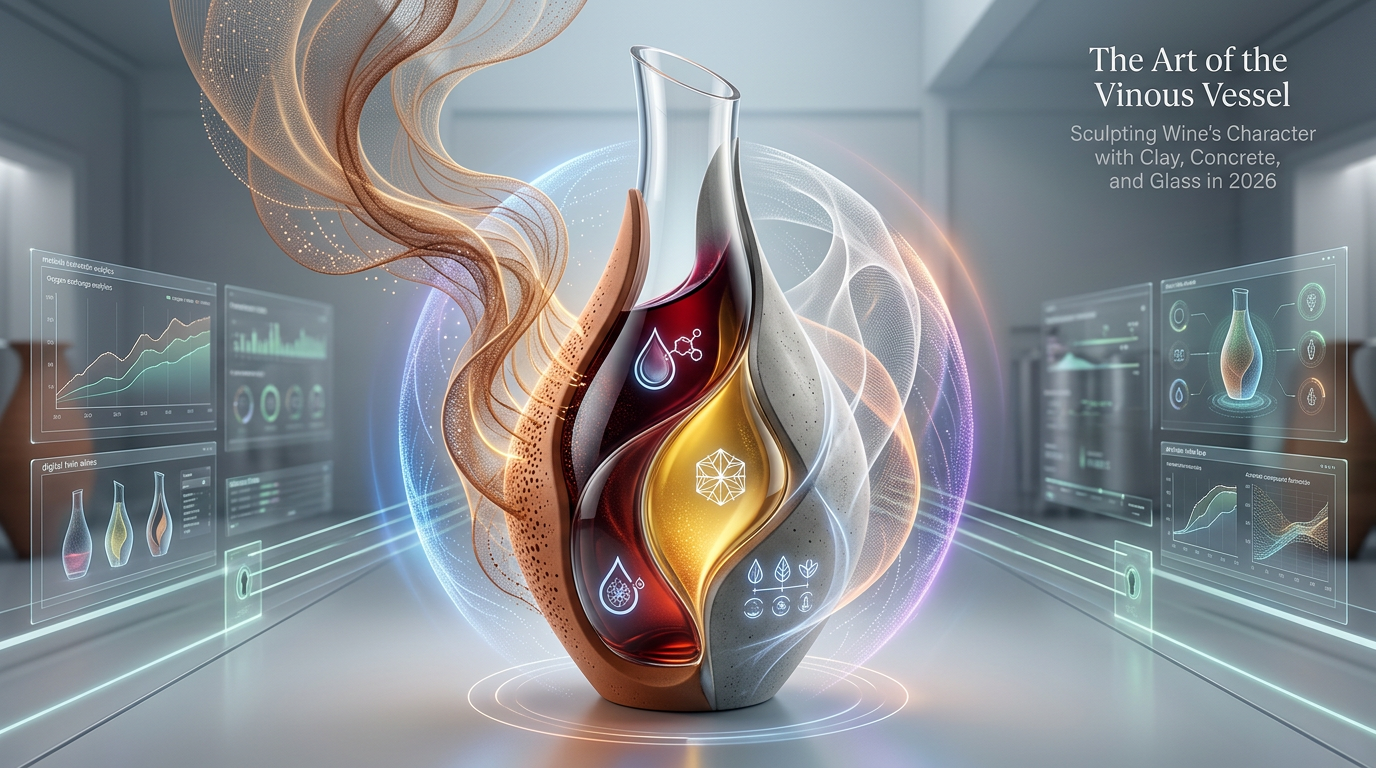
The choice of aging vessel (oak, stainless steel, concrete, amphora), the duration of aging, and subsequent blending decisions are all critical components of the human influence on terroir. Oak, in particular, can impart significant flavors, textures, and structural elements that overlay or enhance the natural fruit characteristics of the grapes.
The skillful blending of different vineyard parcels or even different varietals within a specific appellation is another art form. It allows winemakers to craft a wine that represents their ideal expression of the region, often aiming for balance, complexity, and longevity.
For example, a winemaking team in 2026 might choose new French oak for a particular Cabernet Sauvignon. They do this, aiming for specific textural and aromatic contributions, to complement the fruit profile inherent to their vineyard site. This is a deliberate enhancement of terroir. More on this creative process can be explored in The Art of the Winemaker's 'Happy Accident': Serendipity and Innovation in Crafting 2026's Exceptional Wines.
Socio-Economic Factors & Regulatory Frameworks: Broadening the Scope of Human Influence on Terroir
Beyond the direct actions in the vineyard and cellar, broader socio-economic and regulatory factors exert a significant, though often indirect, human influence on terroir. Appellation systems, market demands, and even cultural traditions dictate what can be grown, how it can be labeled, and ultimately how a region's wines are perceived and valued.
These external pressures guide decisions about vineyard expansion, varietal shifts, production volumes, and stylistic evolution. A region's history, its legal framework, and its economic drivers all contribute to the identity of its wines, intertwining inextricably with the natural landscape.
Appellation Systems (AOC, DOC, AVA): Defining Boundaries
Regulatory bodies like France's AOC or Italy's DOC are designed to protect and define regional wine styles. Often, they prescribe permitted varietals, pruning methods, maximum yields, and even aging requirements. While intended to safeguard terroir, these rules are entirely human constructs. They can significantly limit or direct how terroir is expressed. They establish boundaries and traditions that shape generations of winemaking.
For instance, an appellation might mandate minimum alcohol levels or specific aging in oak. This forces winemakers to adapt their practices to meet these requirements, thereby influencing the final wine's character and the perception of that terroir. You can learn more about these global frameworks in The Art of the Unwritten Rules: Decoding the Etiquette of Global Wine Culture in 2026.
Market Demands & Consumer Trends: Adapting to Tastes
Consumer preferences, both locally and globally, play a considerable role in shaping wine styles. If the market demands lighter, fresher wines, producers might adapt their viticultural and winemaking practices to achieve this. This can happen even within traditionally full-bodied regions. The rise in popularity of natural wines in 2026, for example, has led many producers to rethink chemical interventions, showcasing a direct market-driven human influence on terroir.
The pursuit of specific awards or critical scores can also influence winemaking decisions. This can lead to styles that are optimized for certain palates rather than necessarily being the purest expression of a site. This complex interaction between commerce and craft is an undeniable aspect of terroir. The evolving global wine trends and sensory science are reshaping what is considered "good taste" as discussed by Wine Institute.
Environmental Stewardship and the Future of Terroir
As concerns about climate change and sustainability grow, the human influence on terroir takes on new dimensions. Winemakers are increasingly adopting practices that aim to mitigate environmental impact and preserve the long-term health of their vineyards. This includes organic and biodynamic farming, water conservation, and promoting biodiversity.
These conscious decisions reflect a deeper understanding of the delicate balance within an ecosystem and how human actions can either enhance or degrade it. The future of terroir will undoubtedly be shaped by our collective commitment to responsible stewardship, ensuring that these unique wine regions can thrive for generations to come.
- Sustainable Practices: Reducing chemical use, conserving water, and managing waste.
- Climate Change Adaptation: Exploring drought-resistant varietals or adjusting vineyard layouts.
- Biodiversity Promotion: Creating habitats for beneficial insects and fostering healthy soil microbiomes.
Conclusion: The Inseparable Partnership for Terroir in 2026
In conclusion, while the natural elements of soil, climate, and topography form the fundamental bedrock of terroir, it is the constant and multifaceted human influence on terroir that truly completes its definition. From historic varietal selection and meticulous vineyard management to skillful winemaking and the impact of socio-economic and regulatory frameworks, human intervention is the "invisible hand" that guides and shapes the expression of a site.
As we appreciate a glass of wine in 2026, understanding this symbiotic relationship allows for a deeper, richer appreciation of its character. It's not just a taste of the land, but a taste of generations of human knowledge, artistry, and decision-making, beautifully interwoven with nature's bounty. The best wines are, after all, a testament to this inseparable partnership, where nature provides the stage and humanity directs the play. For further exploration of how humans are shaping the future of wine, consider insights from critical wine publications like Decanter or academic resources such as Wine Scholar Guild.
Written by
Juniper Thorne is an experienced writer and educator with a deep passion for the world of wine. Bringing expertise in sensory analysis and wine culture to the Greatest Wine platform, Juniper helps readers explore and appreciate every nuance of wine.
Related Articles

The Cellar Architects: Mastering Elite Wine Preservation and Evolution in 2026
For the true connoisseur, wine is more than just a beverage; it's a living entity, an investment, and a passion. Mastering its preservation and evolution is an art form, especially in 2026 with new technologies and insights. Learn how to protect and enhance your cherished collection.
Juniper Thorne