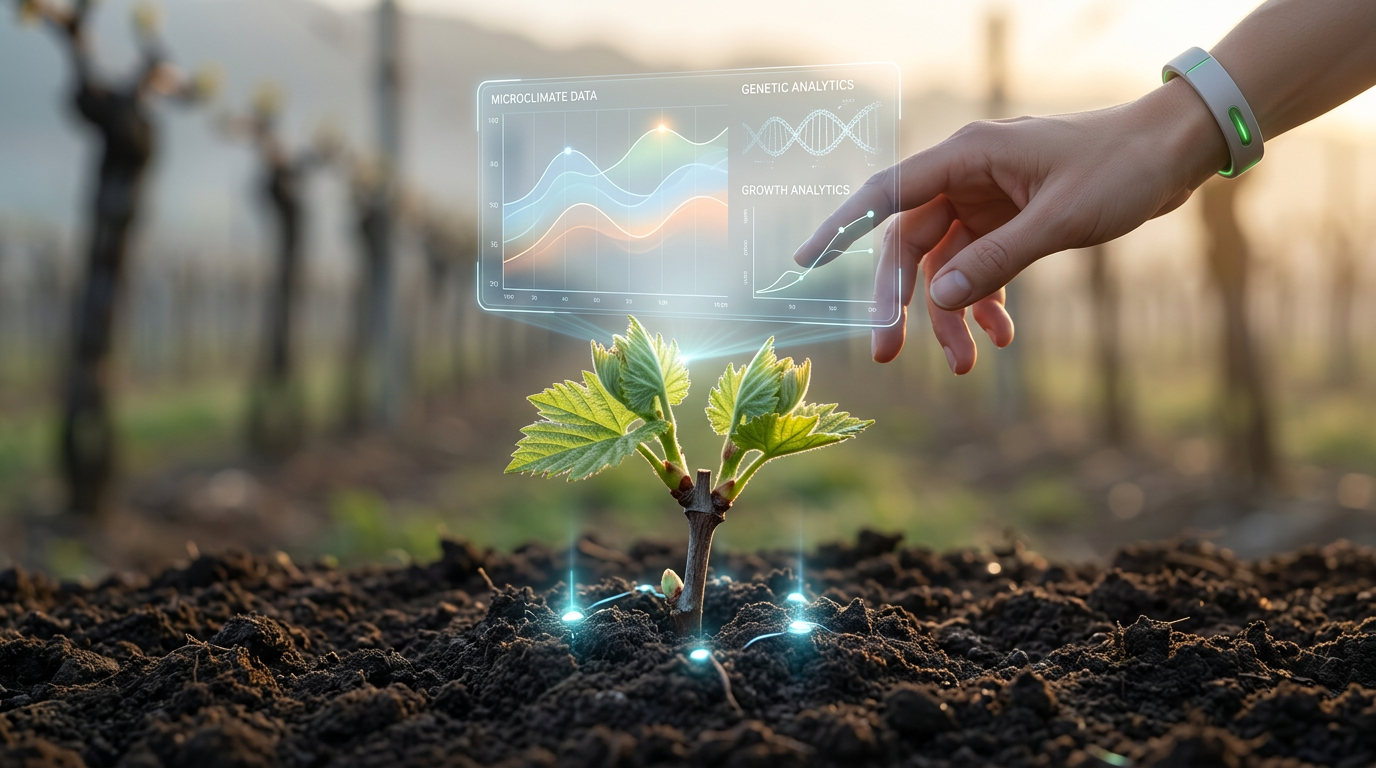
The Art of the Soil Microbe: Unseen Architects of Terroir and Wine Complexity in 2026
In 2026, the vital role of soil microbes in shaping wine terroir and complexity is gaining significant recognition within viticulture. These microscopic organisms—bacteria, fungi, archaea, and protozoa—act as unseen architects, profoundly influencing vine health, nutrient availability, and the distinctive characteristics ultimately expressed in the wine. Understanding their intricate contributions is key to unlocking new levels of wine quality and sustainability.

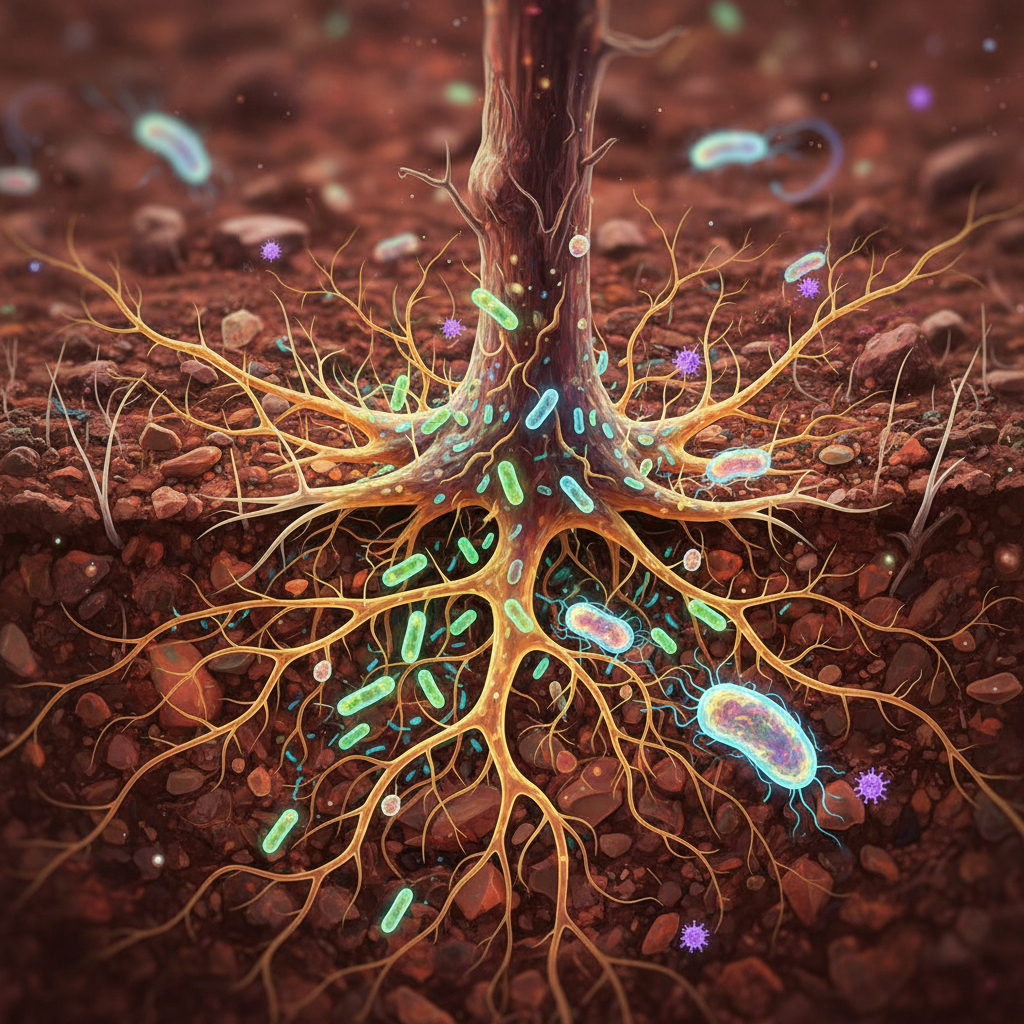
The Art of the Soil Microbe: Unseen Architects of Terroir and Wine Complexity in 2026
In the intricate world of viticulture, the concept of terroir is often discussed in terms of climate, geology, and topography. However, an increasingly recognized, yet often invisible, component is the profound influence of soil microbes on wine production. These microscopic organisms – bacteria, fungi, archaea, and protozoa – are the unseen architects toiling beneath the surface, orchestrating a complex symphony that defines the unique characteristics, flavors, and aromas of the wines we savor. As we delve into 2026, scientific advancements are continually unveiling the critical roles these microbial communities play in vine health and, ultimately, the final product in our glass.
This evolving understanding of vineyard ecosystems is pushing the boundaries of what is possible, similar to The Art of the Winemaker's 'Happy Accident', where unexpected factors lead to exceptional results. The deeper we look, the more we realize that wine's complexity is a confluence of countless variables.
Understanding the Ecosystem of Soil Microbes in Wine Vineyards
Vineyards are not just fields of grapevines; they are vibrant, living ecosystems. The soil itself is a bustling city of microorganisms, each playing a specific role in nutrient cycling, plant protection, and soil structure. This subterranean biodiversity is astonishing, with a single gram of healthy vineyard soil potentially containing billions of microbial cells.
These microbial communities form a dynamic network, interacting constantly with the grapevine roots through symbiotic relationships. They are crucial for breaking down organic matter, converting essential nutrients into forms accessible by the vine, and even buffering against environmental stresses. Without these tireless workers, the vine's ability to thrive and produce high-quality fruit would be severely compromised.
The Rhizosphere: A Hotspot of Microbial Activity
The rhizosphere, the narrow region of soil directly influenced by root exudates, is a biodiversity hotspot. Vine roots release sugars, amino acids, and organic acids, which act as food for specific microbial populations. In return, these microbes assist the vine in various ways, such as:
- Nutrient Solubilization: Converting insoluble phosphorus and potassium into plant-available forms.
- Nitrogen Fixation: Certain bacteria can convert atmospheric nitrogen into ammonia, a vital nutrient for vine growth.
- Pathogen Suppression: Beneficial microbes can outcompete or directly inhibit the growth of harmful pathogens, acting as natural biocontrol agents.
The health and composition of the microbial community in the rhizosphere are direct indicators of soil health, which in turn influences vine vigor and fruit quality for future soil microbes wine vintages. This intricate connection between soil health and grape quality mirrors discussions around the future of terroir in emerging wine regions, where environmental factors are reshaping viticulture.
Fungi: Mycorrhizal Networks and Beyond
Among the most impactful soil microbes vineyards host are fungi, particularly mycorrhizal fungi. These fungi form symbiotic associations with grapevine roots, extending the root system's reach and enhancing its ability to absorb water and nutrients, especially phosphorus. They create vast underground networks, sometimes referred to as the "wood wide web," facilitating communication and nutrient transfer between plants.
Beyond mycorrhizal fungi, other fungal species contribute to organic matter decomposition and nutrient cycling. The diversity and abundance of fungal communities are increasingly being recognized as key indicators of terroir, contributing to the unique flavor signature of a vineyard's wines.
The Direct Impact of Soil Microbes on Wine Flavor Profile
While the indirect impact of soil microbes on vine health and nutrient uptake is well-established, there's growing evidence of their more direct influence on the chemical composition of grapes and, consequently, the final wine. These tiny organisms can alter the production of aromatic precursors within the grape, shaping the sensory experience of the finished product.
For instance, specific microbial communities have been linked to the prevalence of certain volatile compounds in grapes, which ultimately translate into specific aromas in the wine. This intricate interplay between soil microbiology and grape metabolism is a frontier of ongoing research as we progress through 2026, offering new insights into the nuances of terroir.
Terpenes and Thiols: Microbial Contributions to Aroma
Terpenes, responsible for floral and citrus notes in many wines (e.g., Muscat, Riesling), and thiols, contributing to intense passion fruit and boxwood aromas (e.g., Sauvignon Blanc), are aromatic compounds whose synthesis can be influenced by microbial activity. Certain bacteria and fungi in the soil can enhance the vine's ability to produce these important precursors, subtly but significantly shaping the wine's aromatic profile.
Understanding these microbial pathways opens new avenues for viticulturists to manage their vineyards in a way that encourages beneficial microbial communities, thereby enhancing desired aromatic characteristics in their soil microbes wine. This fine-tuning of flavor profiles is a testament to the craft and philosophy of today's winemakers, who continuously seek to express their unique vision.
Mineral Uptake and Sensory Perception
The bioavailability of essential minerals in the soil is largely mediated by microbial activity. These minerals, when assimilated by the vine, can influence the grapes' acidity, sugar content, and even the phenolic compounds that contribute to color and tannin structure. While not directly tasting "soil," the altered mineral profile due to microbial action can manifest as subtle differences in mouthfeel, freshness, and overall balance in the wine.
This goes beyond simple nutrient provision; it's about the unique combination and availability of trace elements, sculpted by microbial communities, that impart a distinct signature to wines from specific terroirs. For more on the unseen aspects of vineyard health, consider Beyond the Grape: Exploring the Unseen Ecosystem of Biodiversity in Vineyards by 2026.
Cultivating Beneficial Soil Microbes: Wine Practices in Modern Viticulture
Recognizing the immense value of soil microbiology, modern viticulture is increasingly adopting practices that foster healthy and diverse microbial communities. Moving away from heavy chemical interventions, winemakers are embracing sustainable and regenerative approaches that nurture the soil as a living entity. This shift is not just environmentally responsible; it's a strategic move to enhance wine quality and express terroir more authentically.
In 2026, there's a strong emphasis on practices that support the delicate balance of the vineyard ecosystem, leveraging the power of soil microbes wine producers have at their disposal.
Organic and Biodynamic Farming
Organic and biodynamic farming methods are at the forefront of microbial stewardship. By eschewing synthetic pesticides, herbicides, and fertilizers, these approaches create an environment where beneficial microbes can flourish. Organic matter, such as compost and cover crops, is incorporated into the soil, providing a continuous food source and habitat for diverse microbial populations.
Biodynamic practices, with their holistic view of the vineyard as a self-sustaining organism, further emphasize soil vitality, often utilizing specific preparations designed to enhance microbial activity and soil fertility. These methods lead to more resilient vines and wines with a stronger sense of place. The BKWine Magazine offers further insights into organic and biodynamic viticulture.
Cover Cropping and No-Till Practices
Cover crops, planted between vine rows, play a crucial role in improving soil health and microbial diversity. They add organic matter, suppress weeds, prevent erosion, and, importantly, provide exudates that feed indigenous microbial communities. Different cover crop mixes can attract different microbial populations, allowing winemakers to strategically manage their soil biology.
No-till or minimum-till practices also contribute significantly by disturbing the soil structure less frequently, preserving fungal networks and preventing the disruption of established microbial habitats. This leads to a more stable and robust microbial ecosystem beneath the vines. Research from the Cornell Alliance for Science highlights the benefits of no-till practices in promoting soil health.
The Future of Wine: Unveiling the Microbial Terroir in 2026 and Beyond
The journey into understanding soil microbes and their wine interaction is still in its early stages, yet the insights gained so far are revolutionary. Advances in metagenomics and bioinformatics now allow scientists to profile entire microbial communities in vineyard soils, revealing unique microbial signatures that correlate with specific terroirs and wine characteristics. In 2026, research continues to refine these tools, making them more accessible to winemakers and viticulturists.
This emerging field of "microbial terroir" promises to unlock new levels of precision in viticulture, allowing producers to adapt their practices to enhance the expression of their unique vineyard sites. We can anticipate more targeted soil amendments, tailored cover crop strategies, and even specific microbial inoculants designed to optimize vine performance and wine complexity. The University of California, Davis, a leader in viticulture research, provides extensive resources on current viticultural science.
The concept of terroir, once broadly defined, is becoming infinitely more granular. The realization that millions of microscopic organisms are diligently working underground to shape the complexity and soul of wine adds another captivating layer to an already profound beverage. As wine enthusiasts, embracing this knowledge deepens our appreciation for every sip, understanding that each glass tells a story woven by climate, geology, human craft, and the magnificent, unseen world of soil microbes.
The future of wine is intertwined with the health of our soils and the vibrant life within them. As we look towards the next decade, the conversation around wine quality will undoubtedly feature even more prominently the crucial role of these tiny, yet incredibly powerful, architects of the vine and its fruit.
Written by
Juniper Thorne is an experienced writer and educator with a deep passion for the world of wine. Bringing expertise in sensory analysis and wine culture to the Greatest Wine platform, Juniper helps readers explore and appreciate every nuance of wine.
Related Articles

The Cellar Architects: Mastering Elite Wine Preservation and Evolution in 2026
For the true connoisseur, wine is more than just a beverage; it's a living entity, an investment, and a passion. Mastering its preservation and evolution is an art form, especially in 2026 with new technologies and insights. Learn how to protect and enhance your cherished collection.
Juniper Thorne