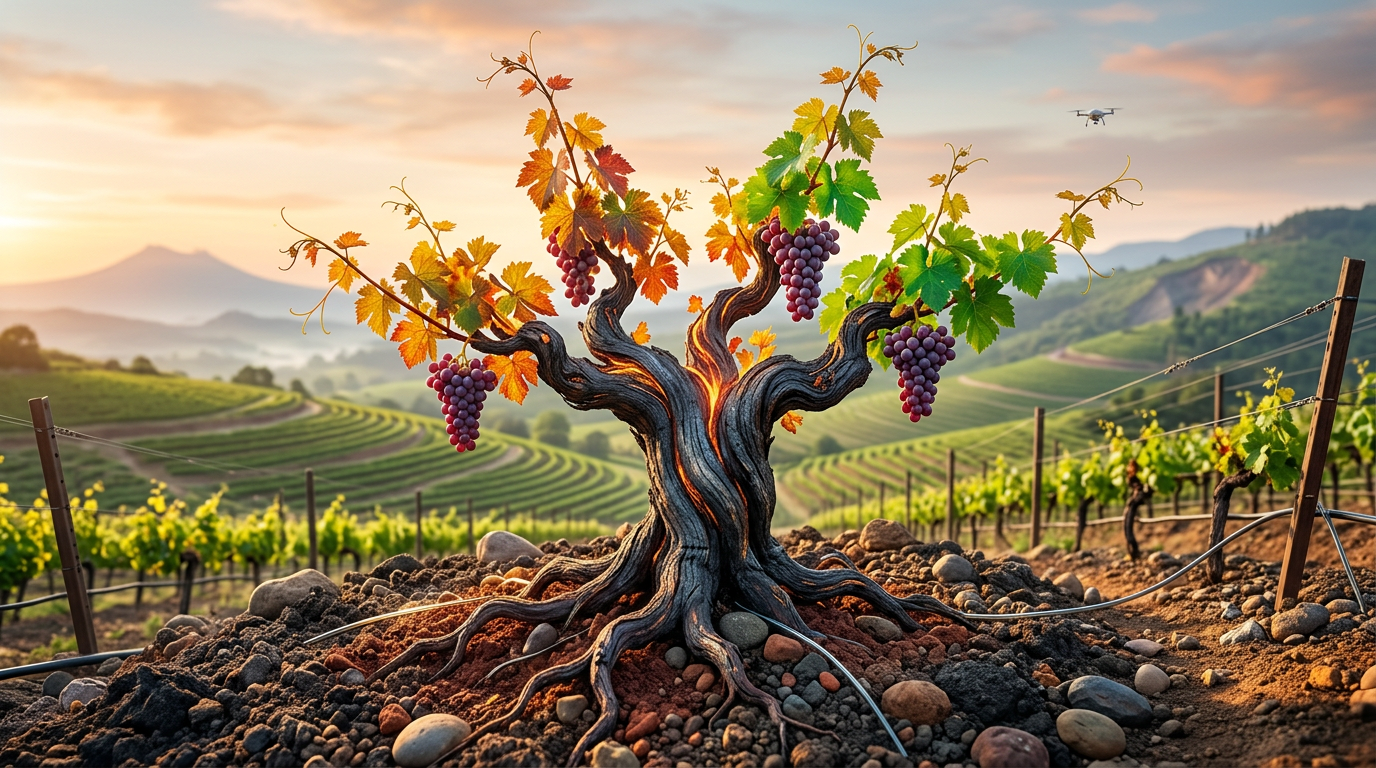
Beyond the Grape: Exploring the Unseen Ecosystem of Biodiversity in Vineyards by 2026
Often overlooked, vineyard biodiversity profoundly shapes wine character and sustainability. As we navigate 2026, understanding and nurturing these diverse ecosystems within and around vineyards is more vital than ever. This article delves into the unseen life contributing to our favorite vintages, moving beyond the grape to appreciate the holistic environment.

Vineyard Biodiversity: Beyond the Grape
In the world of wine, attention often gravitates towards grape varietals or the expertise of winemakers. However, a vital, often invisible element profoundly shapes the character and sustainability of our favorite vintages: vineyard biodiversity. As we navigate 2026, understanding and actively nurturing diverse ecosystems within and around vineyards has become more critical than ever.
This comprehensive guide from Greatest Wine delves deep into the multifaceted aspects of biodiversity in viticulture. It reveals how a thriving natural world contributes to exceptional wine and a healthier planet.
The Indispensable Role of Vineyard Biodiversity in Sustainable Viticulture
Vineyard biodiversity encompasses the full spectrum of life present in and around a vineyard. This includes everything from microorganisms in the soil to insects, plants, and larger animals. This complex web of interactions is not merely a pleasant backdrop; it actively contributes to the vineyard's health and resilience. Sustainable viticulture, by its very definition, relies heavily on these natural processes.
First and foremost, healthy ecosystems naturally regulate pests, improve soil fertility, and enhance water retention. These benefits translate directly into reduced needs for chemical intervention. Therefore, they foster more environmentally friendly and economically stable wine production. Ultimately, the long-term viability of vineyards hinges on maintaining this delicate balance. This focus on natural processes also aligns with evolving consumer preferences, which increasingly favor forgotten grape varieties and ancient winemaking techniques that inherently support biodiversity.
Soil Health: The Foundation of Vineyard Biodiversity
Beneath the surface, a bustling metropolis of microbial life forms the true foundation of vineyard biodiversity. Fungi, bacteria, nematodes, and earthworms tirelessly work to decompose organic matter, cycle nutrients, and improve soil structure. This activity creates an ideal environment for vine roots to thrive, enhancing their access to water and essential minerals.
- Microbial Diversity: A wide range of soil microbes helps vines resist disease and stress.
- Organic Matter: High levels of organic matter support a diverse soil food web, leading to better soil aeration and water infiltration.
- Earthworms: These natural engineers aerate the soil and improve drainage, which is essential for healthy root development.
Winemakers increasingly focus on practices that enrich soil biodiversity. For instance, cover cropping and reduced tillage are common. They recognize that vibrant soil is the bedrock of unique and expressive wines. This deep connection between soil health and regional expression drives the art of terroir translation in modern viticulture. Conversely, a lack of focus on soil health raises questions for innovative approaches like hydroponic viticulture, which bypasses traditional soil contact entirely, sparking debate on its long-term implications for wine character.
Above Ground: Flora and Fauna Enhancing the Vineyard Ecosystem
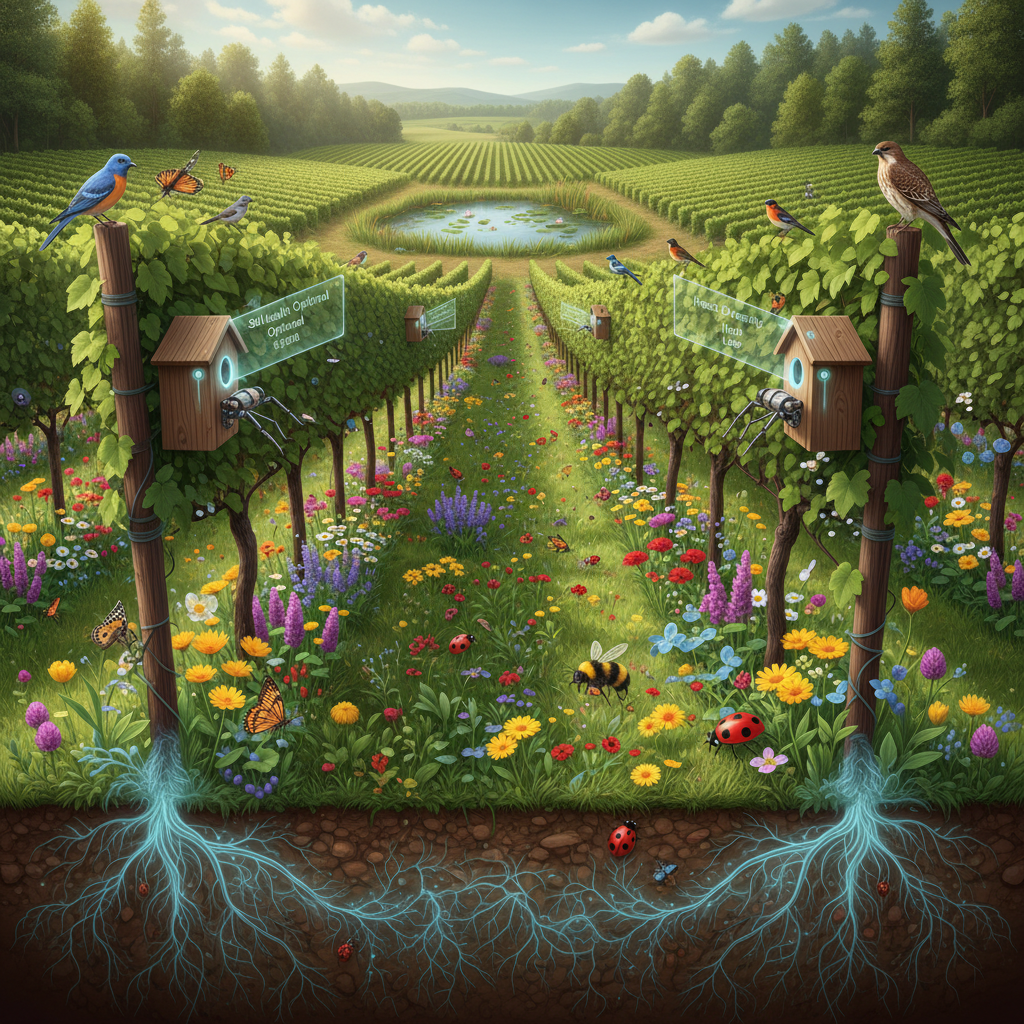
Beyond the soil, the flora and fauna inhabiting the vineyard play pivotal roles. Diverse plant life, both cultivated and wild, contributes significantly to ecosystem stability. Cover crops, for example, are not just for aesthetics; they host beneficial insects, suppress weeds, and contribute organic matter back to the soil.
In 2026, many forward-thinking vineyards are establishing wildlife corridors, planting hedgerows, and creating ponds to attract a wider array of species. Raptors, bats, and various insectivores naturally control pest populations. This in turn reduces the need for synthetic pesticides. These practices are not just good for the environment; they also enhance the distinctiveness of the wine, as a healthy ecosystem is an integral part of the terroir. This holistic approach supports the crafting of micro-appellation wines, where every aspect of the local environment is expressed in the bottle.
Practices Championing Vineyard Biodiversity in Modern Viticulture
The push for greater sustainability in wine production has brought vineyard biodiversity to the forefront of industry discussions. Numerous innovative practices are being adopted globally to foster and protect these precious ecosystems.
Cover Cropping and Inter-row Management
Instead of bare earth between vine rows, many vineyards now plant diverse cover crops. These can include grasses, legumes, and flowering plants. The benefits are extensive:
- Erosion Control: Reduces soil loss during heavy rains.
- Weed Suppression: Naturally outcompetes unwanted weeds.
- Nitrogen Fixation: Legumes add vital nitrogen to the soil.
- Habitat for Beneficials: Provides shelter and food for insects that prey on vineyard pests.
Careful selection of cover crop mixes can be tailored to specific vineyard needs. This enhances biodiversity and contributes to soil health and nutrient cycling.
Integrated Pest Management (IPM) and Biological Controls for Vineyard Biodiversity
Integrated Pest Management (IPM) is a cornerstone of maintaining vineyard biodiversity. Rather than relying solely on chemical sprays, IPM employs a multi-faceted approach. It prioritizes biological, cultural, and physical controls. This includes introducing or encouraging natural predators like ladybugs, lacewings, and predatory mites to control pest populations. Understanding the life cycles of both pests and beneficials is key to successful IPM strategies, minimizing ecological disruption while protecting the crop. For more on how these practices influence the finished product, one can explore the nuances of professional wine tasting.
Water Management and Riparian Zone Restoration
Efficient water management is crucial, especially with changing climate patterns. Restoring riparian zones – the areas alongside streams and rivers – within and near vineyards can significantly boost biodiversity. These zones act as natural filters, preventing runoff into water bodies, and provide critical habitats for aquatic and terrestrial species. Features like constructed wetlands and rainwater harvesting systems further contribute to sustainable water use and ecological enrichment, benefiting the entire vineyard ecosystem. The judicious use of water also impacts the delicate balance required for achieving the perfect vintage.
The Economic and Sensory Benefits of High Vineyard Biodiversity
While the ecological advantages of robust vineyard biodiversity are clear, the economic and sensory benefits for wine producers and consumers are equally compelling. In 2026, consumers are increasingly seeking wines produced with environmental consciousness.
Resilience and Reduced Input Costs
A biodiverse vineyard is a resilient vineyard. It is better equipped to withstand climate variability, disease pressure, and pest outbreaks, leading to more consistent yields and reduced crop losses. This resilience translates directly into economic stability for the winery. Furthermore, reliance on natural processes often means fewer expenses on synthetic pesticides, herbicides, and fertilizers, improving the bottom line.
In fact, vineyards with thriving ecosystems often require less human intervention. By letting nature do its work, winemakers can focus their resources on other aspects of quality and innovation. This further enhances their brand and product. Such practices contribute significantly to the broader economic and societal impact of the global wine trade.
Enhancing Terroir and Wine Quality Through Vineyard Biodiversity
Perhaps the most exciting benefit for enthusiasts of Greatest Wine is how vineyard biodiversity enhances the wine itself. A healthy, diverse ecosystem contributes to the complexity and unique character of the grapes. Ultimately, this expresses a more profound sense of terroir. The subtle nuances imparted by a rich soil microbiome, the interactions between various plant species, and the overall vitality of the vineyard environment can result in wines with greater depth, aromatic complexity, and a more authentic reflection of their origin.
As discerning palates become more attuned to nuances, wines from biodiverse vineyards often stand out. They tell a story not just of the grape, but of the specific place—its microclimate, its soil, and the life that thrives within it. This adds an invaluable layer to the wine-drinking experience, making each bottle a true reflection of nature's artistry. Indeed, understanding these nuanced flavors is key to decoding sommelier secrets for advanced sensory analysis, leading to a deeper appreciation of wine quality and the sustainability practices that underpin it.
Challenges and Future Outlook for Vineyard Biodiversity
Despite the undeniable benefits, fostering vineyard biodiversity is not without its challenges. Implementing some practices requires significant initial investment, and a deeper understanding of ecological principles is necessary for effective management. Climate change also presents ongoing threats, with shifting weather patterns and the introduction of new pests and diseases. However, these challenges are being met with determination and innovation across the global wine industry.
Looking ahead to the rest of 2026 and beyond, we anticipate continued advancements in research and technology supporting biodiversity. Remote sensing, AI-driven data analysis, and advanced biological monitoring tools will help winemakers better understand and manage their vineyard ecosystems. Collaborative efforts between scientists, viticulturists, and policymakers will be crucial. This will help in developing region-specific strategies that promote and protect vineyard biodiversity on a broader scale. The future of exceptional wine, it is clear, rests firmly in the hands of a thriving natural world. For more detailed insights into specific regional efforts, the Wine Institute's sustainability initiatives offer valuable information, illustrating how vineyards are transforming their operations.
New technologies, such as those discussed in AI Sommelier: Integrating Artificial Intelligence, could further aid in optimizing vineyard management to enhance biodiversity through predictive modeling and precise interventions. Furthermore, global initiatives like the OIV's work on viticulture are setting international standards and promoting best practices for sustainable vineyard management.
Written by
Juniper Thorne is an experienced writer and educator with a deep passion for the world of wine. Bringing expertise in sensory analysis and wine culture to the Greatest Wine platform, Juniper helps readers explore and appreciate every nuance of wine.
Related Articles

The Vinous Verse: How Wine's Spirit Inspires 2026's Poetic and Literary Masterpieces
The intricate dance between the grape and the written word has enchanted humanity for millennia. Explore the profound connection between wine and literature, from ancient musings to 2026's contemporary narratives and poetic masterpieces. Discover how the world of wine continually inspires writers.
Juniper Thorne