The Rise of Hydroponic and Aeroponic Viticulture: Is Soil Becoming Obsolete for Premium Wines in 2026?
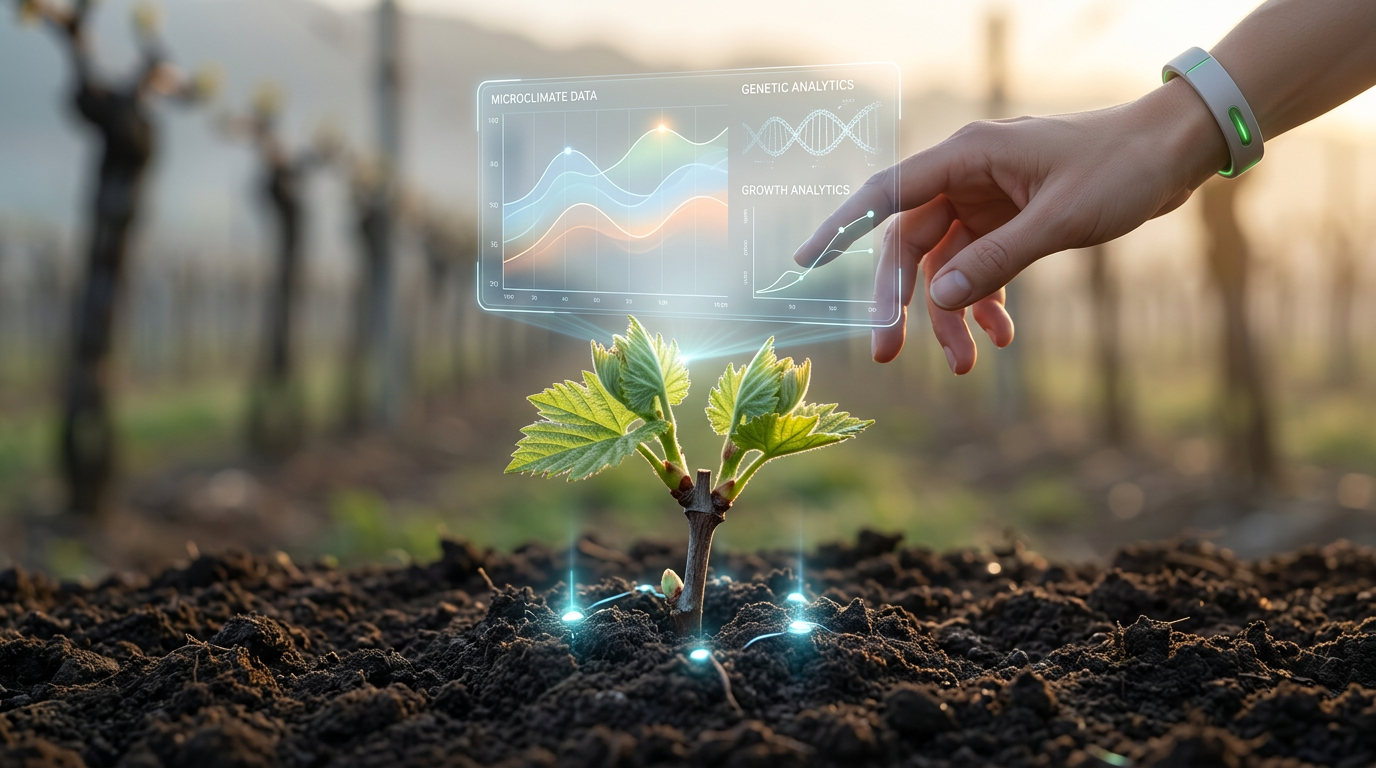
As we navigate 2026, the world of wine, a realm steeped in tradition and terroir, is witnessing a quiet revolution with the increasing adoption of hydroponic viticulture. This innovative approach to growing grapevines without soil, relying instead on nutrient-rich water solutions, is captivating researchers and forward-thinking vintners alike. The question on many connoisseurs' lips is whether this marks the beginning of the end for traditional soil-based vineyards, particularly for premium wines.

The Rise of Hydroponic and Aeroponic Viticulture: Is Soil Becoming Obsolete for Premium Wines in 2026?
As we navigate 2026, the world of wine, a realm steeped in tradition and terroir, is witnessing a quiet revolution with the increasing adoption of hydroponic viticulture. This innovative approach to growing grapevines without soil, relying instead on nutrient-rich water solutions, is captivating researchers and forward-thinking vintners alike. The question on many connoisseurs' lips is: can these soil-free methods truly produce premium wines, or is the very essence of terroir intrinsically linked to traditional soil cultivation? This article delves into the burgeoning trend of hydroponic viticulture, exploring its benefits, challenges, and the potential impact on the future of winemaking.
Understanding Hydroponic and Aeroponic Viticulture and Its Principles
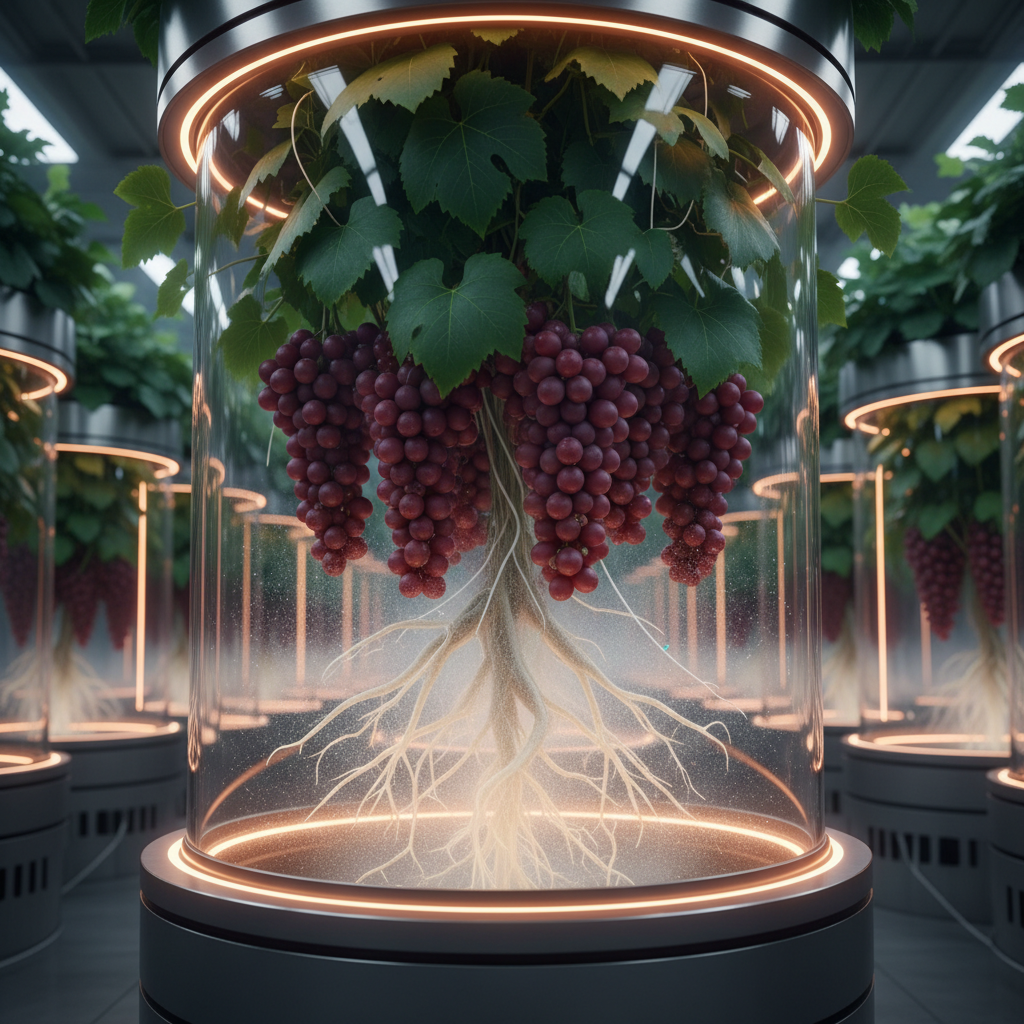
Hydroponic viticulture fundamentally alters the traditional relationship between grapevine and earth. Instead of rooting in soil, grapevines are grown in an inert medium (like rockwool, coco coir, or even air for aeroponics) with their roots directly bathed in a precisely balanced nutrient solution. This allows for unparalleled control over the plant's environment, a stark contrast to the variables inherent in soil-based farming.
The core principle lies in delivering all essential nutrients directly to the roots in their most absorbable forms. This bypasses the complexities of soil chemistry and microbiology, offering a streamlined and efficient pathway for plant growth. The precision afforded by hydroponics is a significant draw for those seeking to optimize vine health and fruit development. For a deeper understanding of how precise control can influence the final product, explore topics like The Art of Terroir Translation: Unpacking Winemaker Philosophy and Regional Expression in 2026.
Key Components of a Hydroponic System for Grapes
- Nutrient Reservoir: A tank holds the water fortified with macro and micronutrients essential for vine growth.
- Growing Medium: Inert substances like rockwool, perlite, or coco coir provide physical support for the roots.
- Delivery System: Pumps and drippers or flood-and-drain mechanisms circulate the nutrient solution to the roots.
- Monitoring Equipment: Sensors for pH, EC (electrical conductivity), and temperature are crucial for maintaining optimal conditions.
These systems can range from simple setups to highly sophisticated, computer-controlled environments, showcasing the versatility of hydroponic viticulture. The integration of advanced technology, much like The AI Sommelier: Integrating Artificial Intelligence for Predictive Pairing and Personalized Wine Discovery in 2026, signifies a broader trend in the wine industry towards data-driven decisions.
The Advantages of Hydroponic and Aeroponic Viticulture for Winemakers
The appeal of hydroponic viticulture stems from a myriad of potential benefits, particularly in an era grappling with climate change and increasing resource scarcity. For winemakers, the ability to control environmental factors represents a significant advantage.
Firstly, water efficiency is dramatically improved. Hydroponic systems can use up to 90% less water than traditional farming, as water is recirculated and evaporation is minimized. This is a critical consideration in drought-prone regions and for sustainable viticulture practices in 2026.
Secondly, the elimination of soil-borne diseases and pests reduces the need for chemical pesticides and fungicides, leading to healthier plants and potentially cleaner fruit. This not only benefits the environment but also aligns with the growing consumer demand for organic and sustainably produced wines.
Enhanced Control and Predictability
- Nutrient Management: Winemakers can precisely tailor nutrient profiles to specific grape varieties and growth stages, optimizing vine vigor and fruit composition.
- Disease Prevention: Removing soil eliminates many common vineyard diseases, simplifying crop management and reducing losses.
- Yield Consistency: Controlled environments can lead to more consistent yields year after year, mitigating the risks associated with unpredictable weather patterns, a factor often discussed in The Elusive Art of the Perfect Vintage: Deconstructing Ideal Climates and Vintner Decisions in 2026.
These factors contribute to a more predictable and often higher-quality harvest, attracting both established vineyards and new ventures to explore hydroponic viticulture.
Challenges and Criticisms of Soil-Free Grape Cultivation
Despite its promising advantages, hydroponic viticulture is not without its challenges and detractors. The most significant debate revolves around the concept of terroir – the unique combination of soil, climate, and topography that imparts distinctive characteristics to wine. Critics argue that removing soil severs this fundamental link, potentially leading to wines lacking complexity, depth, and a sense of place.
The initial investment in setting up sophisticated hydroponic systems can also be substantial, requiring specialized knowledge and equipment. While operational costs might decrease over time due to efficiency gains, the upfront capital expenditure can be a barrier for many smaller wineries.
The Terroir Debate: Can Hydroponics Replicate It?
The essence of terroir is complex, encompassing not just mineral composition but also microbial life, water retention, and thermal regulation of the soil. Replicating this intricate ecosystem in a sterile, controlled environment is a monumental task. While nutrient solutions can provide essential elements, they may not fully mimic the subtle interactions that contribute to a wine's unique character and aging potential. For more on the unique characteristics of specific regions, see Uncorking the Terroir: A Deep Dive into Micro-Appellation Wines of 2026.
Furthermore, consumer perception plays a crucial role. Many wine enthusiasts value the narrative of traditional winemaking, connecting deeply with the idea of grapes grown in ancient soils. Convincing this segment of the market about the quality of hydroponically grown wines will require significant education and demonstrable excellence. The Evolution of the Wine Palate will be key in understanding this shift.
The Future of Premium Wines with Hydroponic Viticulture in 2026
Looking ahead to 2026, the question of whether soil will become obsolete for premium wines is multifaceted. It's unlikely that traditional, soil-based viticulture will disappear entirely, especially for established, high-end appellations where terroir is paramount and legally protected. However, hydroponic viticulture is poised to play an increasingly significant role in specific contexts.
For regions facing extreme climate challenges, water scarcity, or unsuitable soil conditions, hydroponics offers a viable solution for cultivating wine grapes where it might otherwise be impossible. This could open new frontiers for winemaking and contribute to global wine production stability. The U.S. Department of Agriculture provides insights into the future of agriculture, including controlled environment agriculture, that align with these developments (USDA Sustainable Agriculture).
Moreover, the precision farming aspect of hydroponics could lead to the development of wines with incredibly consistent profiles, appealing to producers seeking to control every variable. Research into nutrient solutions and growing conditions will undoubtedly advance, potentially allowing for the emulation of certain terroir characteristics.
Potential Applications and Research Directions
- Experimental Vineyards: Wineries can use hydroponic systems for experimental purposes, testing new clones, rootstocks, and nutrient regimes without committing vast tracts of land.
- Controlled Environment Agriculture (CEA): Integration of hydroponic viticulture into indoor vertical farms could enable grape cultivation in urban areas or extreme climates, reducing transportation costs and carbon footprint.
- Flavor Engineering: Advanced research might explore how specific nutrient adjustments in hydroponic systems can impact aroma compounds and flavor precursors in grapes, offering new avenues for wine style development. For more on the science behind flavor, consider exploring academic research on viticulture and enology, such as resources from institutions like UC Davis (UC Davis Viticulture & Enology).
The industry is already seeing innovative approaches, and the coming years will reveal the full potential and market acceptance of wines produced through these advanced methods. The evolution of hydroponic viticulture is a testament to the wine world's continuous pursuit of excellence, efficiency, and sustainability.
Conclusion: A New Era for Viticulture?
While the romantic notion of vines deeply rooted in ancient soils will always hold a special place in the hearts of wine lovers, the pragmatism and precision offered by hydroponic viticulture are undeniable. In 2026, it's not a question of completely replacing traditional methods but rather of augmenting and diversifying the capabilities of winemakers worldwide.
As climate change continues to impact traditional wine regions, and as technology advances, soil-free grape cultivation provides a promising path towards more sustainable, resilient, and perhaps even innovative wine production. The exploration of hydroponic viticulture is a prime example of how the wine industry, while honoring its past, is boldly stepping into the future to ensure the continued enjoyment of this cherished beverage for generations to come. The debate between tradition and innovation will undoubtedly continue, paving the way for exciting developments in the world of wine. You can learn more about the broader impact of these trends by consulting industry analysis from organizations like the International Organisation of Vine and Wine (OIV).
Written by
Juniper Thorne is an experienced writer and educator with a deep passion for the world of wine. Bringing expertise in sensory analysis and wine culture to the Greatest Wine platform, Juniper helps readers explore and appreciate every nuance of wine.
Related Articles

The Cellar Architects: Mastering Elite Wine Preservation and Evolution in 2026
For the true connoisseur, wine is more than just a beverage; it's a living entity, an investment, and a passion. Mastering its preservation and evolution is an art form, especially in 2026 with new technologies and insights. Learn how to protect and enhance your cherished collection.
Juniper Thorne