The Art of the Winemaker's Notebook: Unearthing the Craft, Philosophy, and Legacy of 2026's Visionaries
In 2026, the winemaker's world is a fascinating blend of art and science. This year's leading vintners are shaping the industry with a philosophy rooted in innovation, tradition, and an unyielding commitment to sustainable practices. Delve into the notebooks of these visionaries to understand their craft and legacy.

The Art of the Winemaker's Notebook: Unearthing the Craft, Philosophy, and Legacy of 2026's Visionaries
In the evolving world of viticulture, understanding the core principles guiding those who craft our favorite vintages is paramount. This year, as we delve into the minds of industry leaders, we find that the winemaker philosophy 2026 is deeply rooted in a blend of innovation, tradition, and an unwavering commitment to sustainable practices. It's an intricate dance between respecting the terroir and pushing the boundaries of what's possible, all meticulously documented in the winemaker's invaluable notebook. Their individual approaches, though varied, collectively paint a vivid picture of the wine landscape in this current year.
The Evolution of Winemaker Philosophy 2026: A Modern Perspective
The winemaking world is in constant flux, adapting to new challenges and embracing novel possibilities. The winemaker philosophy 2026 reflects this dynamic environment, showcasing a significant shift towards environmentally conscious practices and a consumer-centric approach. Winemakers are not just crafting beverages; they are curating experiences, telling stories through each carefully produced bottle. For a deeper dive into the connection between winemaker intent and regional character, explore The Art of Terroir Translation: Unpacking Winemaker Philosophy and Regional Expression in 2026.
Sustainability at the Forefront
One of the most prominent themes in modern winemaking is sustainability. In 2026, it's no longer just a trend but a fundamental aspect of operations. Vintners are implementing practices that reduce their carbon footprint, conserve water, and promote biodiversity in their vineyards. This commitment extends beyond organic and biodynamic certifications, encompassing a holistic view of ecological responsibility.
- Water Conservation: Advanced irrigation techniques and rainwater harvesting are becoming standard.
- Biodiversity Enhancement: Planting cover crops and fostering natural habitats for beneficial insects. Learn more about the integral role of nature in our vineyards by reading Beyond the Grape: Exploring the Unseen Ecosystem of Biodiversity in Vineyards by 2026.
- Renewable Energy: Utilizing solar panels and other green energy sources for winery operations.
Consumer Connection and Transparency
Today's wine lovers are more informed and curious than ever before. The winemaker philosophy 2026 emphasizes open communication, detailing the journey of the grape from vine to bottle. This transparency builds trust and fosters a deeper connection between the winemaker and the consumer, creating a more engaging and educational experience for all involved. This can also extend to how we perceive wine labels and their impact on consumer choices, as discussed by experts.
Terroir and Technology: Pillars of Winemaker Philosophy 2026
The timeless concept of terroir, the unique combination of soil, climate, and topography, remains central to winemaking. However, in 2026, technology plays an increasingly significant role in understanding, optimizing, and expressing that terroir. This synergy between tradition and innovation defines much of the contemporary winemaker philosophy 2026. For further insight into the future of wine regions shaped by these factors, see The Art of the Future Terroir: How Geopolitical Shifts and Climate Adaptation are Sculpting 2026's Emerging Wine Regions.
Harnessing Data for Vineyard Management
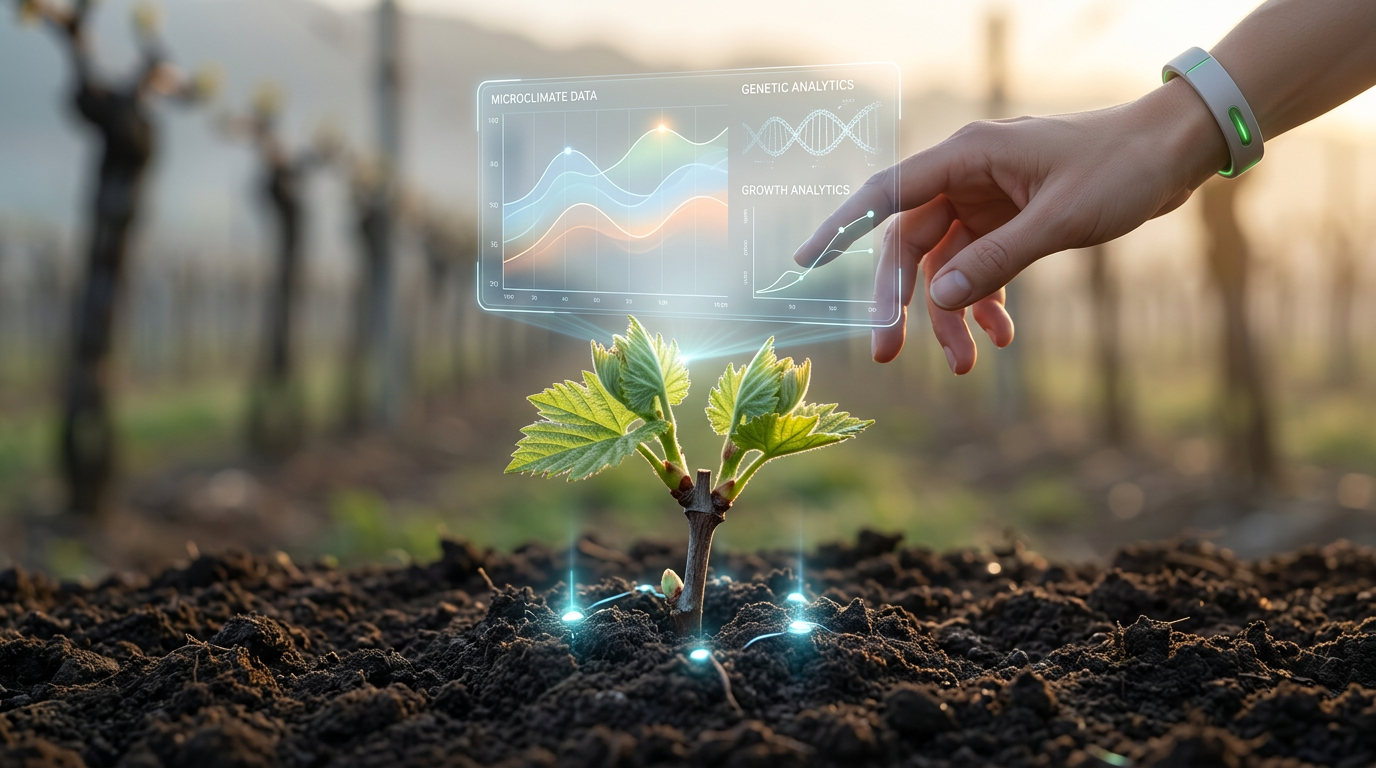
Precision viticulture, driven by data analytics, has become indispensable. Drones, satellite imagery, and advanced sensors provide winemakers with granular insights into vineyard health, moisture levels, and ripeness. This allows for highly targeted interventions, optimizing grape quality and enhancing consistency, all while minimizing resource waste.
- Soil Mapping: Detailed analysis of soil composition and nutrient levels.
- Disease Monitoring: Early detection and prevention of vine diseases using AI.
- Yield Prediction: Accurate forecasting of harvest volumes to optimize production.
Innovative Fermentation Techniques
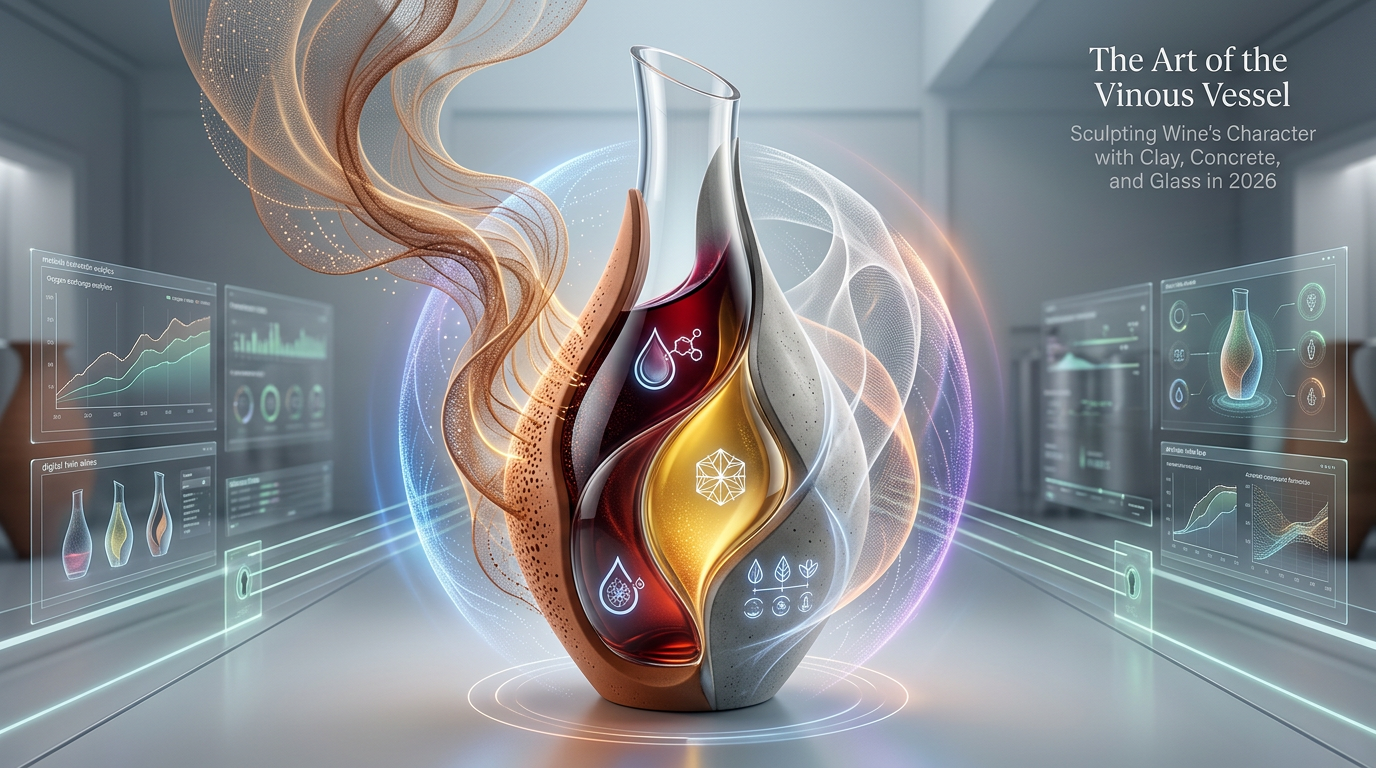
While traditional oak barrels and stainless steel tanks remain staples, winemakers are exploring new avenues for fermentation and aging. Concrete eggs, amphorae, and even ceramic vessels are gaining popularity, each imparting distinct characteristics to the wine and allowing for greater experimentation with texture and aroma. This expands the stylistic palette available to express the core winemaker philosophy 2026. The pursuit of unique flavors also drives interest in forgotten varieties, which you can read about in The Quantum Leap of Ancestral Grapes: Reviving Pre-Phylloxera Varieties for 2026's Cutting-Edge Wines.
The Art of Blending and Storytelling in 2026
Beyond the vineyard and cellar, the ultimate expression of a winemaker's vision often lies in the art of blending. This meticulous process, combined with a compelling narrative, transforms grapes into a liquid testament to their craft. The winemaker philosophy 2026 often includes a strong emphasis on conveying a unique story through each bottle, whether it's about a specific plot of land, a family legacy, or an experimental approach.
Crafting a Narrative through Blending
Blending isn't just about mixing different varietals; it's about creating a harmonious whole that is greater than the sum of its parts. Winemakers carefully select and combine components to achieve desired levels of complexity, balance, and character. Each decision in the blending room reflects a deeper intention and a clear stylistic goal.
For example, a Bordeaux blend might combine Cabernet Sauvignon for structure, Merlot for softness, and Cabernet Franc for aromatic complexity, each component carefully chosen to contribute to the final sensory profile. The winemaker's skill lies in balancing these elements to create a cohesive and memorable wine. This intentionality is a hallmark of the sophisticated winemaker philosophy 2026.
Cultural Preservation and Regional Expression
Many winemakers in 2026 are also custodians of cultural heritage, dedicated to preserving indigenous grape varieties and traditional winemaking methods. Their philosophy often includes a deep respect for their region's history, expressing its unique characteristics in every bottle. This dedication ensures the continuity of specific wine styles and contributes to the rich tapestry of global wine culture. The Slow Food Foundation for Biodiversity highlights many efforts in preserving traditional food and wine cultures worldwide.
Education and Mentorship: Shaping the Future of Winemaking
The knowledge and experience gained over decades are invaluable assets, and a significant part of the winemaker philosophy 2026 involves passing this wisdom on to the next generation. Mentorship programs, industry collaborations, and educational initiatives are crucial for fostering innovation and ensuring the longevity of quality winemaking.
Cultivating New Talent
Established winemakers frequently take budding apprentices under their wing, sharing not just technical skills but also the nuanced decision-making processes that define their craft. This hands-on training is irreplaceable, providing future vintners with a deep understanding of vineyard management, cellar practices, and the subtle art of tasting and blending. This ongoing transfer of knowledge is vital for the future of the winemaker philosophy 2026 and beyond.
Industry Collaboration and Knowledge Sharing
The winemaking community, while competitive, is also highly collaborative. Conferences, workshops, and informal gatherings allow winemakers to exchange ideas, discuss challenges, and collectively push the boundaries of their craft. This open dialogue fosters a spirit of continuous learning and improvement, benefiting the entire industry. Shared insights on climate change adaptation or new varietal expressions are common topics.
The Future Landscape: What Defines Winemaker Philosophy 2026 and Beyond?
As we look deeper into the foundations of winemaker philosophy 2026, it becomes clear that adaptability is a key trait. The global climate crisis, shifting consumer preferences, and technological advancements will continue to shape the industry. The most successful winemakers will be those who can thoughtfully navigate these changes while remaining true to their core values.
Resilience in the Face of Climate Change
Climate change presents arguably the biggest challenge to the wine industry. Winemakers are actively exploring drought-resistant grape varieties, adjusting vineyard practices, and even considering relocating vineyards to cooler climates. Their philosophies often incorporate long-term strategies for climate resilience, ensuring the viability of their craft for generations to come. This proactive approach is a defining characteristic of the modern winemaker philosophy 2026.
Embracing Diversity and Inclusivity
The wine industry is becoming increasingly diverse, with more women and individuals from varied backgrounds taking on leading roles. This shift brings fresh perspectives, new ideas, and a broader range of styles and philosophies to the forefront. The winemaker philosophy 2026 embraces this inclusivity, enriching the global wine landscape with new expressions and deeper insights. This commitment to variety strengthens the industry as a whole. You can learn more about this impactful trend in The Glass Ceiling Breakers: Celebrating Women Winemakers and Their Impact on the Industry in 2026.
In conclusion, the winemaker philosophy 2026 is a vibrant tapestry woven from threads of tradition, innovation, sustainability, and a profound respect for nature. It's a testament to the dedication of individuals who, through their passion and expertise, continue to enrich our lives with every bottle they produce. The art of the winemaker's notebook, therefore, is not merely a record of techniques, but a chronicle of a living, evolving philosophy that promises an exciting future for wine lovers everywhere. For a global perspective on wine trends and statistics, the International Organisation of Vine and Wine (OIV) offers comprehensive reports.
Written by
Juniper Thorne is an experienced writer and educator with a deep passion for the world of wine. Bringing expertise in sensory analysis and wine culture to the Greatest Wine platform, Juniper helps readers explore and appreciate every nuance of wine.
Related Articles

The Cellar Architects: Mastering Elite Wine Preservation and Evolution in 2026
For the true connoisseur, wine is more than just a beverage; it's a living entity, an investment, and a passion. Mastering its preservation and evolution is an art form, especially in 2026 with new technologies and insights. Learn how to protect and enhance your cherished collection.
Juniper Thorne