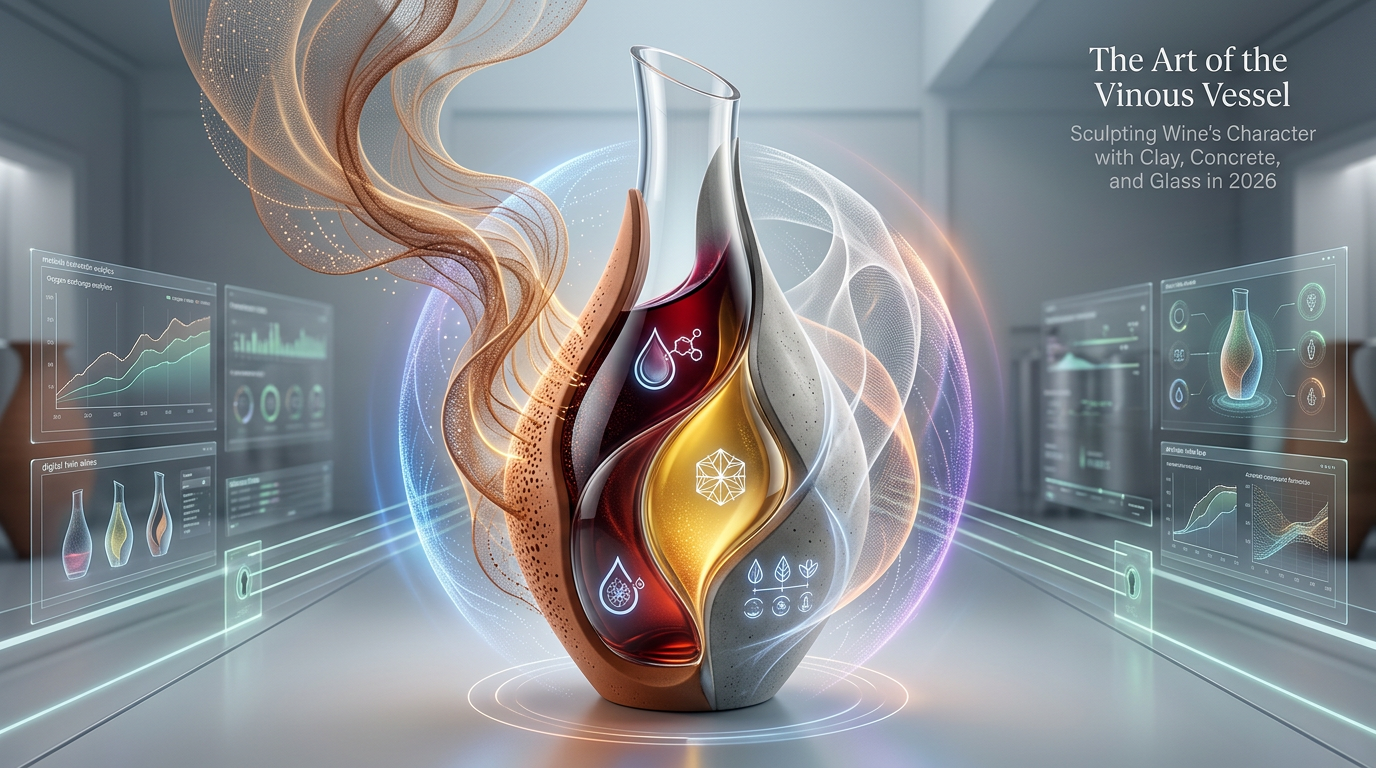
The Vinous Chronicle: Unraveling a Vintage's Story from Bud Break to Bottle in 2026
Every bottle of wine holds a universe of narratives, encapsulating the essence of a particular vintage. From the delicate bud break in spring to the meticulous aging in cellars, a vintage wine story is a testament to nature's influence and human craftsmanship. In 2026, we explore the intricate journey that transforms grapes into liquid history.

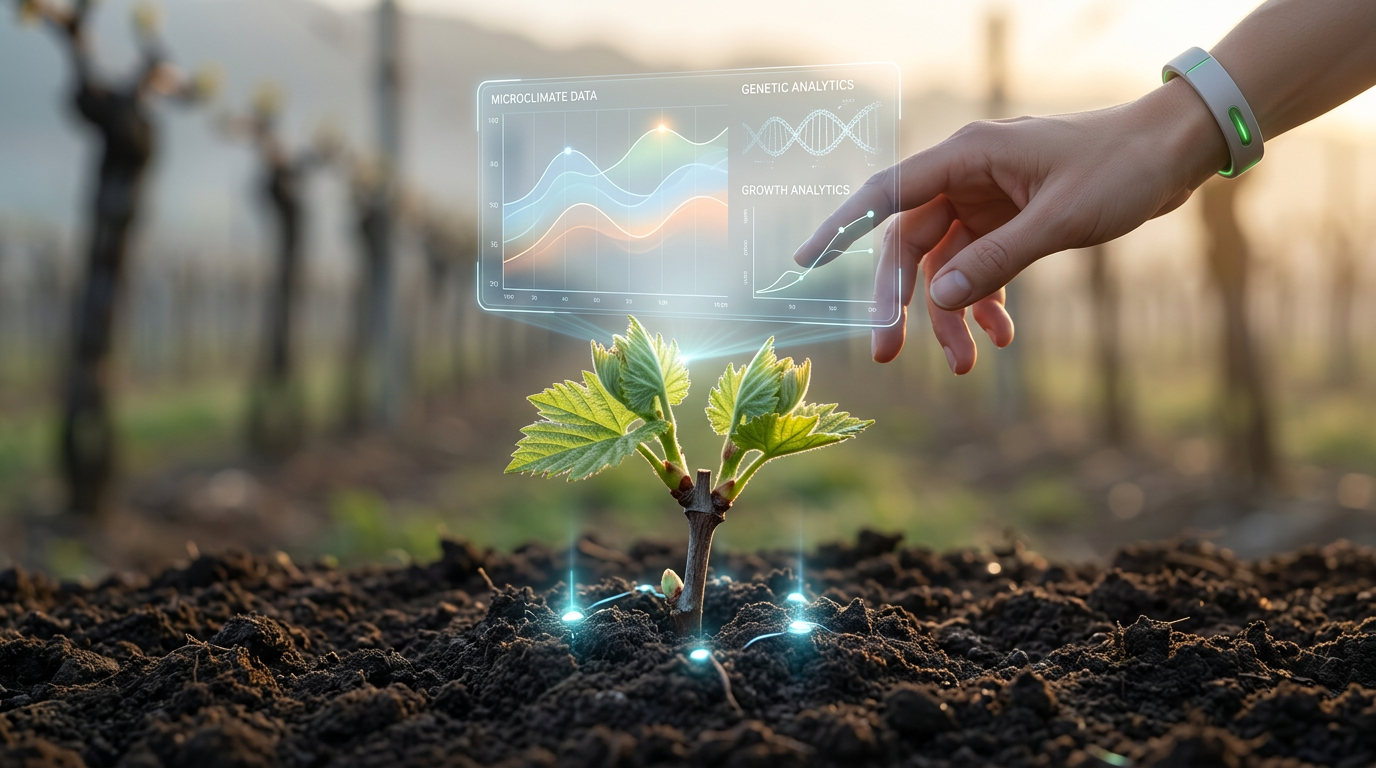
The Vinous Chronicle: Unraveling a Vintage Wine Story from Bud Break to Bottle in 2026
Every bottle of wine holds a universe of narratives, encapsulating the essence of its origin, the challenges of its creation, and the vision of its makers. To truly appreciate what we pour into our glass, we must delve deeper into its past. This intricate journey, from the first sprout in spring to the cork sealing its fate, is what we call a vintage wine story. It's a tale influenced by countless factors, woven into the very fabric of the wine, and waiting to be discovered by enthusiasts and connoisseurs alike. In 2026, understanding this profound connection to the land and time is more relevant than ever.

The Genesis of a Vintage Wine Story: From Vineyard to Vintner's Hand
The genesis of any great wine begins long before the first grape is harvested. It starts in the vineyard, where the interplay of nature and human intervention sets the stage for the year's vintage. Each season contributes uniquely to the ultimate character of the wine, making every vintage wine story distinctly its own.
Terroir: The Soul of the Vintage
At the heart of every great wine lies the concept of terroir. This French term refers to the complete natural environment in which a particular wine is produced, including factors such as soil, topography, and climate. It encompasses the unique combination of these elements that gives a specific vineyard its distinctive character. A remarkable vintage wine story is deeply rooted in its terroir, reflecting the land's voice. Learn more about the profound impact of terroir on wine at Wikipedia's Terroir page.
The Annual Cycle: Bud Break to Harvest
The journey through a growing season is a delicate dance with nature. It begins with bud break in early spring, when dormant vines awaken. Following this are flowering, fruit set, and véraison, where grapes change color and begin to soften. The crucial period of maturation determines the grape's sugar levels, acidity, and phenolic ripeness. A late frost, an extended drought, or a perfect stretch of sunshine can all leave an indelible mark on the year's harvest, shaping the character of the future wine. Vintners in 2026 continue to grapple with changing climatic patterns, making each harvest a unique challenge and triumph. Understanding the challenges posed by evolving climate change on viticulture is crucial.
- Bud Break: Early spring, vines emerge from dormancy.
- Flowering & Fruit Set: Mid-spring to early summer, blossoms turn into tiny grape berries.
- Véraison: Mid-summer, grapes begin to change color and ripen.
- Maturation: Late summer to early autumn, grapes develop sugars, acids, and flavors.
- Harvest: The culmination of the year, grapes are picked at optimal ripeness.
Crafting the Narrative: Winemaking Techniques and Philosophy
Once the grapes are harvested, the vintner's craft truly begins. This is where the raw materials, imbued with the year's weather and terroir, are transformed into wine. The decisions made during fermentation, aging, and blending are pivotal in defining the final vintage wine story.
Fermentation: The Magical Transformation
Fermentation is the crucial stage where grape juice becomes wine. Yeast, whether indigenous to the vineyard or specially cultured, converts the sugars in the grape must into alcohol and carbon dioxide. The choice of fermentation vessel—be it stainless steel, oak barrels, or concrete eggs—and the temperature control exercised by the winemaker profoundly influence the wine's aromatic profile and texture. This stage is a critical chapter in any specific vintage's tale.
Maturation: Patience in the Cellar
After fermentation, many wines undergo a period of maturation. This can occur in various vessels, most notably oak barrels. Oak contributes tannins, complexity, and subtle flavors like vanilla, spice, or toast, depending on its origin and toast level. The duration of aging, whether for a few months or several years, is a deliberate choice made by the winemaker to allow the wine to evolve, integrate its components, and develop a more nuanced character. This prolonged waiting period adds depth and structure to the overall vintage wine story. Learn more about how micro-environments sculpt wine's evolution.

Understanding a Vintage: Beyond the Bottle
Appreciating a wine goes beyond simply drinking it; it involves understanding its context, decoding its sensory messages, and pairing it thoughtfully. Each bottle, particularly one with a distinct vintage, offers a unique opportunity for discovery and enjoyment.
Sensory Analysis: Deciphering the Story
To truly understand a wine's character, sensory analysis is key. This involves systematically evaluating its appearance, aroma, and taste. A wine's color can indicate its age and varietal. Its aromas, from fruit and floral notes to earthy and tertiary complexities from aging, tell a significant part of its vintage wine story. On the palate, factors like acidity, sweetness, tannin, body, and finish all contribute to the overall impression, revealing nuances shaped by the year of its birth. For a comprehensive guide on tasting wine like a professional, explore resources like Wine Spectator's "How to Taste Wine".
Key elements to consider during sensory analysis:
- Appearance: Clarity, color, intensity, and viscosity.
- Aroma: Primary (grape-derived), secondary (fermentation-derived), and tertiary (aging-derived) notes.
- Palate: Sweetness, acidity, tannin, alcohol, body, flavor intensity, and finish.
The Art of Pairing: Elevating the Experience
Pairing wine with food is an art form that can elevate both the culinary experience and the wine itself. The goal is to find harmony, allowing the flavors and textures of both elements to complement and enhance each other. A powerful, tannic red from an excellent vintage might perfectly cut through a rich, fatty steak, while a crisp, high-acid white wine could beautifully balance a delicate seafood dish. Understanding the nuances of a particular vintage wine story often unlocks its perfect culinary companion.
Global Perspectives on a Vintage Wine Story: Trends in 2026
The global wine landscape is continually evolving, with new trends and challenges shaping how vintages are produced and perceived. In 2026, several key themes dominate the conversation around the vintage wine story.
Emerging Regions and Sustainable Practices
While classic regions continue to produce iconic wines, there's a growing spotlight on emerging wine-producing areas. Countries like England, China, and even parts of Scandinavia are gaining recognition for quality wines, often driven by innovative viticulture and unique microclimates. Furthermore, sustainability has become a cornerstone of modern winemaking. From organic and biodynamic farming to water conservation and carbon footprint reduction, wineries worldwide are adopting practices that ensure the longevity of their vineyards and the health of the planet, adding another layer to the contemporary vintage narrative.
Digitalization and Accessibility
The wine industry in 2026 embraces technology more than ever. Digital platforms facilitate direct-to-consumer sales, virtual tastings connect enthusiasts globally, and data analytics help vintners optimize vineyard management. This increased accessibility means that enthusiasts can more easily explore the stories behind their favorite vintages, connect with producers, and learn about the intricate details that shape each specific vintage wine story. Artificial intelligence is even beginning to assist with predictive analytics for harvest timing and disease prevention.
Preserving and Sharing Your Vintage Wine Story
A well-made wine, especially from a notable vintage, often has the potential to age beautifully. Proper cellaring ensures that its story can continue to unfold, revealing new complexities over time.
Cellaring and Enjoyment
For wines destined for long-term enjoyment, optimal storage conditions are paramount. This includes a consistent, cool temperature (around 12-14°C), high humidity, darkness, and minimal vibration. Correct storage allows the wine's components to integrate further, softening tannins, developing tertiary aromas, and enhancing overall harmony. When the time comes to open a carefully aged bottle, the experience of sharing that matured vintage wine story with friends or family is truly incomparable.
The Legacy of Each Bottle
Ultimately, every bottle of wine represents not just a beverage, but a piece of history, a culmination of effort, and a reflection of a specific time and place. The legacy of each vintage is carried forward, influencing future generations of winemakers and enthusiasts. Whether it’s a young, vibrant wine or a complex, aged masterpiece, understanding its journey enriches the entire drinking experience, allowing us to truly appreciate the craftsmanship and passion poured into every sip.
From the sun-drenched vineyards to the quiet cellars, the complete vintage wine story is a testament to nature's power and humanity's enduring passion. As we look ahead in 2026, the appreciation for these unique narratives continues to grow, inviting us all to explore the depths of wine culture and discover the fascinating tales held within each bottle.
Written by
Juniper Thorne is an experienced writer and educator with a deep passion for the world of wine. Bringing expertise in sensory analysis and wine culture to the Greatest Wine platform, Juniper helps readers explore and appreciate every nuance of wine.
Related Articles
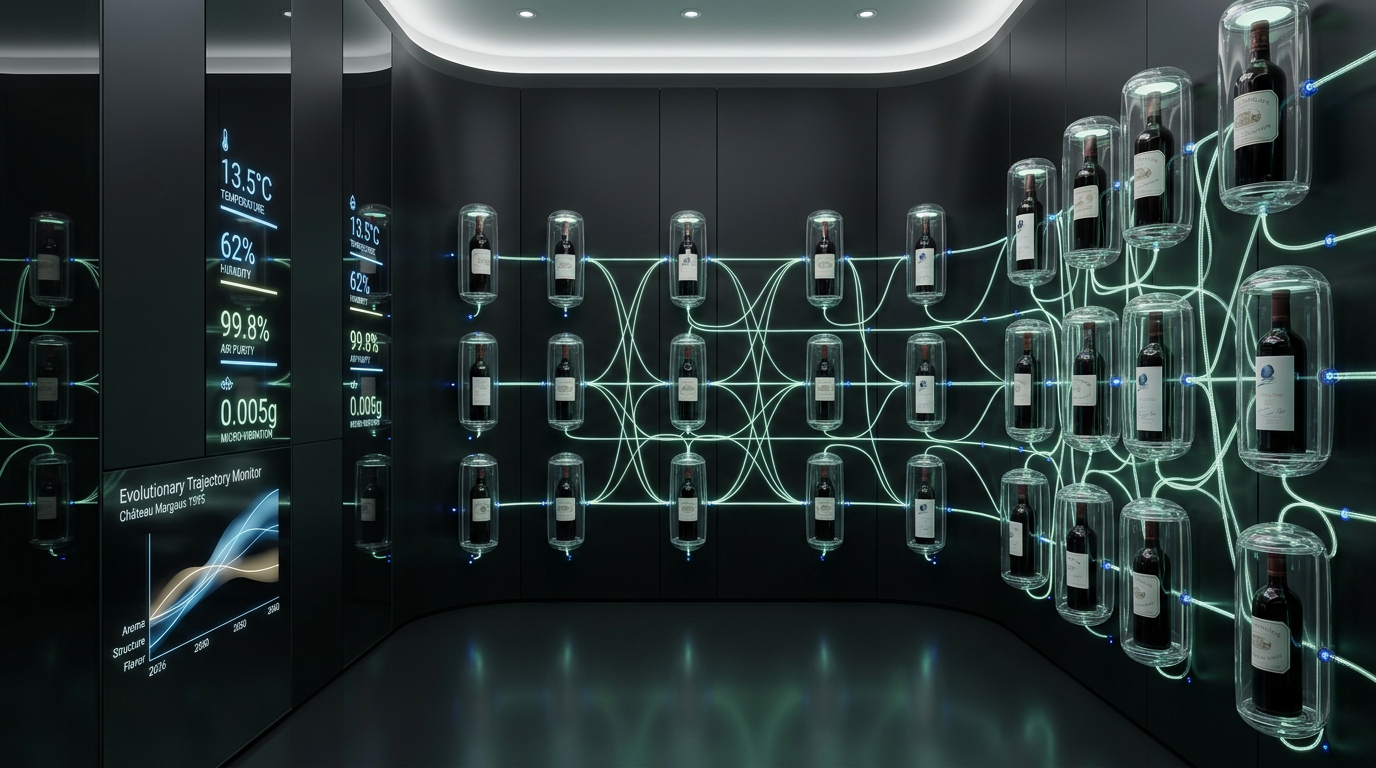
The Cellar Architects: Mastering Elite Wine Preservation and Evolution in 2026
For the true connoisseur, wine is more than just a beverage; it's a living entity, an investment, and a passion. Mastering its preservation and evolution is an art form, especially in 2026 with new technologies and insights. Learn how to protect and enhance your cherished collection.
Juniper Thorne