The Art of the Vinous Cartographer: Mapping Flavor Landscapes and Predictive Terroir in 2026
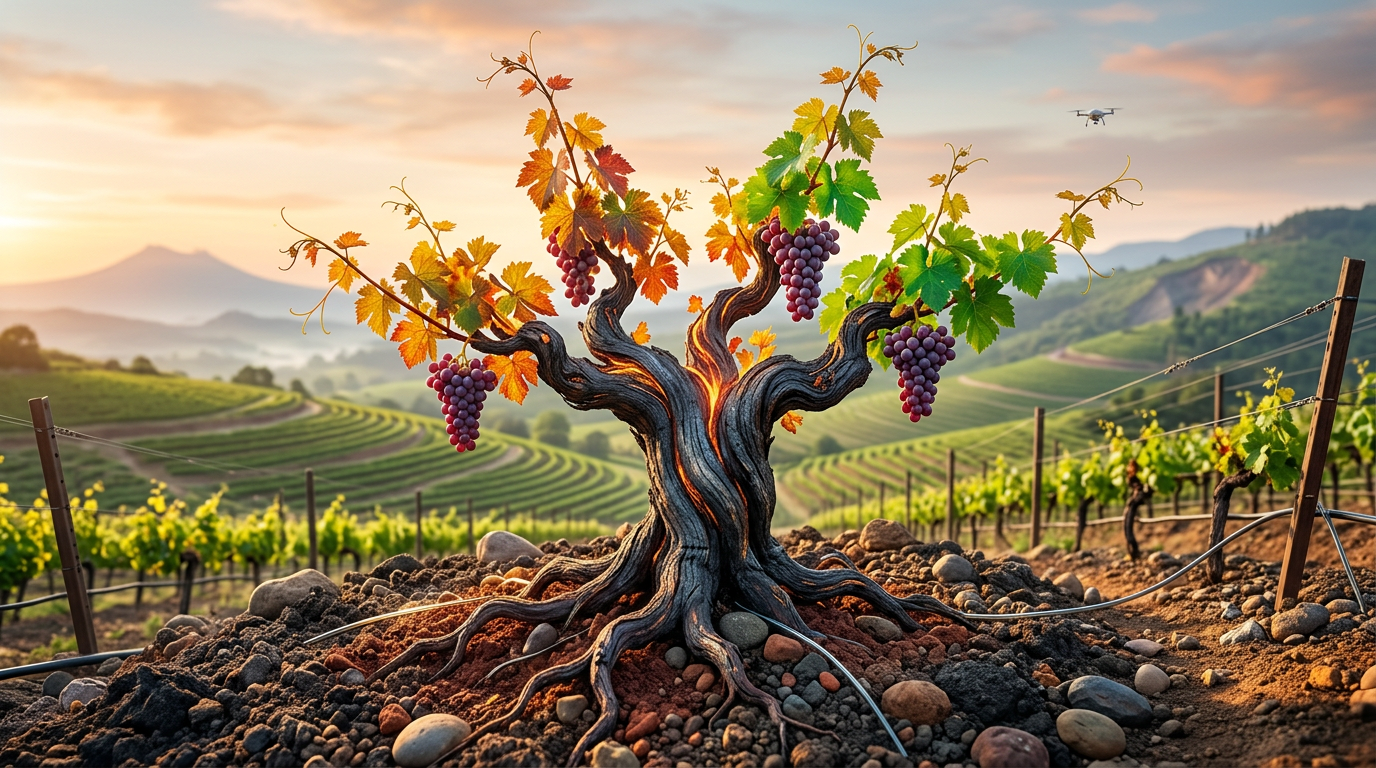
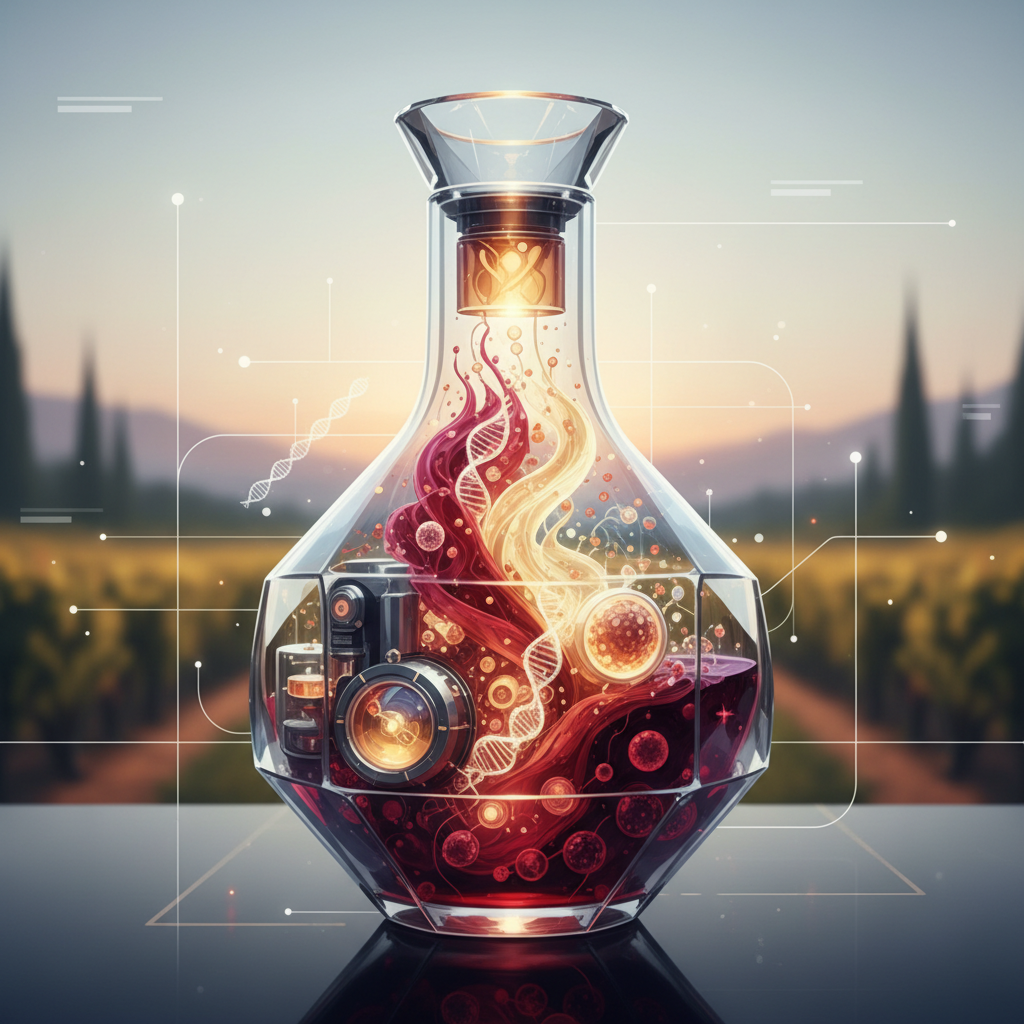
As the wine world embraces innovation, 'predictive terroir 2026' is shaping the future of viticulture. This cutting-edge approach blends traditional winemaking wisdom with advanced technology, allowing producers to anticipate and optimize wine characteristics before harvest. Discover how vinous cartographers are mapping flavor landscapes and revolutionizing the industry this year.

The Art of the Vinous Cartographer: Mapping Flavor Landscapes and Predictive Terroir in 2026
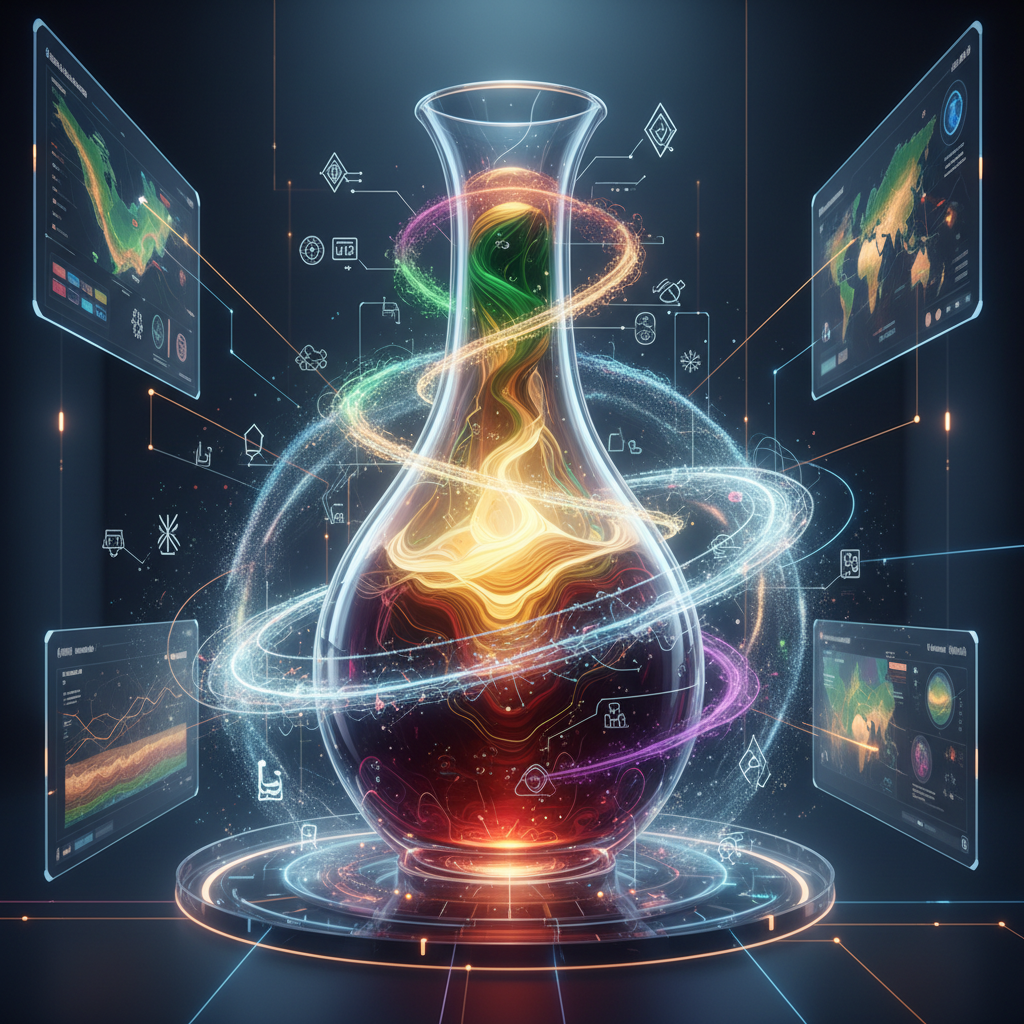
As the wine world continues its relentless march towards innovation, one concept is gaining significant traction and shaping the future of viticulture: predictive terroir 2026. This cutting-edge approach blends traditional winemaking wisdom with advanced technology, allowing producers to anticipate and optimize wine characteristics well before the first grape is even harvested. For us at Greatest Wine, exploring such profound shifts is key to understanding the full culture and craftsmanship behind exceptional wines. This year, we delve deep into how vinous cartographers are leveraging sophisticated data models and environmental analytics to unlock unprecedented insights into the future wine trends and consumer palates.
Understanding the Evolution of Predictive Terroir 2026
The notion of "terroir" – the unique combination of soil, climate, and topography that gives a wine its distinctive character – has long been central to winemaking. Traditionally, understanding terroir involved years of observation, trial, and error. However, in 2026, technology has become an indispensable partner in this quest. We are witnessing a monumental shift from reactive assessment to proactive prediction.
This evolution is driven by several key factors:
- Advanced Sensor Technology: Vineyards are now equipped with an array of sensors that monitor soil moisture, temperature at various depths, nutrient levels, and even vine stress in real-time.
- Satellite Imaging and AI: High-resolution satellite imagery combined with artificial intelligence algorithms can detect subtle variations in vine vigor and health across vast expanses of land.
- Climate Modeling: Sophisticated climate models provide highly localized weather forecasts and long-term climate predictions, essential for understanding future growing conditions.
- Historical Data Analysis: Decades of historical vintage data, coupled with modern analytical tools, reveal patterns and correlations that were previously impossible to discern.
The ability to integrate and analyze these diverse data streams allows winemakers to build incredibly detailed models of their vineyards, predicting how changes in environmental conditions will impact grape development and, ultimately, wine composition. This is the essence of predictive terroir 2026.
The Tools of the Vinous Cartographer: Crafting Flavor Prescriptions
Modern vinous cartographers are not just sketching maps; they are crafting detailed flavor prescriptions. Their toolkit is a blend of traditional viticultural knowledge and state-of-the-art analytical platforms. Understanding these tools is crucial to appreciating the depth of this new approach.
Geospatial Analysis and Soil Mapping
Detailed soil maps, created through electrical conductivity sensors and drone-mounted hyperspectral cameras, reveal variations in soil composition, drainage, and water retention. Overlaying this data with yield maps and historical wine quality data allows producers to identify specific micro-terroirs within their vineyards that consistently produce superior grapes, guiding future planting and management decisions.
Climate Data and Microclimate Modeling
Localized weather stations provide granular data on temperature, humidity, and rainfall. This data is fed into predictive models that forecast disease pressure, optimal harvest windows, and even potential alcohol levels. For instance, knowing the precise impact of a heatwave on specific grape varietals in a particular plot allows for targeted interventions or adjustments to winemaking techniques.
AI-Powered Phenological Tracking
Artificial intelligence is increasingly used to monitor the phenological stages of grapevines – from bud break to veraison. Computer vision algorithms can analyze images of leaves and berries to assess ripeness, stress, and potential disease. This granular, plot-by-plot insight is invaluable for fine-tuning vineyard management and optimizing quality in the context of predictive terroir 2026. Learn more about AI for personalized wine discovery.
Applying Predictive Terroir in Vineyard Management for 2026 Success
The practical applications of predictive terroir 2026 are vast and transformative. From optimizing resource use to crafting wines with specific characteristics, the benefits are clear for producers and consumers alike. Winemakers are no longer guessing; they are strategizing with unparalleled precision.
Precision Viticulture and Resource Optimization
With precise data on soil moisture and vine health, irrigation can be targeted only where and when needed, significantly reducing water consumption. Similarly, fertilizer applications can be customized to individual vine needs, enhancing vine health while minimizing environmental impact. This level of precision is a cornerstone of sustainable viticulture in 2026. For further insights into precision, consider precision pruning's role in ultra-premium wine character.
Strategic Varietal Selection and Blending
Predictive models can help identify which grape varietals are best suited to specific plots, not just based on historical success but on future climate projections. This forward-looking approach allows winemakers to select varietals that will thrive in changing conditions, ensuring long-term vineyard viability. Furthermore, by predicting the characteristic profiles of grapes from different blocks, winemakers can strategically plan blends to achieve desired taste profiles year after year.
Mitigating Climate Change Impacts
Climate change poses significant challenges to the wine industry. Predictive terroir 2026 offers a powerful defense mechanism. By forecasting temperature shifts, altered rainfall patterns, and increased frequency of extreme weather events, winemakers can adapt their practices. This might involve adjusting canopy management, exploring drought-resistant rootstocks, or even relocating vineyards to more suitable areas in the long term. For more information on environmental factors, see this Nature study on climate change and wine.
The Consumer Experience: How Predictive Terroir 2026 Shapes Our Glasses
While much of the discussion around predictive terroir 2026 focuses on the production side, its impact on the consumer experience is equally profound. From consistency to exciting new styles, the benefits trickle down directly into our glasses.
Enhanced Consistency and Quality
By minimizing variability in grape ripening and optimizing vineyard conditions, predictive terroir helps winemakers produce wines of consistently higher quality. This means fewer "off" vintages and a more reliable experience for wine lovers, whether they are enjoying everyday meals or selecting a special bottle for fine dining.
Novel Flavor Profiles and Regional Expressions
As winemakers gain a deeper understanding of their land through predictive analytics, they can experiment with new clones, varietals, and management techniques to unlock previously unexpressed facets of their terroir. This leads to an exciting diversification of wine styles and a richer tapestry of regional expressions. Imagine discovering a completely new flavor profile from a classic region, all thanks to the nuanced insights provided by predictive models.
Transparency and Storytelling
The detailed data gathered through predictive terroir can also be used for compelling storytelling. Consumers are increasingly interested in the origins and production methods of their food and drink. Wineries can use this data to share transparent narratives about their sustainable practices, the unique characteristics of their land, and the meticulous care that goes into every bottle. This adds a layer of depth and appreciation to the drinking experience.
Challenges and the Future of Predictive Terroir in 2026 and Beyond
Despite its immense promise, the widespread adoption of predictive terroir 2026 is not without its challenges. The investment in technology can be substantial, and the need for skilled data scientists in the wine industry is growing rapidly. Furthermore, integrating complex data streams and translating them into actionable viticultural decisions requires a deep understanding of both technology and traditional winemaking. The International Organisation of Vine and Wine (OIV) actively champions digital advancements in the sector.
Looking ahead, we can anticipate even more sophisticated predictive models that incorporate genomic data of grapevines, detailed microbiological analyses of vineyard soils, and even AI-driven sensory analysis of wines before they are bottled. The goal is to move towards a truly holistic understanding of every factor that contributes to a wine's character. The "vinous cartographer" of the future will be a multidisciplinary expert, blending cutting-edge science with the age-old art of winemaking. Greatest Wine is committed to tracking these developments, providing our readers with unparalleled insights into the unfolding story of wine in the 21st century. Explore how we know wine in an era of disinformation.
Written by
Juniper Thorne is an experienced writer and educator with a deep passion for the world of wine. Bringing expertise in sensory analysis and wine culture to the Greatest Wine platform, Juniper helps readers explore and appreciate every nuance of wine.
Related Articles

The Vinous Verse: How Wine's Spirit Inspires 2026's Poetic and Literary Masterpieces
The intricate dance between the grape and the written word has enchanted humanity for millennia. Explore the profound connection between wine and literature, from ancient musings to 2026's contemporary narratives and poetic masterpieces. Discover how the world of wine continually inspires writers.
Juniper Thorne