The Art of the 'Vinous Symphony': Deconstructing How Music and Sound Influence Wine Perception in 2026
Welcome to Greatest Wine, exploring the captivating intersection of music and wine pairing. In 2026, we delve into how auditory stimuli profoundly impact our perception of taste, revealing the 'vinous symphony.' This guide uncovers the scientific and artistic connections that elevate your wine experience through thoughtful soundscapes.

Uncorking the Harmony: The Definitive Guide to Music and Wine Pairing in 2026
Welcome to Greatest Wine, where we delve into the multifaceted world of viticulture and oenology. Today, we're exploring a truly captivating intersection: the art of music and wine pairing. It might sound unconventional to some, but the influence of auditory stimuli on our perception of taste is a richly researched field. As we move through 2026, understanding this symbiotic relationship allows us to elevate our wine experiences from simple enjoyment to a profound sensory journey. Far beyond just choosing the right food, selecting the perfect soundtrack can unlock hidden nuances in your favorite varietals, transforming a good glass of wine into an unforgettable "vinous symphony." For a deeper dive into how our senses impact our appreciation, explore The Art of the 'Cognitive Terroir': How Our Brains Sculpt Wine Perception in 2026.
The Science Behind Music and Wine Pairing: A 2026 Perspective
The concept of music and wine pairing isn't just anecdotal; it's grounded in neuroscientific principles. Researchers have consistently demonstrated how different sounds and musical genres can alter our perception of a wine's sweetness, acidity, body, and even its overall quality. In 2026, with advanced neuroimaging techniques, we're better understanding the pathways in the brain that link auditory and gustatory sensations.
Our brains are wired for multimodal perception. When you taste wine, your brain isn't just processing chemical signals from your tongue and nose; it's integrating information from all your senses. This sensory cross-talk means that a cheerful, high-tempo piece of music can make a wine taste brighter and fruitier, while a deep, resonant composition might enhance its perceived body and complexity.
Sonic Seasonings: How Musical Elements Impact Taste
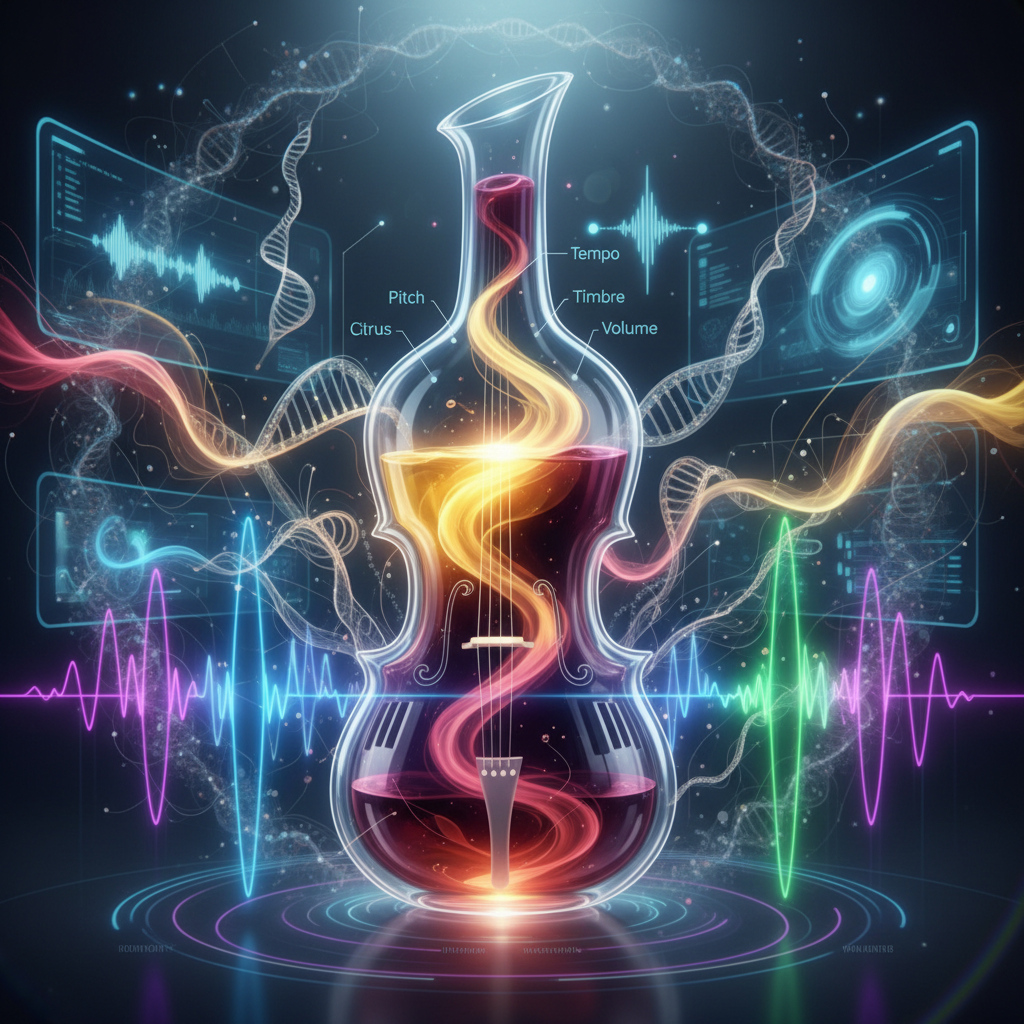
- Tempo: Fast music often correlates with perceptions of freshness and vibrancy, potentially making a light-bodied white wine seem crisper. Slower tempos can accentuate richness and depth, complementing a full-bodied red.
- Pitch: High-pitched sounds can enhance perceptions of sweetness and acidity, often aligning well with aromatic, off-dry wines. Low pitches tend to emphasize bitterness and umami, resonating with robust, tannic reds.
- Melody & Harmony: Major keys often evoke feelings of happiness and lightness, pairing beautifully with celebratory, sparkling wines. Minor keys, conveying introspection or drama, might complement more complex or aged wines.
- Timbre: The specific sound quality of instruments—the brightness of a flute versus the warmth of a cello—can also subconsciously influence our perception of a wine's texture and character.
This phenomenon, sometimes referred to as 'sonic seasoning', suggests that we can actively manipulate our tasting experience. Given the right soundtrack, even a familiar wine can reveal dimensions you never knew existed, proving that the perfect music and wine pairing is truly an art form. For a deeper scientific understanding, read this fascinating study on sonic seasoning from Nature.com.
Crafting the Perfect Soundtrack: Practical Tips for Your Wine Experience
Don't just randomly pick music; think about the wine's intrinsic characteristics and what you want to enhance. Our goal at Greatest Wine is to empower you to create truly immersive wine moments. Here's how to consciously approach music and wine pairing:
Matching Intensity and Mood
Consider the "weight" and mood of both the wine and the music. A delicate Pinot Noir, with its subtle red berry notes and silky tannins, would be overwhelmed by heavy metal. Instead, imagine it paired with a classical string quartet or a gentle jazz improvisation. Conversely, a bold, structured Cabernet Sauvignon might find its match in a dramatic orchestral piece or a powerful blues number. Understanding these nuances aids in creating a truly Vinous Micro-Moment.
- Light & Lively Wines (e.g., Sauvignon Blanc, Pinot Grigio, Prosecco): Opt for upbeat, energetic music. Think pop, indie-folk, or bright classical pieces.
- Medium-Bodied & Aromatic Wines (e.g., Chardonnay, Rosé, Beaujolais): Seek out melodic, balanced music. Smooth jazz, acoustic sets, or contemporary classical can work wonders.
- Full-Bodied & Rich Wines (e.g., Syrah, Zinfandel, Bordeaux Blends): Pair with music that possesses depth and complexity. Blues, operatic pieces, or progressive rock might be surprisingly apt.
- Sweet & Dessert Wines (e.g., Port, Sauternes): Mellow, contemplative music, or pieces with rich, sustained chords can highlight their lusciousness.
Experimentation is key! What one person finds harmonious, another might find discordant. The beauty of music and wine pairing lies in personal discovery.
Exploring Iconic Music and Wine Pairing Examples for 2026
Let's look at some classic and contemporary examples of how to achieve synergy with music and wine pairing. These pairings are not rigid rules but rather jumping-off points for your own exploration, reflecting current trends and timeless principles in 2026.
Timeless Combinations
- Champagne & Jazz: The effervescence and celebratory nature of Champagne find a perfect companion in the improvisational elegance of jazz. Think of Ella Fitzgerald or Louis Armstrong enhancing the vibrant bubbles.
- Cabernet Sauvignon & Classical Opera: The profound structure, dark fruit, and sometimes earthy notes of a Cabernet are beautifully mirrored by the drama, complexity, and rich orchestration of an opera by Verdi or Puccini.
- Rosé & Indie Pop/Chillwave: The fresh, often bright fruit character and versatility of Rosé align wonderfully with the easy-listening, sometimes nostalgic vibes of indie pop or ambient chillwave.
- Pinot Noir & Folk/Acoustic: The nuanced red fruit, earthy undertones, and delicate tannins of Pinot Noir are complemented by the natural, storytelling quality of folk music or intimate acoustic performances.
In 2026, many wineries are even curating Spotify playlists designed to be enjoyed with their specific wines, demonstrating a growing recognition of this sensory interaction. You can find examples of these curated wine and music playlists on Spotify.
The Future of Music and Wine Pairing: Technology and Personalized Experiences in 2026
As technology progresses, so too does our ability to personalize the music and wine pairing experience. We're on the cusp of an exciting new era for sensory exploration.
AI-Driven Sensory Matching
Imagine an app that analyzes the tasting notes of your chosen wine – its acidity, tannins, fruit profile, and finish – and then, using AI, generates a bespoke musical playlist optimized to enhance those specific characteristics. This type of algorithm-driven sensory matching is already in its nascent stages and is expected to become more sophisticated throughout 2026, offering tailored auditory accompaniments to every bottle. This aligns with broader trends in AI in Wine Marketing, Personalization, and Storytelling for 2026.
Immersive Tasting Environments
Wine bars and tasting rooms are increasingly experimenting with more immersive experiences. This includes not only optimized lighting and scent but also curated soundscapes that change with each pour. Multi-sensory installations that combine projected visuals, ambient sound, and perfectly matched wines are becoming more prevalent, offering guests a holistic and deeply engaging journey.
The integration of virtual reality (VR) and augmented reality (AR) also holds promise. Envision putting on a VR headset and being transported to a vineyard in Tuscany while sipping a Sangiovese, with accompanying music that subtly shifts based on the virtual scenery. This blend of visual, auditory, and gustatory stimuli represents the cutting edge of what music and wine pairing can become.
Beyond the Bottle: Enhancing Your Lifestyle with Music and Wine
Ultimately, the goal of understanding music and wine pairing is to enrich your life and elevate those moments you choose to dedicate to enjoying wine. It's about conscious appreciation, a deeper dive into the nuances of taste, perception, and emotion.
Whether you're hosting a dinner party, enjoying a quiet evening, or simply exploring a new bottle, consider the soundscape you create. It's an often-overlooked element that holds immense power to shape your sensory experience. By thoughtfully combining music with your wine, you're not just drinking a beverage; you're orchestrating a personal symphony, a moment that engages all your senses. In 2026, as we seek more meaningful and profound experiences, embracing the art of music and wine pairing offers an exciting pathway to deeper enjoyment and understanding of the world's most cherished beverage. For further insights into elevating your wine journey, explore The Art of the 'Ephemeral Vintage': Capturing and Communicating the Fleeting Magic of Peak Wine Moments in 2026.
Written by
Juniper Thorne is an experienced writer and educator with a deep passion for the world of wine. Bringing expertise in sensory analysis and wine culture to the Greatest Wine platform, Juniper helps readers explore and appreciate every nuance of wine.
Related Articles
The Art of the Vinous Synchronicity: Mastering Wine and Event Pairing for 2026's Unforgettable Moments
In 2026, creating truly memorable experiences hinges on mastering the art of sensory harmony. The intricate dance of flavors, aromas, and ambiance culminates in the perfect wine and event pairing, transforming any gathering into an extraordinary affair. This guide explores strategies to achieve vinous synchronicity.
Juniper Thorne