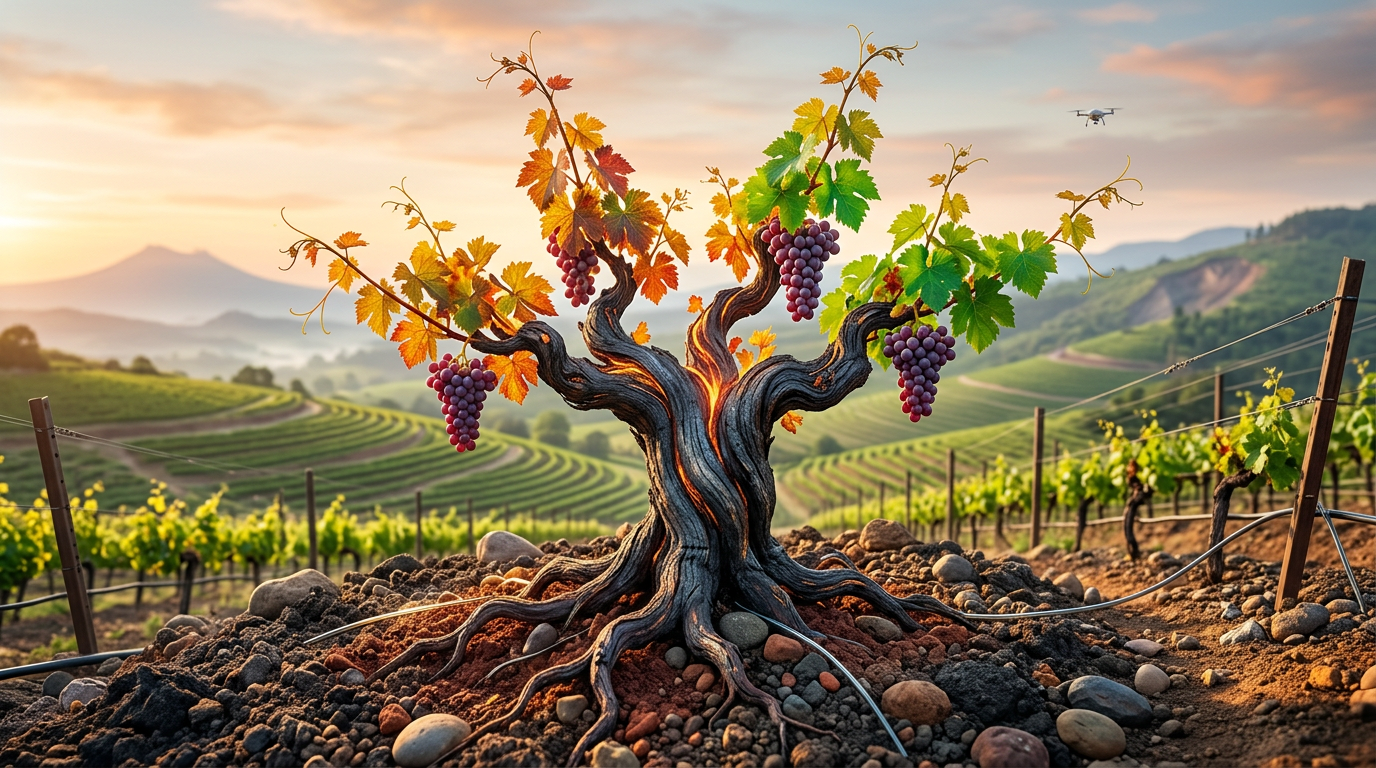
Forgotten Grapes, Rediscovered Flavors: Exploring the Revival of Ancient Wine Varieties in 2026
In 2026, the viticultural world is witnessing a robust resurgence of ancient grape varieties. Climate shifts and consumer demand for unique, authentic experiences are driving this trend. Forgotten grapes are being carefully cultivated, yielding wines with rediscovered flavors, marking a pivotal moment for both wine enthusiasts and producers.


Ancient Grape Varieties: Rediscovered Flavors and Their Revival
In the evolving landscape of global viticulture, a fascinating trend is taking root: the resurgence of ancient grape varieties. This renewed interest, blossoming robustly in 2026, marks a pivotal moment for wine enthusiasts and producers alike. As climates shift and consumers seek unique, authentic experiences, these forgotten grapes are being carefully cultivated, yielding wines with unparalleled character and a deep connection to winemaking heritage. At "Greatest Wine," we delve into this exciting phenomenon, exploring how these historical treasures are shaping the future of wine.
The Undying Allure of Ancient Grape Varieties
The wine world has long been dominated by a handful of international varieties – Cabernet Sauvignon, Merlot, Chardonnay, and Pinot Noir among them. While these grapes undoubtedly produce exceptional wines, their ubiquity often overshadows the incredible diversity found within the Vitis vinifera family. Ancient grape varieties represent a vast, unexplored library of flavors, aromas, and historical narratives.
Their allure stems from several factors, including their resilience in challenging climates and their unique genetic profiles. Many of these grapes have adapted over centuries to specific local conditions, making them ideal candidates for sustainable viticulture in a changing world. Moreover, they offer a taste of history, connecting modern drinkers to the winemaking traditions of antiquity. For insights into appreciating diverse wine profiles, consider Decoding Sommelier Secrets: Advanced Sensory Analysis for the Home Enthusiast in 2026.
Why the Revival Now for Ancient Grape Varieties?
- Climate Change Adaptation: Many old varieties are naturally drought-resistant or thrive in warmer temperatures, offering solutions for regions struggling with climate shifts.
- Consumer Demand for Authenticity: Drinkers are increasingly seeking unique, artisanal products with compelling stories, moving beyond familiar varietals.
- Biodiversity Preservation: Winemakers and researchers are actively working to protect genetic diversity in vineyards, seeing these grapes as invaluable genetic resources.
- Technological Advances: DNA profiling and advanced viticultural techniques make it easier to identify, propagate, and cultivate these once-neglected vines. This scientific embrace is a key driver in the 2026 revival. Such innovations also extend to [The AI Sommelier: Integrating Artificial Intelligence for Predictive Pairing and Personalized Wine Discovery in 2026].
Unearthing Hidden Gems: Examples of Ancient Grape Varieties Making a Comeback
From the sun-drenched hills of Greece to the volcanic soils of Italy, and the ancient landscapes of Georgia, winemakers are diligently bringing ancient grape varieties back into the spotlight. Each grape tells a unique story, offering a distinctive flavor profile that challenges conventional wine palates. These aren't just obscure grapes; they are potential future classics. For a broader understanding of how specific regional characteristics influence wine, explore Uncorking the Terroir: A Deep Dive into Micro-Appellation Wines of 2026.
Moscofilero (Greece)
This aromatic pink-skinned grape from the Peloponnese region of Greece produces intensely floral and spicy white wines. Once largely confined to local consumption, Moscofilero is gaining international recognition for its crisp acidity and versatile food-pairing capabilities. It's a prime example of an ancient variety finding its modern voice. Learn more about the grape and Greek wines on Wines of Greece.
Pecorino (Italy)
No, not the cheese! This Italian white grape, largely forgotten outside of a few regions in Abruzzo and Marche, is experiencing a remarkable renaissance. Pecorino wines are known for their vibrant acidity, mineral notes, and complex aromatics featuring citrus, herbs, and flint. Its natural vigor and resistance to common diseases make it an exciting prospect for future viticulture.
Saperavi (Georgia)
One of Georgia's most prominent red ancient grape varieties, Saperavi ("dye" or "paint" in Georgian) is a teinturier grape, meaning it has red flesh as well as red skin. This yields intensely dark, often tannic wines with blackberry, licorice, and savory notes, capable of significant aging. Its ancient roots in a cradle of winemaking history add to its mystique. Discover more about Georgian wines and Saperavi on Wines of Georgia.
Plavac Mali (Croatia)
A descendant of Zinfandel, Plavac Mali is the flagship red grape of Dalmatia, Croatia. It produces bold, full-bodied wines with flavors of dark fruit, fig, pepper, and Mediterranean herbs. Its adaptation to harsh, sunny coastal conditions makes it a resilient and characterful choice, embodying the spirit of ancient resilience. For perfect pairings, refer to our guide on Wine & Food Pairing: A Guide to Perfect Matches.
The Impact of Ancient Grape Varieties on Modern Winemaking
The reintroduction and careful cultivation of ancient grape varieties are more than just a historical curiosity; they are actively shaping the future of global winemaking. In 2026, we see a clear trend towards increased biodiversity in vineyards and a greater emphasis on terroir expression derived from these unique genetic materials.
Winemakers are experimenting with different fermentation techniques, from traditional amphorae (as seen with Georgian Qvevri wines) to modern oenological approaches, to best express the inherent qualities of these grapes. This experimental spirit leads to a more dynamic and diverse wine market, offering consumers an expanded palette of flavors and experiences. For further reading on viticultural innovations, you can consult resources like The International Organisation of Vine and Wine (OIV).
Cultivation Challenges and Rewards of Ancient Grape Varieties
- Initial Investment: Re-establishing these varietals often requires significant investment in research, planting, and specialized viticulture.
- Learning Curve: Winemakers often need to rediscover optimal cultivation and winemaking techniques for grapes that haven't been extensively grown in centuries.
- Market Education: Introducing unfamiliar grape names to consumers requires education and strong storytelling to build appreciation.
- Exceptional Differentiation: The reward lies in producing truly distinctive wines that stand out in a crowded market, often commanding premium prices due to their rarity and unique character.
Greatest Wine's Role in Celebrating Ancient Grape Varieties
At "Greatest Wine," we are passionately committed to exploring the full spectrum of wine, and the revival of ancient grape varieties perfectly aligns with our mission. We believe that understanding these historical grapes offers invaluable insights not only into winemaking heritage but also into the future resilience and diversity of the industry.
Through detailed tasting notes, historical deep dives, and interviews with pioneering winemakers, we aim to be your premier guide to this exciting frontier. We will continuously feature regions and producers championing these varieties, providing practical advice on where to find them and how to best enjoy their unique characteristics. Join us as we toast to the past, present, and future of wine.
Written by
Juniper Thorne is an experienced writer and educator with a deep passion for the world of wine. Bringing expertise in sensory analysis and wine culture to the Greatest Wine platform, Juniper helps readers explore and appreciate every nuance of wine.
Related Articles

The Vinous Verse: How Wine's Spirit Inspires 2026's Poetic and Literary Masterpieces
The intricate dance between the grape and the written word has enchanted humanity for millennia. Explore the profound connection between wine and literature, from ancient musings to 2026's contemporary narratives and poetic masterpieces. Discover how the world of wine continually inspires writers.
Juniper Thorne